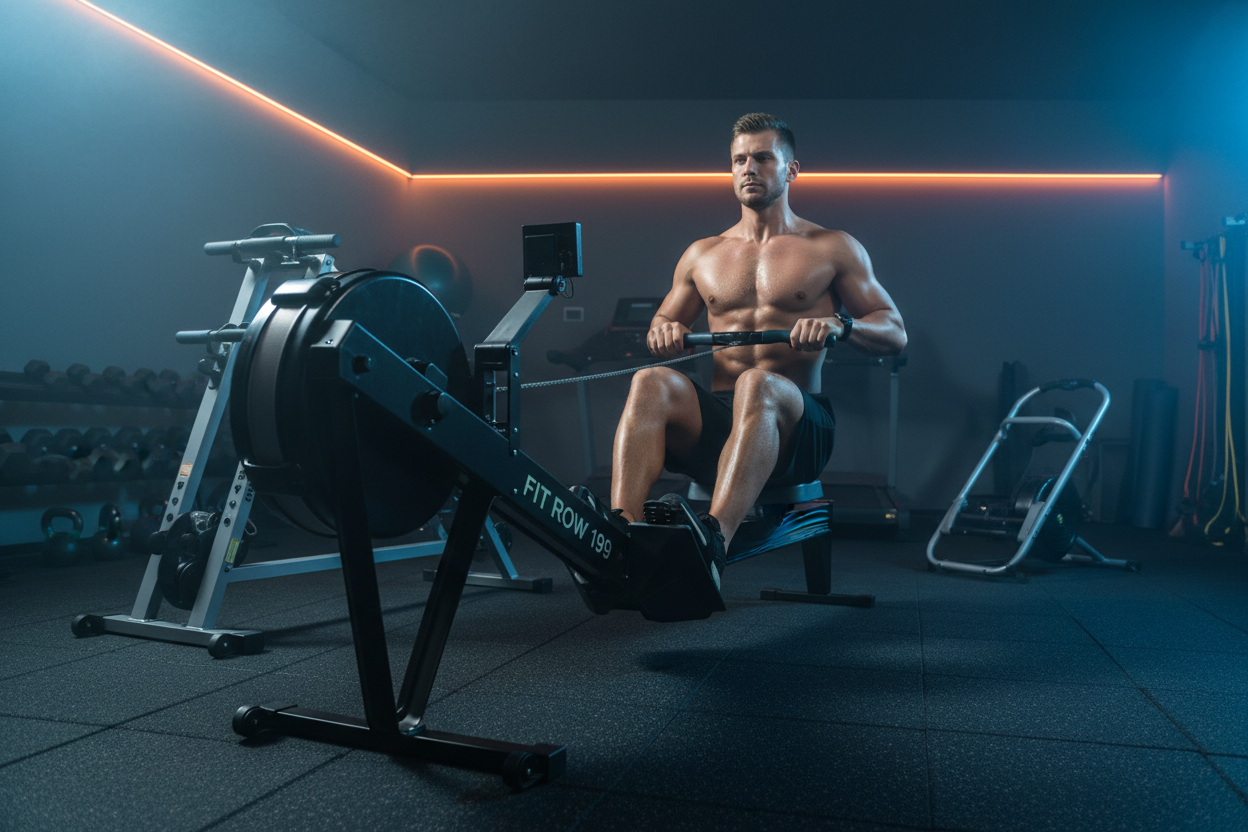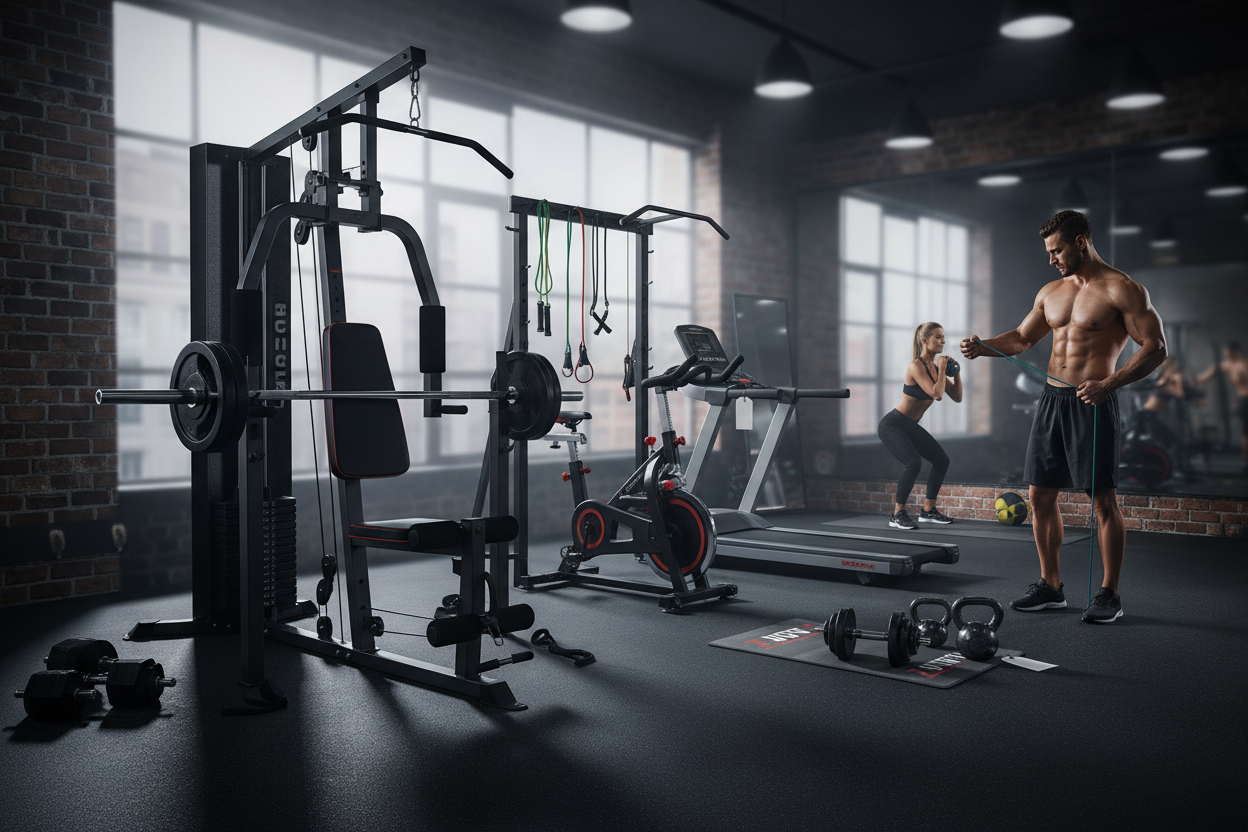
If you are juggling a busy schedule, dealing with limited garage space, or simply hitting a wall with traditional bodybuilding splits, it is time to rethink your training. Transitioning to a full-body strength and conditioning workout is the most efficient way to build muscle, burn fat, and improve overall athletic performance without spending hours in your home gym.
This guide breaks down exactly how to structure a highly effective training program for strength and conditioning using minimal equipment, maximizing both your floor space and your time.
Key Takeaways
- Combine heavy compound lifts with high-intensity metabolic work for maximum efficiency.
- You only need 2-3 sessions per week to see significant progress in a well-structured strength and conditioning routine.
- Versatile equipment like adjustable dumbbells, kettlebells, and a sturdy flat bench are ideal for home spaces.
- Prioritize movement quality over weight, especially when fatigued during the conditioning phase.
Building Your Strength and Conditioning Programme
Core Movements vs. Conditioning Work
A true strength and conditioning programme requires a delicate balance. You start with your heavy, central nervous system-taxing movements—squats, deadlifts, and presses. These build your raw power base. Once the heavy lifting is done, you transition into strength conditioning exercises designed to elevate your heart rate and test your muscular endurance. Think kettlebell swings, burpees, or heavy sandbag carries. This one-two punch is the secret to functional, real-world fitness.
Essential Equipment for Home Setups
Making the Most of Your Space
You do not need a massive facility to execute brutal strength and conditioning exercises at home. If you are working with a spare bedroom or a tight basement corner, focus on high-yield, compact gear. A pair of adjustable dumbbells, a single heavy kettlebell, and a jump rope require less than 10 square feet of storage but unlock hundreds of strengthening and conditioning exercises. If you have garage space, investing in a half-rack and a barbell takes your strength training conditioning to the next level.
Structuring Your Strength and Conditioning Routine
Balancing Volume and Intensity
When designing your strength conditioning workout, avoid the trap of going all-out on both strength and cardio in the same session. If your squats are heavy, keep the conditioning finisher short and intense. Conversely, if you are doing lighter, higher-rep strength work, you can afford a longer, steady-state conditioning block. This ensures your routine remains sustainable and prevents central nervous system burnout.
From Our Gym: Honest Take
When I transitioned my own 12x12 garage gym to focus strictly on a full-body strength and conditioning workout, I realized how much unnecessary gear I had hoarded. I sold my bulky leg press and invested in a premium cerakote barbell and two competition kettlebells. During my first week testing this new hybrid approach, pairing heavy hex-bar deadlifts with high-rep kettlebell swings left my grip absolutely smoked. One caveat: doing high-intensity conditioning on standard rubber horse stall mats gets incredibly slippery when you sweat. I highly recommend investing in a textured, high-traction turf strip or dedicated plyometric flooring for the conditioning portion of your workouts.
Frequently Asked Questions
Can I do a strength and conditioning workout every day?
No, daily full-body sessions will quickly lead to overtraining. Your muscles and central nervous system need time to recover. Aim for 3 to 4 days a week, allowing at least 48 hours of rest between intense full-body bouts.
What are the best strengthening and conditioning exercises for beginners?
Beginners should stick to fundamental movement patterns. Goblet squats, push-ups, dumbbell rows, and farmer's carries are excellent, low-risk choices that build a solid foundation before moving on to complex barbell lifts.
Do I need cardio machines for a strength conditioning workout?
Not at all. While rowers and air bikes are fantastic tools, you can achieve elite conditioning using just your body weight, dumbbells, or kettlebells by manipulating your work-to-rest ratios and keeping your heart rate elevated.