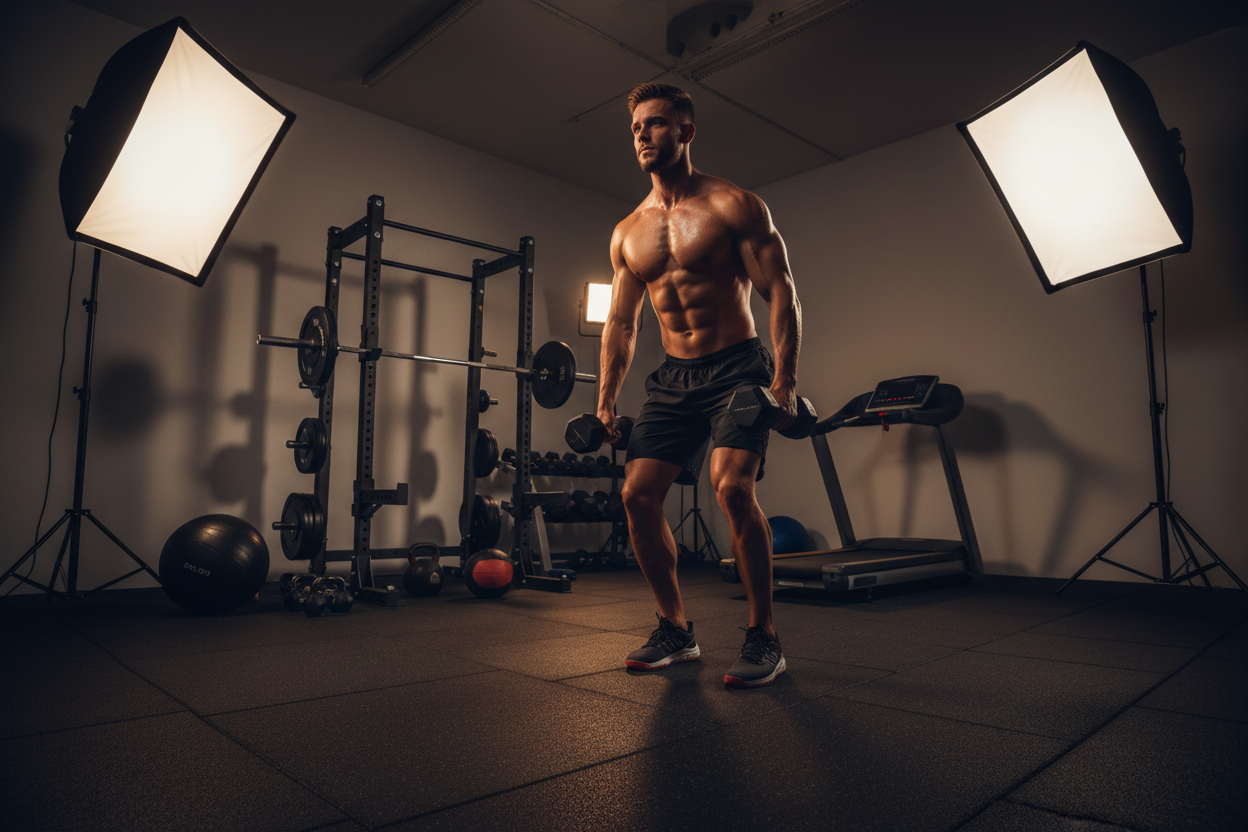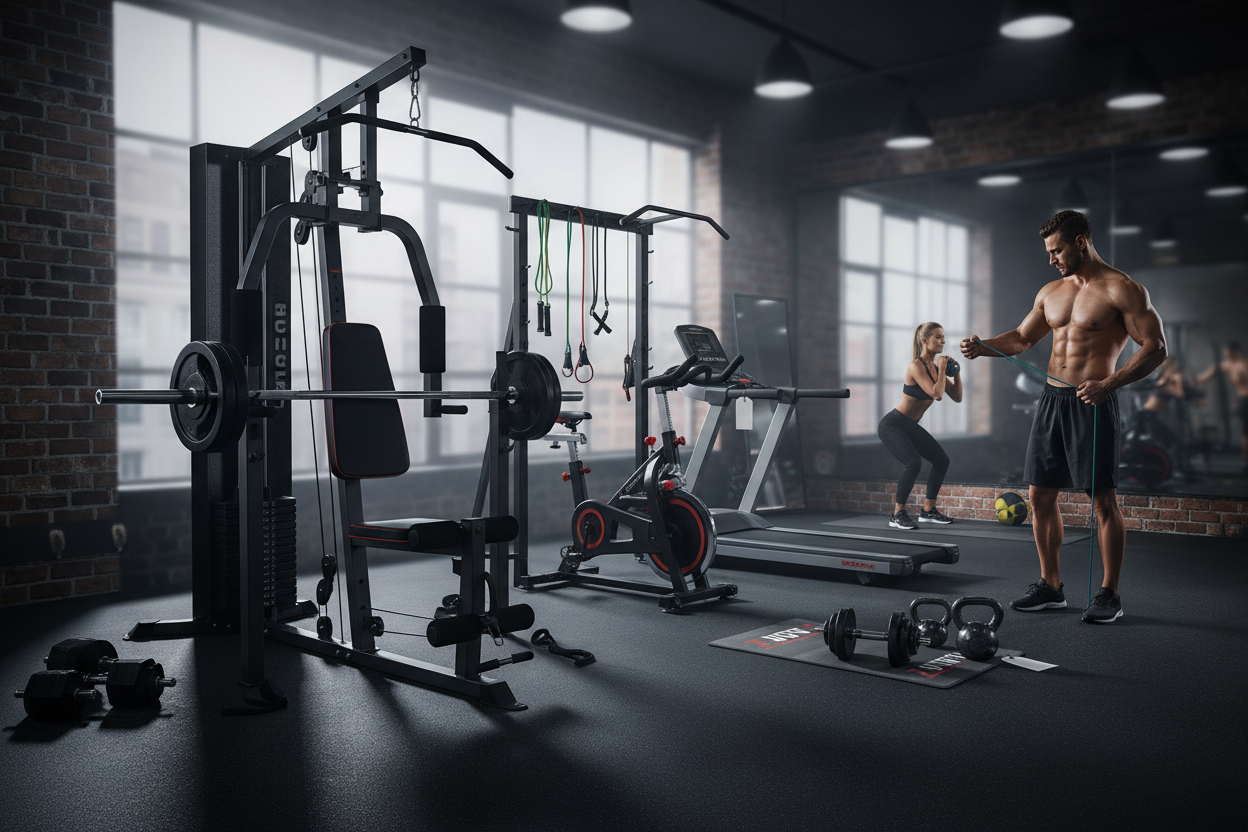
For Sale Gym Equipment: What to Know Before You Buy
Building a home gym is one of the best investments you can make in your long-term health, but navigating the endless sea of fitness gear can be incredibly frustrating. Whether you are dealing with a cramped basement, a freezing garage, or a tight budget, finding the right pieces without overspending is a real challenge. When browsing for sale gym equipment, it is easy to get distracted by flashy marketing and end up with a wobbly bench or a rack that barely fits your space.
This guide will cut through the noise. We will walk you through exactly what specs matter, how to measure your space properly, and where you should allocate your budget to build a setup that actually gets used.
Key Takeaways
- Measure twice, buy once: Always account for barbell clearance and moving parts, not just the static footprint.
- Prioritize steel gauge: Look for 11-gauge steel for power racks to ensure commercial-level stability.
- Splurge on contact points: Barbells, benches, and J-cups are where you feel the quality most.
- Check the warranty: Legitimate brands offer lifetime warranties on structural welds.
Evaluating Quality Before You Buy
Not all fitness gear is created equal. When you are comparing different equipment for gym for sale, the difference between a lifetime piece and a temporary fix usually comes down to materials and construction.
Steel Gauge and Weight Capacity
The structural integrity of any rack or bench is dictated by its steel gauge. Lower numbers mean thicker steel. For a North American home gym, 11-gauge steel (usually 3x3 inch tubing) is the gold standard. It provides exceptional stability for heavy lifts. If you see a workout machine for sale boasting a 300-pound weight limit, remember that this includes your body weight plus the load—often making it insufficient for intermediate lifters.
Moving Parts and Upholstery
Pay close attention to the pulleys, cables, and bench pads. High-quality cables should be aircraft-grade with a smooth, frictionless pull. For benches, look for high-density foam covered in grippy vinyl. Cheaper gym stuff for sale often features slippery, thin pads that compress over time, ruining your base of support during heavy presses.
Fitting Gear Into North American Homes
Space is the ultimate luxury in a home gym. Buying the best exercise gym equipment for sale means nothing if you cannot safely load a barbell or fully extend your arms.
Garage Gyms vs. Basement Setups
Garage gyms typically offer higher ceilings, making them ideal for full-height power racks (usually 80 to 90 inches tall) and overhead pressing. However, you must account for the slope of the garage floor—you may need to build a leveled deadlift platform. Basement setups, on the other hand, often suffer from low ductwork. If your ceiling is under 84 inches, you will need to specifically seek out short-rack options and prioritize seated overhead movements.
Price-to-Performance: Where to Spend Your Budget
Building a home gym is a marathon, not a sprint. You do not need to buy everything at once.
When to Splurge vs. Save
Spend your money on the items that connect directly to your body or the weights. A high-quality barbell with good knurling and reliable spin is non-negotiable. A sturdy, heavy-duty bench is critical for safety. Conversely, you can save money on weight plates—iron is iron. Buying gently used cast iron plates is a great way to stretch your budget so you can invest in a premium rack.
From Our Gym: Honest Take
We test hundreds of pieces of gear in our facility, and I have personally made my fair share of purchasing mistakes. When we were outfitting our latest testing bay, I bought a highly-rated budget cable tower. The footprint was perfect, but at 6'2", I quickly realized the maximum cable height was only 70 inches. I had to sit on the floor to do lat pulldowns. It was a stark reminder that product dimensions on a website do not always translate to functional training space. Always ask for the maximum extension or working height. That said, the 11-gauge power rack we sourced from a local supplier has been phenomenal—after 14 months of daily, heavy use with zero maintenance, the powder coat has not chipped once, though the included J-cups did need a plastic liner upgrade to protect our barbells.
Frequently Asked Questions
Is it safe to buy used fitness gear?
Yes, especially for items with no moving parts like cast iron plates, kettlebells, and solid steel dumbbells. Inspect power racks for rust near the welds, and avoid used cardio machines unless they come with a transferable warranty.
What is the most essential piece to buy first?
A high-quality power rack, a versatile barbell, and a flat or adjustable bench form the big three of any home gym. With these, you can safely perform hundreds of compound exercises.
How much space do I actually need for a rack?
While a rack footprint might be 4x4 feet, you need a minimum of 10 feet of width to comfortably load and unload a standard 7-foot Olympic barbell. Always leave at least 24 inches of walking clearance around your setup.