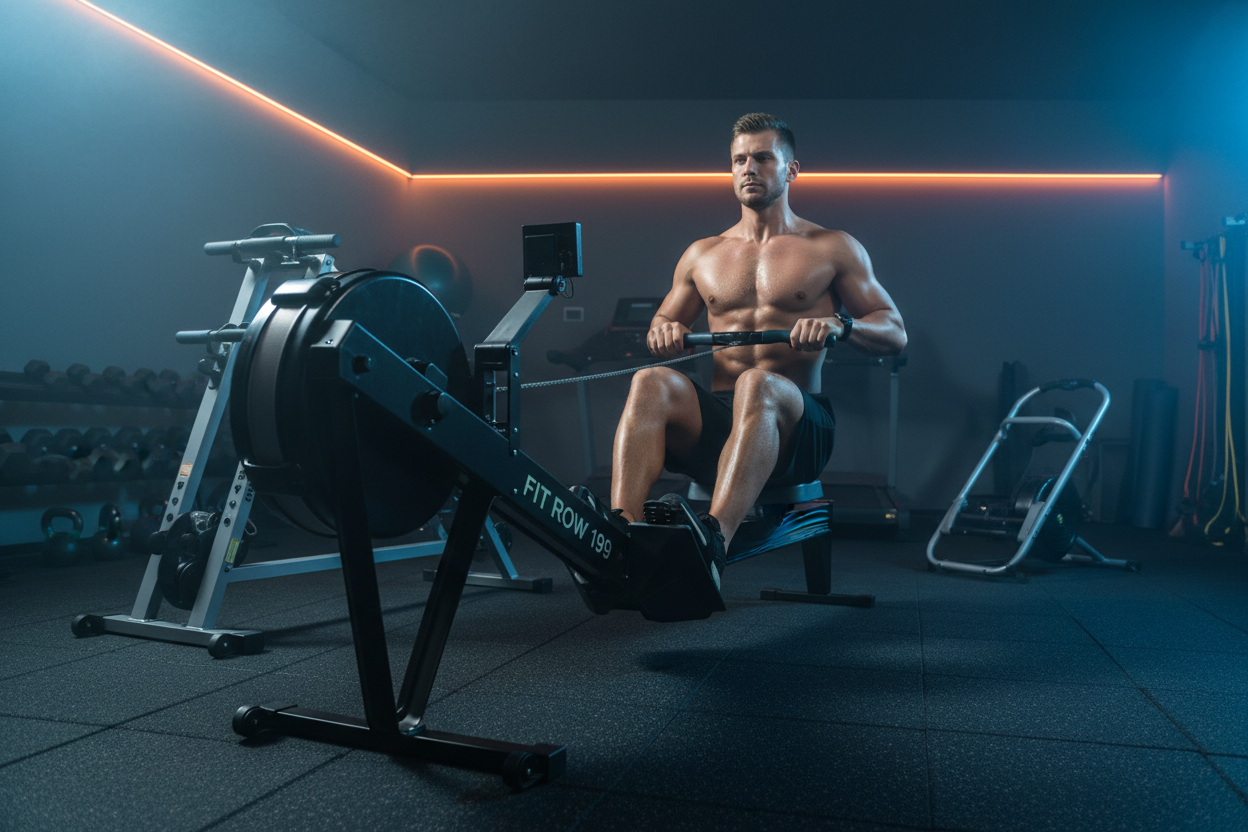
The Best Rowing Machine for Under 200: A Realistic Buyer's Guide
Let’s be honest: finding the best rowing machine for under 200 feels like a gamble. You see the glossy photos of $1,000 Concept2 rowers in CrossFit gyms, and then you look at the budget models online and wonder if they will fall apart after a week.
It is a valid concern. At this price point, manufacturers have to cut corners. The trick isn't finding a machine that rivals a commercial gym rower; it is finding one that is safe, functional, and durable enough to get your heart rate up without breaking the bank. You aren't buying a status symbol; you are buying a tool to get the work done.
Quick Summary: What to Expect in This Price Range
Before you commit to a purchase, here is the reality of what the budget market offers. Keep these points in mind to manage your expectations.
- Resistance Type: Most rowing machines under $200 utilize hydraulic pistons or basic magnetic resistance. You likely won't find air or water resistance here.
- Weight Capacity: The structural integrity usually tops out at 220–250 lbs. If you are heavier, safety becomes an issue.
- Monitor Tech: Expect a simple LCD screen tracking time, count, and estimated calories. Do not expect Bluetooth or app integration.
- Rail Length: Budget rowers often have shorter rails. If you are over 6'0", check the inseam specs carefully.
Understanding Resistance: Hydraulic vs. Magnetic
When hunting for the best rowing machine under 200, you are primarily choosing between two resistance mechanisms. Understanding the difference is crucial for your workout satisfaction.
The Hydraulic Piston Rowers
These are the most common in the sub-$200 category. They use cylinders filled with fluid and a piston to create drag. They are compact and often foldable.
The Science: As you row, the friction heats the fluid inside the piston. While effective for resistance, the downside is consistency. As the fluid heats up, it thins out, which can actually decrease resistance midway through a long workout. They are great for small spaces but less ideal for endurance sessions over 30 minutes.
Entry-Level Magnetic Rowers
You can occasionally find magnetic rowing machines under $200, especially during sales. These use magnets moving closer to or further from a metal flywheel.
The Science: Magnetic resistance is smoother and quieter than hydraulic pistons. It provides a consistent "pull" that doesn't change based on temperature. However, at this low price point, the maximum resistance might feel light for a strong individual. It is excellent for steady-state cardio but might lack the grit needed for high-intensity interval training (HIIT).
Build Quality and The "Wobble" Factor
Stability is the biggest sacrifice when you drop the price. High-end rowers weigh over 60 lbs for a reason: they need to stay planted when you drive with your legs.
Budget rowers are lighter. If you row aggressively, the front end might lift, or the machine might shift across the floor. To mitigate this, look for models with adjustable floor stabilizers on the feet. Using a rubber gym mat underneath is also non-negotiable—it adds friction and dampens vibration.
My Personal Experience with best rowing machine for under 200
I want to bridge the gap between the spec sheet and your living room floor. A few years ago, I needed a temporary rower for a small apartment and bought a hydraulic model that fit the "under $200" criteria perfectly.
Here is the unpolished truth that product descriptions won't tell you: The heat is real.
After about 20 minutes of vigorous rowing, the hydraulic pistons got scorching hot. I actually burned my calf slightly when I dismounted clumsily and brushed against the cylinder. You have to be careful getting off these things.
Furthermore, the foot pedals on my budget unit didn't have a fixed pivot point like a commercial rower. They swiveled loosely. This meant I had to focus intensely on my ankle flexibility and foot placement to prevent my heels from slipping out of the straps during the "catch" phase of the stroke. It worked for cardio, but it forced me to modify my form compared to what I do on a Concept2. It gets the job done, but you have to respect the machine's limitations.
Conclusion
Finding the best rowing machine for under 200 is about compromise. You are trading advanced features and heavy-duty stability for affordability and space-saving design. If your goal is general fitness, burning calories, and moving your body without a monthly gym fee, these machines are perfectly capable tools. Just remember to check the weight limits, tighten the bolts regularly, and watch out for those hot pistons.
Frequently Asked Questions
Are cheap rowing machines worth it for weight loss?
Yes. Weight loss is determined by your heart rate and calorie deficit, not the price of the machine. A $150 rower can elevate your heart rate just as effectively as a $1,000 one if you put in the effort.
How long do rowing machines under $200 last?
With daily use, expect 1 to 3 years of life. The parts most likely to fail are the nylon pull straps (fraying) or the seals on hydraulic pistons (leaking). Regular maintenance extends this lifespan significantly.
Are budget rowers noisy?
Magnetic rowers are generally very quiet. Hydraulic rowers are also quiet, though they may develop squeaks over time as the metal joints wear. They are usually much quieter than air rowers, making them good for apartments.