The Reason Your Muscle and Bodybuilding Split Is Exhausting You
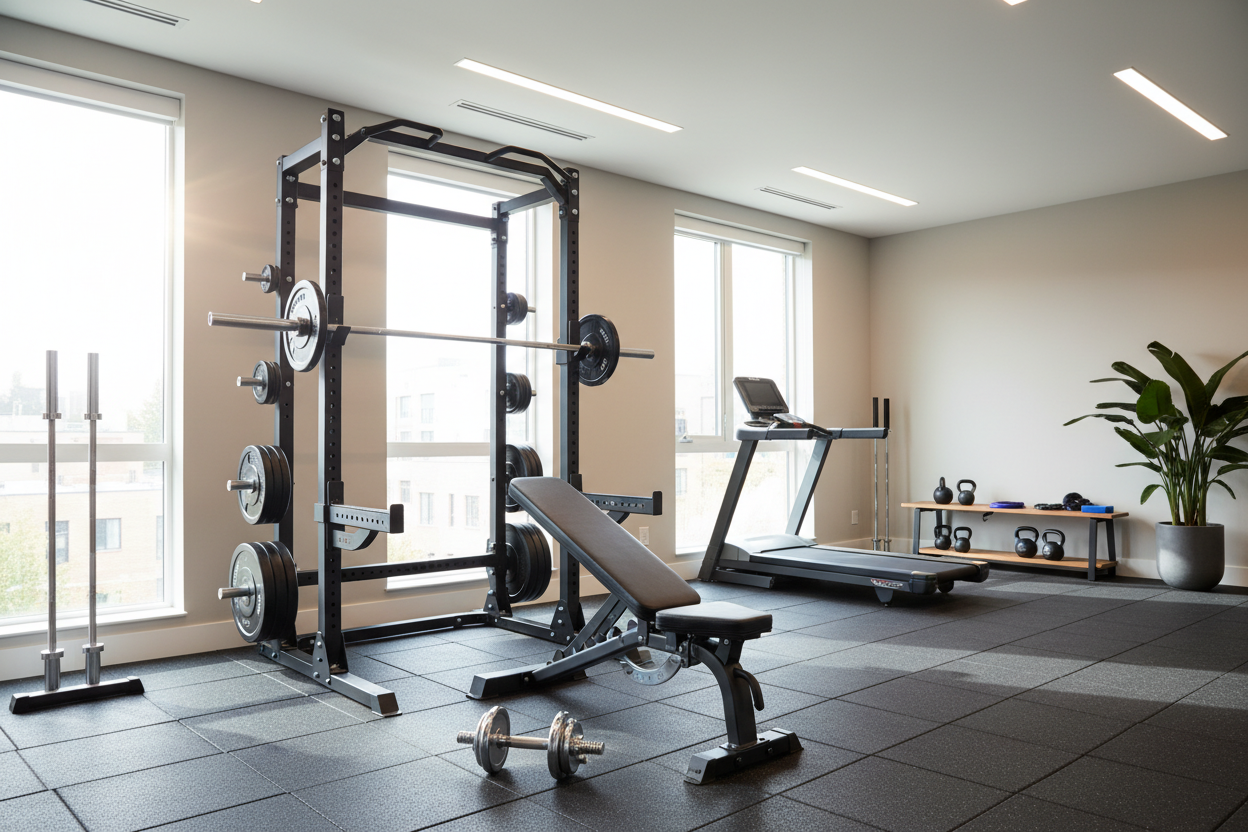
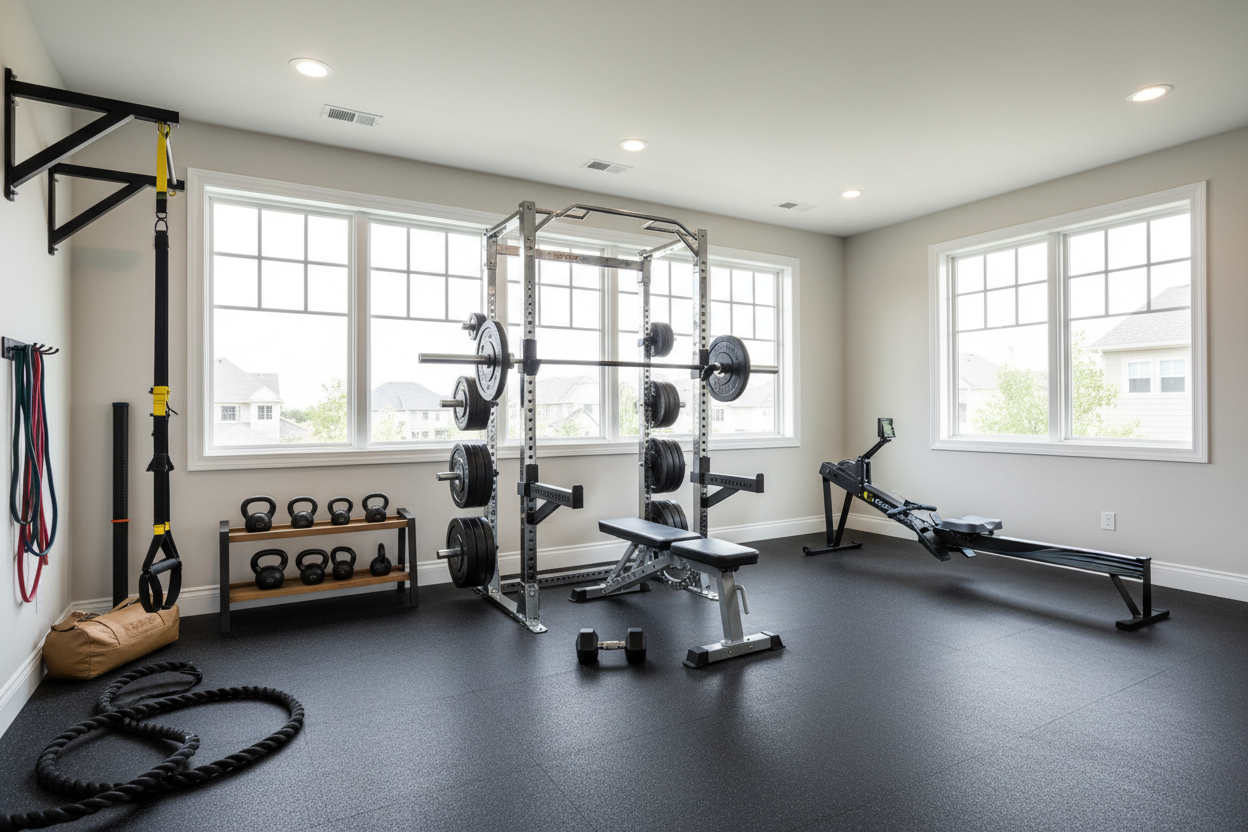
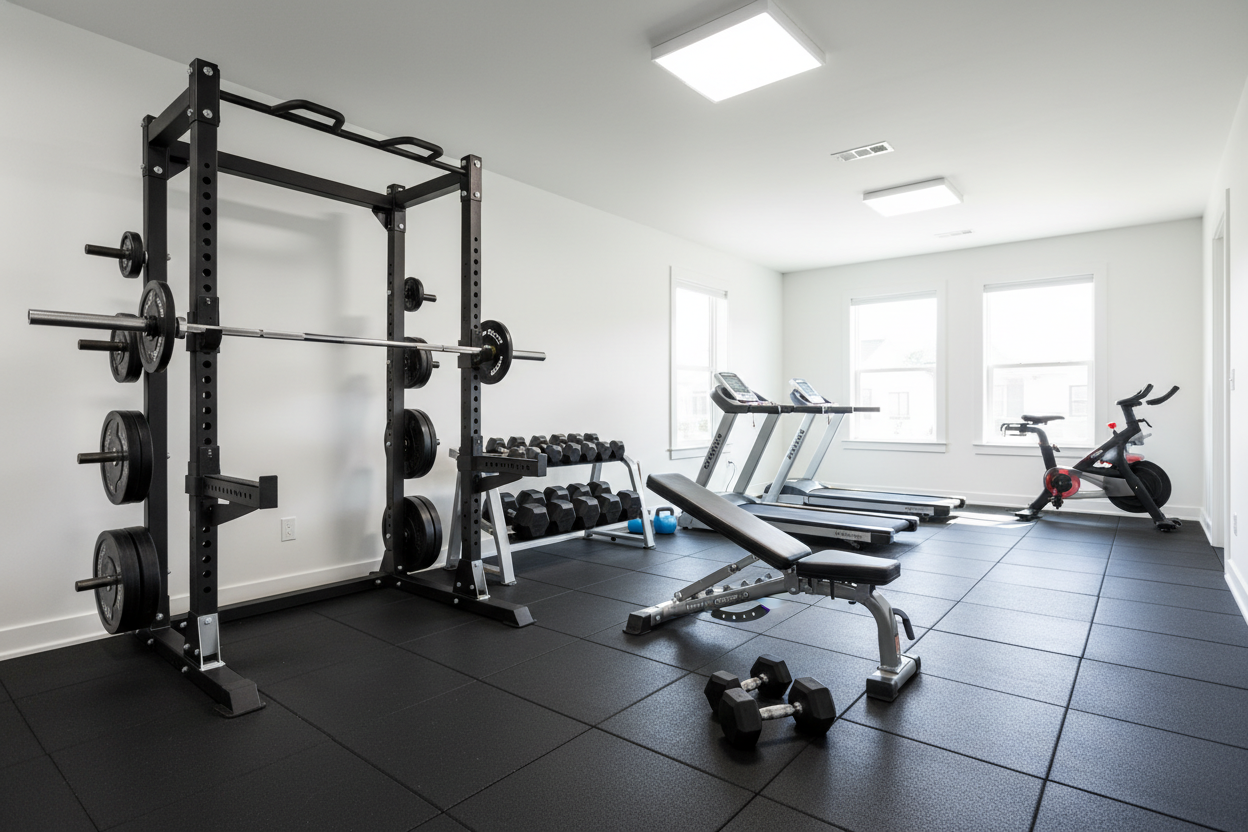
I remember the day I realized my five-day 'bro split' was actually a slow-motion car crash. I was dragging myself into the garage, staring at my power rack, and feeling like I had just worked a double shift at a coal mine before I even touched the bar. I was following a pro routine to the letter, but instead of looking like a Greek god, I just looked tired and my lower back felt like it was made of dry kindling.
The truth is, most muscle and bodybuilding routines you find online are designed for commercial gyms packed with millions of dollars in selectorized machines. When you try to port those high-volume programs into a home gym using nothing but a barbell and grit, you don't just fatigue your muscles—you fry your entire central nervous system (CNS). This is the 'systemic fatigue' trap, and it is the primary reason home lifters plateau after six months of hard work.
Quick Takeaways
- Commercial gym splits rely on machines to isolate muscles without exhausting the whole body.
- Replacing machine movements with heavy barbell compounds creates massive systemic drain.
- Axial loading (weight on your spine) is often the bottleneck, not muscle failure.
- Strategic use of dumbbells and benches can save your CNS while still driving growth.
- Eventually, you may need dedicated isolation gear to keep progressing safely.
Why the Classic Pro Split Ruins Home Lifters
Most muscle/bodybuilding programs are written by guys who have access to chest-supported rows, hack squats, and cable flyes. These tools are designed to isolate a specific muscle group while keeping the rest of the body—specifically the spine and lower back—completely supported. This allows for massive volume without the 'total body' tax.
When you take that same routine to your garage and try to do it with just a bar, things go sideways. You replace the chest-supported row with a heavy bent-over barbell row. You replace the leg press with more squats. Suddenly, every single 'back day' or 'leg day' becomes a 'lower back and nervous system day.' By the time you get to your third exercise, your brain is sending signals to quit, even though your lats or quads haven't even been fully stimulated yet. This mismatch derails your muscle body building progress because you're too exhausted to train with the intensity required for hypertrophy.
Local Muscle Fatigue vs. Systemic Burnout
In a perfect world, your set ends because the target muscle can no longer contract. That is 'local fatigue.' However, in a home gym environment, your set often ends because your heart rate is 180, your grip is failing, and your spinal erectors are screaming. That is 'systemic fatigue.'
If you’re constantly hitting systemic failure before local failure, you aren't actually building as much muscle as you think. You're just getting really good at being tired. To grow, we need to find ways to push the muscle to the brink without making your nervous system feel like it’s been plugged into a 220V outlet. This is why many lifters find they actually grow more when they stop trying to be 'hardcore' with the barbell on every single movement.
How Axial Loading Shortchanges Your Lower Body
Axial loading is just a fancy way of saying 'putting a heavy bar on your back or in your hands.' While the squat is king for a reason, doing it for high reps every single week can be counterproductive for pure aesthetics. Your lower back and core often give out long before your glutes or quads are finished.
This is why heavy squats aren't building your butt the way you expected. The sheer demand of stabilizing 315 lbs on your spine prevents you from reaching the deep, localized fatigue the glutes need to grow. If you're shaking like a leaf just trying to stay upright, your brain is going to cut power to the primary movers to protect your spine.
Rebuilding Your Home Routine for True Hypertrophy
To fix this, you have to stop thinking that 'harder' always means 'better.' You need to program your home gym sessions to minimize unnecessary systemic drain. This starts with a solid foundation—a standard weight set and bench—but it requires a change in how you use them.
Stop doing three types of heavy rows in one workout. Instead, do one heavy barbell movement, then transition to movements where your body is supported. Use your bench for one-arm dumbbell rows where your non-working hand supports your weight. Swap out some of those standing overhead presses for seated dumbbell presses. By supporting your torso, you remove the 'stabilization tax' and allow your shoulders or back to actually reach failure.
Strategic Chest Training Without Cables
Chest day is usually the biggest victim of the home gym transition. In a commercial gym, you'd finish with cable crossovers to get that deep stretch and peak contraction. At home, people often just do more benching, which is a recipe for shoulder impingement and CNS burnout. Instead of more sets of flat bench, focus on the 'stretch-mediated hypertrophy' you can get with dumbbells.
Go for deep, controlled dumbbell flyes or slight incline presses where you pause at the bottom. This hits the fibers differently without needing 300 lbs on the bar. For a deeper look at how to target these areas, check out this comprehensive guide to chest muscle anatomy. Understanding the 'why' behind the movement helps you pick the right exercises when you don't have a 12-station cable jungle at your disposal.
When You Actually Need to Buy Isolation Equipment
There comes a point where dumbbells and benches aren't enough to keep the gains coming without risking injury or total burnout. If you find that your leg days are consistently ruined by lower back pain, or you literally cannot walk for three days after a session, it's time to look at specialized gear. The highest ROI for a home bodybuilder is usually a lower body strength machine like a leg extension/curl combo or a compact leg press.
These machines allow you to absolutely trash your quads and hamstrings with zero load on your spine. It’s the ultimate 'cheat code' for home hypertrophy. You do your heavy squats first, then move to the machine to finish the muscle off. It’s safer, more effective for growth, and won't leave you feeling like a zombie the next morning.
My Own Burnout Story
Back in 2018, I tried to run a high-volume 'Power-Building' program in my garage. I was squatting, deadlifting, and rowing heavy three times a week. I thought I was a beast. In reality, my resting heart rate spiked, I couldn't sleep, and my lifts actually started going down. I was so obsessed with using the 'big' lifts for everything that I forgot the goal was muscle growth, not just moving heavy iron. I swapped the heavy rows for chest-supported ones using a DIY setup and replaced half my squats with split squats. My energy returned, my joints stopped aching, and I actually started seeing the muscle definition I’d been chasing for a year.
FAQ
Is a barbell-only routine bad for bodybuilding?
It's not bad, but it's inefficient for pure hypertrophy. Barbells are great for strength, but they require so much stabilization that your nervous system often quits before your muscles are fully exhausted.
How do I know if I have systemic fatigue?
If you're feeling 'wired but tired,' losing your appetite, or seeing a sudden drop in grip strength, your CNS is likely fried. If your muscles feel fine but you dread the gym, take a deload week.
Can I build a pro physique with just dumbbells?
Absolutely. Dumbbells allow for a greater range of motion and often provide better isolation than barbells. The only downside is that you eventually run out of weight, which is when you'll need to look at machines or heavier plates.