The Fatal Flaw in Your High Intensity Glute Workout Routine
I remember scrolling through social media and seeing a 'hiit buttocks' routine that involved 1,000 air squats in five minutes. My knees hurt just watching it. If you have ever finished a high intensity glute workout feeling like your lungs were on fire but your glutes were barely awake, you are not alone. Most people mistake being out of breath for actually stimulating muscle growth.
Quick Takeaways
- Mechanical tension is the primary driver of growth, even in fast-paced circuits.
- Stop substituting weight for speed; a booty hiit workout still needs resistance.
- Short rest periods (20-30 seconds) should challenge your recovery, not destroy your form.
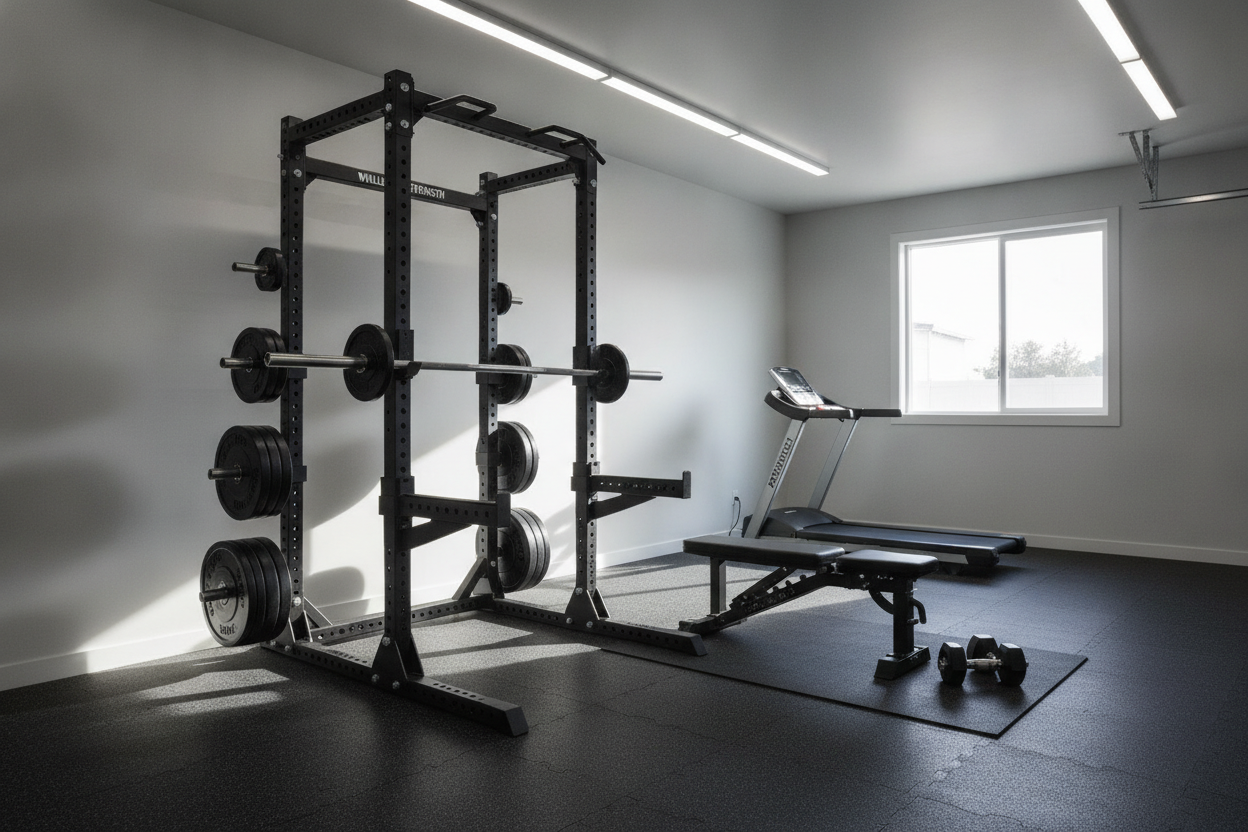
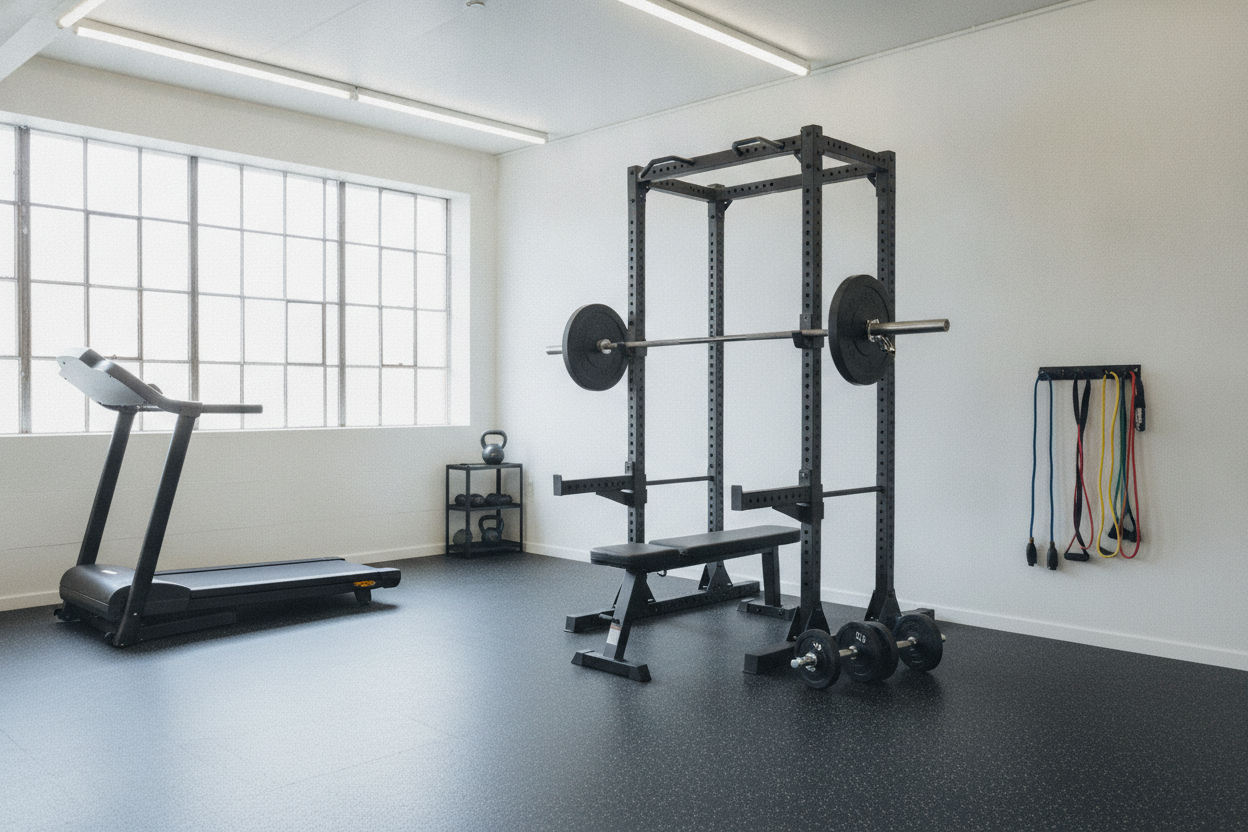
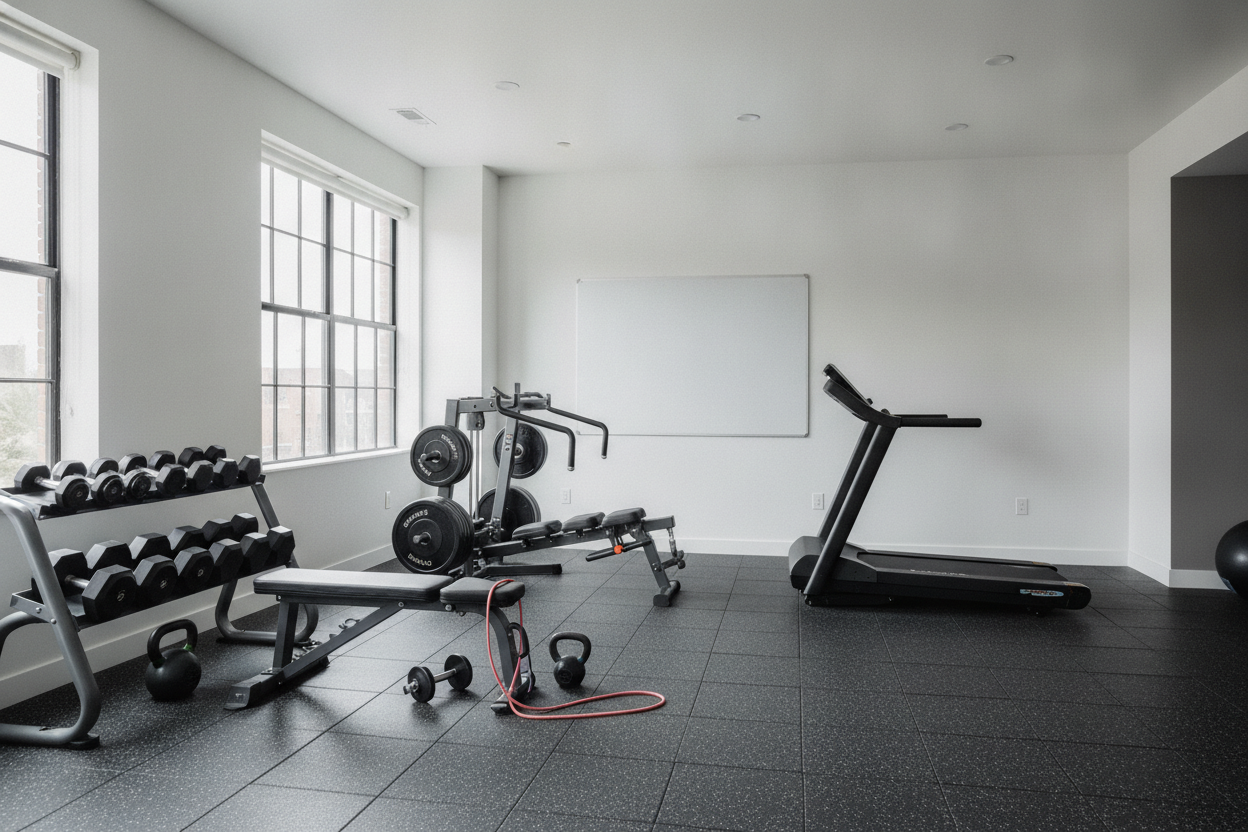
- Stable gym flooring is essential for heavy, explosive movements.
Why Most 'Booty HIIT' Just Leaves You Gasping for Air
The biggest mistake I see in the home gym community is turning a strength session into a sloppy cardiovascular endurance test. You see it everywhere: people flailing through high-rep glute hiit circuits with zero mind-muscle connection. When you move that fast without enough load, your heart rate spikes, but your glutes never actually reach near-failure. You are just doing cardio that happens to involve your legs.
To build real mass, you need mechanical tension. That means the muscle needs to feel a heavy load through a full range of motion. If you are just bouncing up and down during a hiit workout for bum, you are using momentum, not muscle. Your glutes are massive, powerful muscles; they do not grow from air squats alone. They grow when they are forced to move weight under fatigue.
The Golden Rule of a Real HIIT Workout for Glutes
If you want a hiit glute workout that actually works, the rule is simple: the weight stays heavy, but the rest gets short. Instead of taking three minutes between sets of heavy hip thrusts, you take 30 seconds. This creates metabolic stress, which is the second-best way to trigger hypertrophy. But you cannot sacrifice your hip extension. If you are too tired to lock out your hips, the set is over.
I usually tell people to stop following random 30-second clips on Instagram and look for actual programming. You can find more structured advice at our free workout hub if you are tired of guessing what works. The goal is to maintain strict form even when your lungs are burning. If your knees start caving in during a hiit workout for glutes, you have officially crossed the line from building muscle to risking an ACL tear.
The 20-Minute Blueprint: Structuring Your Glute HIIT
A solid 20-minute hiit glutes session should be split into two distinct phases. You start with the heavy, high-tension stuff while your nervous system is fresh. Then, you move into the explosive, high-heart-rate finishers. This ensures you get the strength stimulus first before the fatigue makes your form sloppy.
Phase 1: Heavy Tension Under Fatigue
Start with a heavy compound movement like a dumbbell hip thrust or a deficit reverse lunge. Since you are doing this as a hiit butt workout, you are going to perform 10-12 reps with a weight that actually feels heavy—think 70% of your max. The key here is stability. I have seen people try to do these on slippery garage floors, and it is a disaster. Investing in proper gym flooring for home workouts is the best move you can make to keep your feet planted during heavy thrusts.
Rest for exactly 20 seconds, then go again. Do four rounds. By the third round, your glutes should feel like they are vibrating. This is where the growth happens—maintaining that heavy load when your body is begging for a break.
Phase 2: The Explosive Burnout
Once the heavy lifting is done, it is time to maximize the 'burn.' This is where kettlebell swings and jump squats come in. For a hiit bum workout, I like a 40-seconds-on, 20-seconds-off interval. Focus on the snap at the top of the swing. If you are looking for a different way to finish, you could even try a kickboxing HIIT workout with a glute finisher to add some lateral movement into the mix.
Where Does This Fit Into Your Weekly Leg Day Schedule?
You cannot do this every day. High intensity glute training is taxing on your central nervous system. If you are already doing two heavy leg days a week, one 20-minute booty hiit session is plenty as a finisher or a standalone mid-week burner. It is much more concentrated than a general 60-minute total body HIIT strength workout because the volume is strictly focused on the posterior chain.
Listen to your lower back. If you start feeling the 'pump' in your spine instead of your glutes, you are tired and your form is breaking. Put the weights down. A good workout makes you better, not just tired.
Personal Experience: The Day I Learned My Lesson
I used to think I could 'HIIT' my way to a better physique using only bodyweight movements. I spent three months doing daily 15-minute glute circuits in my garage. I got sweatier, sure, but my measurements didn't change a bit. It wasn't until I dragged my 50lb dumbbells into the circuit and cut my reps in half that I actually saw progress. I also learned the hard way that doing jump squats on a bare concrete floor is a great way to ruin your ankles—get a mat.
FAQ
Can I do a glute HIIT workout with no equipment?
You can, but it is less effective for muscle growth. To make bodyweight work, you need to use high-tension variations like single-leg glute bridges or Bulgarian split squats to create enough resistance.
How often should I train glutes with HIIT?
Twice a week is the sweet spot for most. Any more and you risk overtraining, especially if you are also doing heavy squats or deadlifts in your main program.
Why do I feel HIIT workouts in my quads more than my glutes?
You are likely quad-dominant or not hinging deeply enough. Focus on pushing your hips back rather than just dropping your knees down. A vertical shin usually means more glute engagement.