A Real Beginner Weight Lifting Set Doesn't Come in a Box
I still remember the first beginner weight lifting set I ever bought. It was a $99 special from a big-box store, featuring plastic-coated weights filled with what I’m pretty sure was wet sand and disappointment. Within three months, the plastic shells cracked, the collars wouldn't stay tight, and I was already out-lifting the flimsy 1-inch bar. It was a total waste of money that ended up in a landfill.
- Avoid 'Standard' 1-inch bars; they are a dead-end for progress.
- Invest in a 2-inch Olympic barbell from day one.
- Cast iron is cheaper, but bumper plates save your garage floor.
- A power rack is a safety requirement, not an optional luxury.
The Department Store Trap (Why Most Starter Sets Suck)
Those 100-pound vinyl and cement weight sets look like a bargain when you’re standing in the aisle. They aren't. These sets are designed for people who plan to use them as clothes hangers after three weeks. The weights are physically massive because cement is less dense than iron, meaning you’ll run out of room on the bar before you even hit a respectable squat weight.
The bars included in these bundles are usually 'Standard' bars, which have a 1-inch diameter. Almost every high-quality piece of equipment in the world uses 2-inch Olympic sleeves. If you buy the cheap stuff now, nothing you own will be compatible with the gear you buy later. Why Buying a Weight Lifting Set With Weights Is Usually a Trap comes down to the simple fact that you are paying for trash you will have to replace in a month.
What a Real Starter Setup Actually Looks Like
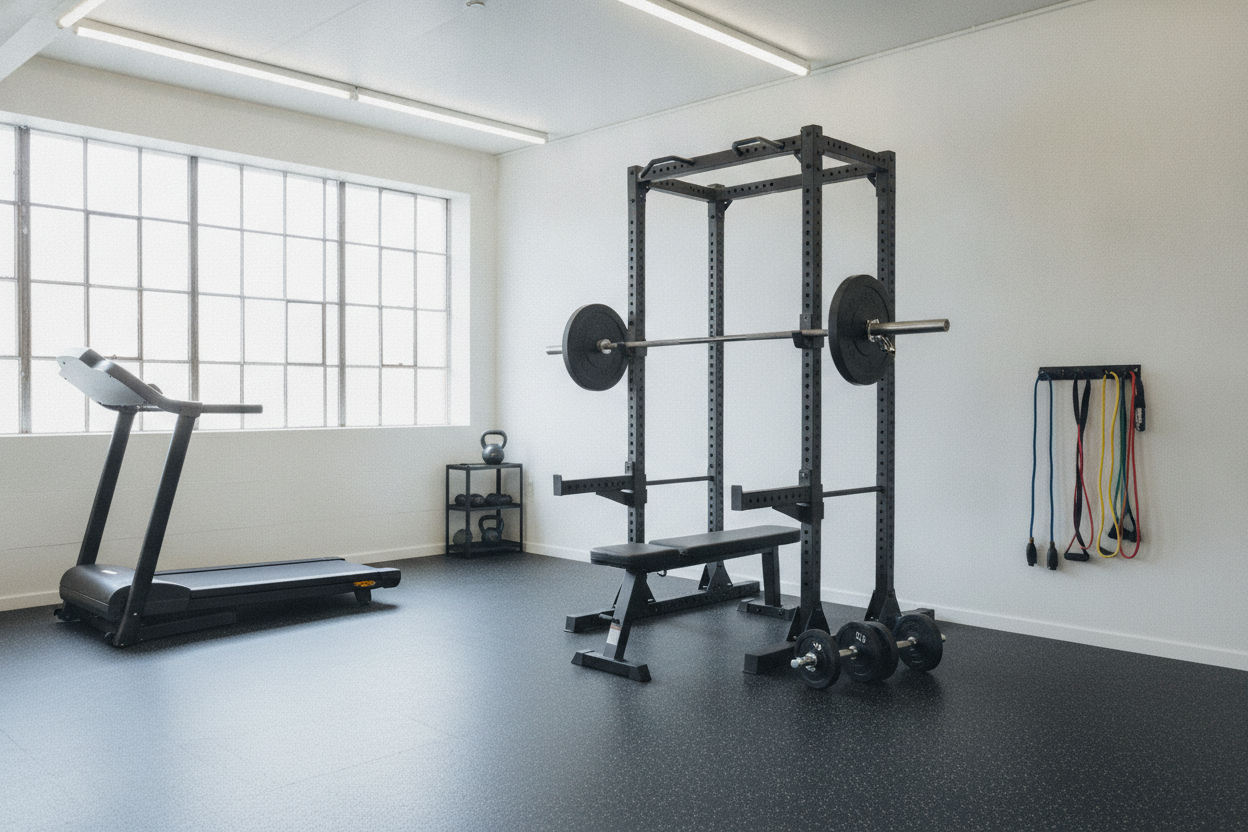
A legitimate weight lifting set for beginners consists of three pillars: a 7-foot Olympic bar, at least 160-230 lbs of plates, and a way to hold the bar at shoulder height. You aren't just buying heavy circles; you're buying a system that needs to support you as you get stronger. If you start with a 300-lb capacity bar, you’ll be shopping again by the time you're intermediate.
Safety is the part most beginners ignore until they’re pinned under a bench press at 6:00 AM with no one home. You need a cage or a rack with adjustable spotter arms. Don't Buy a Weight Lifting Set Without a Power Rack if you value your ribcage. A rack allows you to push to failure without the fear of a trip to the ER.
The Barbell: Why 1-Inch Standard Bars Are a Dead End
Standard bars are usually rated for about 200 lbs. That sounds like a lot when you're starting, but a healthy adult male can often deadlift that within a few months of consistent training. Once that bar bends, it’s garbage. A real 2-inch Olympic bar has a higher tensile strength, better knurling for your grip, and sleeves that actually spin so you don't wreck your wrists during cleans or presses.
The Plates: Iron vs. Bumpers for Your First Year
You have two choices: classic cast iron or rubber bumper plates. Iron is thinner, so you can fit more on the bar, and it has that satisfying 'clink' sound. However, if you are training in a garage or spare bedroom, bumpers are the way to go. They are the same diameter regardless of weight, which sets the bar at the correct height for deadlifts, and they won't shatter your concrete floor if you drop them.
The 'Buy Once, Cry Once' Starter Package
If you want to skip the headache of piecing things together, look for a heavy-duty bundle that uses commercial-grade specs. I usually point people toward the Gxmmat X6 Power Rack Weight Bench Barbell Bumper Plate Set. It’s a 230lb package that actually includes a real rack and a bench that won't wobble when you're trying to focus on your form.
This kind of setup is 'buy once, cry once.' You pay a bit more upfront, but the 14-gauge steel and the Olympic-spec bar mean you won't be scrolling through marketplaces looking for replacements next year. It’s a foundational starter weight lifting set that grows with you.
How to Expand Your Setup When You Actually Get Strong
Once you’ve mastered the basics, you’ll want to add variety. This usually starts with an adjustable bench and some dumbbells. If you started with a solid rack, you can often add attachments like dip bars or a lat pulldown later. Eventually, you might want to upgrade to a more versatile weight set and bench combo that allows for incline and decline work to hit different angles of the chest.
Personal Experience: My $200 Mistake
Early on, I tried to save money by buying a used 'Standard' set from a guy on Craigslist. The bar was slightly rusted, but I thought I was being savvy. The first time I tried to load 225 lbs for a deadlift, the bar didn't just bend—it stayed bent. I had to finish my workout with a bar that looked like a pool noodle. I ended up spending more money replacing that junk than if I had just bought a decent Olympic set from the start. Don't let a low price tag trick you into buying a temporary solution.
FAQ
Is 230 lbs enough for a beginner?
Yes. For most people, 230 lbs will cover your squats and deadlifts for the first 6-12 months. After that, you can just buy extra pairs of 45-lb plates as needed.
Can I put a weight rack on carpet?
You can, but it’s not ideal. The rack will wobble. It’s better to put down a layer of 3/4-inch plywood and a rubber stall mat to create a stable, level lifting surface.
Do I really need bumper plates?
If you plan on doing deadlifts or any overhead lifts, yes. They protect your floor and the bar. If you only ever do bench press and squats with a spotter, you can get away with iron.