The Dumbest Mistakes People Make Buying a Hip Extension Machine
I spent three hours last Tuesday trying to figure out why my lower back felt like a rusted hinge after a leg day. I realized I had been chasing glute gains on a hip extension machine that was built more like a cheap clothes rack than a piece of commercial iron. Most people buy these things based on a flashy Instagram video, only to realize the pivot point is three inches off and the padding feels like a wet pool noodle.
If you are looking to build a posterior chain that actually moves weight, you have to be picky. A bad machine hip extension is worse than no machine at all because it tricks you into thinking you are training your glutes while your lumbar spine does all the heavy lifting. Let's cut through the marketing fluff and look at what actually belongs in your garage.
Quick Takeaways
- Most 'glute' machines are actually low-back traps if the pivot point is wrong.
- Standing pendulum units offer better isolation but require a massive footprint.
- If you have a cable tower, you might not even need a dedicated unit.
- Pad density is the first thing that fails on budget equipment.
Wait, What Actually Is a Hip Extension Machine?
The term 'hip extension' is thrown around by equipment manufacturers like they are selling snake oil. You will see 45-degree back extensions, reverse hypers, and standing kickback units all sharing the same name. Biomechanically, a true hip extension exercise machine focuses on the movement of the femur moving backward relative to the pelvis. If your spine is moving more than your legs, you are doing a back exercise, not a hip exercise.
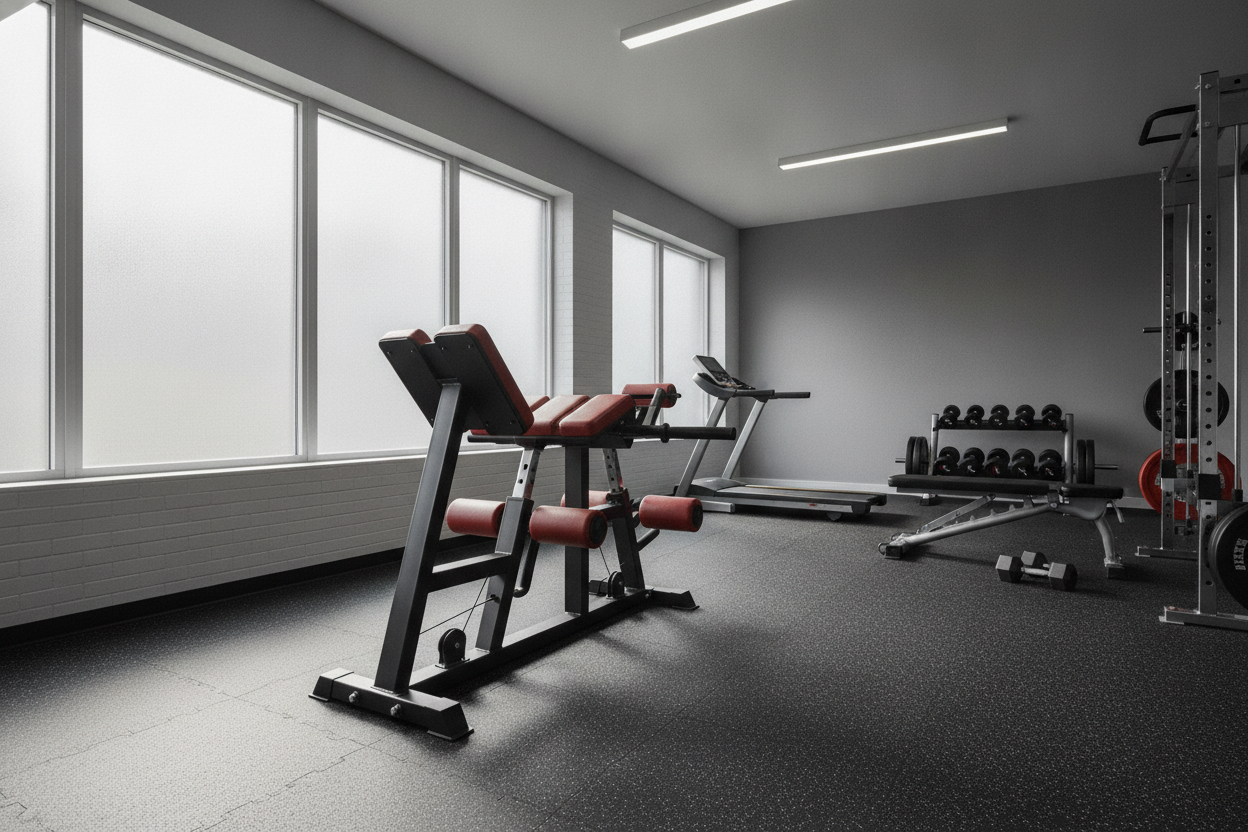
Terminology matters because a reverse hyper is designed for spinal decompression and posterior power, while a standing unit is usually for hypertrophy and isolation. Before you drop five hundred bucks, check out this guide to glute machine exercises to see if you are actually looking for glute isolation or overall posterior chain strength. Mixing these up is the fastest way to end up with a piece of equipment that collects dust.
Standing vs. Lying: Which Setup Survives the Real-World Test?
In the commercial gym world, the standing pendulum hip extension is king. It allows for a massive range of motion and keeps the tension on the glute max. However, in a home gym, these units are often poorly counterweighted. If the machine doesn't have a heavy enough base or a smooth bearing system, it will stutter at the top of the movement, killing your mind-muscle connection.
Prone or lying versions are easier to fit into a 12x12 garage, but they come with a catch. Many lifters end up using hip exercise machines incorrectly by shoving their hips into the pad and arching their lower back to get more range. This shifts the load from the glutes to the L4-L5 vertebrae. If you cannot maintain a neutral spine while lying face down, the standing version—despite the footprint—is the safer bet for your longevity.
Can You Hack the Movement With Gear You Already Own?
Be honest: do you really have the floor space for a single-use unit? Most dedicated hip machines take up about 15 square feet. If you already have a functional trainer or a low cable pulley, a $20 ankle strap and a wooden block to stand on can replicate 90% of the stimulus. I have seen guys build pro-level glutes using nothing but a cable stack and some discipline.
If you are tight on space but still want that machine feel, a multi-purpose leg extension curl machine is a smarter investment. While it is built for the quads and hamstrings, many high-end models allow you to adjust the arm angle to perform a standing kickback. It gives you the stability of a machine without the 'one-trick pony' downside of a dedicated glute unit.
The 3 Non-Negotiable Features If You Actually Buy One
If you are dead-set on a dedicated unit, do not buy anything with 'standard' 1-inch plate horns. You want 2-inch Olympic horns that can handle at least 200 lbs of iron. Second, look at the pads. If the vinyl feels thin or the foam bottoms out when you press your thumb into it, your hips will be bruised within a week. You need high-density, closed-cell foam.
The most critical spec is the adjustable pivot point. Humans are not built in a factory; your hip joint might sit higher or lower than mine. If the machine does not allow you to align the axis of rotation with your actual hip bone, you will be fighting the machine's mechanics the entire set. That friction leads to joint pain and mediocre gains.
The Verdict: Is It Worth the Garage Floor Space?
For 90% of home gym owners, a dedicated hip extension machine is a luxury that isn't worth the footprint. Unless you are a competitive bodybuilder or a powerlifter with a specific weakness, that space is better served by a rack or a versatile leg machine that can hit your quads, hams, and glutes in one go.
I have owned over twenty different lower body pieces, and the ones I keep are the ones that do more than one thing. A hip machine is great for a 10,000-square-foot commercial facility, but in a garage, versatility is the only metric that matters. If you can't squat, hinge, and curl on it, think twice before clicking 'buy'.
Personal Experience: The Wobbly $300 Mistake
I once bought a budget-tier standing glute machine because the 'pro' version was three times the price. On paper, the specs looked fine. In reality, every time I loaded more than two 45-lb plates, the frame would lift off the ground during the eccentric phase. I had to sandbag the base just to keep it from tipping. It was loud, the bushings squeaked, and I eventually sold it for half what I paid. Buy once, cry once—or just stick to cables.
FAQ
Do hip extension machines help with back pain?
Only if used correctly. A reverse hyper style machine can help with decompression, but a standard extension machine can actually worsen back pain if you overextend your lumbar spine instead of moving from the hips.
Can I use a leg curl machine for hip extensions?
Sometimes. If it is a standing leg curl, you can often face the machine and use the lever arm to push backward. Just ensure the pivot point doesn't force your knee into an awkward angle.
How much weight capacity do I need?
Look for a machine rated for at least 300 lbs. Even if you aren't moving that much weight yet, a higher weight rating usually indicates a more stable frame and better bearings that won't get 'crunchy' over time.