Why the Best Workout for Leg Mass Only Needs 4 Moves
I spent years scrolling through Instagram, trying to mimic 'pro' routines that had me doing 15 variations of a leg extension. My knees hurt, my progress stalled, and I was spending two hours in the gym just to feel 'busy.' The truth is, the best workout for leg development isn't a circus act; it's a few heavy movements done with terrifying intensity.
I remember my first garage setup—a cheap rack and a bar that felt like it would snap under 315 lbs. I tried to do everything at once. I failed. It wasn't until I stripped the fluff and focused on four specific patterns that my quads finally started hanging over my kneecaps.
Quick Takeaways
- Stop doing junk volume; four movements are plenty if the intensity is high.
- Prioritize big compound lifts when your nervous system is fresh.
- Unilateral work is non-negotiable for fixing strength imbalances.
- Proper flooring is as essential as your barbell for heavy hinging.
Why Your 'Frankenstein' Routine Is Killing Your Gains
Most lifters treat leg day like a buffet. They grab a little bit of everything—some leg press, a few lunges, three types of curls, and maybe some calf raises if they aren't exhausted. This 'Frankenstein' approach creates a massive amount of fatigue without providing a clear stimulus for growth. You're just tired, not better.
The best workout for leg day isn't about variety; it's about mastery. When you chase 12 different exercises, you never get truly proficient at the ones that actually move the needle. You end up with 'junk volume'—sets that feel hard but don't actually trigger hypertrophy because you're too gassed to move real weight. Keep it simple and ruthless.
The 4 Movement Pillars You Actually Need
To build the best all around leg workout, you have to look at biomechanics, not just muscle groups. Your legs are designed to squat, hinge, move one at a time, and occasionally isolate. If you hit those four pillars, you've covered every fiber from your glutes to your ankles.
These pillars are the foundation of any serious program. Whether you're doing a dedicated leg session or integrating these as exercises for a full body workout, the goal remains the same: progressive overload on the movements that matter most.
Move 1: A Heavy, Unyielding Knee Flexion
This is your anchor. Whether it's a high-bar back squat, a brutal hack squat, or a heavy goblet squat if you're limited on gear, this move requires the most out of your central nervous system. You want deep knee flexion here—get those hamstrings to touch your calves if your mobility allows.
I prefer a safety squat bar for this because it saves my shoulders, but the principle is the same. By focusing on a science-based leg workout approach, we know that placing the quads under significant stretch at the bottom of the movement is the fastest way to trigger growth. Do these first, or you'll regret it later.
Move 2: The Brutal Hip Hinge
If the squat builds the front, the hinge builds the back. The Romanian Deadlift (RDL) is the king here. Unlike a standard deadlift, you're keeping the tension on the hamstrings and glutes throughout the entire range of motion. It’s easily one of the best legs exercises for developing that 'thick' look from the side profile.
Don't ego lift here. I once tried to RDL 405 lbs with questionable form and felt my lower back scream for a week. Focus on pushing your hips back as far as possible until you feel a massive stretch in your hamstrings, then drive through your heels to stand up. Your posterior chain will thank you (eventually).
Move 3: Unilateral Isolation (Yes, It Will Hurt)
Single-leg work is the great equalizer. Most people have a dominant leg that takes over during squats. Bulgarian split squats or walking lunges force each leg to carry its own weight. It’s also a sneaky way to build cardiovascular endurance; doing a heavy set of 10 lunges per leg feels like sprinting a 400-meter dash.
I hate these. Everyone hates these. But if you skip them, you're leaving gains on the table. They fix the small stabilizer muscles around the knee and hip that big bilateral moves often miss. If you want to stay injury-free while lifting heavy, you need to embrace the single-leg struggle.
Structuring the Routine for Maximum Impact
Here is how to execute the best exercises for leg day without wasting time. Start with your heaviest knee-dominant move (Squat) for 3 sets of 6-8 reps. Follow that with your hinge (RDL) for 3 sets of 8-12 reps. Move into your unilateral work for 3 sets of 10-12 reps per leg, and finish with a simple isolation move like a leg curl or extension for 2 sets of 15+ reps to flush the muscle with blood.
Rest periods should be long—2 to 3 minutes for the big lifts. If you're ready to go again after 30 seconds, you didn't go heavy enough. This isn't a HIIT class; it's a construction site for your lower body.
A Quick Note on Training Surfaces at Home
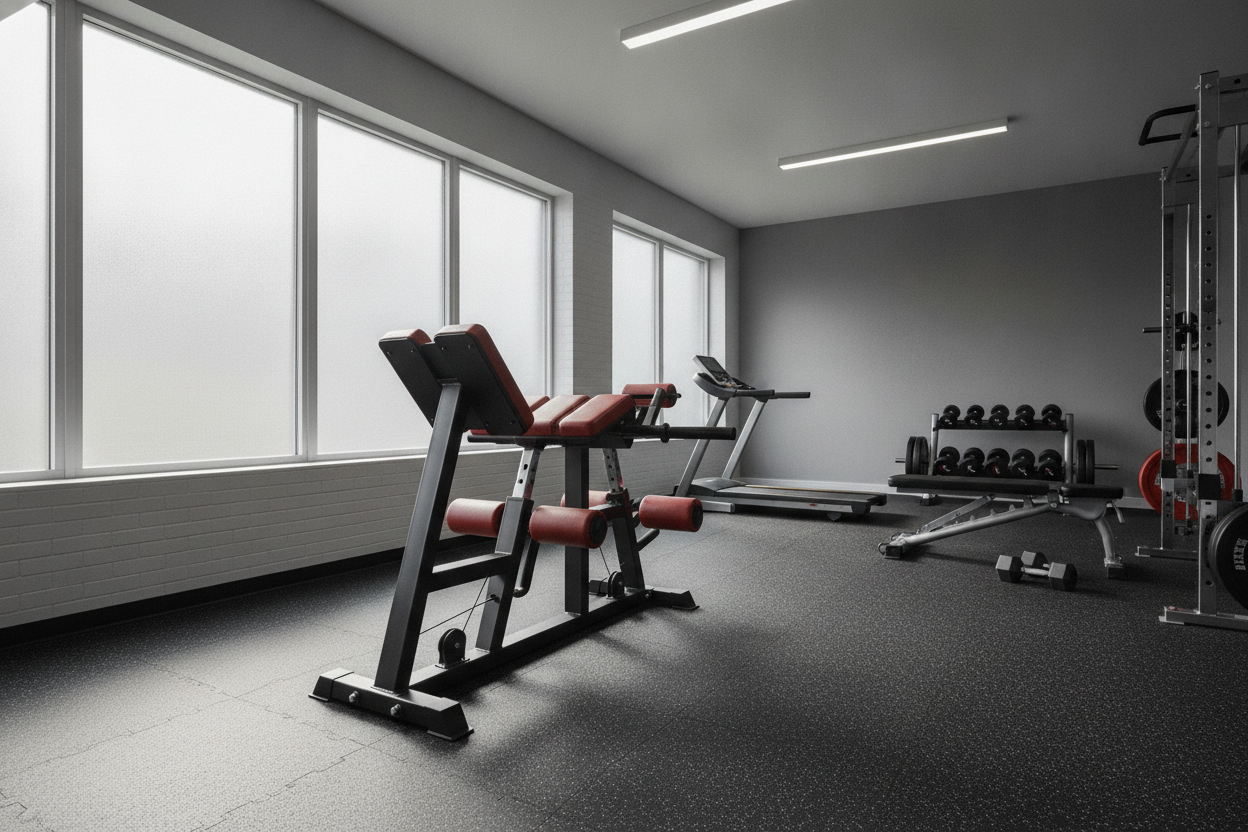
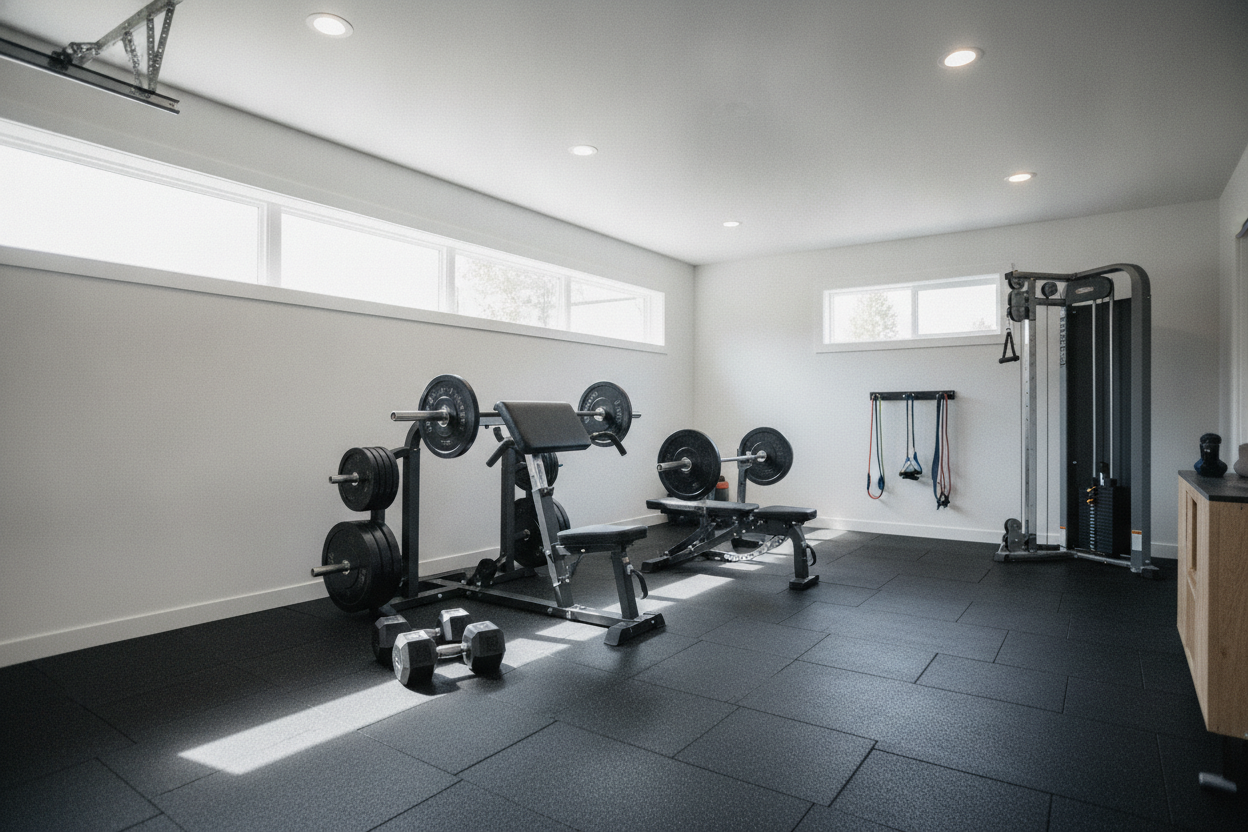
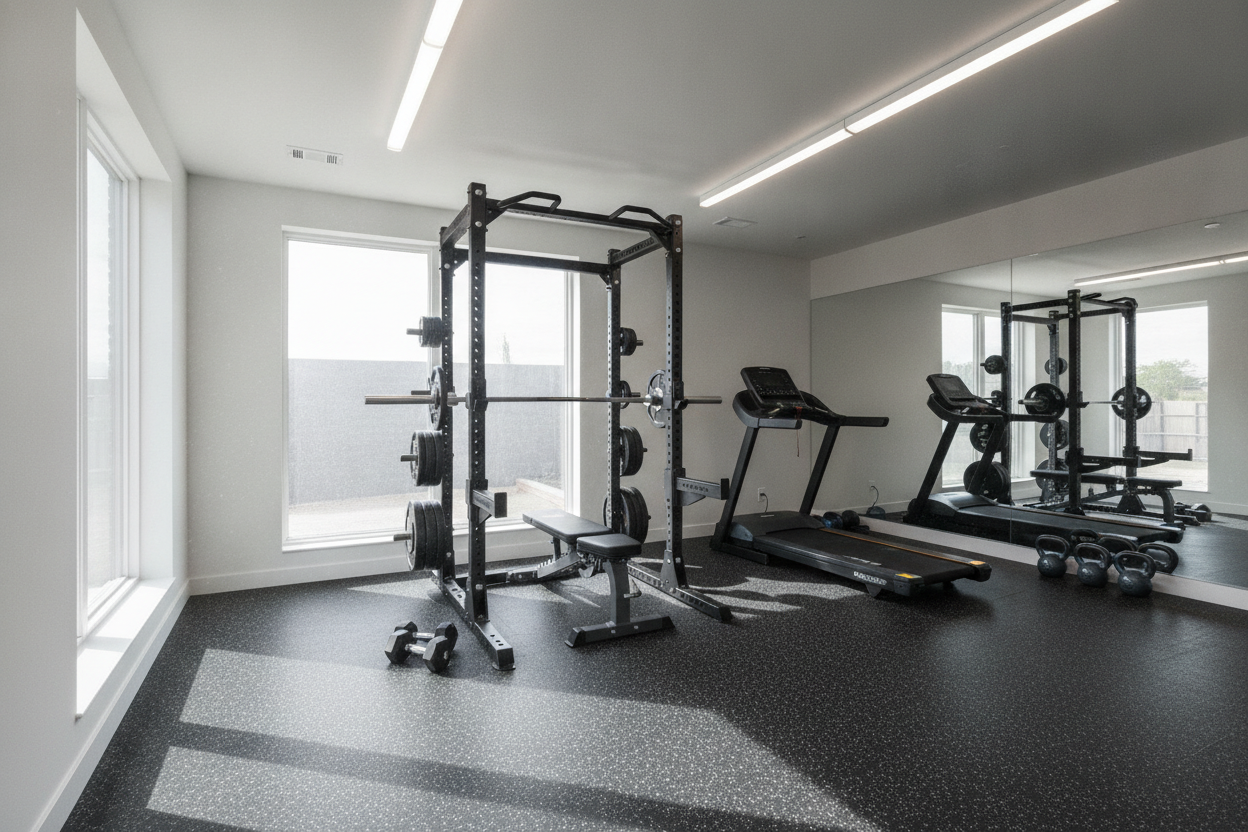
If you're training in a garage or on a spare bedroom floor, don't overlook your foundation. Dropping a 200-lb barbell on bare concrete or trying to balance for a lunge on a slippery hardwood floor is a recipe for a blown ankle. You need a stable, high-density surface that absorbs shock without feeling 'squishy.'
I always recommend a heavy-duty exercise mat for home setups. It protects your subfloor during RDLs and gives your joints a break during those high-impact lunges. Plus, it keeps your rack from sliding around when you're re-racking a heavy set of squats.
Personal Experience: The 10-Exercise Trap
A few years back, I thought more was better. I had a routine with 10 different leg moves. By the time I got to the sixth exercise, my intensity was at 20%. I was just going through the motions. I eventually cut it down to just the four pillars mentioned above. My strength shot up 15% in two months because I could actually put 100% effort into every set. Sometimes, subtraction is the best addition.
Leg Day FAQ
How long should this workout take?
If you're resting properly and warming up, you should be in and out in about 60 to 75 minutes. Anything longer and you're likely just scrolling on your phone between sets.
Can I do this workout twice a week?
You can, but I'd suggest varying the intensity. Do one 'heavy' day focused on lower reps and one 'hypertrophy' day with slightly higher reps and different variations of the four pillars.
What if I don't have a squat rack?
Heavy goblet squats with a large dumbbell or Bulgarian split squats with whatever weight you have can still be incredibly effective. You don't need a $2,000 rack to build wheels, but you do need to push close to failure.