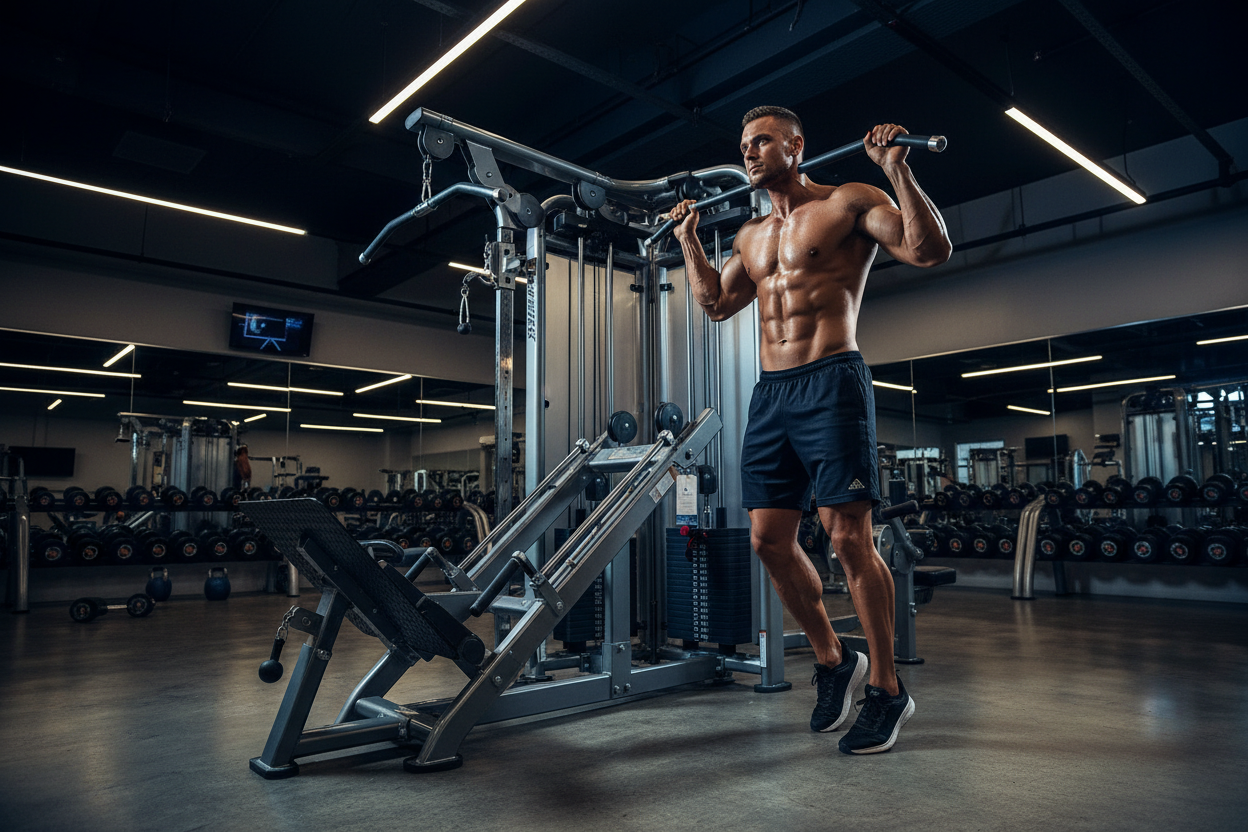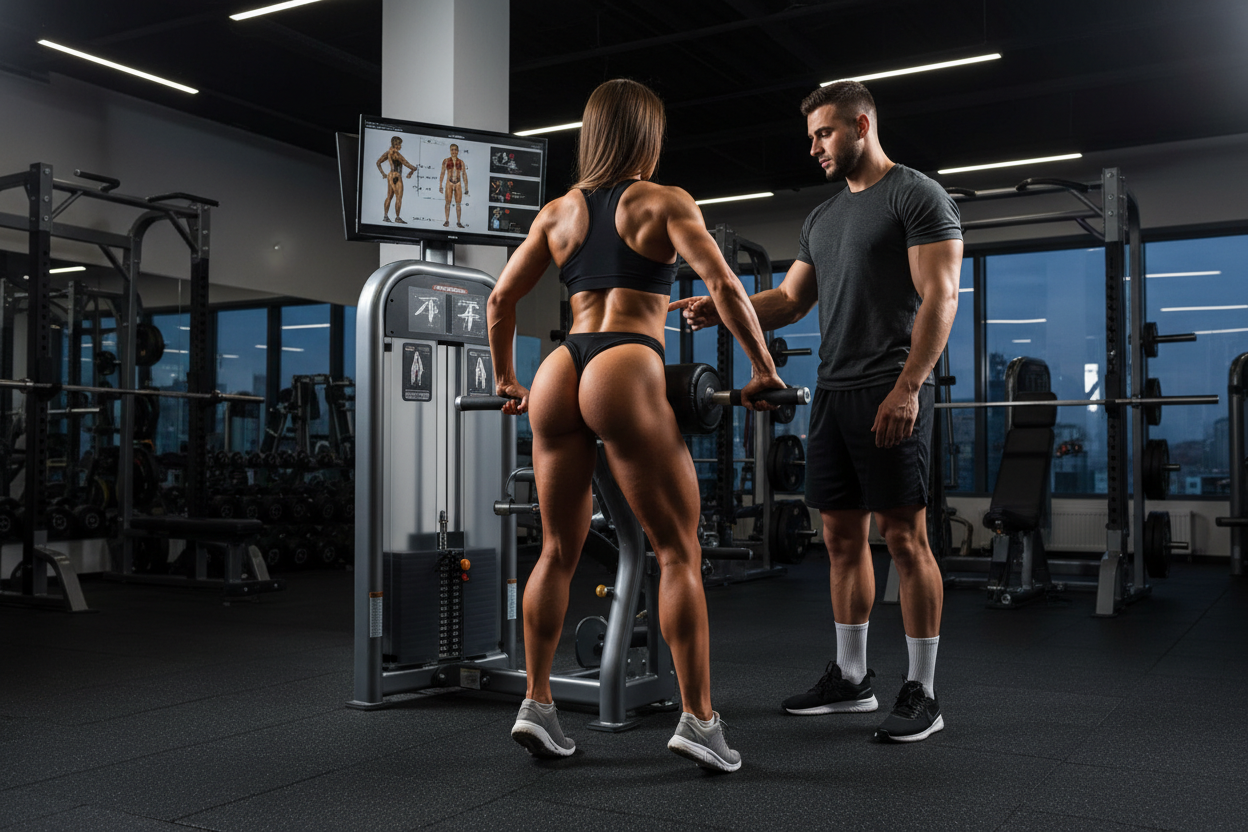
Stop Using the Hip Exercise Machine Wrong (Read This)
You have walked past it a hundred times. It sits in the strength section, often occupied by someone scrolling on their phone between sets. It is the hip exercise machine, and it is arguably the most misunderstood piece of kit on the floor. Many lifters dismiss it as a "finisher" or a waste of time, preferring heavy squats or deadlifts.
That is a massive oversight. When used correctly, this machine targets the gluteus medius and minimus in ways that free weights simply cannot replicate due to stability constraints. If you want to fix knee cave during squats or build that upper glute shelf, you need to stop ignoring this machine and start respecting the mechanics behind it.
Key Takeaways
- Targeted Isolation: It is the most effective tool for isolating the gluteus medius, which stabilizes the pelvis.
- Knee Health: Strengthening the abductors helps prevent knee valgus (knees caving inward) during heavy compounds.
- Volume Tolerance: Unlike squats, the hip machine causes minimal central nervous system fatigue, allowing for high-volume work.
- Positioning Matters: Leaning forward slightly increases glute activation compared to sitting upright.
The Anatomy of the Hip Machine Gym Setup
Before we move weight, we need to understand what we are actually moving. In most commercial facilities, the hip machine at gym setups usually comes in two variations: the Abductor (pushing out) and the Adductor (squeezing in).
While the adductor is great for inner thigh stability, the star of the show for glute development is the gym equipment hip abductor. This movement targets the muscles responsible for moving your leg away from the midline of your body. Why does this matter? Because these are the primary stabilizers of your hip joint. Weak stabilizers mean a weak squat.
The Science of Stability
When you stand on one leg or squat heavy, your glute medius fires to keep your hips level. If it is weak, your hip drops, and your knee collapses inward to compensate. Hip workout machines remove the balance component, allowing you to take these specific muscles to absolute failure safely. You cannot do that with a barbell without risking injury.
How to Execute the Movement Properly
Most people sit down, pin the weight, and start flapping their legs like a bird trying to take flight. This momentum kills your gains.
1. The Setup
Sit deep into the seat. Adjust the pads so they rest comfortably on the outside of your knees. The start position should have your knees close together, but not so close that the weight stack slams down between reps.
2. The "Lean" Hack
Here is a technique tip that changes everything. Instead of sitting back against the backrest, lean your torso forward at the hips (keep your back flat, do not round it). Hold onto the handles or the machine frame in front of you.
By flexing the hips, you put the gluteus maximus into a lengthened position while still hammering the medius. This turns a standard hip machine movement into a glute-building powerhouse.
3. Tempo Control
Explode out for one second. Hold the peak contraction for a full two seconds. This is non-negotiable. Then, take three seconds to return to the starting position. If you cannot hold the weight at the widest point, the weight is too heavy.
Common Mistakes on Hip Machines
Even seasoned lifters get this wrong. The most egregious error is ego lifting. If you are using your entire upper body to jerk the pads open, you are using momentum, not muscle.
Another issue is range of motion. I see people doing "half reps" in the middle of the movement. The magic happens at the end range—the point where your legs are furthest apart. That is where the muscle fibers shorten fully. If your hip machines routine doesn't include that squeeze, you are just moving metal for cardio.
My Training Log: Real Talk
Let’s be honest about the hip exercise machine. It can be awkward. I remember the first time I really committed to growing my glute medius. I was at a crowded commercial gym, and the only machine open was right in the middle of the thoroughfare.
I loaded up the stack, feeling confident. But about halfway through my third set, I realized my mistake. I was wearing slick basketball shorts. As I pushed out against the heavy resistance, my butt actually started sliding up the back pad because I wasn't braced properly. I had to awkwardly shuffle back down mid-rep.
Furthermore, nobody talks about the specific type of cramp you get in your TFL (that little muscle pocket on the side of your hip) when you go too heavy too fast. It feels like a knot being tied in your hip socket. Now, I always check the friction of the seat and I never jump straight to the full stack. I focus on that burn in the upper glute—if I feel it mostly in my outer thigh, I know I'm compensating and need to drop the weight.
Conclusion
The hip exercise machine isn't just a place to sit while you catch your breath. It is a fundamental tool for building a bulletproof lower body. It fixes imbalances, improves your heavy lifts, and builds muscle in areas that free weights miss. Stop worrying about how it looks and start focusing on how it feels. Your squat numbers will thank you.