The Biggest Lie in Almost Every Article on Strength Today
I spent last Tuesday night scrolling through forum threads about 'optimal' bar path while my barbell sat cold in the garage. It is a trap I see lifters fall into every single week. Every article on strength you find online seems to contradict the last one. One guy says you need high-rep hypertrophy; another says if you aren't doing heavy singles, you are wasting your time. It is enough to make you want to sell your rack and buy a yoga mat.
Quick Takeaways
- Most online advice is designed to keep you clicking, not actually lifting.
- Progressive overload does not require a PhD or fancy velocity sensors.
- A basic 3x3 steel power rack and a quality bar are 90% of the battle.
- Stop changing your program every three weeks just because you saw a new 'hack.'
The Endless Loop of Internet Lifting Advice
Analysis paralysis is the silent killer of garage gym progress. I have seen guys spend $50 on a spreadsheet for a 'Russian Squat Program' before they even own a pair of decent lifting shoes. They worry about whether their rest periods should be exactly 180 or 210 seconds. Meanwhile, the guy in the next town over just grinding out simple sets of five is getting significantly stronger. Most strength articles thrive on making things sound complicated so you feel like you need a guide. They want you to think that without their specific 'periodization model,' your muscles will simply refuse to grow.
The reality of training alone in a garage is that you do not have a coach blowing a whistle. You have to be the coach. When you spend three hours a day reading about the 'perfect' routine, you are stealing energy from the actual workout. I have fallen for it too. I once spent an entire month tweaking a spreadsheet until it looked like a NASA flight plan, only to realize I had not added five pounds to my bench in three months. If you are spending more time on Excel than on the platform, your priorities are skewed.
What the Algorithm Gets Wrong About Heavy Iron
The algorithm wants engagement, not your personal record. Basic barbell mechanics—keeping the bar over mid-foot, bracing your core, and staying consistent—do not get clicks. What gets clicks is 'The One Secret Move for Massive Triceps' or 'Why Squatting is Killing Your Gains.' Most content is just a vehicle for a supplement ad or a $200-a-month coaching app. They ignore the fact that iron is honest. You either move the weight or you do not. There is no 'bio-hack' for a 405-lb deadlift.
When you read a typical article on strength, look at who wrote it. Is it someone who actually trains in a cold garage with mismatched plates, or is it a content creator in a lighting-controlled studio using calibrated plates they did not pay for? There is a massive difference. The advice for someone with a 24-hour commercial gym and ten different cable machines does not apply to us. We need movements that provide the biggest bang for our buck because our space and equipment are finite. The algorithm hates 'boring' basics, but boring basics are what build real-world power.
The Unsexy Reality of Progressive Overload
You do not need micro-loading, specialty chains, or bands to start seeing results. You need three things: volume, intensity, and recovery. If you did 225 lbs for 5 reps last week, try for 6 reps this week. Or add five pounds and do 5 reps again. That is it. That is the 'secret' people hide behind paywalls. I have wasted months trying to 'periodize' my training with complex waves and RPE calculations when I should have just been adding a rep here and there. It is not flashy, but it works.
Intensity matters too. You cannot just go through the motions. If your last set of squats feels like a warm-up, you are not getting stronger. But you also cannot redline every single day. The balance between pushing hard and knowing when to back off is something you only learn by moving weight, not by reading about it. Recovery is the third leg of the stool. If you are sleeping four hours a night and living on coffee, no 'strength article' in the world is going to fix your plateau. Eat more steak, sleep more hours, and keep the movements simple. Squat, press, pull. Repeat for five years.
Build a Garage Setup That Actually Gets Used
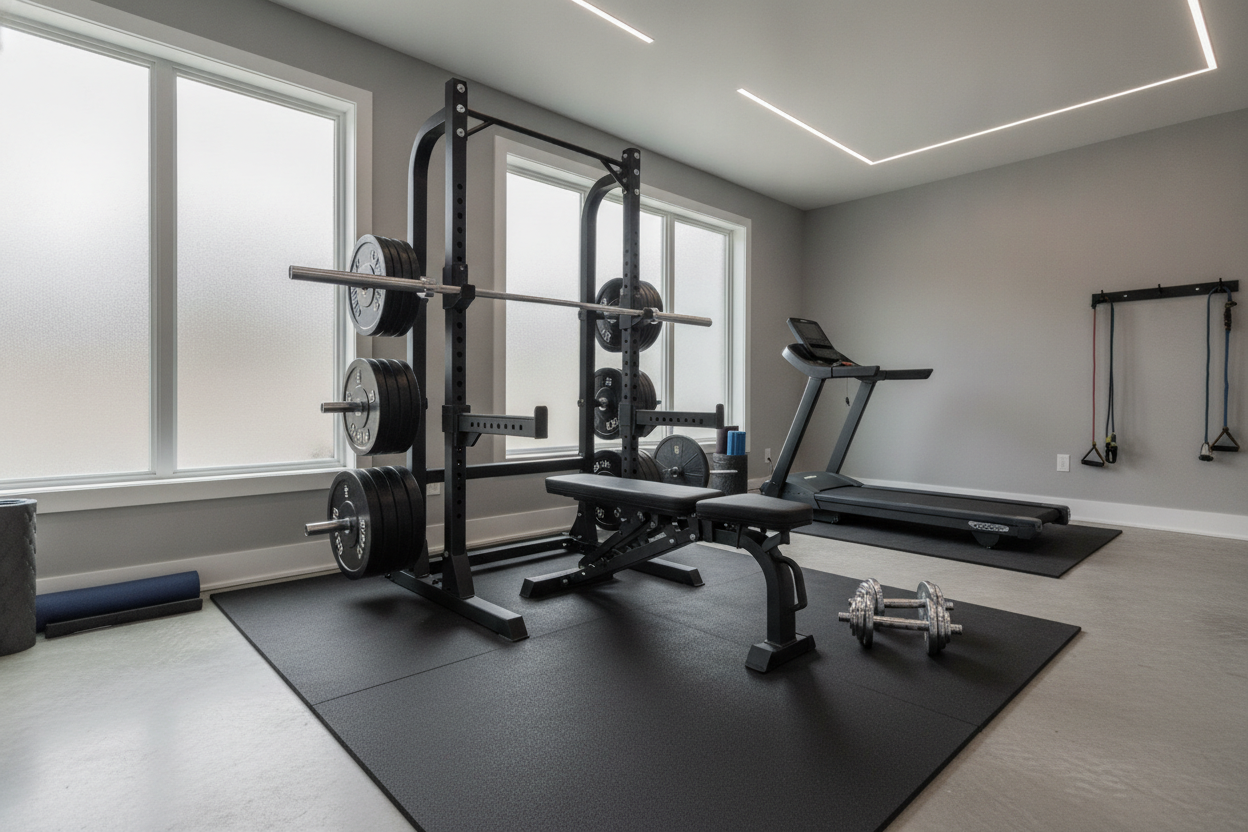
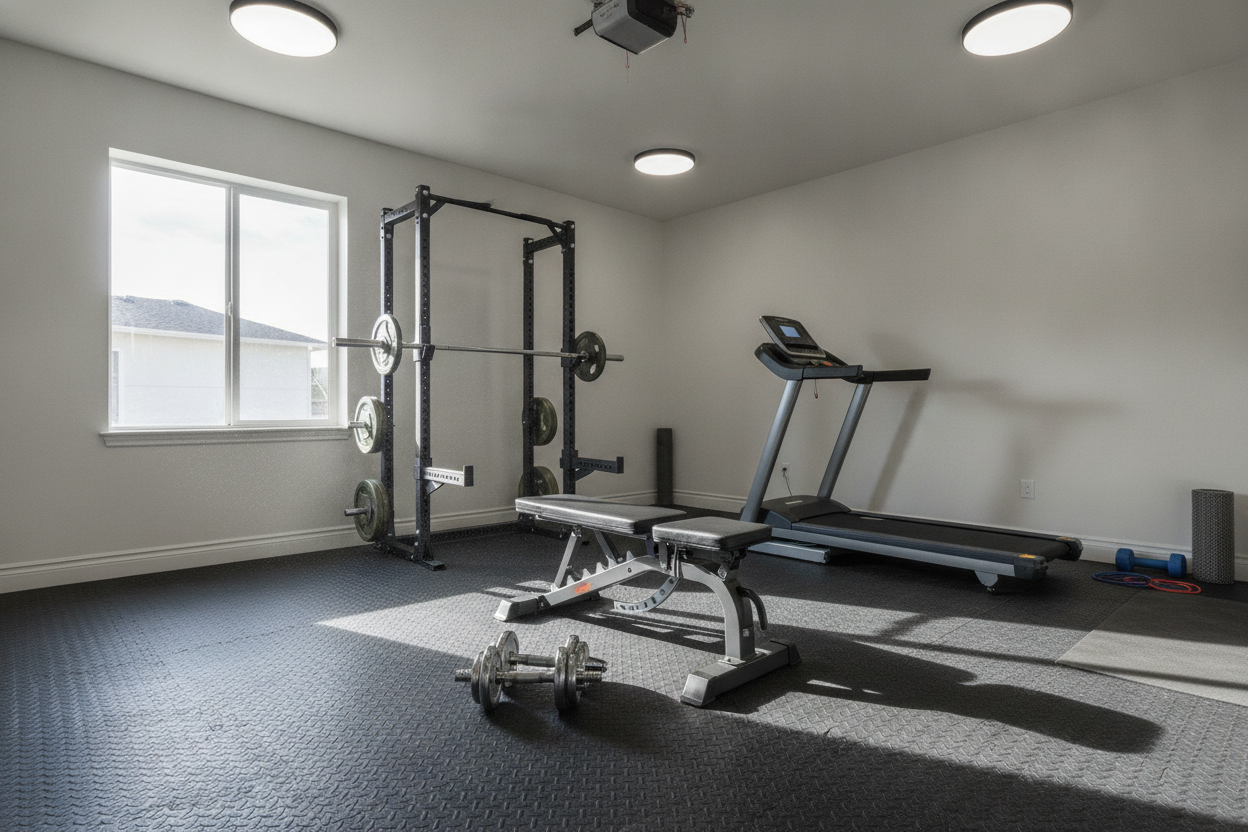
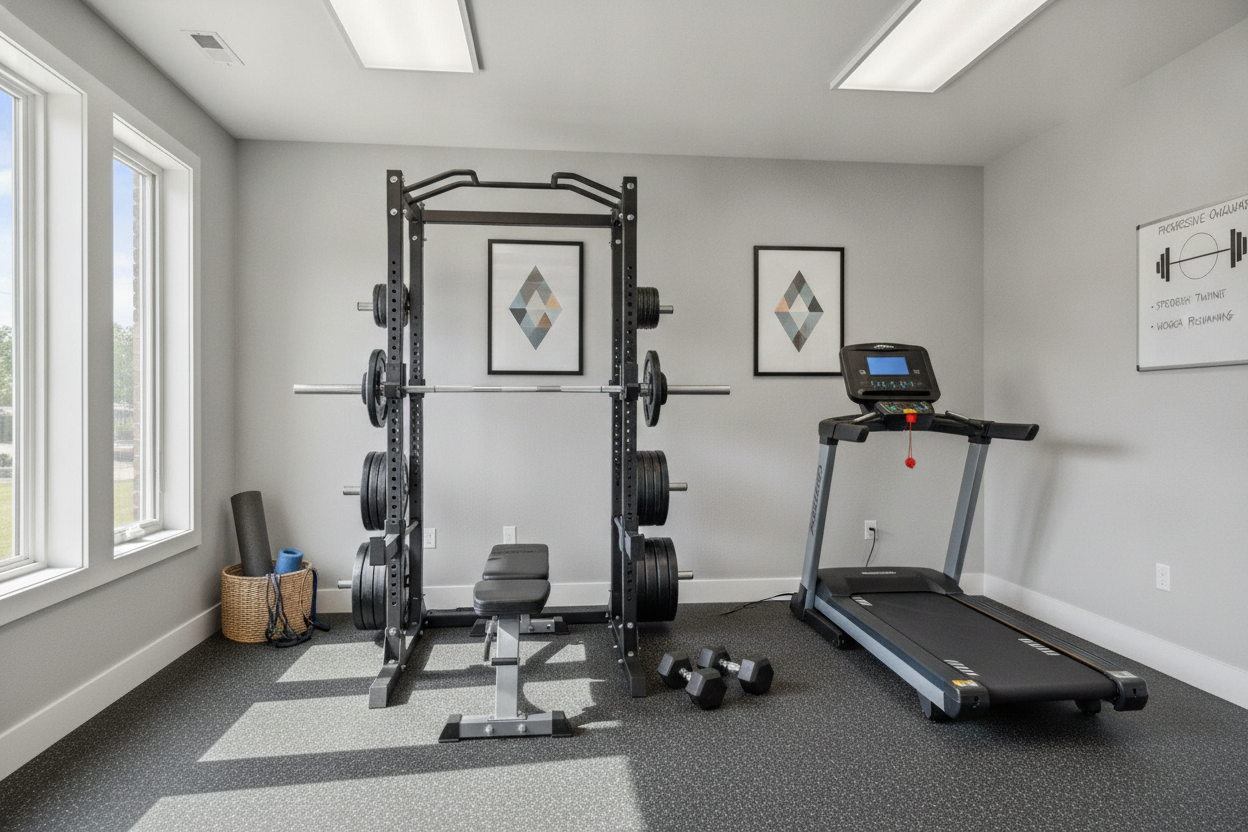
Stop looking at the $5,000 racks with laser-cut numbers and integrated TV screens. You need a 3x3 steel rack with 1-inch holes and a bar with decent knurling that won't cheese-grate your hands but won't slip when you sweat. If you are handy and want to save your budget for high-quality bumpers, you can even construct your own power rack to get the job done. The goal is a reliable environment where you feel safe pushing yourself.
You need a 45-lb bar, about 300 lbs of iron, and a floor that won't crack when you drop a deadlift. Everything else is just decor. I have seen guys with 'dream gyms' who never train because the space feels too precious. My best sessions happen in a messy garage where I don't care if a little chalk gets on the floor. Focus on the essentials first. A solid flat bench, a pull-up bar, and enough weight to make you nervous. Once you can squat double your bodyweight, then you can worry about whether you need a dedicated leg press machine.
When You Actually Need to Do the Research
Research is not all bad; it just needs to be targeted. If your shoulder clicks every time you press or your lower back feels like it is on fire after deadlifts, stop grinding and start reading. You might need to deep-dive into how to improve shoulder strength through better scapular movement and rotator cuff stability. That is a valid use of your time. Fixing a leak in the system is smart; trying to rebuild the entire engine every week is just procrastination.
Use specific research to solve specific problems. If your grip is failing on deadlifts, look up grip training. If your lockout is weak, look up rack pulls. But do not let the 'research' phase bleed into your training time. I keep my technical reading for the weekends. During the week, my only job is to execute the plan. Most strength articles are entertainment. Treat them as such until you have a specific problem that needs a technical solution.
Close the Browser and Go Move Some Weight
Put the phone down. The best program in the world is the one you actually finish. You will not find gains in a comment section or a 20-minute YouTube video about 'optimal' foot placement. Go out to the garage, turn on the fan, and move the bar. The iron does not care about your spreadsheet or your favorite fitness influencer. It only cares about gravity. Stop over-analyzing and start lifting. Your future self will thank you for the calluses.
Personal Experience: The Bluetooth Blunder
I once bought a 'velocity-based training' sensor for $300 because a strength article told me I was training too slow. I spent more time syncing the Bluetooth and checking my phone between sets than I did actually squatting. One day the battery died mid-set, and I realized I felt better just listening to my body and the speed of the bar. I sold the sensor for half what I paid two weeks later. Stick to the basics; they have worked for a hundred years for a reason.
FAQ
How often should I change my routine?
Not for at least 12 to 16 weeks. You need time to actually adapt to the movements. Consistency beats novelty every single time.
Do I need a lifting belt?
Not right away. Build a solid base of core strength first. Once you are moving 1.5x your bodyweight on squats, a belt can help you stay rigid for those top-end sets.
What is the best barbell for a home gym?
A multi-purpose bar with a 28.5mm diameter is the sweet spot. It is stiff enough for squats but has enough whip for cleans if you decide to get fancy later.