Muscle Confusion Is Ruining Your Workouts for Building Muscle Mass
I remember scrolling through some influencer feed at 11 PM, watching a guy do a handstand on a BOSU ball while curling a kettlebell. He called it muscle confusion. I call it a great way to stay small and look like a clown. If you are constantly hunting for the latest workouts for building muscle mass, you are likely falling into the trap of novelty over necessity. I have spent a decade in my garage, testing everything from $3,000 power racks to $20 resistance bands, and the guys who grow the most are always the ones doing the most boring stuff.
Quick Takeaways
- Muscle confusion is a marketing tactic, not a biological requirement for growth.
- Hypertrophy requires repetitive, escalating stress on the same movement patterns.
- Real tissue growth happens in the second half of a 12-week block.
- Track your reps and sets in a physical logbook to ensure progressive overload actually happens.
The Muscle Confusion Myth Keeping You Small
Your body is an adaptation machine. It does not want to carry extra muscle; it is metabolically expensive and heavy. To force it to grow, you have to convince it that the current load is a threat to survival. When you switch from a barbell row to a cable row every week to shock the muscle, you never get efficient enough at either to actually push the intensity. You are just practicing new movements instead of training them. Workouts for gaining muscle should feel like a job, not a variety show.
The fitness industry pushes variety because variety sells subscriptions. It is hard to sell a program that says 'do these same five lifts for the next 90 days.' But your biology does not care about your boredom. It cares about mechanical tension. If you are constantly changing the angle, the grip, and the equipment, you are never creating the specific, repetitive stress required for muscle mass increase exercise to actually work.
What Actually Makes a Mass-Building Program Work
The unsexy reality is that weight training programs for muscle gain live and die by progressive overload. This does not always mean adding a 45-lb plate every week. Sometimes it means adding a 1.25-lb micro-plate, or simply doing the same weight for one extra rep with better form. Stop Obsessing Over 8-12 Reps in Workouts for Building Muscle Mass and start focusing on whether you are actually doing more work than you did last Tuesday. That is the only metric that matters.
Mechanical tension is the primary driver of growth. This happens when a muscle fiber is stretched and contracted under a heavy load. To maximize this, you need to be proficient in the movement. If your form is shaky because you just started a new muscle build gym routine, your nervous system will limit the amount of force you can produce to protect your joints. You are literally leaving gains on the table by being a 'beginner' at a new exercise every two weeks.
The 12-Week Commitment Rule
Most guys quit a program after three weeks because they do not see a massive change in the mirror. That is a rookie mistake. The first month of any new workout to get bigger is almost entirely neurological. Your brain is just learning how to fire the right motor units in the right order. You are getting stronger, sure, but you are not getting bigger yet. Real hypertrophy—the actual packing on of protein filaments—does not kick into high gear until weeks 8 through 12.
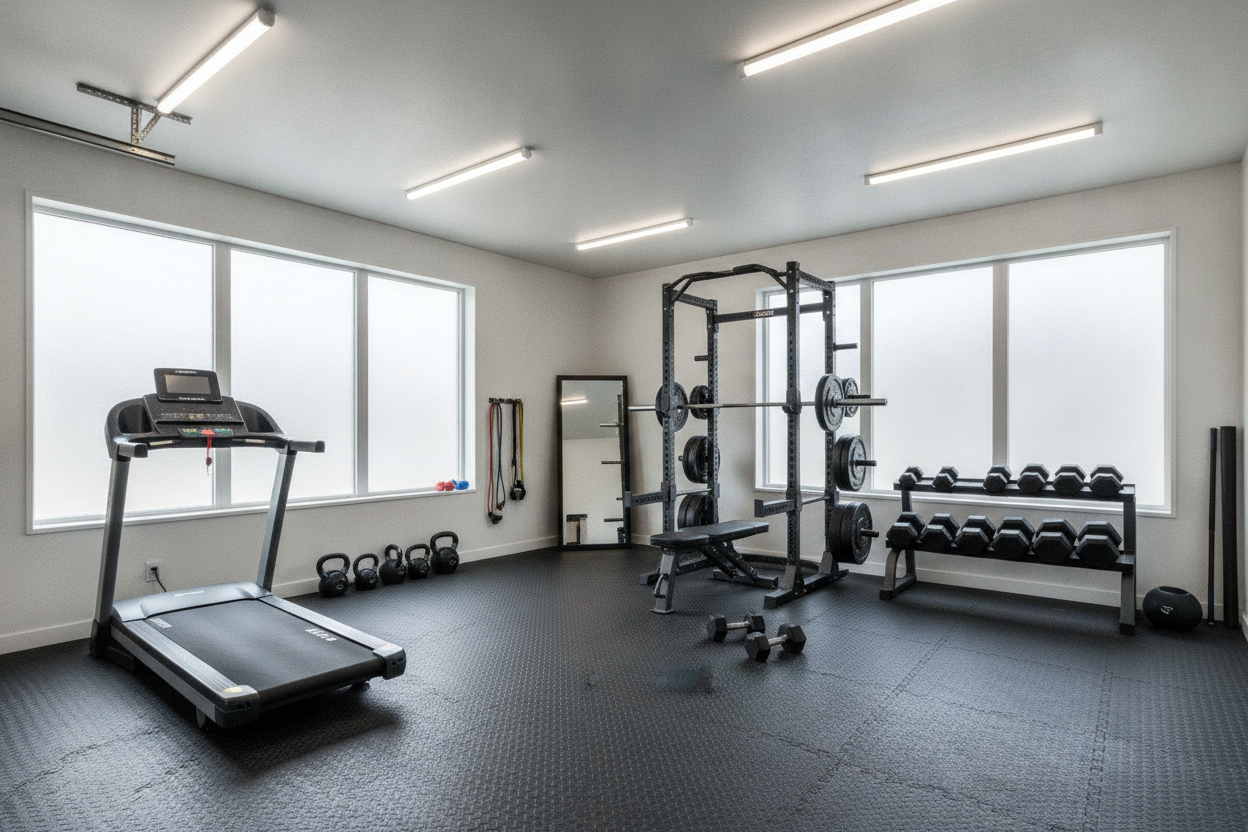
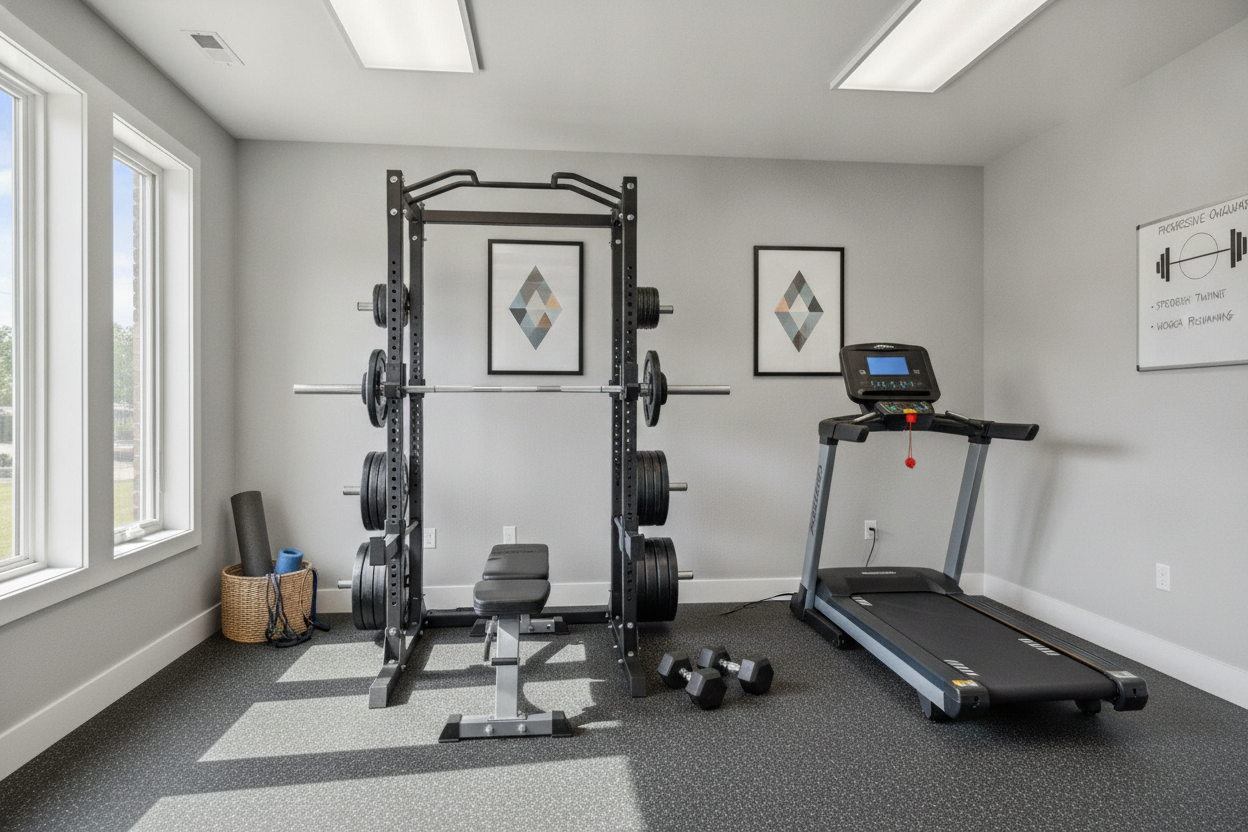
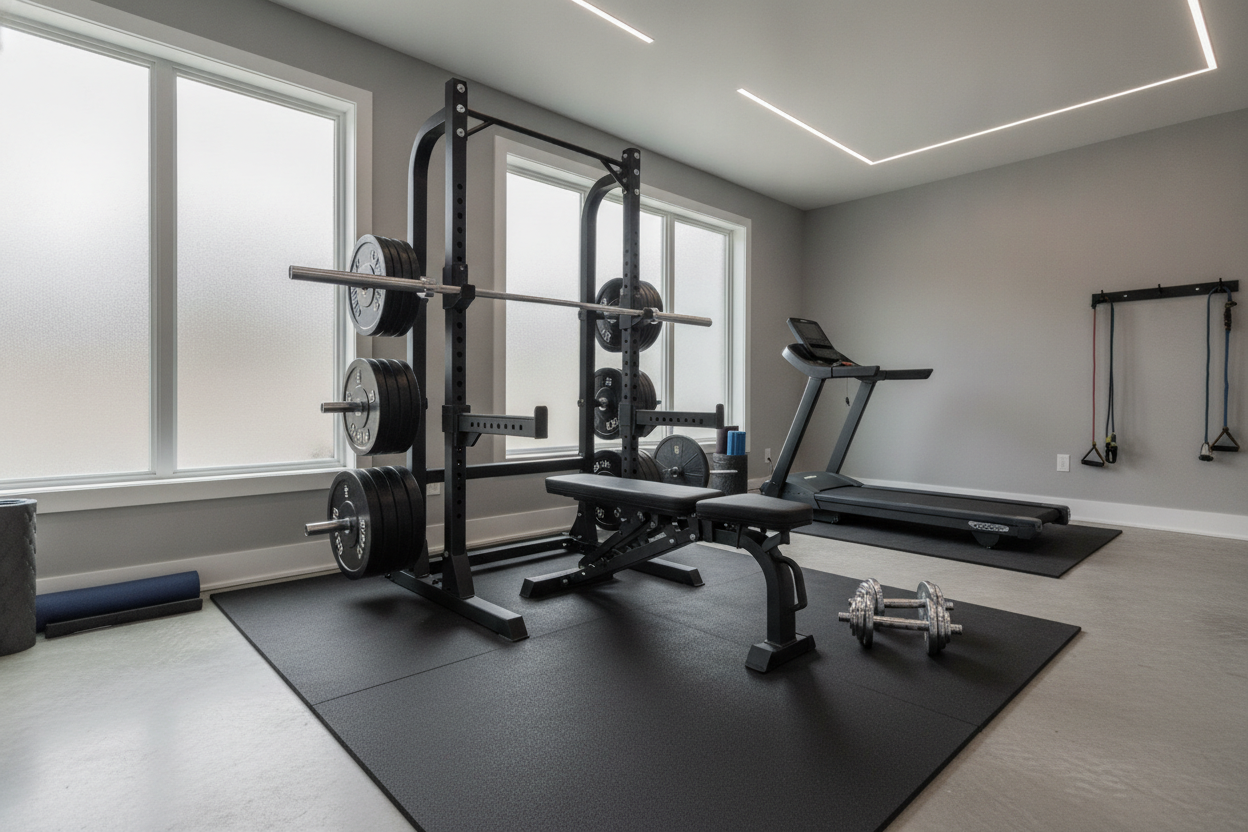
If you are training at home, you need to set up a space where you can actually grind. Get a solid 6X8Ft Exercise Mat Yoga Mat Gym Flooring For Home Workout so you can stay planted during heavy squats and deadlifts without sliding on bare concrete. Having a dedicated, stable surface makes it easier to respect the 12-week grind. When you have a professional setup, you stop treating your muscle mass workouts for men like a hobby and start treating them like a project.
How to Tell If Your Routine Needs a Tweak (Not a Trash Can)
You should only change an exercise if one of three things is true: you have actual joint pain that does not go away with form adjustments, you literally do not have the equipment to do it properly, or you have hit a total plateau for three weeks straight despite perfect sleep and diet. If you are just bored, suck it up. Workouts for gaining mass are supposed to be repetitive. If you want entertainment, go to the movies. If you want muscle mass workouts, stay in the rack.
Make Your Lifts Harder, Not Different
Instead of looking for a new how to build muscle mass workout, look for ways to make your current one more miserable. Slow down the eccentric phase. Pause at the bottom of your bench press. Stop Buying More Plates for Your Workouts to Gain Muscle Mass and instead focus on perfecting your execution. If you can't feel the target muscle working, adding more weight or changing the movement is just feeding your ego, not your muscles.
Pick five compound movements. Write them in a notebook. Execute them with workout building intensity for three months. I once spent an entire winter doing nothing but weighted chin-ups, overhead presses, and lunges. No 'fancy' cable work, no 'muscle shocking' supersets. I put on more size in those three months than I did in the previous year of program hopping. Consistency is the only 'secret' left in the gym.
Personal Experience
Early in my training, I was the king of the 'New Program' PDF. I had a folder full of them. I’d run a best workout to gain muscle for three weeks, feel like I wasn't 'sore' enough, and swap it for something else. I stayed at a soft 175 lbs for years. It wasn't until I forced myself to stick to a basic 5x5 routine for a full four months—even when I hated it—that I finally broke 190 lbs. Soreness is not growth; progress is growth.
FAQ
How often should I change my workout?
Every 12 to 16 weeks is the sweet spot. Even then, you should only swap out your accessory lifts. Keep your main compound movements the same for as long as you are making progress.
Is muscle confusion real?
In a literal sense, no. Your muscles don't have brains; they don't get 'confused.' They only respond to tension, metabolic stress, and damage. Changing exercises too often actually prevents these from occurring optimally.
How do I know if I'm gaining muscle or just fat?
Track your strength. If your workouts for gaining muscle mass are resulting in more weight on the bar over time, and your waist size isn't ballooning, you're likely putting on lean tissue.