I Traded Heavy Lifts for a Light Workout Plan (And Felt Better)
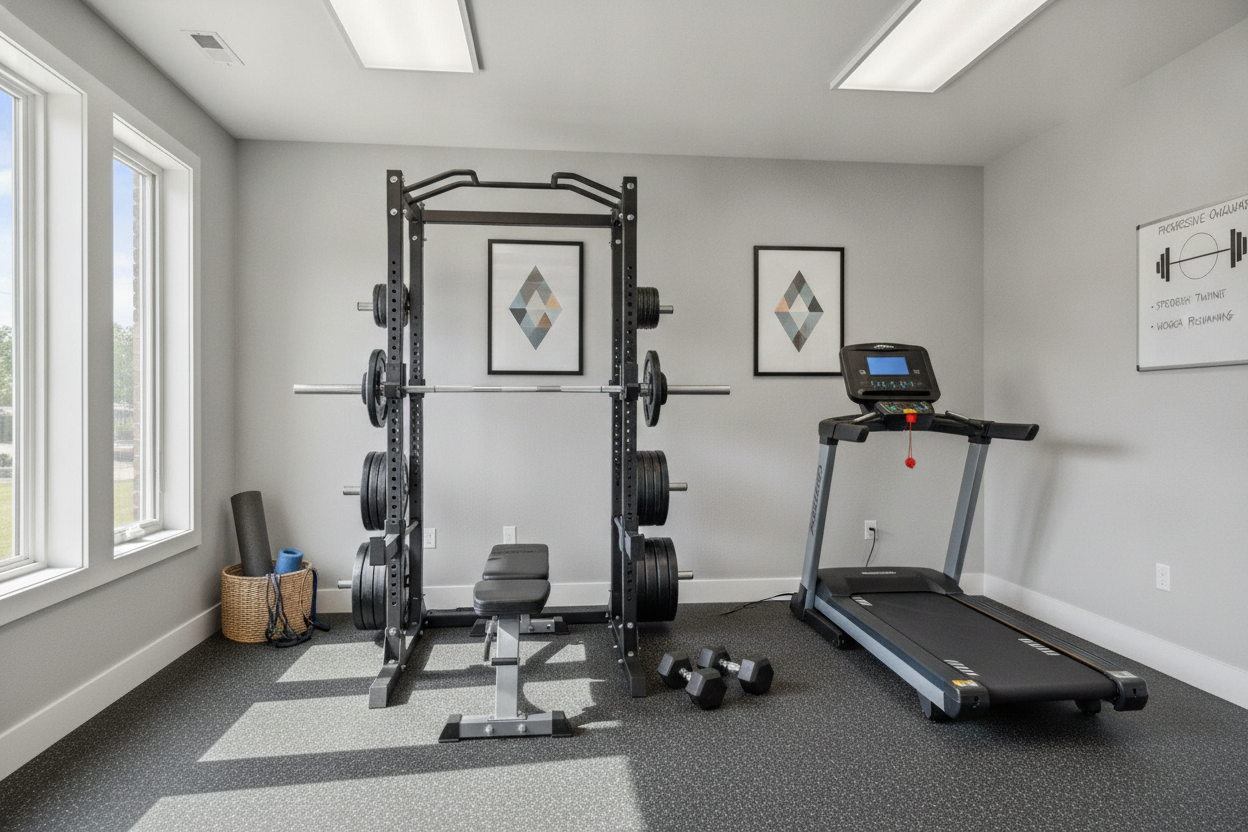
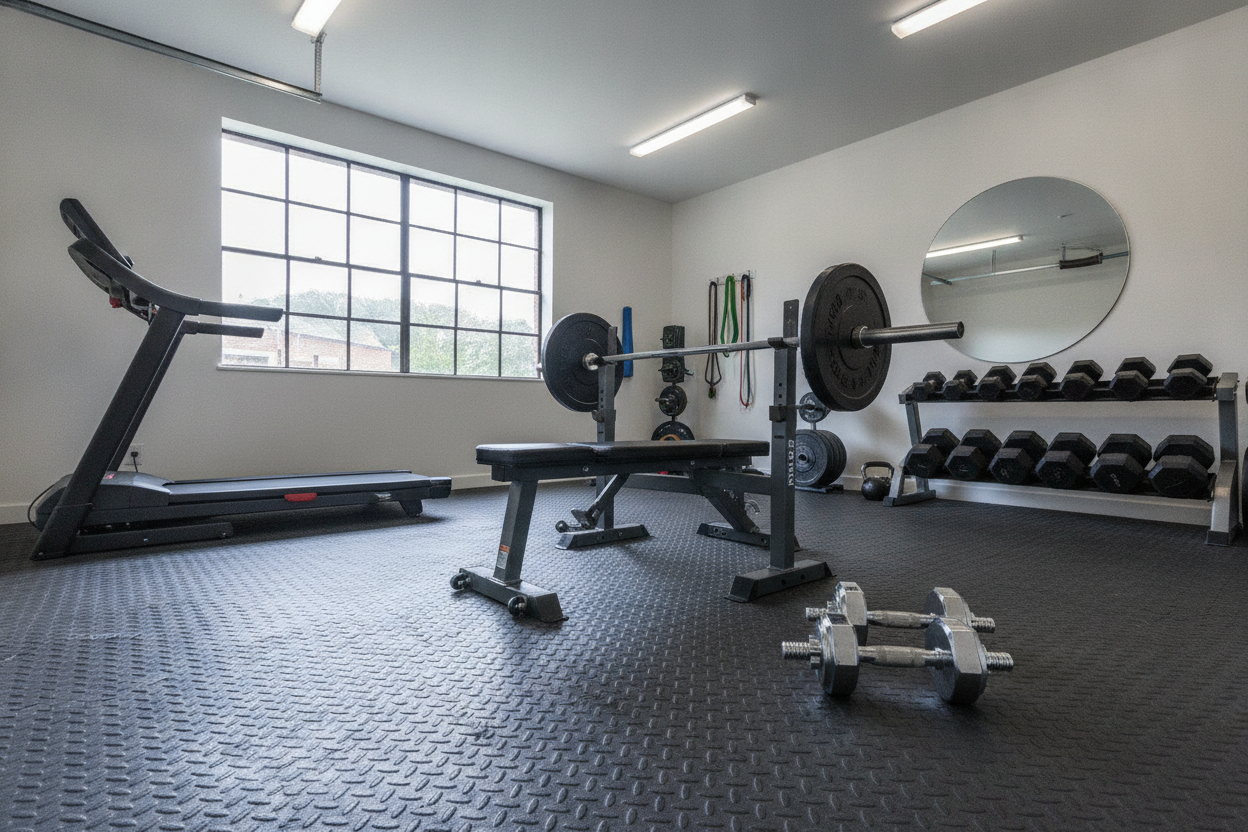
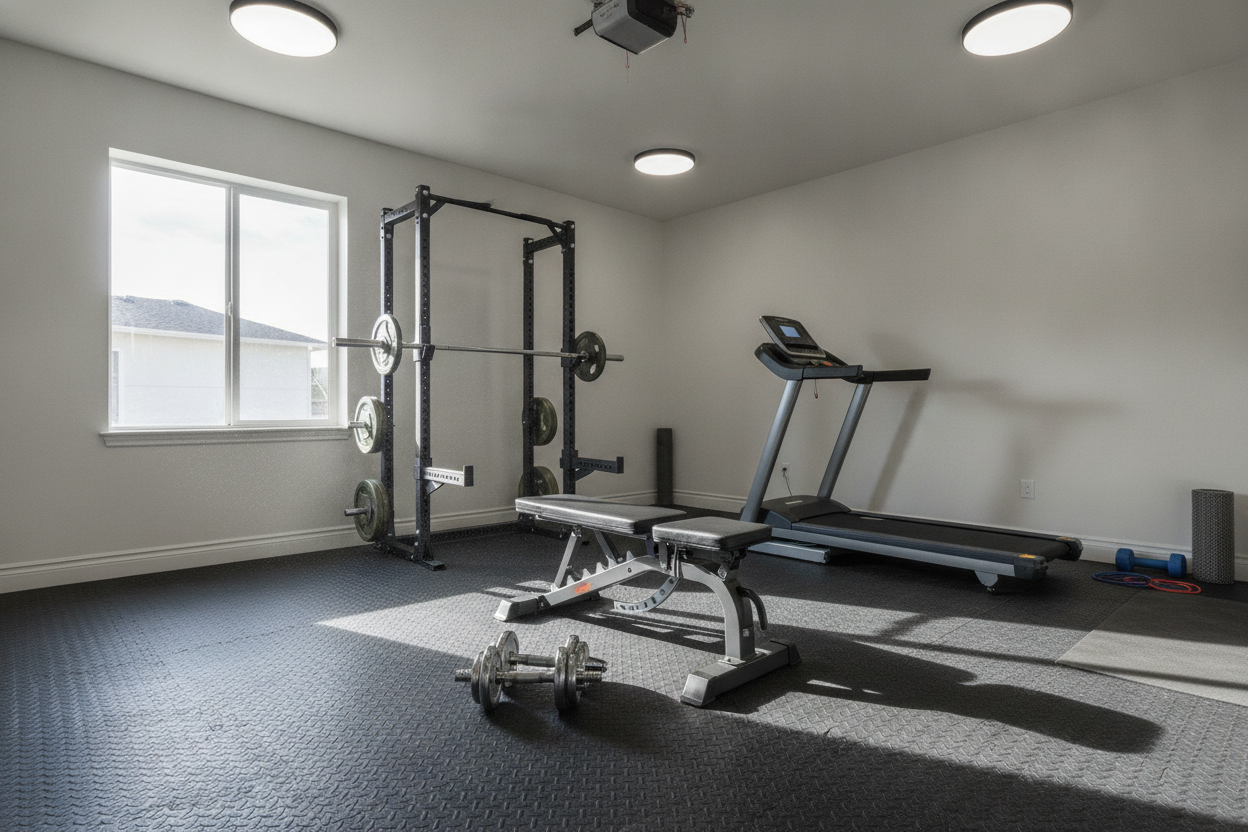
I was staring at my power rack last Tuesday, and for the first time in years, I didn't want to touch it. My lower back was cranky, my coffee wasn't hitting, and the thought of another heavy triple made me want to go back to bed. I've spent a decade chasing PRs and testing the knurling on every barbell I could get my hands on, but sometimes your body just says 'enough.' That's when I stopped pretending I was a machine and embraced a light workout plan.
- Intensity is a dial, not an on/off switch.
- CNS fatigue can sabotage your progress faster than a bad diet.
- Submaximal training is the secret to long-term joint health.
- Consistency beats intensity during high-stress seasons.
Why 'Go Hard or Go Home' is Actually Garbage Advice
The fitness industry loves to sell the image of a guy screaming through a 500-lb deadlift with veins popping out of his neck. It's great for Instagram, but it's a terrible blueprint for daily life. When you're juggling a 50-hour work week or a newborn, your Central Nervous System (CNS) is already under fire. Piling on maximum intensity in the gym doesn't make you 'hard'—it makes you injured. I've seen too many people try to grind through a novice workout plan while they're redlined, only to end up with a snap-city injury or total burnout.
Fatigue is cumulative. It doesn't care if it comes from a heavy squat or a stressful board meeting. When you push your body to 100% every single day, you aren't building muscle; you're just digging a recovery hole that you'll eventually fall into. A smart lifter knows when to back off. Choosing a lower intensity isn't a sign of weakness; it's a sign that you actually understand how biology works. If you're feeling sluggish, forcing a heavy session is the fastest way to ensure you'll be out of the gym for a month instead of just a week.
The Difference Between Being Lazy and Being Smart
Let's get one thing straight: dialing back the intensity is not an excuse to sit on the couch eating chips. There is a massive difference between active recovery and being sedentary. When I switched to a lighter routine, I wasn't doing less work—I was doing different work. I focused on submaximal training, which means lifting weights that feel 'easy' but allow you to move with perfect, robotic form. This is a concept you'll find in the best workout guides for beginners, and it's something advanced lifters often forget.
The goal here is to groove the movement patterns. By keeping the RPE (Rate of Perceived Exertion) around a 5 or 6 out of 10, you avoid the severe Delayed Onset Muscle Soreness (DOMS) that can ruin your productivity the next day. You're still stimulating the muscles and keeping the habit alive, but you're leaving plenty of gas in the tank. It’s about longevity. I'd rather have twenty years of 'good' workouts than two years of 'insane' ones followed by a hip replacement. Smart training means knowing when to cruise and when to floor it.
My 3-Day Low-Intensity Blueprint
When life gets chaotic, I drop my 5-day powerlifting split and move to a 3-day low-intensity structure. This provides enough stimulus to maintain my muscle mass while giving my joints plenty of time to de-inflame. Spacing out the workout days for beginners or burnt-out vets is the key. You want enough time between sessions that you feel genuinely refreshed when you walk back into your gym space, not like you're heading to a second job.
Day 1: Ground-Based Mobility and Isometrics
Day one is all about getting off the heavy machines and getting onto the floor. I spend the entire session on a large exercise mat because hardwood is a nightmare for your knees and elbows during long holds. I focus on isometrics—think 60-second planks, 90-second glute bridges, and bird-dogs. Holding these positions builds incredible connective tissue strength without the shearing force of a heavy barbell. This is essentially the perfect workout routine for beginners who need to build a foundation before they worry about how much they can bench.
Day 2: Tempo Bodyweight Movements
On day two, I stick to bodyweight but I change the tempo. Instead of cranking out fast squats, I do a 4-second descent, a 2-second pause at the bottom, and a controlled ascent. This increases time under tension without needing a single pound of external weight. It's a humbling way to realize your form probably isn't as good as you thought it was. Using this controlled approach is a staple in any proper workout plan for beginners because it forces you to own every inch of the movement. It turns a standard air squat into a legitimate muscle-builder.
Day 3: The 20-Minute Loaded Carry
Day three is the simplest of all. I pick up a pair of dumbbells—usually my 50-lb set—and I just walk. For 20 minutes, I alternate between farmer's carries, rack carries, and overhead carries. It elevates the heart rate in a way that feels productive rather than draining. It reinforces core stability and grip strength while keeping your feet moving. There's something primal about carrying heavy stuff that just feels better than running on a treadmill. It's the ultimate 'low-intensity' finisher that still builds a massive amount of 'real-world' strength.
How to Transition Back to Heavy Lifting (When You're Ready)
The temptation to go back to 100% the second you feel a spark of energy is high, but resist it. You need a roadmap. When my stress levels drop and my joints feel 'greased,' I don't just jump back into a max-effort novice workout plan. I start by adding 10% of my weight back each week. If I was squatting 315 before the break, I don't start at 315. I start at 185 and work my way up over a month. This ramp-up phase is where the magic happens—your body is fresh, your form is dialed from the light work, and you'll often find you're stronger than before.
Think of the light phase as a 'reboot' for your system. Once you've completed a few weeks of submaximal work, you can slowly reintroduce the bigger movements. Start with one heavy day a week, then two, until you're back to your preferred volume. If at any point your joints start screaming again, you have the tools to back off. Consistency is the only thing that matters in the long run, and a light plan is the bridge that gets you through the tough times. Transitioning back to a more intense novice workout plan should be a calculated move, not an emotional one.
FAQ
Will I lose muscle if I stop lifting heavy for a few weeks?
Absolutely not. It takes much less effort to maintain muscle than it does to build it. You can maintain your current mass with about 1/3 of your normal volume, provided you keep your protein intake high.
Can I do this light plan every day?
You could, but I wouldn't. The point is to give your CNS a break. Stick to 3 or 4 days a week and use the off days for actual rest or light walking. Don't turn a recovery plan into another source of stress.
Do I need expensive equipment for a light routine?
No. Most of this can be done with bodyweight, a decent mat, and maybe one heavy-ish object like a kettlebell or a sandbag. It's more about how you move than what you're holding.