Sumo Deadlift: How to Do It and Sumo vs Conventional
Quick answer: To do a sumo deadlift, take a wide stance with your toes turned out about 30–45° and your shins close to the bar. Grip the bar inside your legs, about shoulder-width, with straight arms. Push your knees out over your toes, lift your chest, brace, then push the floor apart with your feet as you stand up, keeping the bar close. Lock out with your hips and lower it the same way. Compared with a conventional deadlift, the sumo has a more upright torso and shorter range of motion, using more quads and inner thighs.
Key takeaways
- Wide stance, toes out, knees out, tracking over your toes.
- Hands inside the legs, arms hanging straight down.
- Chest up, hips close to the bar.
- "Spread the floor" rather than just pulling up.
- Neither style is better; pick the one that fits your body and feels strongest.
Sumo vs conventional deadlift
| Sumo | Conventional | |
|---|---|---|
| Stance | Wide, toes out | Hip-width |
| Grip | Inside the legs | Outside the legs |
| Torso | More upright | More bent over |
| Range of motion | Shorter | Longer |
| Muscle emphasis | Quads, adductors, glutes | Hamstrings, glutes, lower back |
| Hardest part | Breaking the bar off the floor | Lockout and lower back position |
| Hip mobility needed | More | Less |
Learning to deadlift? Start with our conventional deadlift guide, then try sumo to compare.
Muscles worked
- Glutes: drive the hips forward to lock out.
- Quads: push the floor away off the ground.
- Adductors (inner thighs): work hard in the wide stance.
- Hamstrings and back: keep the bar close and your back flat.
- Grip and upper back: hold the bar and keep your chest up.
How to sumo deadlift: step by step
- Stance: feet wide enough that your shins are close to vertical at the bottom, often about 1.5–2× shoulder width. Toes out 30–45°.
- Bar position: bar over your midfoot, about an inch from your shins.
- Grip: hinge down and grab the bar shoulder-width, inside your legs.
- Set your hips: push your knees out and bring your hips toward the bar, chest up.
- Brace: big breath, tight core, lats engaged.
- Pull the slack: pull up on the bar until it's tight against the plates.
- Push: drive your feet out and down, letting the bar break off the floor slowly at first.
- Lock out: stand tall with glutes squeezed. Lower under control.
Common mistakes
| Mistake | Fix |
|---|---|
| Knees caving in | Push knees out over toes; narrow your stance slightly |
| Stance too wide | Find a width where shins are close to vertical |
| Hips too high (turns into a stiff-leg pull) | Bring hips closer to the bar before pulling |
| Jerking the bar | Pull the slack out and push smoothly |
| Bar drifting forward | Keep lats tight and the bar on your legs |
| Bent arms | Arms straight like ropes |
Which style should you choose?
- Sumo may suit you if you have long legs and a short torso, good hip mobility, or find conventional pulls tough on your lower back.
- Conventional may suit you if you have long arms, limited hip mobility, or prefer a familiar hinge.
- Test both for a few weeks at moderate weights and compare how they feel.
Programming the sumo deadlift
| Goal | Sets × reps | Notes |
|---|---|---|
| Learning | 3 × 5 | Light weight, film from the side and front |
| Strength | 4–5 × 3 | Rest 3+ minutes |
| Accessory to conventional | 3 × 5–6 | Moderate weight, focus on leg drive |
Use small jumps with change plates, rate your effort with our RPE guide and rest properly: rest between sets.
Helpful accessory exercises
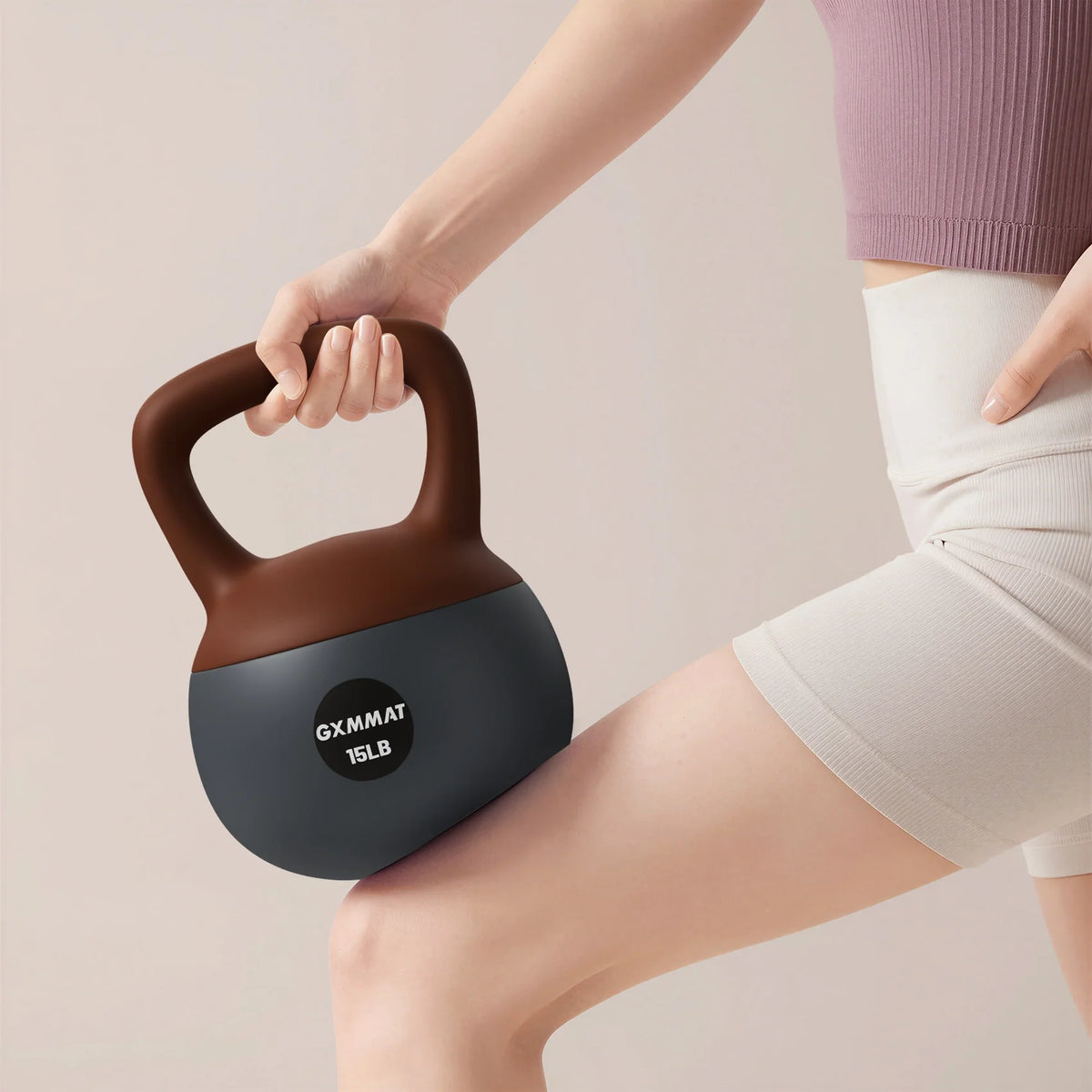
- Wide-stance goblet squats with a soft kettlebell for adductor strength and hip mobility.
- Hip thrusts for lockout. See our hip thrust bench vs glute bench.
- Rack pulls for upper back and lockout.
- Good mornings for the hamstrings and back.
Sumo deadlifts at home
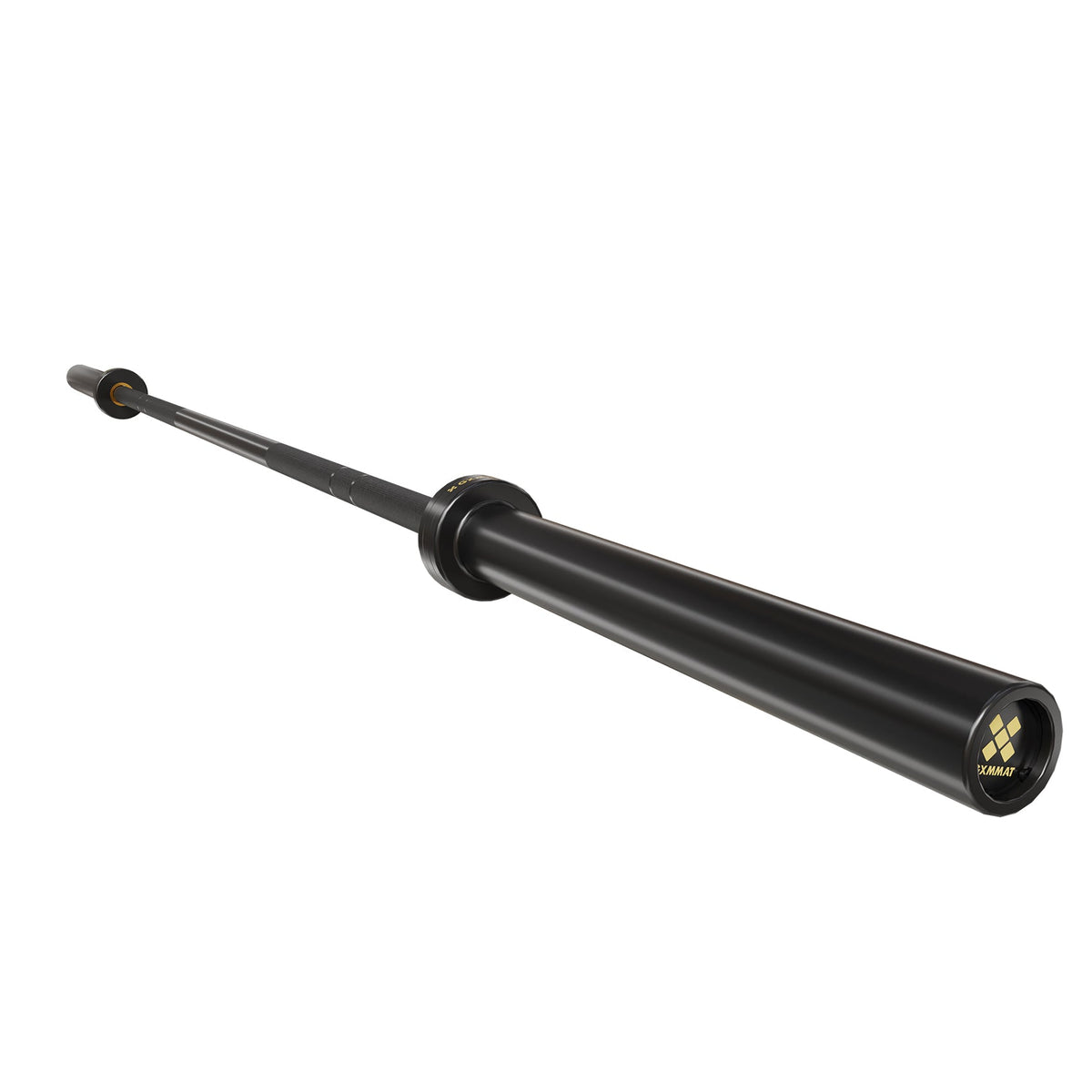
- Bar: 20 kg GXMMAT Olympic bar with dual knurl marks to help center your grip.
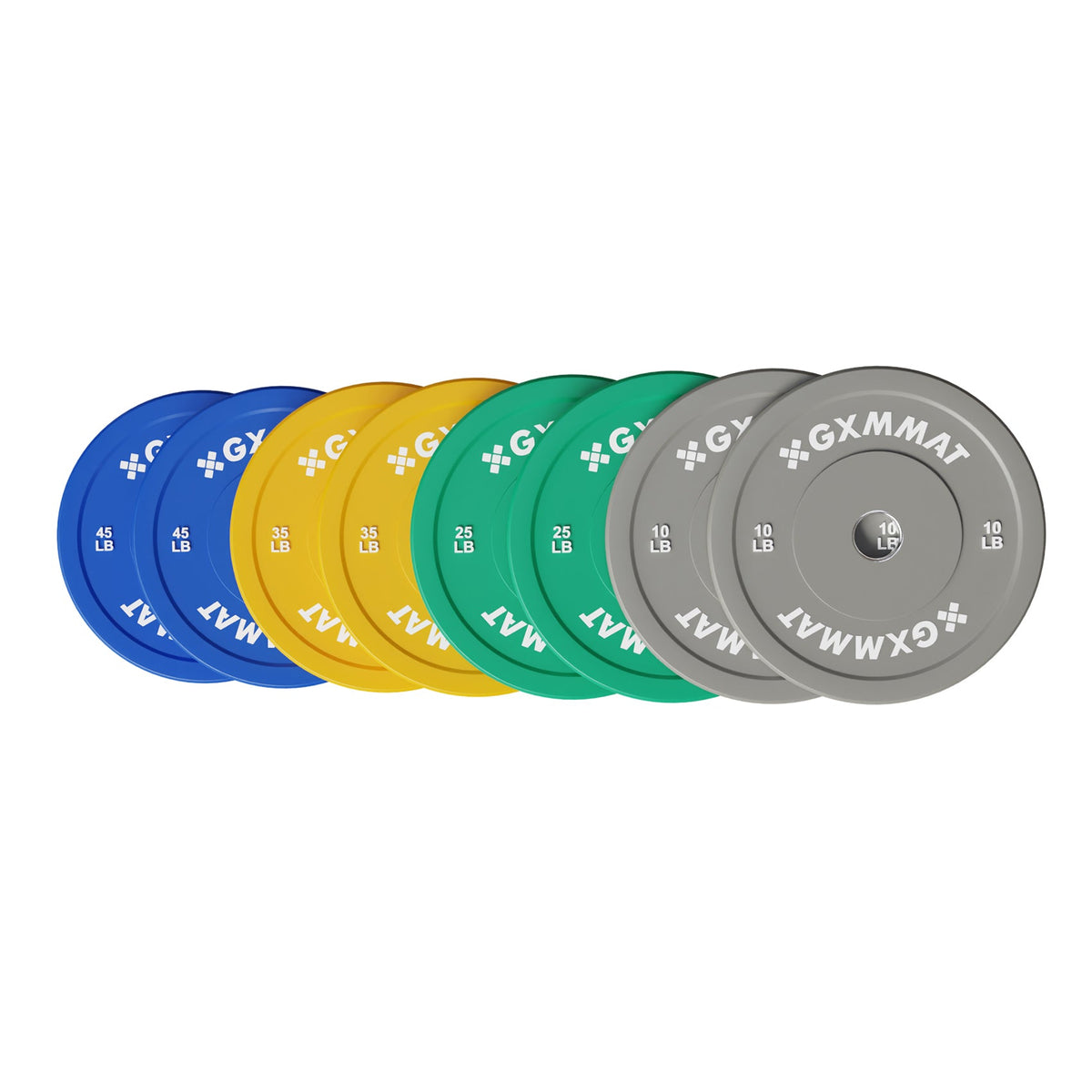
- Plates: full-size 450 mm bumper plates set the bar at standard height and are kinder to floors.
- Collars: magnetic collars.
- Floor: the wide stance needs room and grip. A non-slip large exercise mat or 7'-wide mat gives your feet a stable base.
- Grip: workout gloves for padding; build grip with farmer's carries.
FAQ
Is sumo deadlift easier than conventional?
Not easier, just different. The range of motion is shorter, but breaking the bar off the floor is often harder. Some people are stronger with sumo, others with conventional.
Is sumo deadlift better for your back?
The more upright torso can feel easier on the lower back for many lifters. Good form matters most with either style.
How wide should a sumo stance be?
Wide enough that your shins are close to vertical at the start, often about 1.5–2 times shoulder width, with toes turned out.
What muscles does the sumo deadlift work most?
Glutes, quads and inner thighs, plus the hamstrings, back and grip.
Can beginners do sumo deadlifts?
Yes. Start light, focus on knees out and chest up, and compare it with conventional to find what suits you.
Written by Yuvien Royer for GXMMAT. This article is general fitness information, not medical advice. Check with a healthcare professional if you have hip or back problems.