Structuring 1 Hour Cardio After Weights: Home Gym Setup & Flow
Introduction: Merging Two Workout Styles at Home
Combining different forms of exercise within a single session is a common approach for those looking to maximize their time in a home gym. A frequent question among fitness enthusiasts is, can i do cardio and lift weights in the same block of time? The answer often comes down to how you structure your environment and your schedule. For many, performing 1 hour cardio after weights provides a clear division between the focused intensity of resistance training and the rhythmic endurance of cardiovascular work.
In my view, the psychological transition from lifting heavy to moving rhythmically is much smoother when the environment reflects that change. When you plan to spend an extended period in your workout space, the layout of the room becomes a primary factor in maintaining your momentum. Without a logical flow, the transition between these two distinct phases can lead to unnecessary downtime, which may disrupt the rhythm of your session. Establishing a structured approach to your home gym setup ensures that your equipment is ready when you are.
Designing Your Space for a Seamless Transition
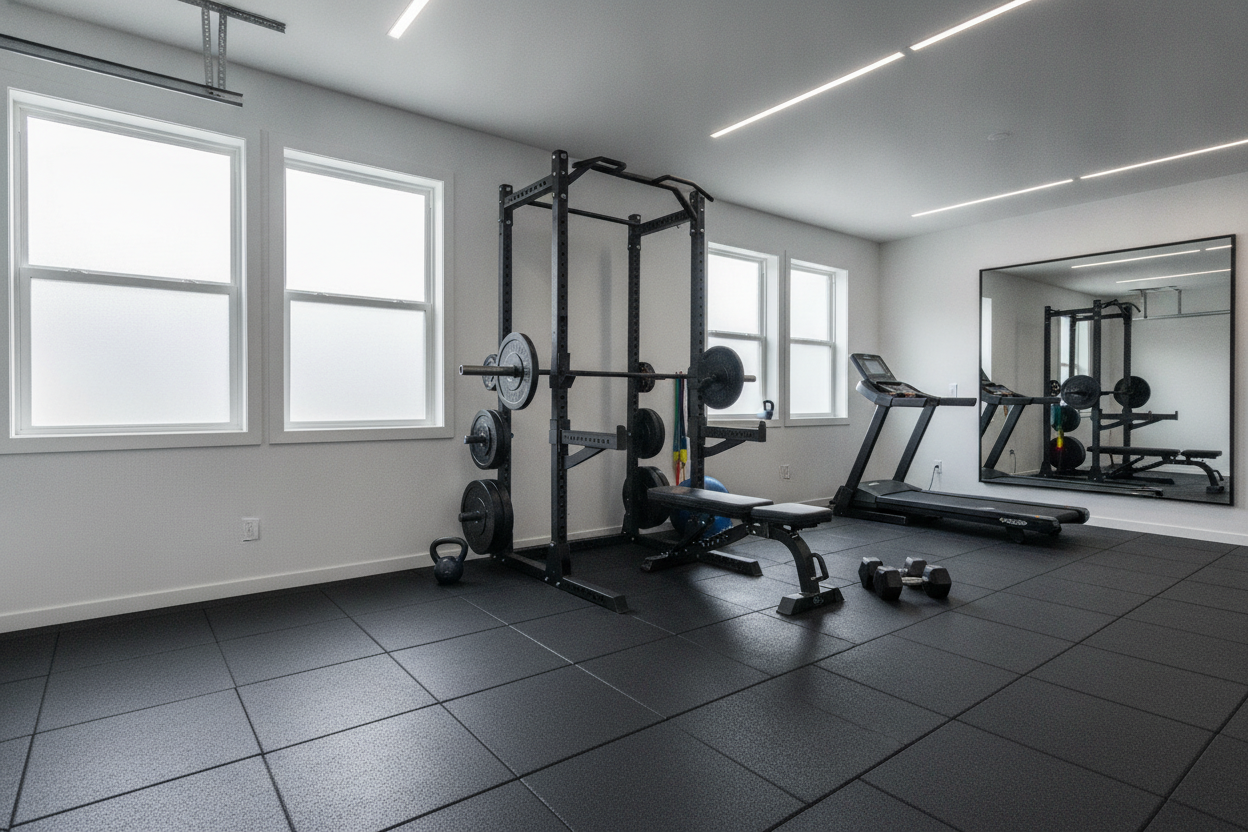
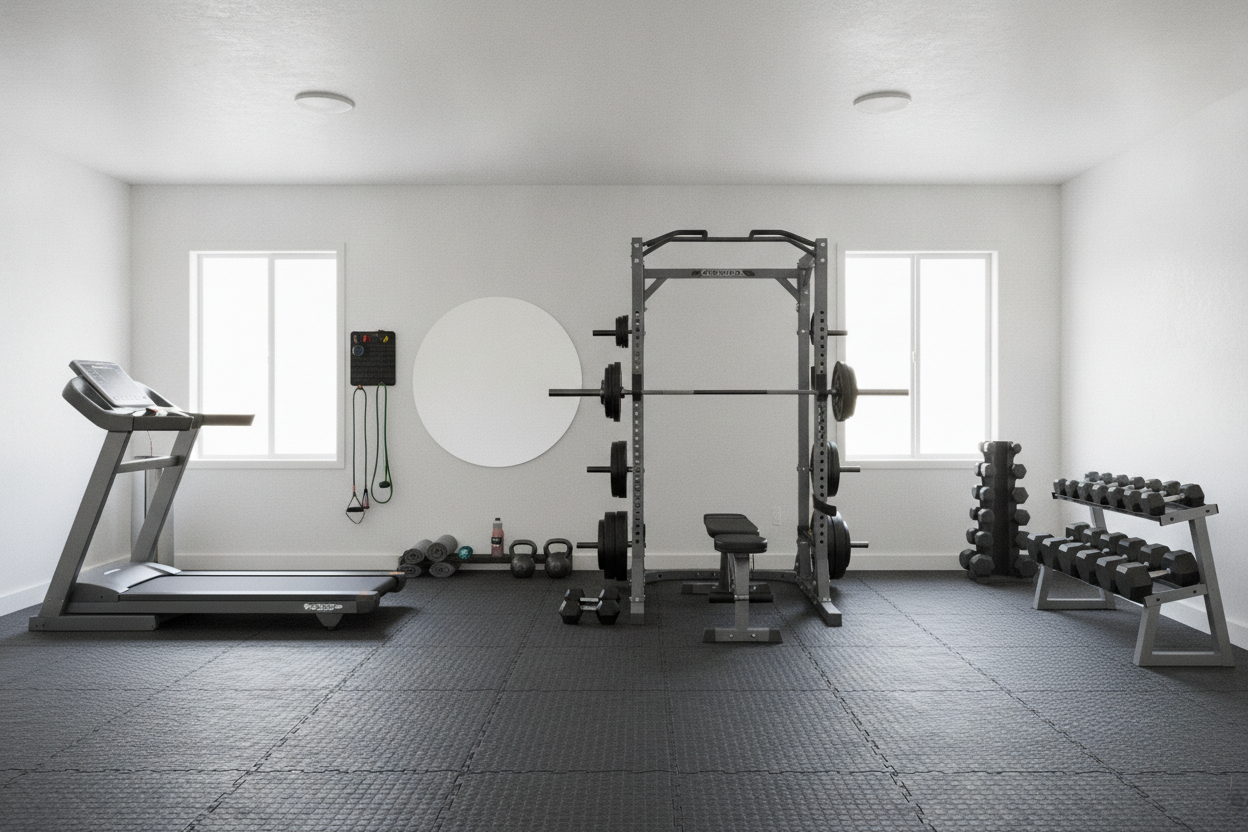
One of the biggest hurdles in a home setting is space management. If you are wondering, does cardio and weight training work well together logistically in a small room, the secret lies in zoning. Zoning involves dedicating specific areas of your floor plan to different activities. For the lifting portion of your routine, you might have a corner dedicated to your strength training collection. This area should be organized so that once the lifting is complete, every plate and dumbbell has a designated spot to be stored away.
Clearing the floor is essential before beginning a full hour of cardio. Whether you are using a machine or performing dynamic floor movements, having an open, unobstructed space is a matter of practical organization. By keeping your strength equipment contained in one zone, you leave the rest of the room free for the movement required during the cardio phase. This helps in shifting your focus from the stationary nature of lifting to the more active requirements of cardiovascular exercise.
Flooring and Room Protection for Extended Sessions
When you commit to a routine that involves both heavy lifting and a prolonged cardio session, your flooring is put under significant stress. The static weight of a strength collection requires a surface that can support heavy loads without permanent indentation. At the same time, the repetitive impact of an hour of cardio demands a surface that can handle constant movement and friction. Durable gym flooring acts as a protective barrier for your subfloors, which is a critical consideration for any home gym owner.
Furthermore, extended sessions naturally lead to increased perspiration. High-quality mats are designed to handle moisture, making them easier to maintain over time. During a long workout, sweat management is not just about cleanliness; it is about keeping the surface consistent for your movements. Choosing a flooring solution that is easy to wipe down ensures that your gym remains a professional-feeling environment, even after the most intensive sessions. Protecting the underlying floor from both heavy equipment and moisture is a fundamental part of home gym maintenance.
Structuring the Cardio Phase
Filling a full hour after a lifting session requires a plan to keep the momentum going. Some prefer steady-state cardio, such as using a treadmill or a cycle, while others enjoy more dynamic floor-based routines. If you find yourself asking, can you do cardio and strength training using hybrid movements, the answer is that many people find success by incorporating light resistance into their cardio blocks. This can be done through the use of steps, ladders, or very light hand weights to keep the heart rate elevated while maintaining engagement.
To keep the hour interesting, you might consider breaking the time into segments. You can follow a cardio strength weights guide to see how different movements can be layered together. Alternatively, a weights strength cardio guide can offer ideas on how to transition from one style to the next without losing intensity. By having a pre-planned routine, you eliminate the need to stop and think about what comes next, allowing the hour to pass more fluidly.
Equipment Placement and Maintenance Tips
The logistics of a long workout extend beyond just the exercise equipment. Strategic placement of secondary items like fans, towels, and water stations can make a significant difference in your experience. Positioning a fan so that it covers both your lifting zone and your cardio zone ensures you stay comfortable throughout the session. Likewise, having a hydration station within reach means you do not have to leave the room and break your focus between the weights and cardio phases.
Using a strength cardio weights guide can help you visualize where your gear should be placed before you even start your warm-up. Planning your equipment needs in advance minimizes the time spent searching for a specific accessory or adjusting a machine. Once the session is over, a quick post-workout cleanup is essential. Wiping down your mats and returning all gear to its storage racks keeps the space ready for your next session and helps maintain the longevity of your equipment.
Conclusion: Mastering the Combined Routine
Successfully executing 1 hour cardio after weights in a home environment is a matter of preparation and smart organization. By focusing on the layout of your space, you can create a flow that supports both the heavy demands of strength training and the sustained effort of cardiovascular exercise. Investing in the right flooring and organization tools ensures that your home gym remains a functional and inviting place for long-term fitness habits.
Whether you are working in a large basement or a small spare room, the principles of zoning and equipment maintenance remain the same. When your environment is structured to support your goals, you can focus entirely on the work at hand, moving seamlessly from the weights to the cardio phase with confidence and ease.