Understanding 1 Hour Strength Training Calories: Factors & Home Setup
Introduction: The Variables Behind 1 Hour Strength Training Calories
When individuals transition from commercial gyms to home setups, a frequent question arises regarding the efficiency of their sessions: how many calories burned in 1 hour of weight training? While it is tempting to look for a single, definitive number to track progress, energy expenditure is a highly individualized metric. It is influenced by a complex interplay of physical attributes, the specific movements performed, and the environment in which the workout takes place.
Understanding 1 hour strength training calories requires looking beyond the stopwatch. Instead of focusing on a fixed output, it is more productive to examine the qualitative variables that drive effort. A well-structured environment allows for a seamless transition between exercises, which helps maintain a consistent level of exertion. By optimizing your home gym layout and equipment selection, you can ensure that your sixty-minute window is spent moving and lifting rather than searching for gear or rearranging furniture.
Key Factors Influencing Energy Expenditure
Not all minutes in a weightlifting session are created equal. The type of exercises chosen plays a significant role in how much energy is required. Compound movements, such as squats, deadlifts, and presses, involve multiple joints and large muscle groups. Because these exercises require significant coordination and stabilization, they generally demand more effort from the body than isolation movements like bicep curls or tricep extensions.
Rest periods are another critical factor. In a typical 1-hour session, the time spent resting between sets can vary significantly. Shorter rest periods keep the heart rate elevated and maintain a higher level of metabolic demand throughout the hour. Conversely, longer rest periods are often necessary for heavy lifting where the goal is maximum force production. The balance between intensity and recovery determines the overall flow of the session. Maintaining a steady pace without unnecessary interruptions is key to a productive workout.
In my view, the psychological benefit of a streamlined workout environment is often overlooked; when your equipment is ready and accessible, you are less likely to extend rest periods out of distraction. This focus directly impacts the total work performed within that sixty-minute timeframe.
Structuring an Efficient 60-Minute Routine
To maximize the utility of your time, a structured framework is essential. A standard 1-hour routine typically begins with a dynamic warm-up to prepare the joints and muscles for load. This is followed by the primary movements—usually the heaviest compound lifts—when energy levels are highest. Following the primary work, accessory exercises are used to target specific muscle groups or address weaknesses.
Incorporating a variety of equipment can keep the routine engaging and ensure all planes of motion are addressed. For those focusing on specific goals, such as leg development, having a dedicated strength collection of equipment can streamline the process. By grouping exercises that use similar gear, you reduce the time spent transitioning, allowing for a more dense and effective training block. The final minutes of the hour should be reserved for a cool-down, which aids in the transition from high exertion back to a resting state.
Optimizing Your Home Gym Environment for Better Flow
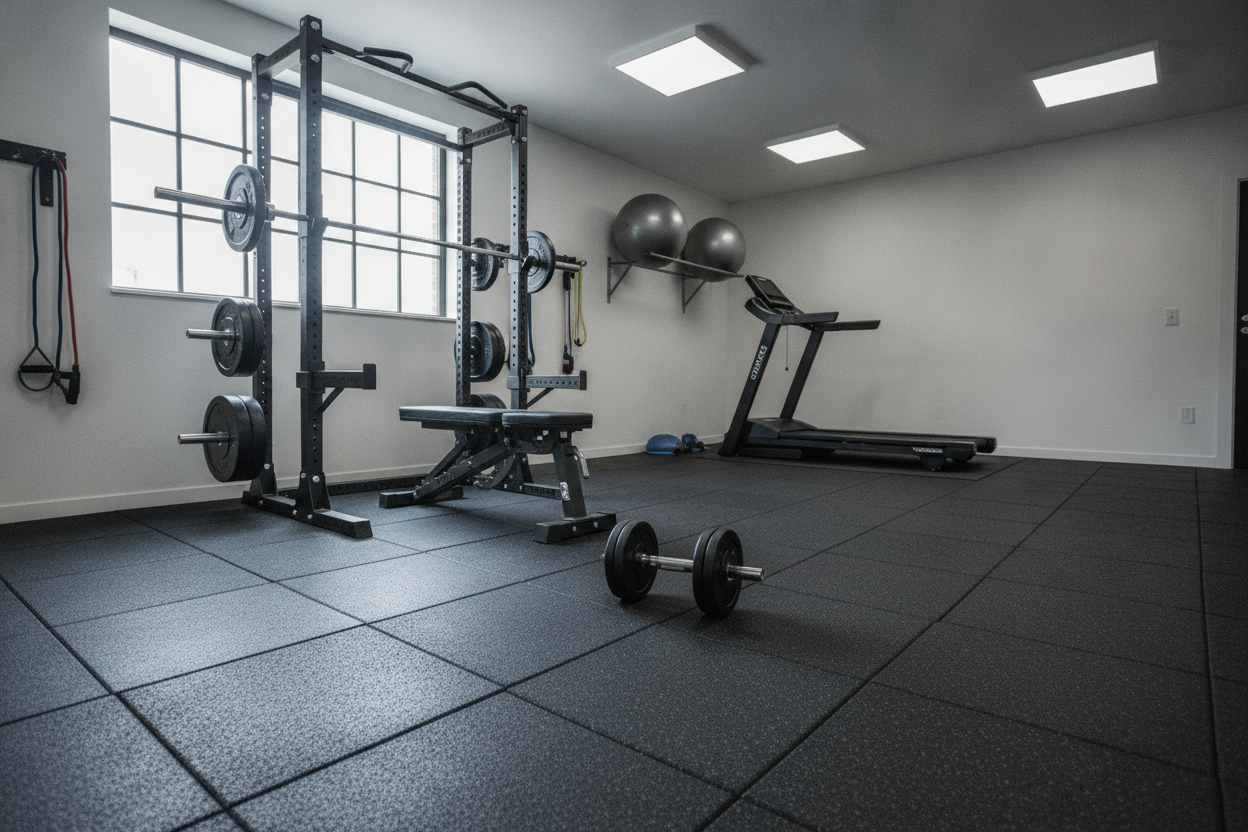
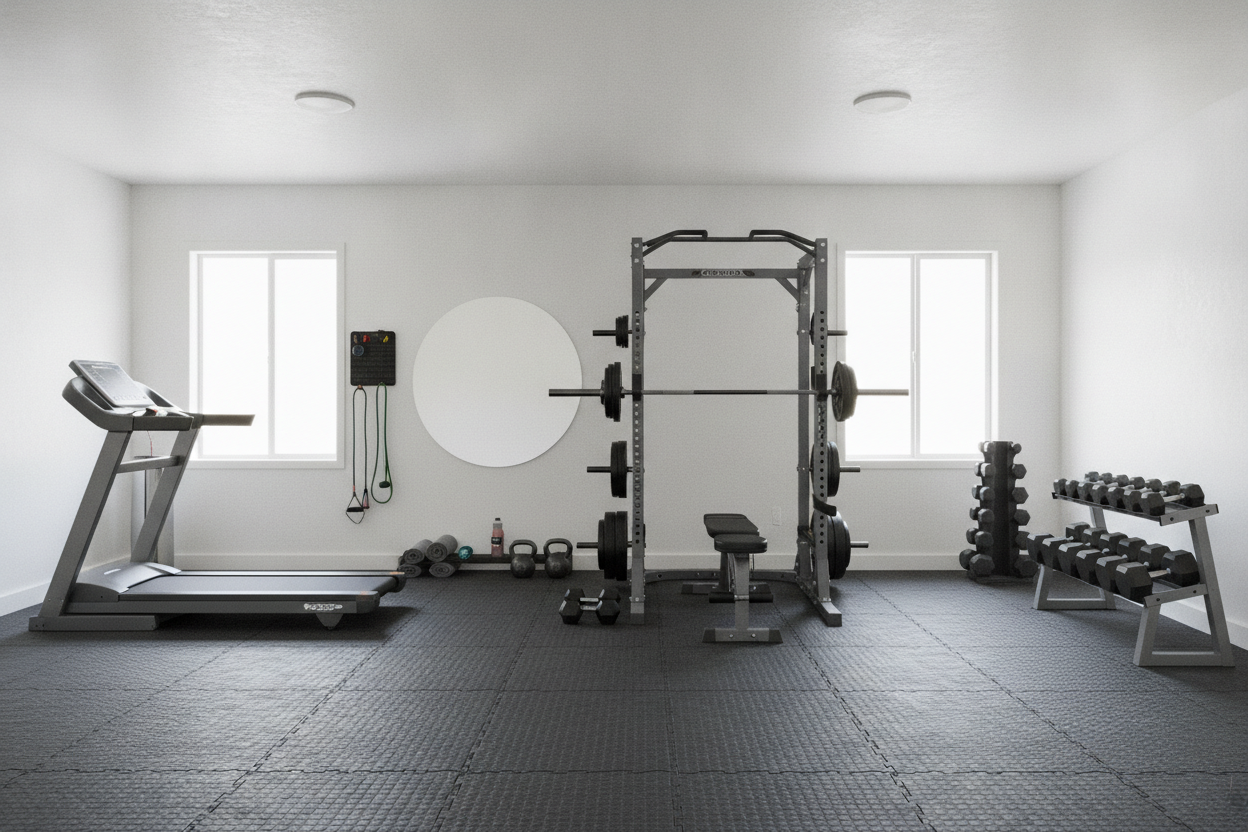
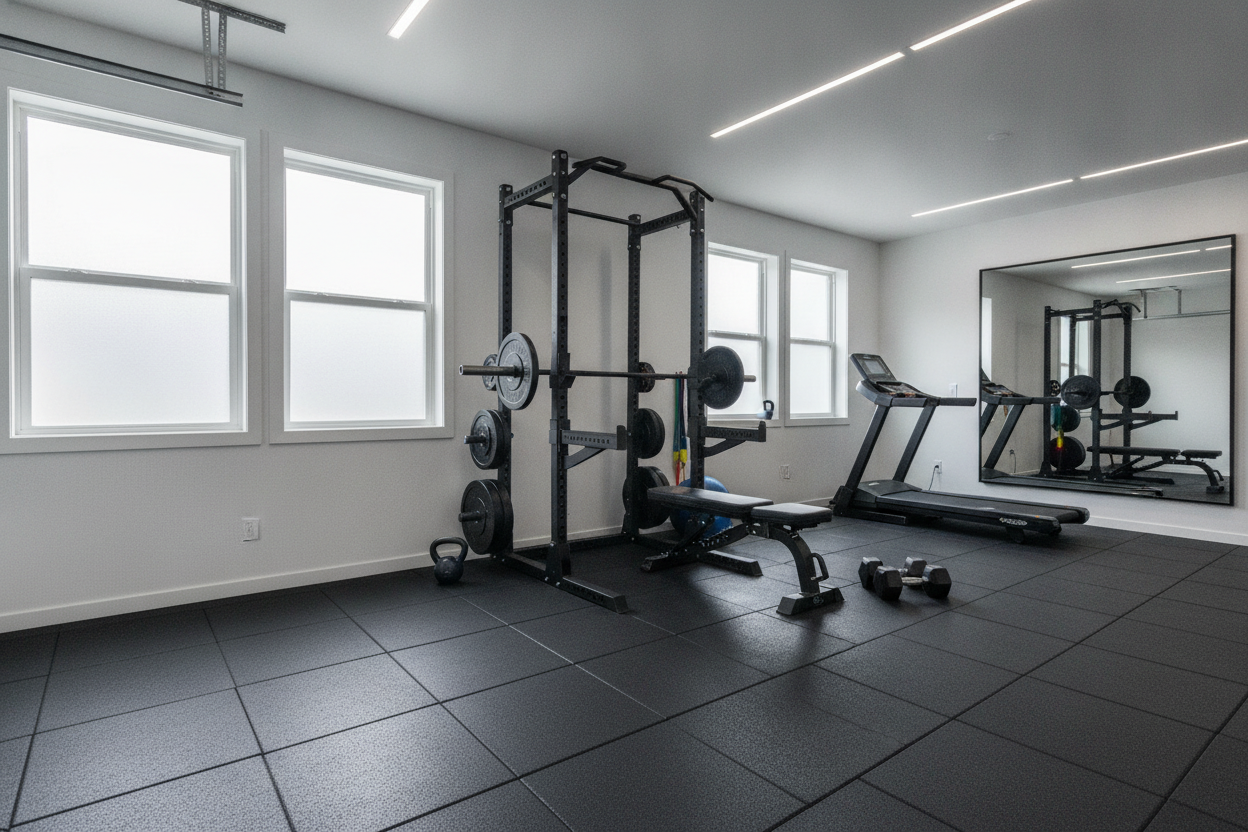
The physical layout of your training space is a silent partner in your fitness journey. If your equipment is disorganized, a 1-hour session can quickly be eaten away by logistics. This is especially true in multi-use spaces where gear might need to be moved before a workout can even begin. Strategic equipment placement ensures that you can move from a bench press to a row without navigating an obstacle course.
For those working with limited square footage, the challenge is to create a functional zone that doesn't feel cramped. Utilizing vertical storage and choosing multi-functional pieces can help. For more detailed strategies on managing gear in tight quarters, a specialized weight training guide can provide insights into maintaining a high-quality routine without a massive footprint. A dedicated zone, even if small, helps signal to the brain that it is time to focus, reducing the likelihood of long, unplanned breaks that diminish the intensity of the session.
Protecting Your Space During Intense Workouts
As the intensity of a 1-hour strength training session increases, so does the impact on your home environment. Dropping dumbbells or even the repeated vibration of heavy lifts can damage subfloors and create unwanted noise. High-quality gym flooring is an essential investment for any home setup. Proper mats do more than just protect the floor; they provide a stable, non-slip surface that is crucial for safety during heavy lifts.
Stability is a foundational requirement for force production. If your feet are sliding or the surface beneath you is uneven, you cannot lift as effectively. Furthermore, maintaining your workout area is part of a professional training mindset. Keeping the space clean and the mats free of debris ensures the area is always ready for the next session. To ensure your setup is durable and effective, it is helpful to consult a weight training guide to avoid common errors in equipment placement and floor protection that could hinder your long-term progress.
Selecting the Right Gear to Support Your Goals
The tools you choose should align with your specific training style. Whether you prefer traditional powerlifting, functional fitness, or bodybuilding, your gear should facilitate the movements you perform most often. Versatile accessories can add significant variety to a 1-hour session, allowing you to switch between different resistance types and angles without needing a room full of machines. Exploring a curated strength training collection can reveal small additions that make a big difference in workout density.
Consistency is the primary driver of results in strength training. A well-planned home gym that is easy to use and maintain encourages you to show up for that hour day after day. By selecting equipment that fits your space and your goals, you create an environment where the focus remains on the work itself. For a deeper dive into matching equipment to your personal objectives, referring to a comprehensive strength weight training guide can help you make informed decisions that support your long-term fitness journey.