At Home Weight Training Set: Avoid These Costly Mistakes
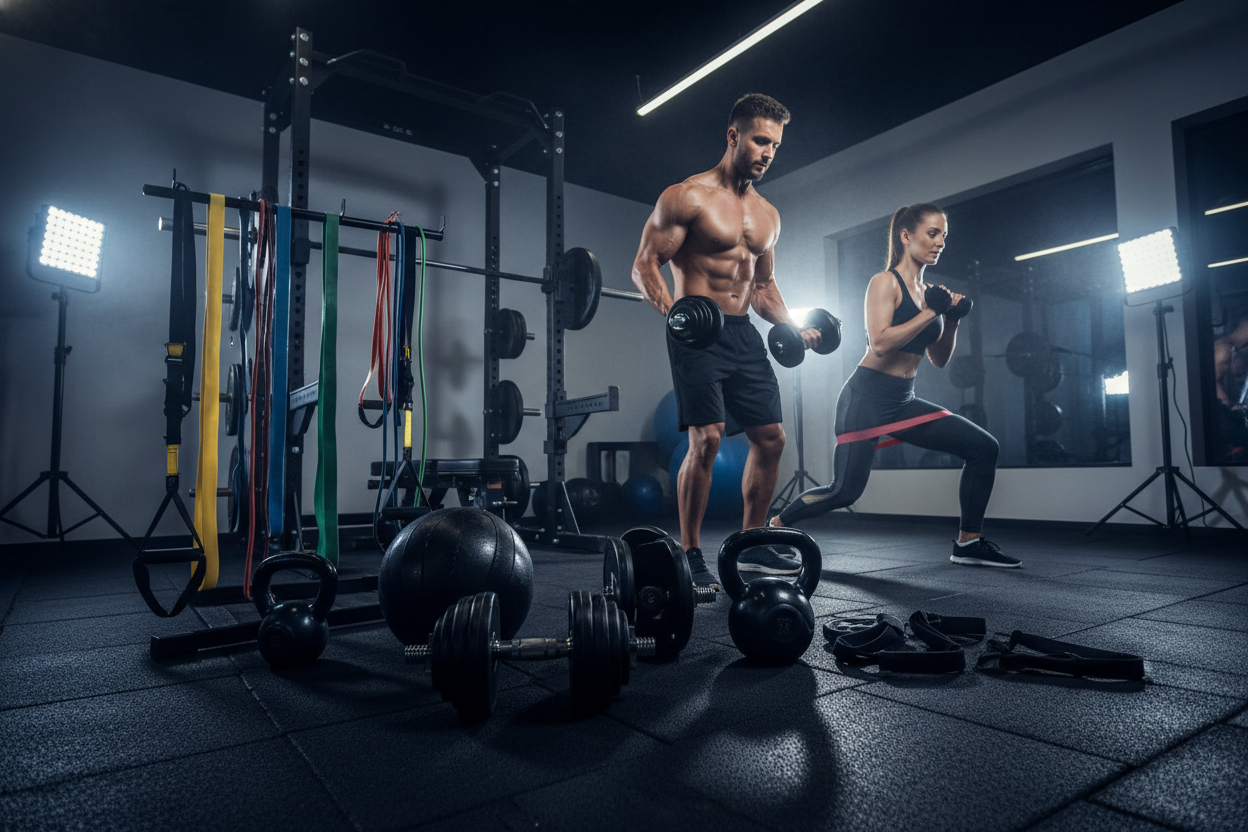
Tired of waiting for the squat rack at crowded commercial gyms? The transition to working out in your own space is a game-changer, but it starts with one crucial decision. Finding the right at home weight training set can be the difference between hitting new PRs and dealing with a cluttered, unusable room. Whether you are working with a spacious two-car garage or a tight apartment corner, this guide will help you choose the exact gear you need to build strength safely and efficiently.
Key Takeaways
- Measure your floor space and vertical clearance before buying any rack or barbell.
- Prioritize a high-quality barbell and cast iron or bumper plates over flashy, single-use machines.
- Adjustable dumbbells are the ultimate space-savers for smaller rooms.
- Match your equipment's weight capacity to your 3-year strength goals, not your current lifts.
Space Planning: From Garages to Spare Rooms
Calculating Your Footprint
If you are eyeing a bedroom weight set, you need to account for more than just the equipment's static footprint. A standard 7-foot Olympic barbell requires at least 10 feet of horizontal clearance to load plates comfortably without punching holes in your drywall. For tight spaces, consider a compact half-rack or a heavy-duty adjustable dumbbell system paired with a stowable bench.
Curating the Perfect Setup
Core Essentials
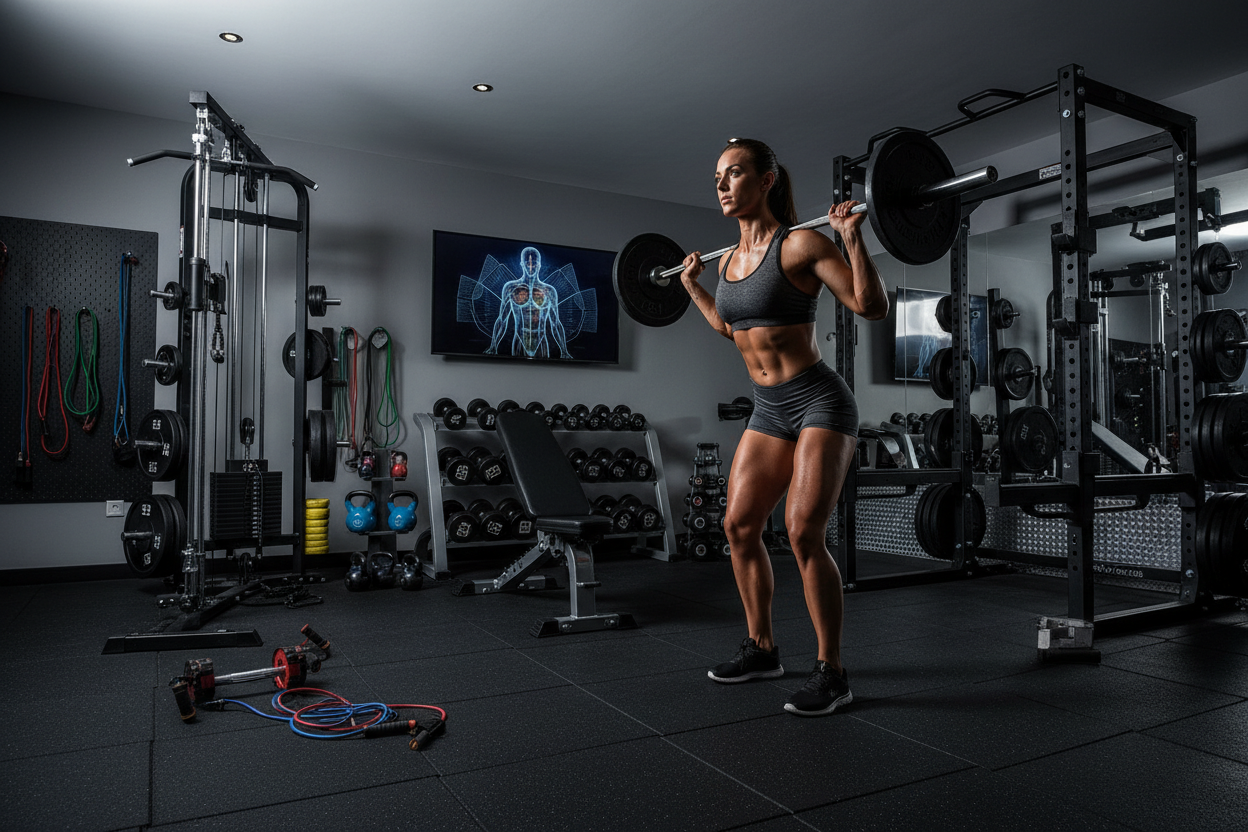
You do not need a dozen bulky machines to get strong. A true full gym weight set revolves around a power rack (or squat stands), a versatile barbell, a sturdy flat or adjustable bench, and adequate weight plates. When browsing for a weight lifting equipment set, prioritize heavy-duty steel—11-gauge is the gold standard for racks—and a barbell with a tensile strength of at least 160,000 PSI to ensure longevity.
Navigating the Market: Value vs. Hype
Avoiding Cheap Gimmicks
It is tempting to jump on the first cheap weight lift for sale you see online, but budget gear often comes with alarmingly low weight limits and wobbly frames. Invest heavily in your barbell and rack, as these are your primary safety mechanisms. You can always save money by buying used iron plates or upgrading your cable attachments and accessories later.
From Our Gym: Honest Take
Over the last year, I have tested over a dozen home setups. The biggest lesson? Do not skimp on your bench. I recently tested a highly-rated budget bench that claimed a 500lb capacity. At 210lbs bodyweight, holding 225lbs during a bench press, the back pad shifted noticeably under load. We immediately swapped it for a commercial-grade flat bench with a 12-inch pad width. It provided a rock-solid foundation that instantly improved my pressing stability. Also, if you are setting up on a concrete slab, spend the extra money on thick 3/4-inch rubber stall mats—your floor, and your joints, will thank you.
Frequently Asked Questions
Is an at home weight training set worth the investment?
Absolutely. When you factor in the cost of a monthly gym membership, commute time, and gas, a quality home setup pays for itself within 18 to 24 months for most dedicated lifters.
How much space do I actually need?
For a full rack, barbell, and bench, you need a minimum of 10x10 feet. If you are using adjustable dumbbells and a folding bench, a 6x8 foot area is perfectly sufficient.
Should I buy bumper plates or iron plates?
If you plan on doing Olympic weightlifting, CrossFit, or deadlifting on a surface you want to protect, bumper plates are essential. For powerlifting or general bodybuilding, traditional cast iron plates are cheaper and take up less space on the bar.