The Truth About Buttock-Clenching: Posture Habits and Intentional Exercise
Understanding the Habit of Buttock-Clenching
Many individuals find themselves noticing a persistent habit of tensing their lower body, often wondering why they feel the need to clench their muscles throughout the day. This phenomenon, frequently referred to as buttock-clenching or "perma-clenching," is a common postural habit where the gluteal muscles are held in a state of constant tension. This behavior often happens unconsciously while standing, walking, or even sitting. In many cases, it is associated with a postural tendency where the pelvis is tilted in a way that causes the glutes to tighten to maintain a perceived sense of stability.
Understanding what it means to habitually clench involves looking at both physical habits and responses to environmental stressors. For some, tensing the buttocks or unconsciously tightening the surrounding muscles is a physical manifestation of a busy or high-pressure lifestyle. When the body enters a state of high alertness, it often holds tension in the large muscle groups of the lower body. Over time, this can become a default setting for the nervous system, leading to a situation where the muscles remain engaged even when there is no immediate physical requirement for them to be active.
Does Squeezing Your Glutes Make Them Bigger or Smaller?
A frequent question among those who notice this habit is whether it has any impact on muscle size or aesthetic appearance. People often wonder if squeezing the buttocks makes them bigger or if constant clenching helps with toning. While it might seem logical that tensing a muscle would lead to growth, the reality of muscle physiology is more complex. Static, unconscious tensing—like the kind found in habitual clenching—is generally not an effective substitute for structured resistance training.
Muscle development typically requires progressive resistance and a full range of motion. Simply squeezing the muscles while standing does not provide the necessary stimulus for significant muscle growth. If the goal is to change the shape or firmness of the glutes, it is more effective to follow a glutes exercises firmer guide that focuses on intentional movements. Furthermore, constant clenching can sometimes lead to muscle fatigue rather than development, making the muscles feel tight and restricted rather than strong and functional.
The Difference Between Static Tension and Active Training
There is a persistent idea that clenching muscles throughout the day will result in a more toned appearance. However, what is often referred to as "toning" is usually a combination of muscle development and a balanced approach to overall fitness. While glute squeezes performed as an intentional exercise can be part of a workout, the passive habit of clenching while standing does not create the metabolic demand required for significant changes in muscle composition. Therefore, for those asking if squeezing the buttocks makes them bigger or smaller, the answer is that it likely does neither in any noticeable way without the addition of external resistance and dynamic movement.
Unconscious Clenching vs. Intentional Glute Exercises
It is important to distinguish between a habitually tensed lower body resulting from a postural habit and the use of intentional glute contractions as a purposeful training tool. Intentional exercises involve a conscious mind-muscle connection, where the individual squeezes the muscles for a specific duration and then fully releases them. This cycle of contraction and relaxation is vital for muscle health and functional movement. In contrast, unconscious clenching often lacks the relaxation phase, leading to a state of chronic tension that can affect how the body moves.
Recognizing when you are unconsciously tensing is the first step toward correcting the habit. You might notice you are clenching while standing in line or when you are focused on a difficult task. To move away from these passive habits, it is helpful to consult a stop bum exercises guide to ensure that when you do engage your muscles, you are doing so with proper form and intent rather than just adding more tension to an already stressed area.
How to Stop Clenching Your Buttocks: Mindful Movement
Learning how to stop the habit of unconscious clenching requires building a higher level of body awareness. One effective framework is the use of periodic body scans. Throughout the day, take a moment to check in with your lower body. If you find your glutes are tight, take a deep breath and consciously release the tension, allowing your pelvis to settle into a more neutral position. This practice helps to reset the nervous system and encourages the muscles to return to a resting state.
Practicing these relaxation techniques on a stable and supportive surface can enhance your awareness. Using a dedicated exercise collection of mats can provide a comfortable space to perform floor-based stretches and postural resets. By spending a few minutes each day focusing on releasing the muscles of the hips and glutes, you can begin to retrain your body to let go of the habit of perma-clenching. This transition from constant tension to mindful relaxation is a key component of a balanced fitness routine.
Setting Up Your Space for Postural Awareness and Exercise
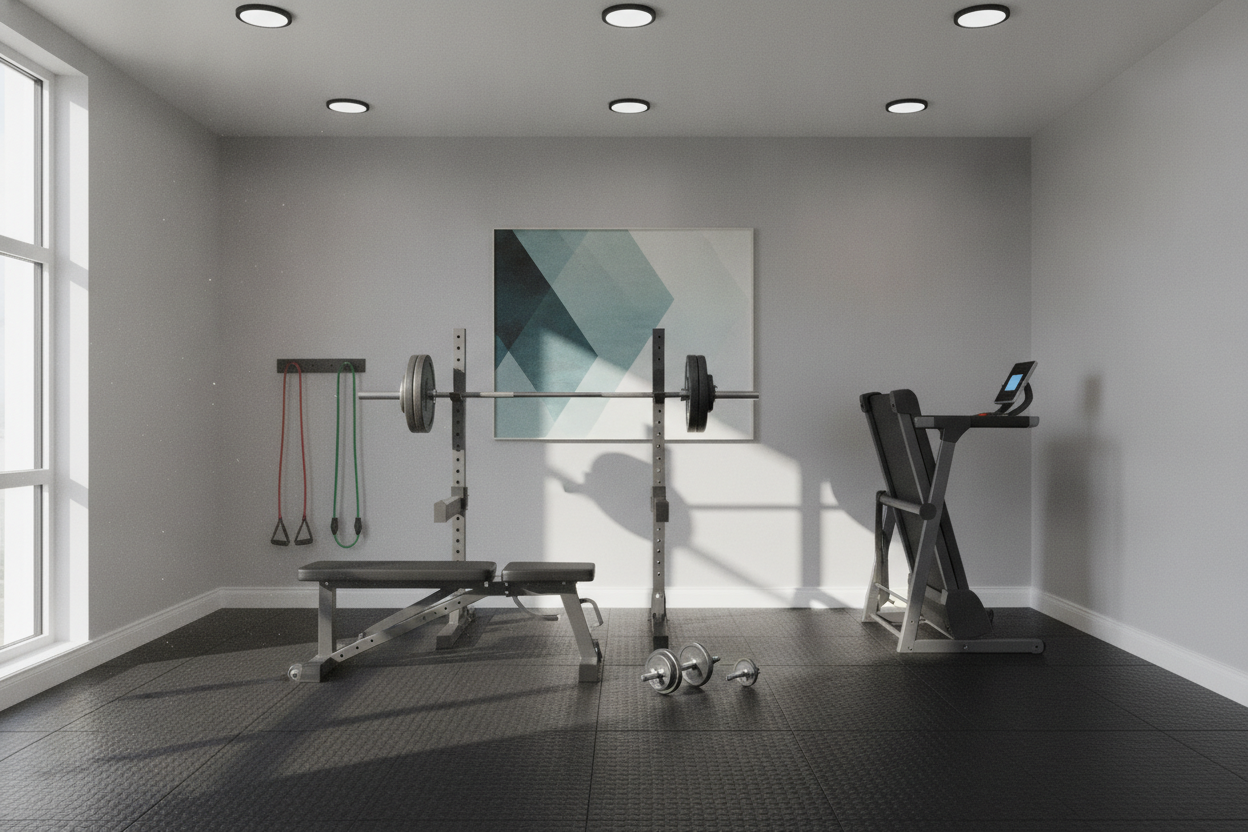
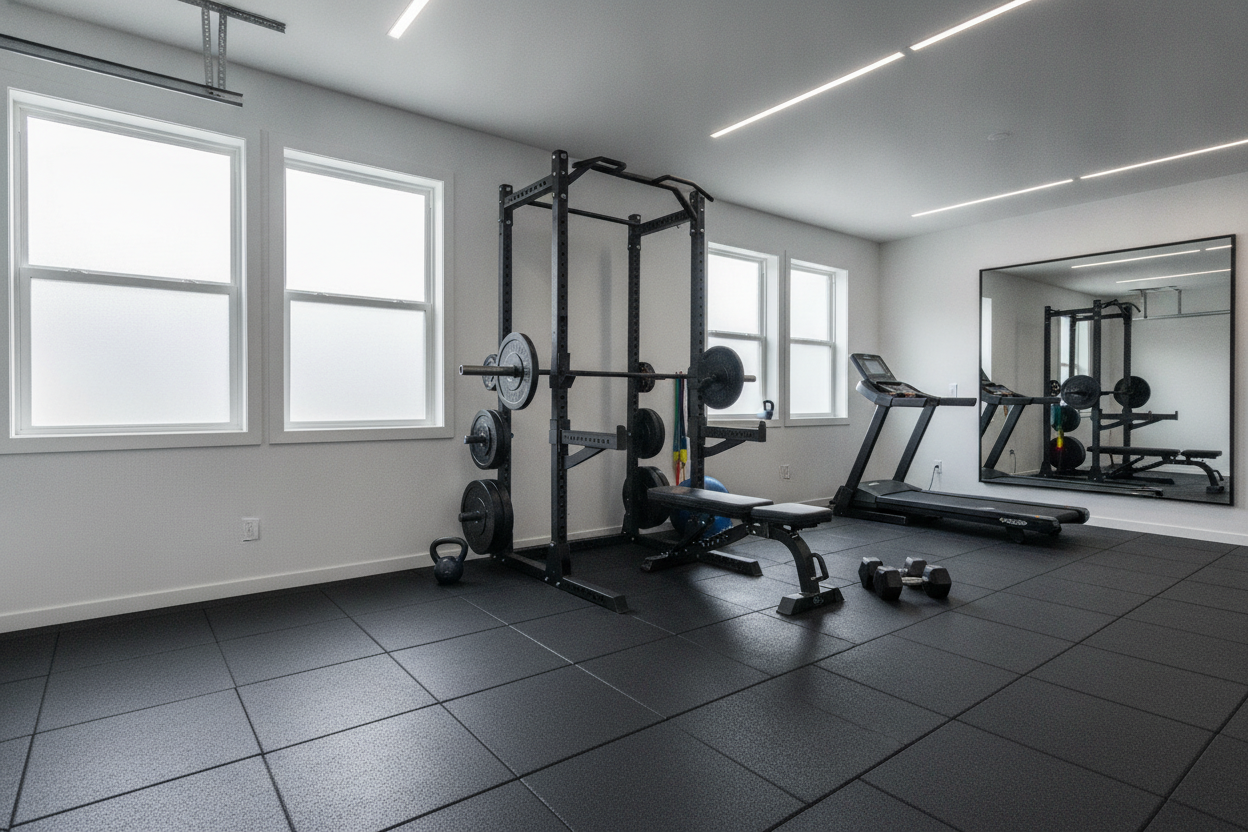
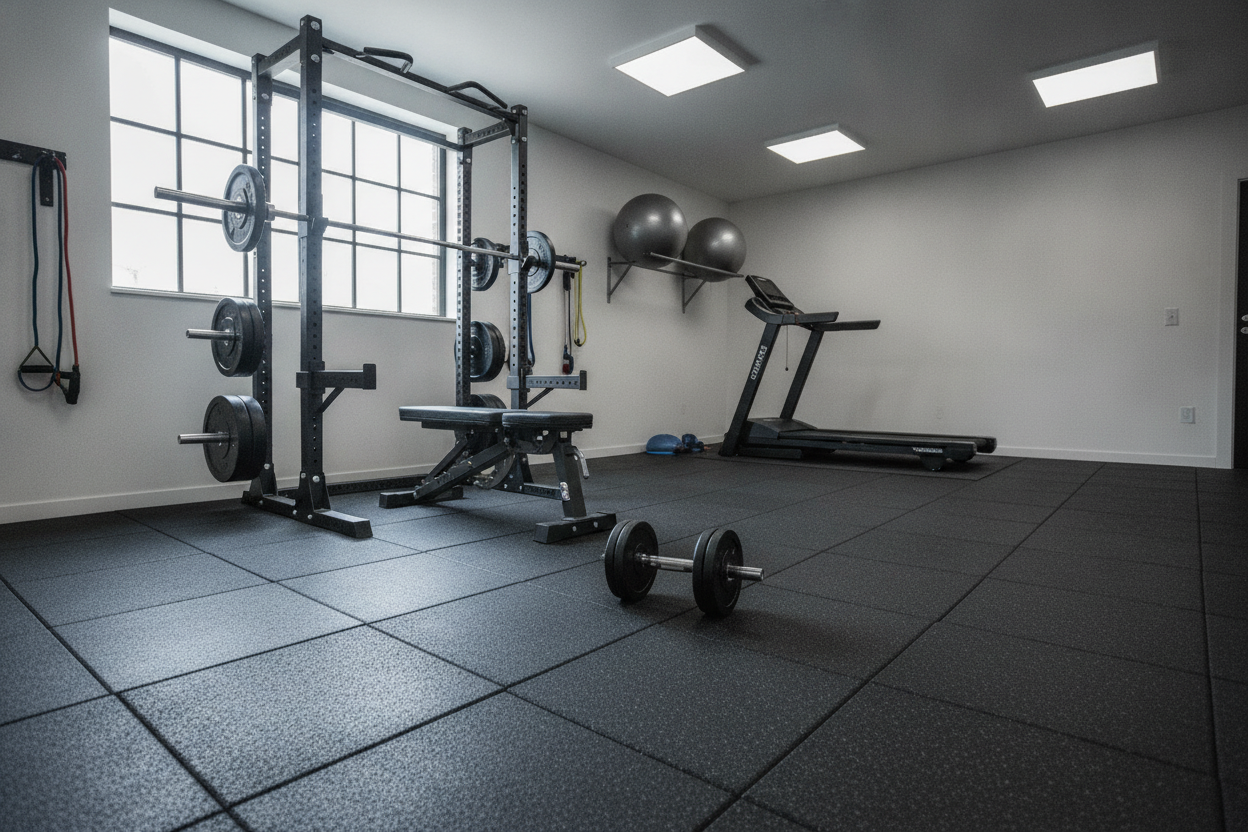
Creating a dedicated area in your home for mindful movement can significantly aid in breaking the habit of unconscious clenching. When you have a specific space set aside, it serves as a visual reminder to practice your postural resets and intentional exercises. Choosing the right flooring is a key part of this setup. A high-quality exercise collection of flooring options ensures that you have a stable foundation that protects your home's surfaces while providing the grip needed for purposeful glute work.
For those who prefer a more expansive area for movement, a larger setup like a professional-grade exercise product can accommodate a variety of stretches and exercises. This allows you to transition easily from standing postural checks to floor-based movements or relaxation poses. In my view, having a dedicated floor space makes a significant difference in how often I check in with my posture, as it provides a clean and inviting environment for daily physical maintenance and mindful movement.
Moving Forward: From Tension to Intention
The journey from unconscious buttock-clenching to mindful posture is about shifting from tension to intention. While the habit of clenching may feel like a way to stay active, it often leads to unnecessary fatigue. By understanding that static squeezing is not a substitute for real exercise, you can focus your energy on productive movements that actually build strength and improve function. Prioritizing intentional exercise over passive tensing allows your muscles to work through their full range of motion, which is essential for long-term mobility.
By combining mindful body awareness with a supportive home gym environment, you can develop a balanced approach to fitness that respects the need for both engagement and relaxation. Ultimately, the goal is to move with ease and purpose, leaving the habit of constant tension behind in favor of a stronger, more aware version of yourself. Consistency in practicing these resets will help turn mindful awareness into a new, healthier habit.