The Foundation of Fitness: A Simple Leg Workout for Beginners at Home
Establishing a consistent lower body routine is often considered the cornerstone of a sustainable fitness journey. For many beginners, the prospect of starting a leg workout can feel daunting, especially when faced with complex machinery or high-intensity gym environments. However, the lower body contains some of the largest muscle groups in the human frame, and developing these areas is essential for overall functional movement, balance, and stability in daily life.
A simple leg workout focuses on foundational movements that translate to real-world activities, such as standing up from a chair, climbing stairs, or walking long distances. By starting with basic patterns at home, you can focus on form and consistency without the distractions of a commercial gym. This guide outlines how to prepare your space and execute a beginner-friendly routine that prioritizes steady progress over immediate intensity.
Preparing for Your Starting Leg Workout
Before diving into specific exercises, it is helpful to understand the basic movement patterns of the lower body. Most leg exercises fall into a few primary categories: the squat (vertical pushing), the lunge (unilateral movement), and the hinge (posterior chain engagement). Mastering these patterns with your own body weight provides a solid base before you consider adding external resistance like dumbbells or kettlebells.
Integrating leg days into a broader fitness schedule requires a balanced approach. For those just starting out, performing a dedicated lower body session twice a week is often a manageable goal. This allows for sufficient recovery time between sessions, which is when the body adapts to the new physical demands. For a more comprehensive look at how to structure your overall routine, you might find this starting workout beginners guide useful for planning your weekly activities.
Setting realistic expectations is equally important. In the initial sessions, the goal should be movement quality rather than quantity. It is common to feel some muscle soreness after trying new movements, but the focus should always remain on controlled repetitions. In my view, finding a dedicated corner for your mat makes the transition from 'home mode' to 'gym mode' much smoother, helping you stay mentally focused on the task at hand.
Setting Up Your Space for a Beginner Thigh Workout
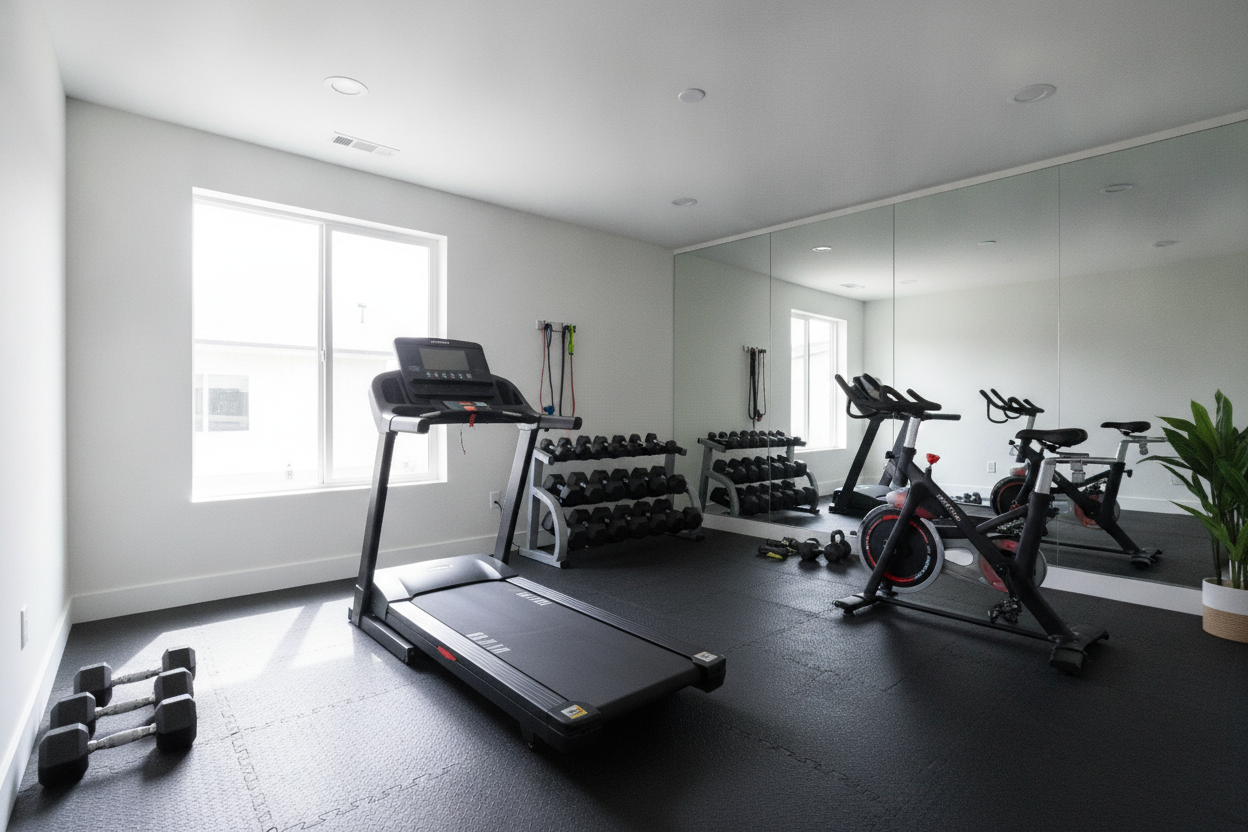
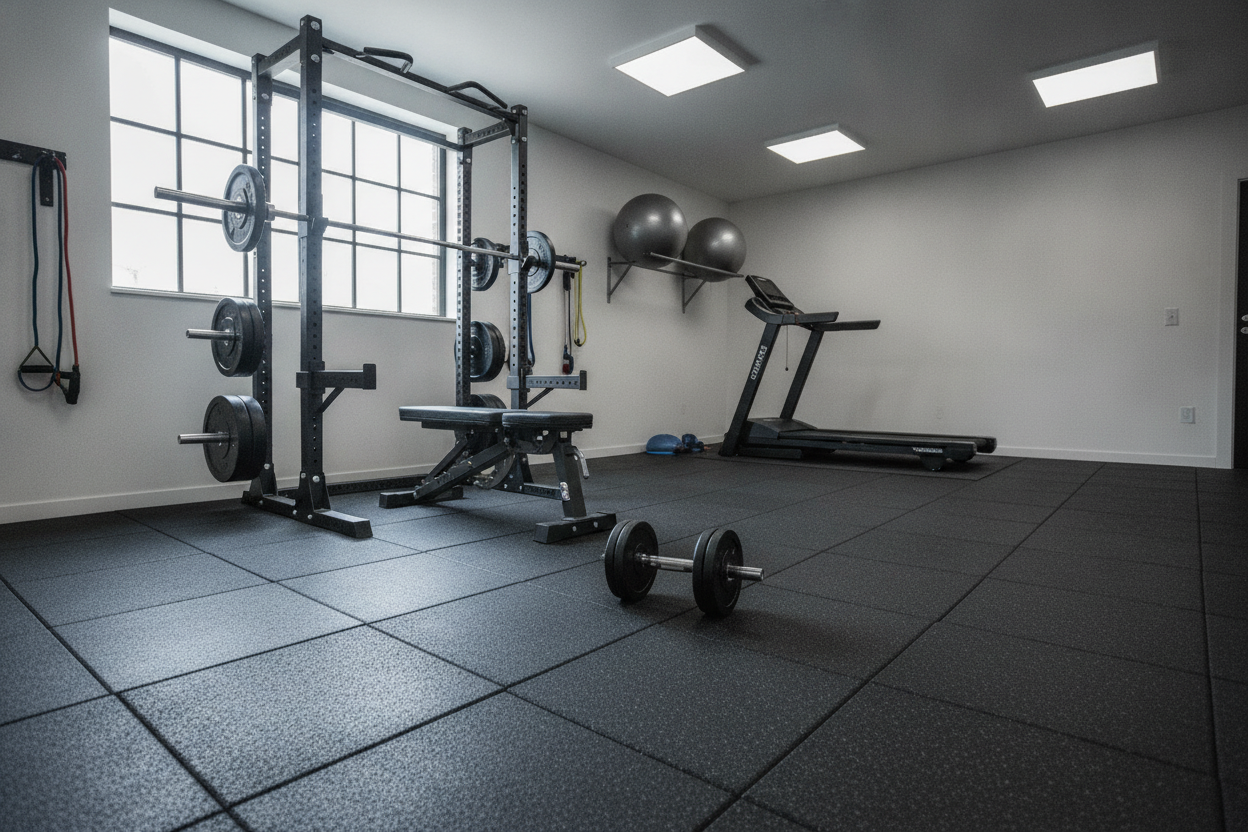
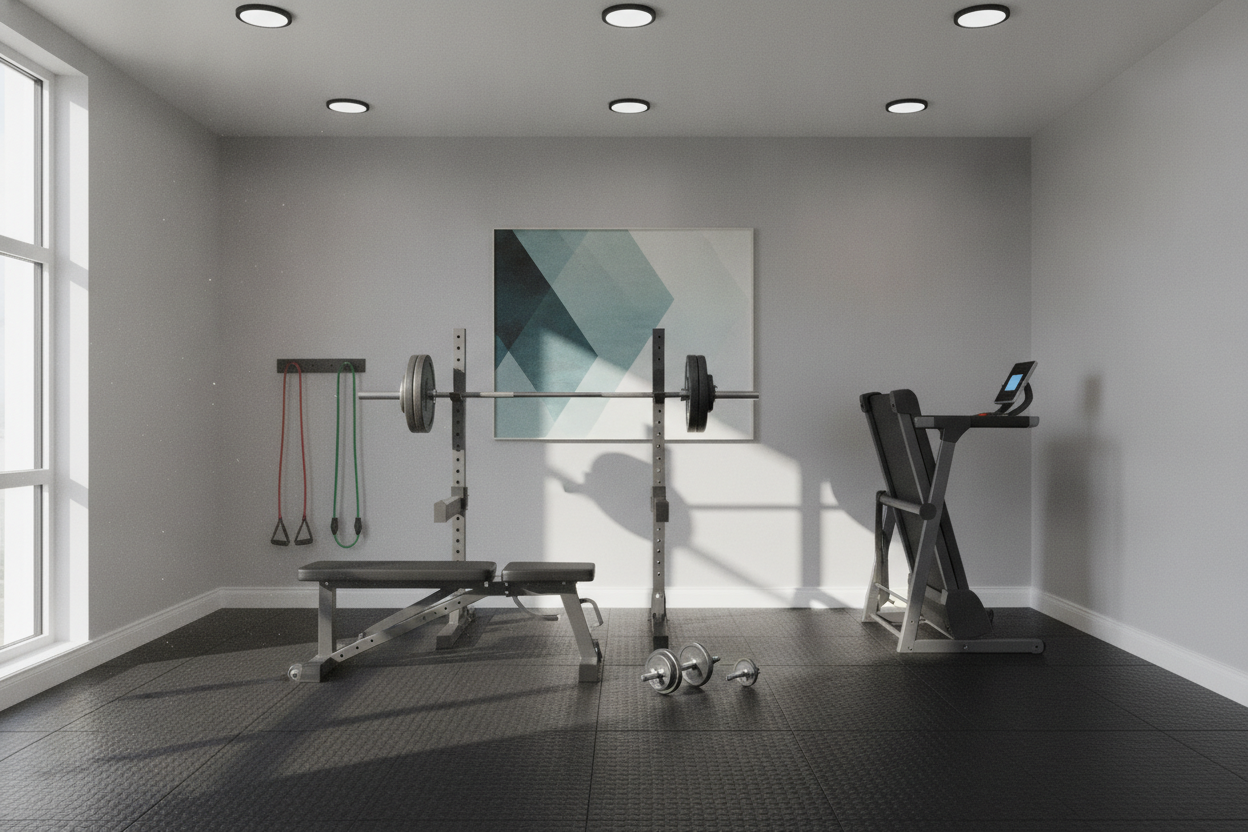
The environment in which you exercise significantly impacts your consistency and comfort. A dedicated workout area serves as a visual cue to your brain that it is time to focus. When training at home, the surface you stand on is one of the most critical components of your setup. Hardwood, tile, or thin carpeting may not provide the necessary support or traction for dynamic leg movements.
Protecting your home floors is a practical consideration that many overlook until equipment is dropped or repetitive movements begin to show wear on the flooring. Using a high-quality surface like a workout product can help safeguard your living space while providing a stable foundation. A proper mat offers the grip needed to prevent slipping during lunges and the cushioning required for floor-based exercises like glute bridges.
Stability is paramount when performing a thigh workout for beginners. If your feet slide during a squat or lunge, your form will likely suffer, increasing the risk of awkward movements. A textured, non-slip surface ensures that your feet remain planted, allowing you to focus entirely on the mechanics of the exercise rather than worrying about your footing.
10 Foundational Exercises for Your Routine
The following exercises are designed to be performed with body weight, making them accessible for any home environment. They target the major muscle groups of the legs, including the quadriceps, hamstrings, glutes, and calves.
- Bodyweight Squats: Often called the core of any lower body routine, squats involve sitting back as if into an invisible chair. Keep your chest up and your weight distributed through your heels and mid-foot.
- Stationary Lunges: These focus on balance and unilateral (one-sided) movement. Step one foot forward and lower your hips until both knees are bent at approximately a 90-degree angle.
- Glute Bridges: This floor-based movement requires a comfortable surface. Lie on your back with knees bent and feet flat, then lift your hips toward the ceiling to engage the posterior chain.
- Step-Ups: Utilizing a sturdy household item like a low bench or a dedicated plyo box, step up with one foot and drive through the heel to bring the other foot up.
- Calf Raises: A simple movement for lower leg engagement. Stand with feet hip-width apart and rise onto the balls of your feet, then slowly lower back down.
- Wall Sits: This isometric hold builds endurance. Lean against a wall and lower your body until your thighs are parallel to the floor, holding the position for a set duration.
- Side Lunges: Lateral movements are essential for a well-rounded thigh workout for beginners. Step out to the side, keeping one leg straight while bending the other knee.
- Donkey Kicks: Targeting the glutes from a tabletop position on your hands and knees. Kick one heel toward the ceiling while keeping the knee bent.
- Lying Leg Raises: While often associated with the core, these floor exercises benefit from cushioned flooring and help engage the hip flexors.
- Romanian Deadlift (Bodyweight): Practice the hip hinge by pushing your hips back while keeping a slight bend in the knees and a flat back, feeling a stretch in the hamstrings.
When performing these movements, especially those on the floor, having a large, supportive surface like a workout product ensures that your knees and spine are protected from the hard ground.
Structuring Your Routine and Expanding Your Knowledge
To arrange these exercises into a cohesive circuit, choose five or six movements to perform in a sequence. For example, you might start with squats, move to lunges, and finish with glute bridges. Aim for a specific number of repetitions or a set amount of time for each exercise, followed by a brief rest period. Completing the circuit two or three times provides a comprehensive workout without overtaxing a beginner's recovery capacity.
Warming up is a vital step that prepares the muscles and joints for movement. Simple activities like marching in place or gentle leg swings can be done right on your mat. Similarly, cooling down with static stretches helps transition the body back to a resting state. Taking five minutes at the end of your session to stretch the quads, hamstrings, and calves can improve flexibility over time.
As you become more comfortable with these movements, you may want to explore variations or routines tailored to different goals. For more specific guidance, you can check out this beginner leg workout guide which offers additional perspectives on lower body training. For a wider variety of movements and home gym tips, our workout resource hub provides a wealth of information to support your fitness journey. Consistency is the most important factor in any exercise program, and by creating a comfortable, safe space at home, you remove many of the barriers to long-term success.