Stop Buying Pink Junk: The Best At Home Exercise Equipment For Women
I remember walking into a big-box store and seeing the 'women's section'—a depressing corner of pastel neoprene and plastic-coated 2-pounders. It's insulting. If you're looking for the best at home exercise equipment for women, you don't need gear that looks like a nursery; you need gear that handles a heavy PR without wobbling.
Most 'female-focused' marketing assumes you’re afraid of iron. I’ve spent a decade testing racks, bars, and plates, and I can tell you that the best gear for women is just high-quality gear that actually fits your anatomy. Let’s stop shopping for aesthetics and start shopping for performance.
- Prioritize a 15kg (25mm) Olympic barbell for better grip security.
- Invest in adjustable dumbbells that reach at least 50 lbs to avoid outgrowing them in a month.
- High-density rubber flooring is non-negotiable for joint safety and equipment longevity.
- Avoid single-use glute machines; a solid rack and bench offer ten times the utility.
The 'Shrink It and Pink It' Marketing Trap
The fitness industry has a bad habit of taking a piece of equipment, making it lighter, painting it pink, and charging a 20% 'pink tax.' This 'shrink it and pink it' strategy is the reason so many women end up with a pile of 3-pound dumbbells gathering dust in the closet. You cannot build a resilient body with weights that weigh less than your handbag.
When you search for the best gym equipment for women, you’re often met with gimmicks like vibrating plates or 'thigh masters.' These tools aren't designed to build strength; they're designed to sell a quick fix. Real progress happens when you stop buying the pastel-coated fluff and start investing in scalable, heavy-duty iron that demands effort.
What Actually Makes Equipment Better for Women?
Real gender-specific gear isn't about the color of the paint—it’s about the diameter of the steel. For most women, the primary anatomical difference that matters in the gym is hand size. A standard 20kg barbell has a 28mm to 29mm shaft, which can make it difficult to get a secure grip during heavy pulls. A 15kg 'women's bar' drops that diameter to 25mm, allowing for a much stronger hook grip or standard wrap.
It’s also about ergonomics in the rack. I look for power racks with 'Westside' hole spacing—1-inch gaps through the bench and pull zone. This allows you to set your safety bars at the exact height you need, rather than being stuck between two holes that are 3 inches apart. If you’re 5'4', those few inches are the difference between a safe bail and a pinned chest. This is the kind of 'women's specific' design that actually matters.
The Only Pieces You Need to Build Serious Strength
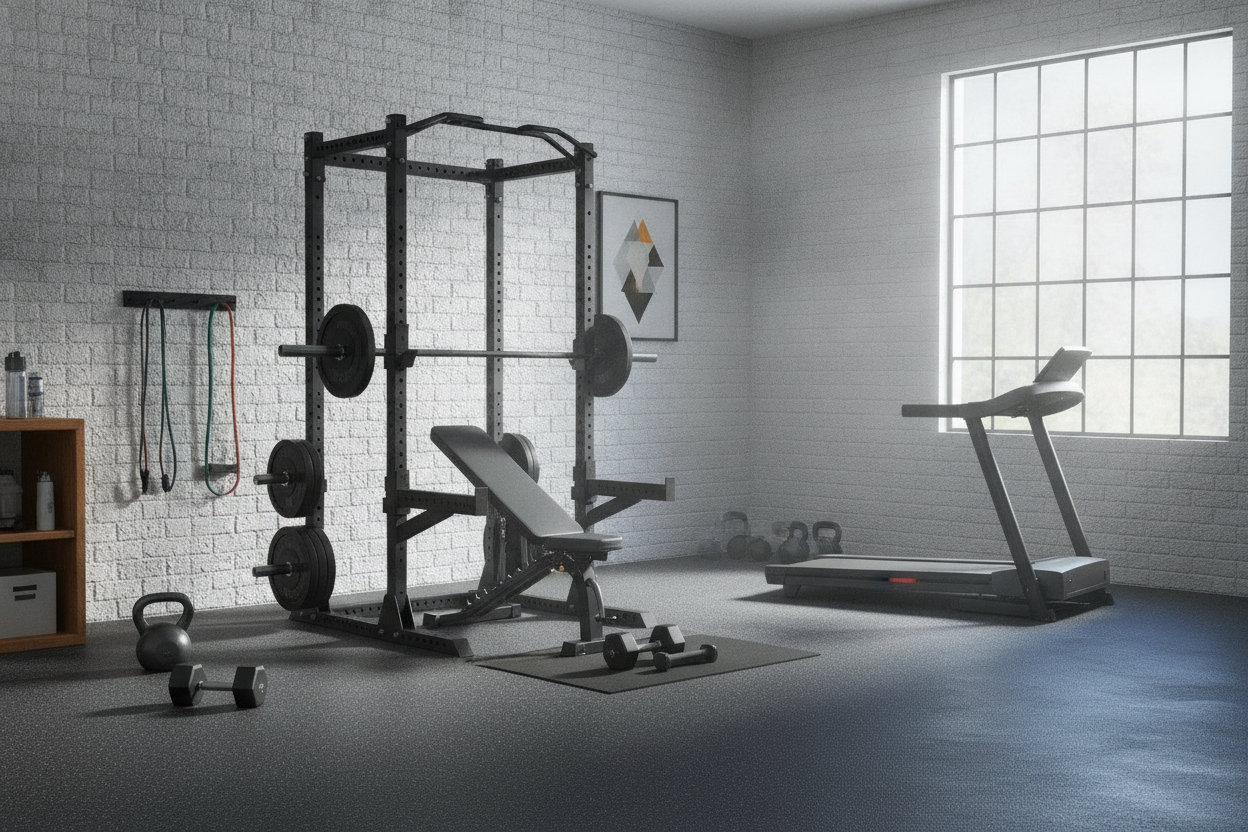
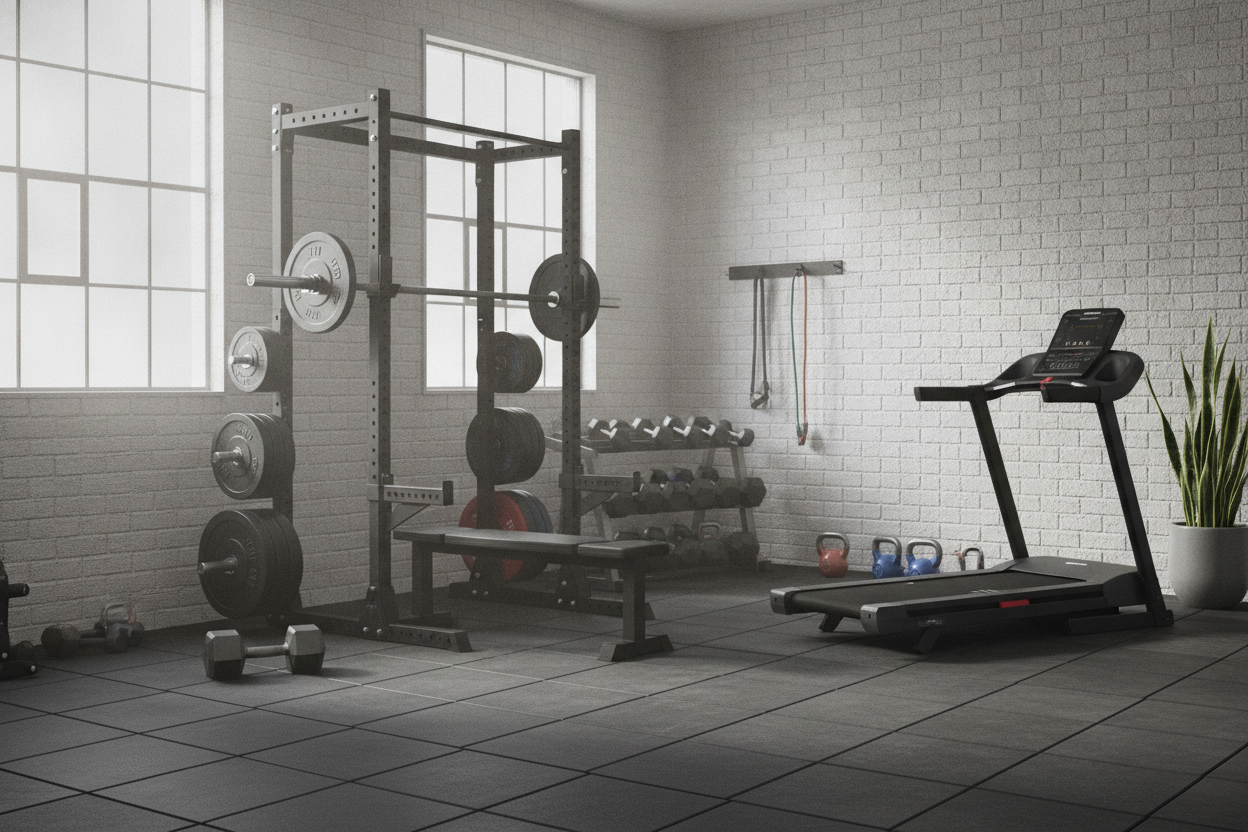
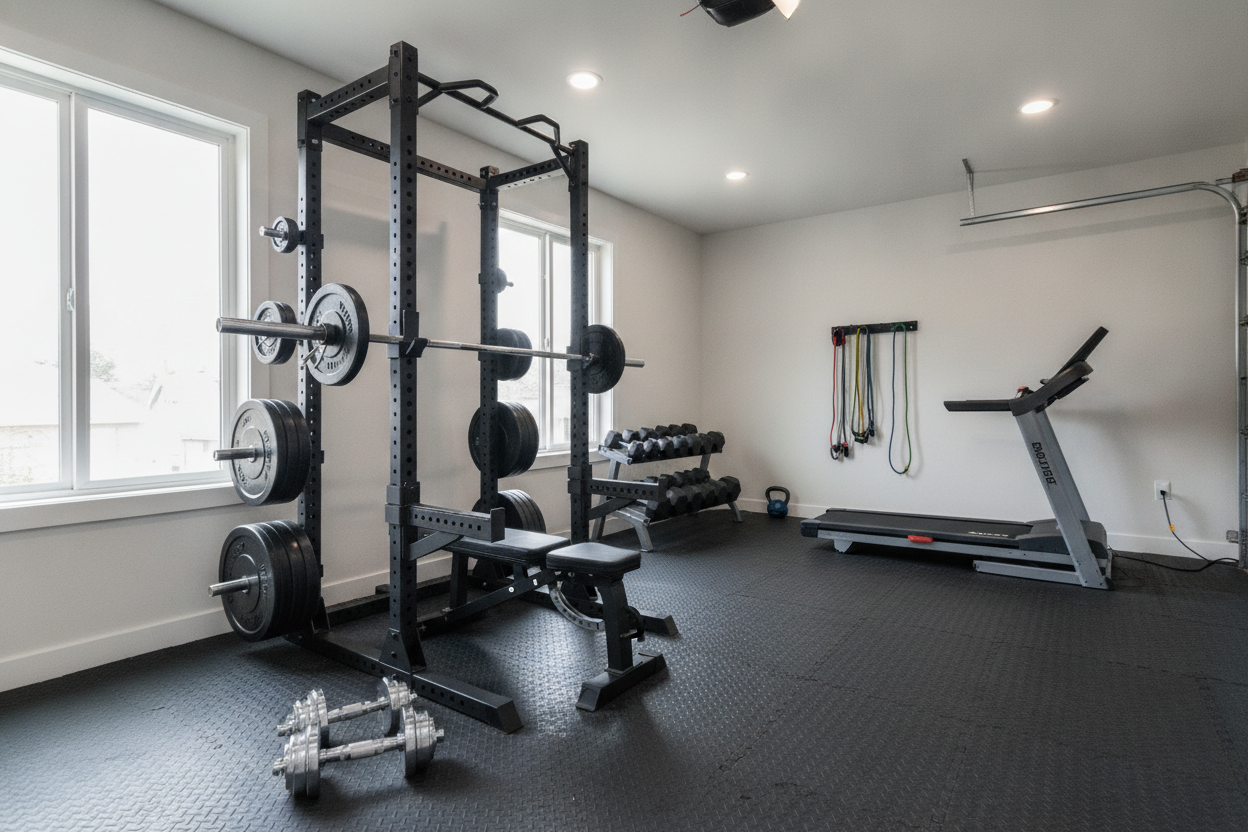
You don't need a 2,000-square-foot commercial space. You need three or four foundational pieces that allow you to squat, hinge, push, and pull. I’ve seen more progress made in a 10x10 bedroom with a barbell and a bench than in a flashy club filled with 50 different machines.
Adjustable Dumbbells That Grow With You
Stop buying individual pairs of dumbbells. You’ll run out of space and money before you run out of strength. A high-quality set of adjustable dumbbells—like the ones that range from 5 to 50 pounds—is the most versatile tool you can own. If you’re doing goblet squats or lunges, 15-pound weights will feel like nothing within three weeks. You need a system that grows with you so you can actually practice progressive overload.
The 15kg Barbell (Why Grip Diameter Matters)
As I mentioned, the 25mm shaft is the gold standard for women's bars. It’s not just about comfort; it’s about mechanics. When the bar feels secure in your hands, you can focus on driving through your heels during a deadlift rather than worrying about the bar sliding out of your palms. Look for a bar with decent knurling—that 'sandpaper' texture—so you don't have to rely entirely on chalk or straps for every set.
High-Density Flooring to Protect Your Joints
Lifting on bare concrete is a recipe for shin splints and cracked plates. Even if you're just doing bodyweight HIIT, you need a surface that absorbs impact. A 6x8ft exercise mat provides enough real estate for a full range of motion while saving your joints from the unforgiving floor. Don't settle for those flimsy foam puzzle pieces; they slide around and compress too easily under a heavy rack.
Skip the Infomercial Glute Gadgets
If an ad tells you that a specific plastic machine is the 'only way' to build your glutes, run the other way. These machines are often single-use, meaning they take up a massive amount of floor space for one specific movement. You can do more for your posterior chain with a basic barbell and a flat bench than you can with any 'booty-blaster' machine from a late-night commercial. Free weights force you to stabilize your own body, which burns more calories and builds more functional strength anyway.
Building Your Setup Without Wasting Floor Space
The biggest hurdle for most home trainees is space. You don't need to dedicate an entire garage to your gym. By using a large exercise mat for home gym setups, you can define your training zone in a spare bedroom or office. When you're done, you can lean your bench against the wall and tuck your dumbbells in the corner. Efficiency is key. Focus on 'multi-tool' equipment—things that allow for at least five different exercises—to keep your floor clear and your workouts productive.
Personal Experience: My First Home Gym Fail
I’ll admit it: the first time I built a home setup, I bought a cheap, 'entry-level' rack from a big-box store. It was rated for 300 pounds, which I thought was plenty. But the first time I racked 135 pounds, the whole thing swayed like a tree in a storm. It was terrifying. I ended up selling it for a loss and buying a real, 11-gauge steel rack. My mistake was thinking that because I wasn't a 300-pound powerlifter, I didn't need pro-grade gear. I was wrong. Stability is safety, regardless of how much weight is on the bar.
FAQ
Is a 15kg bar too light for me?
The 15kg weight is just the starting point. You'll add plates to it. The benefit isn't the lighter starting weight, but the thinner 25mm diameter that fits a woman's hand better than a standard 20kg bar.
Can I just use yoga mats for flooring?
No. Yoga mats are too thin and squishy for lifting. They will tear under the weight of a bench or dumbbells. You need high-density rubber or a dedicated heavy-duty mat to protect your subfloor and your ankles.
Do I really need weights up to 50 lbs?
Yes. For lower body movements like squats, lunges, and deadlifts, you will reach 50 lbs much faster than you think. Buying a set that caps out at 25 lbs is a waste of money for anyone serious about seeing results.