Best Gym Equipment for Women: The Truth About Home Gear
For decades, the fitness industry's approach to female-focused gear was simple: shrink it, pink it, and charge more. If you are building a home gym, you are likely tired of flimsy resistance bands and three-pound dumbbells being marketed as the best gym equipment for women. You want gear that delivers real results without compromising on durability or taking up your entire spare bedroom.
In this guide, we will cut through the marketing noise to show you exactly what to look for when outfitting your space, whether you are chasing a new deadlift PR or just want a reliable daily sweat session that challenges your muscles.
Key Takeaways
- Skip the gimmicks: The most effective gear is gender-neutral, focusing on biomechanics and adjustability rather than aesthetics.
- Prioritize micro-loading: Equipment that allows for small weight jumps (2.5 to 5 lbs) is crucial for safe upper body progression.
- Barbell specifics matter: A standard 15kg women's barbell with a 25mm shaft offers a significantly better grip for smaller hands than a standard 20kg men's bar.
- Space efficiency: Functional trainers and adjustable dumbbells offer the highest ROI for standard garage or apartment setups.
Moving Beyond the 'Pink Tax' in Fitness
Versatility Over Gimmicks
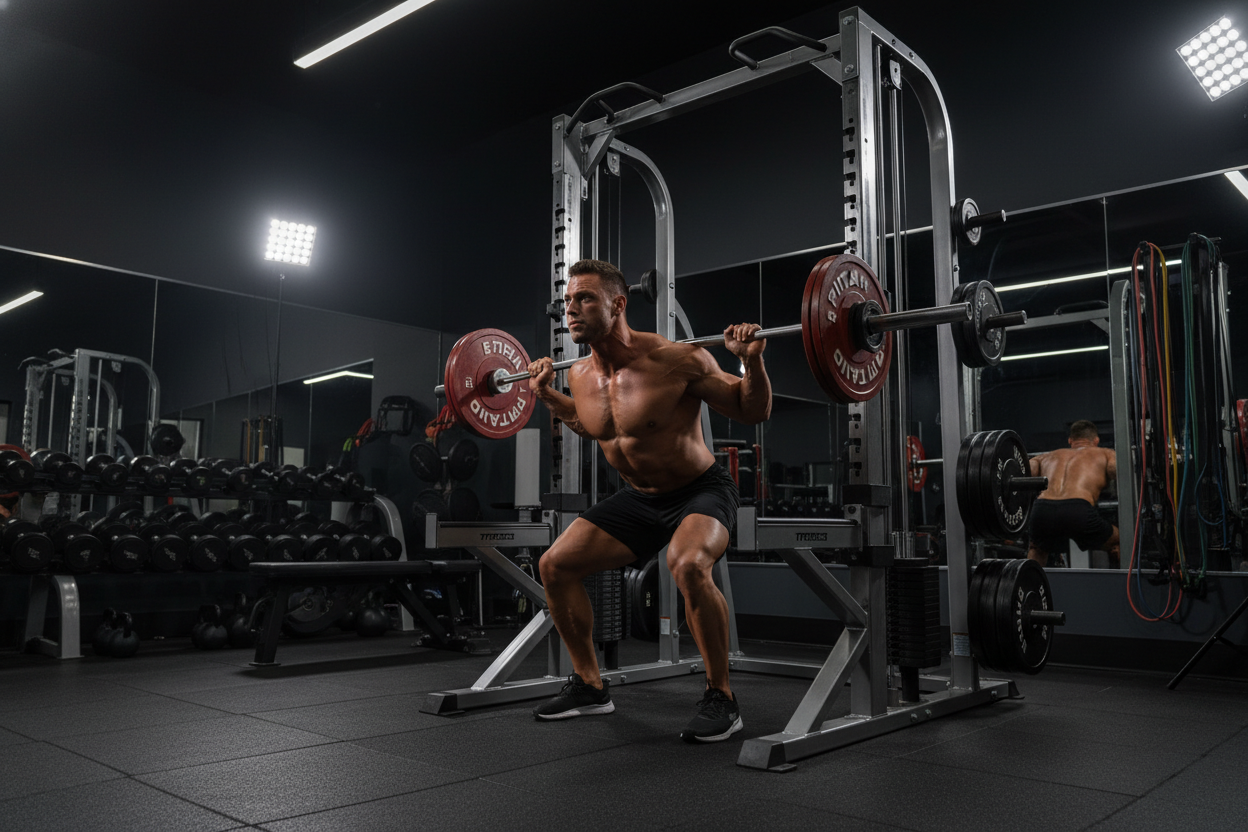
When searching for the best exercise machine for ladies, many buyers are funneled toward single-use ab sliders or light stepper machines. Realistically, your home gym budget is much better spent on versatile, commercial-grade equipment. A high-quality power rack or a functional cable trainer allows for hundreds of movements, targeting everything from heavy squats to isolated triceps extensions, giving you room to grow stronger over time.
Fitting Gear Into North American Homes
Garage Gyms vs. Apartment Corners
Space is the ultimate luxury. If you are setting up in a two-car garage, a half-rack with a lat pulldown attachment is a phenomenal centerpiece. However, if you are working with a 10x10 spare bedroom, you need to think vertically. The best workout machines for women in tight spaces are often wall-mounted cable columns. They require mere inches of floor space but provide constant, fluid tension for both upper and lower body workouts.
Programming for Strength and Hypertrophy
Targeting Key Muscle Groups
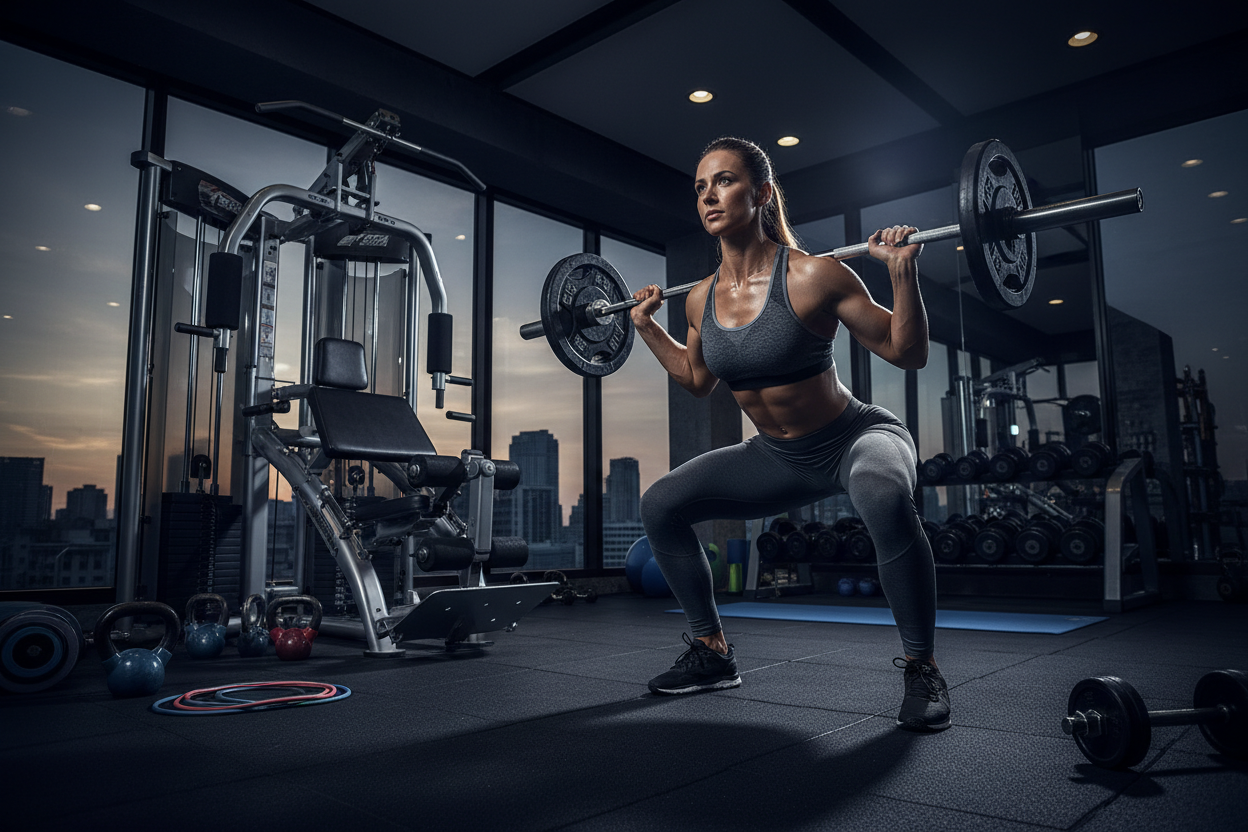
While training principles apply universally, many of our female clients prioritize glute development, core stability, and upper body toning. Because of this, the best gym machines for women often include equipment that facilitates hip thrusts, cable kickbacks, and assisted pull-ups. A sturdy adjustable bench paired with a functional trainer is arguably the most powerful combination you can own, allowing for seamless transitions between heavy lower-body lifts and high-rep upper-body accessory work.
From Our Gym: Honest Take
We recently outfitted a 400-square-foot studio space, and I spent two months exclusively testing various setups to find the best exercise machine for women who want a complete full-body workout. My biggest takeaway? Micro-adjustments are non-negotiable.
I was testing a popular compact functional trainer, and while the dual 160lb weight stacks were plenty heavy for lower body work, the 10lb jump between plates was brutally steep for lateral raises and rotator cuff work. My shoulders were stalling out. We ended up sourcing fractional weight pins (2.5 lbs) to bridge the gap. If you are investing in a cable machine, always check the weight stack ratios and increment jumps. A 2:1 ratio with 5lb effective jumps is the sweet spot for steady, injury-free progression.
Frequently Asked Questions
Is there a difference between men's and women's gym equipment?
Functionally, strength is strength, and muscles respond to resistance regardless of gender. However, the best gym equipment for women often features ergonomic adjustments, such as barbells with a narrower 25mm shaft diameter for better grip, or cable machines that allow for much smaller weight increments.
What is the best exercise machine for women just starting out?
A functional cable trainer or a high-quality set of adjustable dumbbells. Both allow beginners to start with very light resistance and safely learn movement patterns without the intimidation or massive spatial footprint of a full barbell setup.
How much space do I actually need for a home gym?
You can achieve a highly effective workout in as little as a 6x8 foot area. By utilizing wall-mounted folding racks or compact adjustable dumbbells, you can preserve your floor space while still accessing commercial-level resistance.