Puppy Pose: How to Do Extended Puppy Pose and Variations
Quick answer: To do puppy pose (extended puppy pose, Uttana Shishosana), start on your hands and knees with your hips stacked over your knees. Walk your hands forward a few inches at a time, keeping your arms active and elbows lifted off the floor, and let your chest melt down toward the mat while your hips stay high over your knees. Rest your forehead (or chin, for a deeper stretch) on the mat or a yoga block. Keep a slight curve in the lower back and breathe slowly for 30 seconds to 1 minute. To come out, walk your hands back and sit into child's pose. Puppy pose stretches the shoulders and upper back, opens the chest, and is a great counter to poor posture for desk workers.
Key takeaways
- Hips stay over the knees; don't sit back toward your heels.
- Arms active, elbows off the floor.
- Chest melts down while the hips lift up.
- Forehead on a block if the chest doesn't reach the floor.
- Pad sensitive knees with a folded blanket.
Puppy pose vs child's pose vs downward dog
| Puppy pose | Child's pose | Downward dog | |
|---|---|---|---|
| Hips | Over the knees | On the heels | High, legs straight |
| Main stretch | Shoulders, upper back, chest | Back and hips; restful | Hamstrings, calves, shoulders |
| Intensity | Moderate | Gentle | Moderate to strong |
Puppy pose sits right between child's pose and downward dog.
Muscles stretched
| Area | Effect |
|---|---|
| Shoulders and lats | Main stretch; improves shoulder mobility |
| Upper back and spine | Lengthened with a gentle backbend |
| Chest | Opened |
| Abdominal muscles | Lightly stretched |
Benefits of puppy pose
- Shoulder mobility for overhead movements.
- Counters rounded shoulders from sitting at a desk.
- Releases tension in the shoulders and upper back.
- Relaxation: slow breathing with the forehead down can help you feel calm and reduce stress.
- Prepares for gentle backbends and overhead poses.
How to do extended puppy pose
- Tabletop: on hands and knees, hips stacked over the knees, shoulders over the wrists.
- Walk the hands forward a few inches at a time, tucking the toes if you like.
- Lower the chest: exhale and let the chest move toward the floor while the hips stay over the knees.
- Arms: keep the arms shoulder width, palms pressing down, elbows lifted.
- Head: rest the forehead on the mat or a block. Relax the neck.
- Lengthen: reach the hands forward and the hips back to create length through the spine.
- Hold puppy pose for 30 seconds to a minute with slow breathing.
- Release: walk the hands back and lower into child's pose.
Variations
| Variation | How | Best for |
|---|---|---|
| Supported puppy pose | Forehead on a yoga block, blanket under the knees | Beginners; sensitive knees or neck |
| Elbows on blocks, palms together | Bend the elbows; hands behind the head | Deeper shoulder and lat stretch |
| Chin to the floor | Rest the chin instead of the forehead | Deeper backbend for flexible yogis |
| One-arm puppy | One arm forward, the other by your side | Gentle side-to-side release |
| Wall or desk puppy | Hands on a wall or desk, hinge forward standing | Office breaks; knee pain |
Common mistakes
| Mistake | Fix |
|---|---|
| Hips sinking back toward the heels | Keep the hips stacked over the knees |
| Elbows resting on the floor | Press the palms down; lift the elbows |
| Overarching the lower back | Lightly engage the abs; keep the curve gentle |
| Neck strain | Forehead on a block |
| Knee discomfort | Folded blanket under the knees |
Where puppy pose fits in yoga classes
Puppy pose is often used as a warm up for the shoulders or between more active poses. A short desk-worker sequence:
| Pose | Time |
|---|---|
| Cat-cow | 5 rounds |
| Puppy pose | 45 sec |
| Cobra pose | 3 × 3 breaths |
| Child's pose | 1 min |
For more upper-body mobility, see wall angels and thoracic spine mobility exercises.
Who should be careful
- Shoulder injury: keep the stretch gentle and the hands wider.
- Knee pain: pad the knees or use the wall version.
- Neck problems: use a block under the forehead.
- High blood pressure or pregnancy: ask your healthcare providers whether head-low poses suit you.
Practicing puppy pose at home
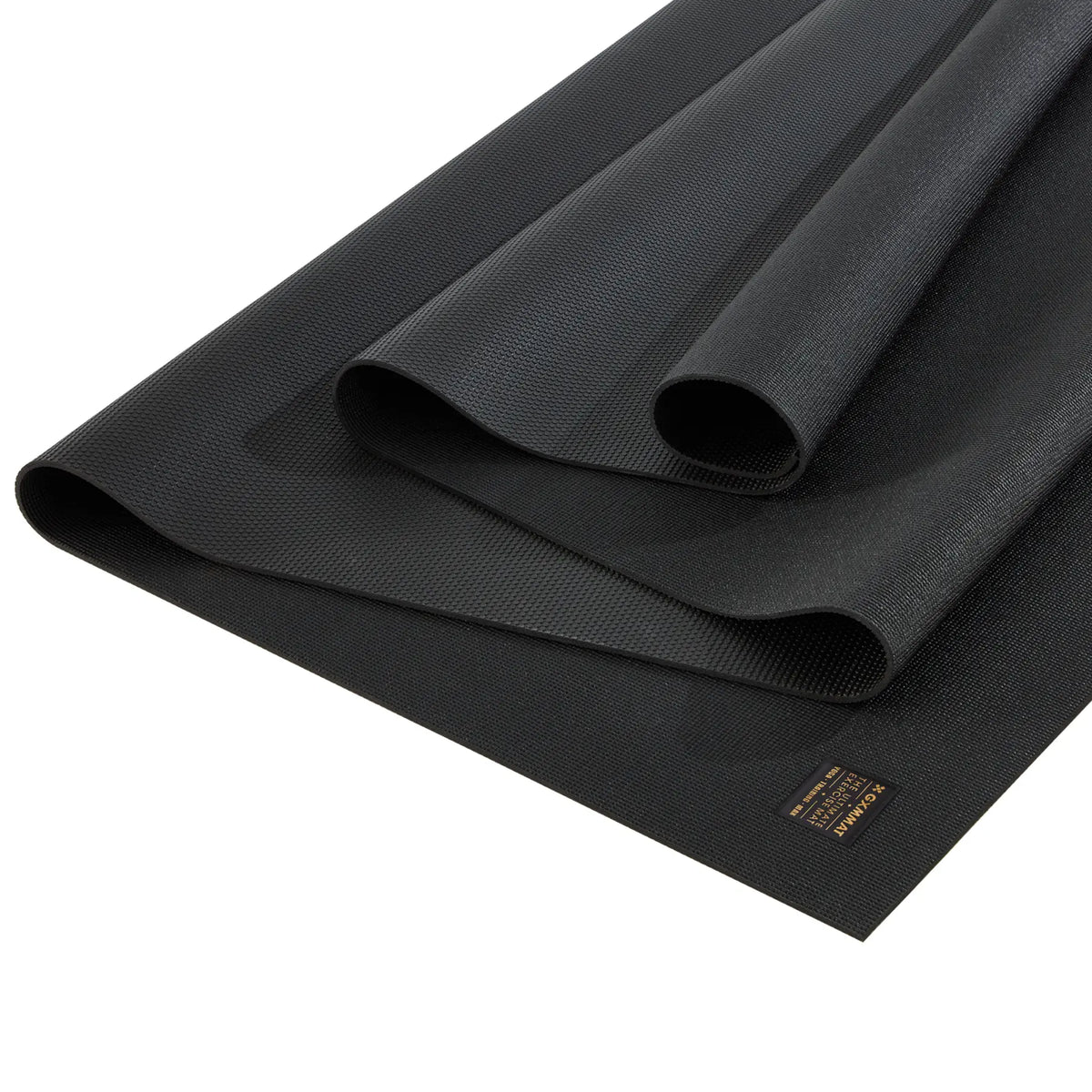
Your knees take the weight and your arms reach far forward, so you need cushioning and length. GXMMAT large yoga mats are 7 mm thick (9 mm on the 7x5) to protect the knees, and long enough for your hands to walk forward without leaving the mat. For extra knee comfort, add a kneeling pad. See the yoga mat thickness guide.
FAQ
What is puppy pose good for?
Stretching the shoulders, upper back and chest, improving shoulder mobility, and countering desk posture.
What is the difference between puppy pose and child's pose?
In puppy pose the hips stay over the knees and the chest moves toward the floor; in child's pose the hips sit back on the heels.
How long should I hold puppy pose?
30 seconds to 1 minute, with slow breathing.
What is the Sanskrit name for puppy pose?
Uttana Shishosana, often translated as "extended puppy pose."
Is puppy pose good for beginners?
Yes. Use a block under the forehead and a blanket under the knees to make it comfortable.
Written by Yuvien Royer for GXMMAT. This article is general fitness information, not medical advice.