Progressive Weight Training: Safe Home Setup Guide
Starting a program centered on progressive weight training is one of the most reliable ways to build physical capability, enhance balance, and develop lasting muscular endurance. At its core, progressive weight training involves challenging your body with incremental demands so your muscles and connective tissues adapt continuously. When setting up a training space in a living room, basement, or garage, applying progressive weight training requires a thoughtful combination of exercise structure, careful movement habits, and reliable floor protection.
What Is Progressive Weight Training?
Progressive weight training is an exercise approach where the training stimulus is increased gradually over time to encourage ongoing physical adaptation. Rather than lifting the exact same resistance every week, progressive weight training challenges your muscles to handle greater demands systematically. This concept is closely linked with progressive strength training, where the goal centers on moving heavier loads or performing more demanding tasks with proper form. In any progressive weight training regimen, the foundation is the principle of progressive overload, which states that muscles must experience greater tension over time to grow stronger.
Many people assume progressive weight training requires adding large amounts of iron to a barbell every single week. In practice, progressive weight training can progress through small weight jumps, extra repetitions, altered movement speeds, or shorter pauses between sets. By utilizing progressive strength training methods, you allow joints and tendons time to adapt alongside your muscles, minimizing the chance of setbacks. Whether using resistance training bands, free weights, or specialized machines, progressive weight training remains adaptable for every experience level.
How to Structure a Progressive Loading Workout
A successful progressive loading workout begins with selecting multi-joint movements that deliver the greatest return on effort. Incorporating compound exercises like squats, presses, rows, and deadlifts allows you to recruit several muscle groups simultaneously, establishing a strong base for progressive weight training. To expand your home gym with the right tools, exploring a strength training accessories collection can provide bands, collars, and grips that make micro-adjustments easier during your sets.
When organizing a progressive loading workout, focus on clear rep ranges and structured working sets. For example, you might select a weight you can lift cleanly for six repetitions, keeping that load until you can complete ten repetitions across all working sets. Once you hit the top of your rep ranges, you add a small amount of resistance and return to the lower end. This structured approach to progressive weight training keeps your routine organized and trackable. You can also vary tempo control, slowing down the eccentric or lowering phase of a lift to increase muscular tension without needing heavier iron right away.
Consider these core variables when organizing your progressive loading workout:
- Resistance increases: Adding small increments using plates or adjustable dumbbells.
- Volume adjustments: Completing additional working sets or extra repetitions within your target rep ranges.
- Tempo control: Lowering the weight over three to four seconds to heighten muscular demand.
- Density changes: Keeping rest intervals consistent to challenge work capacity.
By rotating these variables, progressive weight training stays engaging and sustainable over many months.
Is Progressive Overload Good for Weight Loss?
Yes, progressive overload is good for weight loss because it preserves and builds lean muscle while your body operates in an energy deficit. When reducing caloric intake to encourage fat loss, the body may break down both fat stores and muscle tissue. By practicing progressive weight training and consistent progressive overload, you send a clear signal to maintain active lean muscle tissue. In turn, maintaining lean muscle supports resting metabolic expenditure and promotes favorable long-term body composition.
Many individuals ask: is progressive overload good for weight loss when compared solely to traditional cardiovascular routines? While cardio expends calories during the session, progressive weight training shapes overall body composition and strengthens structural joints. In our full body weight training workout for fat loss article, we examine how pairing full-body resistance training with steady nutrition creates a resilient approach to body composition improvements. Combining progressive overload with cardiovascular work gives you the dual benefit of cardiovascular conditioning and muscle preservation, making progressive weight training a centerpiece for fat loss efforts.
How Do You Protect Your Floor During Progressive Strength Training?
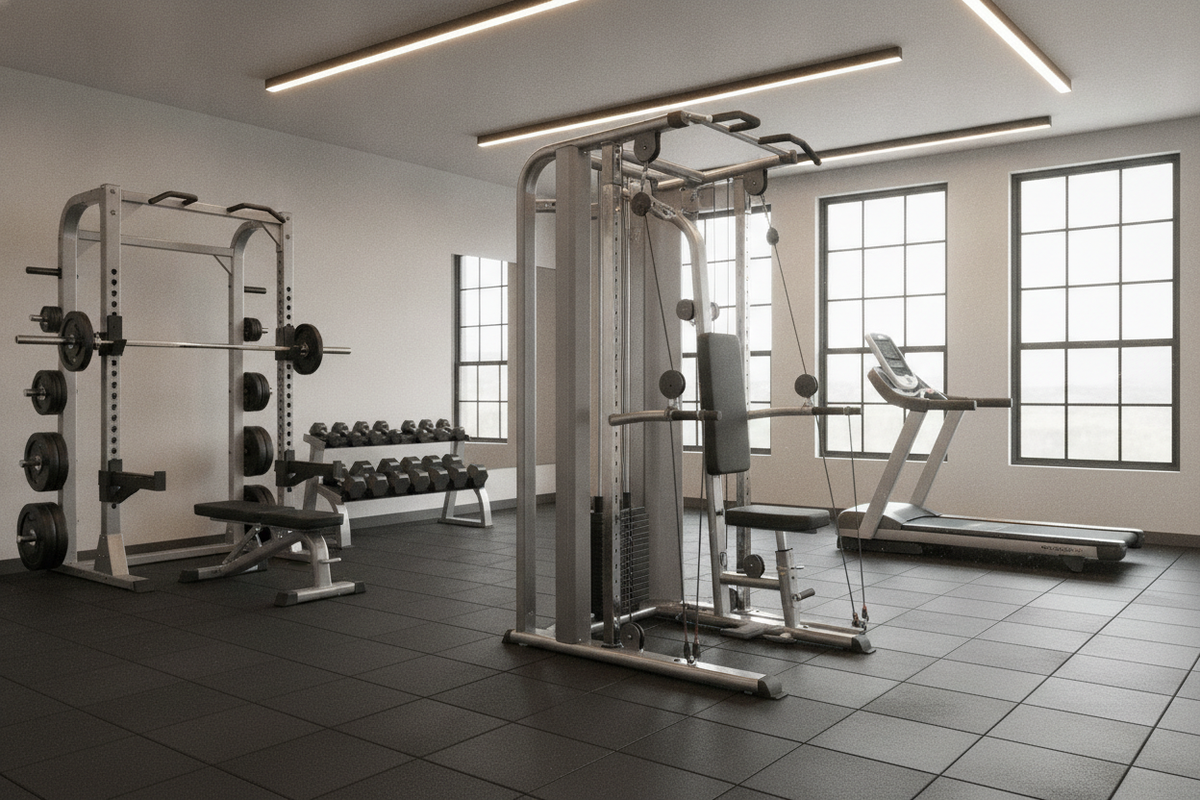
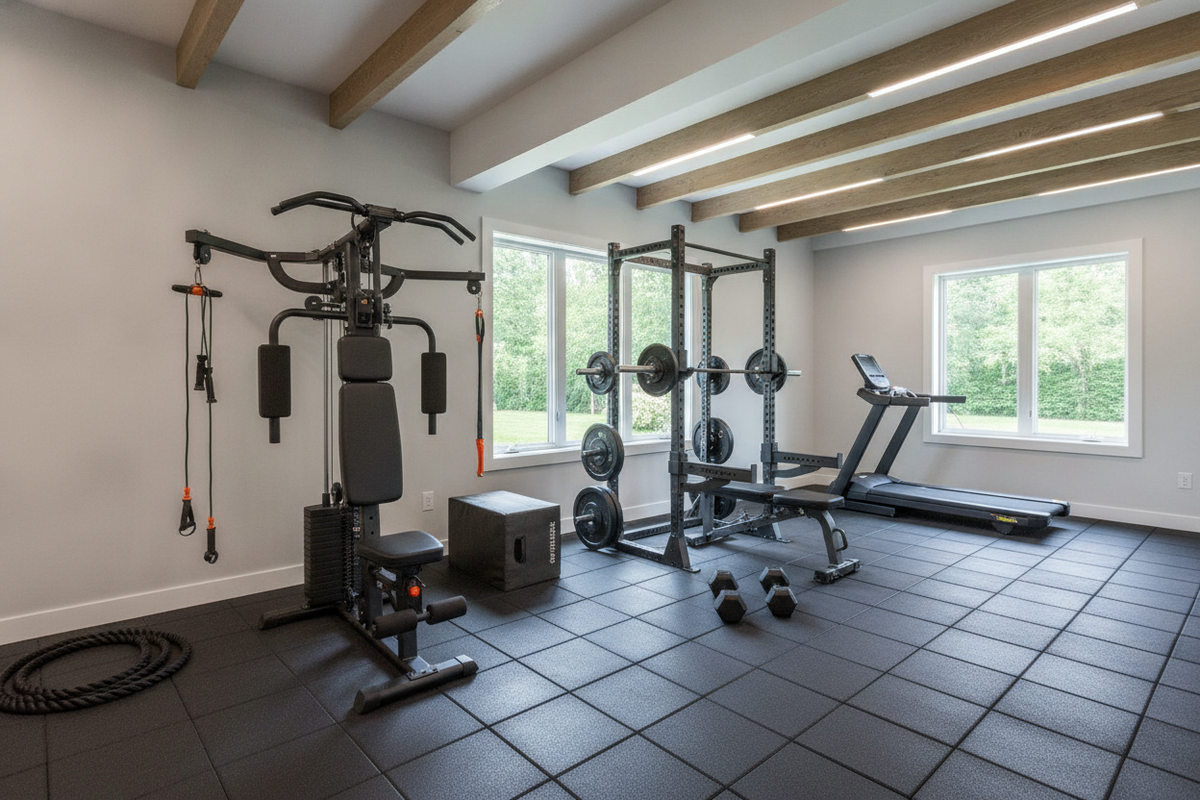
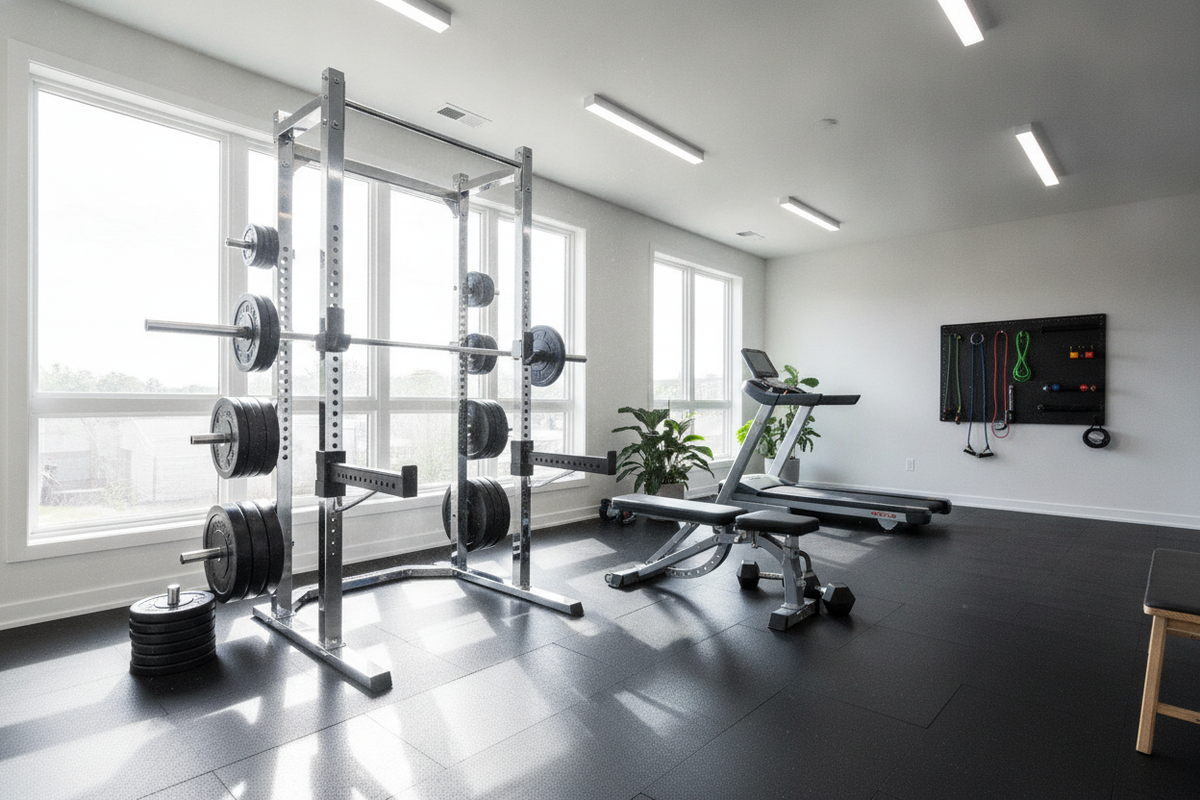
You protect your floor during progressive strength training by placing high-density home gym flooring between your equipment and the structural subfloor. As your progressive weight training leads to heavier loads, accidental drops, dumbbell taps, and the continuous downward pressure of heavy equipment can cause serious subfloor damage. Concrete can chip or develop stress fractures, while hardwood and laminate can crack, dent, or buckle under repetitive loading.
Installing dedicated floor protection ensures that the kinetic energy from setting down free weights is absorbed effectively. Investing in a resilient exercise mat and home gym flooring creates a durable barrier that safeguards your residential flooring from sudden impacts. A dense high-density exercise mat not only stops scuffs and cracks, but it also dampens vibrations that travel through walls and floorboards during progressive weight training. When choosing home gym flooring, look for materials that resist compression under heavy stationary racks while offering stable footing for explosive or heavy lifts.
Effective floor protection should support your progressive weight training space by providing:
- Shock absorption that reduces the impact of free weights and heavy plates.
- A non-slip texture that maintains stable footing during squats, lunges, and overhead presses.
- Sufficient thickness to prevent structural subfloor damage over years of regular use.
- Durable materials that do not permanently crush under heavy adjustable dumbbells or benches.
Equipment Placement and Setting Up a Lifting Zone
Proper equipment placement is essential when organizing a home lifting zone for progressive weight training. Your main training station requires adequate clearance on all sides so you can move weights without bumping into furniture, drywall, or other machines. If you use a squat rack, place it on level home gym flooring away from doorways or swinging doors. If you are browsing a lower body strength machine collection to complement free weights, map out the machine footprint early to guarantee clear walking paths.
In any home gym lifting zone, stable footing is critical during heavy compound exercises. Slippery floors or uneven surfaces can disrupt balance during a heavy set, making proper equipment placement and mat layout a top priority. Keep adjustable dumbbells on designated stands or flat floor zones rather than allowing them to roll freely across the room. When organizing your progressive fitness training area, store weight plates near the equipment where they are used most to minimize carrying heavy items across the room between sets. Thoughtful layout design ensures progressive weight training remains smooth, organized, and focused on technique.
Balancing Progressive Fitness Training with Recovery
Sustainable progressive fitness training requires balancing heavy lifting days with deliberate muscle recovery. While progressive weight training provides the stimulus for strength gains, your body actually adapts and rebuilds tissue during rest intervals. Pushing for maximum weight on every session without adequate downtime can lead to accumulated fatigue, stalling your progressive strength training momentum.
Integrating low-impact movement, mobility exercises, and dedicated recovery days supports ongoing muscle recovery between demanding sessions. Readers following our metabolic cardio and strength workout guide often use lighter conditioning days to promote blood flow without overloading the nervous system. When planning your weekly progressive fitness training calendar, space out intense progressive weight training sessions targeting the same muscle groups by at least forty-eight hours. This rhythm preserves joint integrity, supports lean muscle development, and keeps you refreshed for every upcoming progressive loading workout.
Mat Maintenance and Equipment Care
Preserving your training space requires straightforward mat maintenance and regular equipment checks. As your progressive weight training program advances and loads increase, gym mats collect sweat, chalk, and floor dust. Regular mat maintenance involves wiping down surfaces with mild soap and warm water, avoiding harsh solvents that might degrade high-density exercise mat materials over time.
Along with floor care, inspect your weight training gear on a consistent schedule. Check the safety pins on your squat rack, tighten any loose bolts on adjustable benches, and inspect the locking mechanisms on adjustable dumbbells. Routine inspections ensure that your progressive weight training setup remains dependable session after session. By combining durable home gym flooring, clean equipment, and sensible progressive overload habits, you create an inspiring home environment for long-term progressive weight training success.