Circuit Training vs Strength Training at Home
Deciding between circuit training vs strength training is one of the most common dilemmas when building a dedicated home workout routine. Both methods offer exceptional physical benefits, yet they serve distinctly different training goals and demand different floor arrangements. Understanding how exercise pacing, load selection, and recovery times interact allows you to configure your training space effectively while protecting your joints and your subfloor.
Understanding Circuit Training vs Strength Training
When comparing circuit training vs strength training, the primary distinction comes down to pacing and resistance. Circuit training strings together a series of exercises performed in rapid succession with very brief rest intervals between movements. Once a participant completes every station in the rotation, they take a brief breather before repeating the loop. The pace keeps the heart rate elevated while challenging overall muscular endurance.
In contrast, traditional strength training prioritizes moving moderate to heavy resistance through structured sets separated by dedicated rest periods. The objective is rarely rapid movement; rather, lifters focus on deliberate form, mechanical tension, and systematic progressive overload. In many home gyms, lifters rely heavily on compound lifts such as squats, presses, and rows to recruit large muscle groups and encourage muscle growth over time.
What Is the Main Difference Between Circuit Training and Strength Training?
The main difference between circuit training and strength training lies in how work and recovery are structured across each session. In a circuit format, work intervals are continuous or nearly continuous, which blends cardiovascular conditioning directly into your resistance work. In standard weight training, generous rest periods—often lasting one to three minutes—allow the nervous system and muscular energy stores to recover fully so you can lift maximum resistance on the next set.
This structural difference changes how each session feels. A workout built around circuit training vs weight training principles will challenge your lungs and test your stamina, whereas focused strength sessions tax local muscle tissue and central nervous drive. Neither approach is inherently superior, but each targets different adaptations depending on whether you want broad conditioning or raw lifting power.
How Circuit Training Works for Conditioning
Home-based circuit training excels at delivering high time efficiency. Because stations alternate between opposing muscle groups or integrate bodyweight movements, you can sustain a higher workout intensity without needing long breaks. For example, moving directly from a set of kettlebells swings to push-ups and then into alternating lunges keeps the cardiovascular fitness stimulus high throughout the thirty-minute window.
Many home exercisers build circuits using portable gear like dumbbells, resistance bands, and kettlebells alongside functional floor movements. Because you are constantly shifting positions, high-impact landings from jumping jacks or burpees can put repetitive stress on your joints if your workout area lacks adequate cushioning. Setting up reliable exercise mats or dense gym flooring creates a forgiving base that cushions dynamic footwork while keeping your footing secure during fast station transitions.
How Strength Training Builds Power and Muscle Growth
Traditional strength training remains the gold standard for developing raw power and sustained muscle growth. By using dedicated barbell exercises, heavy dumbbells, and adjustable benches, lifters create the mechanical tension necessary to stimulate muscle fibers deeply. To support these heavier loads, browsing a dedicated strength training accessories selection can help you locate supportive gear such as collars, wrist wraps, and specialized handles.
Because lifters handle heavier iron during classic weight lifting, the body requires adequate rest periods to clear metabolic fatigue between sets. Rushing between sets of heavy squats or deadlifts diminishes the load you can manage, shifting the workout away from pure strength toward general conditioning. Maintaining focused progressive overload requires that each heavy set receives your complete physical effort and concentration.
Circuit Training vs Weight Lifting for Key Training Goals
When analyzing circuit training vs weight lifting, your personal training goals should dictate which path you emphasize each week. If your goal is improving cardiovascular fitness while tightening your daily schedule, circuits offer unmatched time efficiency. You can elevate your heart rate and burn substantial energy without needing separate cardio machines.
On the other hand, if your primary aim is maximizing muscle size or setting personal records on compound lifts, classic weight training is the proven route. As explained in this comprehensive weight lifting training guide, dedicated resistance work develops bone density, joint stability, and foundational strength that rapid circuit sessions cannot fully replicate. When contrasting circuit training vs weight training, remember that weight training focuses on peak resistance per repetition, while circuits focus on overall work volume packed into limited time.
Can Circuit Training Build Muscle as Effectively as Weight Lifting?
Circuit training can stimulate muscle tone and endurance, but it does not match weight lifting for dedicated hypertrophy because the faster pace limits the loads you can handle. In a circuit setting, cardiovascular fatigue or respiratory distress often forces you to stop a set before your target muscles experience true mechanical failure. Consequently, the stimulus for progressive overload is less concentrated than during traditional weight lifting.
If you prefer the variety of fast-paced intervals but still want noticeable muscle growth, you can adapt your approach. Incorporating heavier dumbbells on the first station of a circuit before moving to bodyweight movements provides a hybrid stimulus. Nonetheless, athletes seeking substantial strength gains typically dedicate standalone days to pure lifting and reserve circuits for conditioning days.
Home Gym Setup and Flooring Needs for Each Style
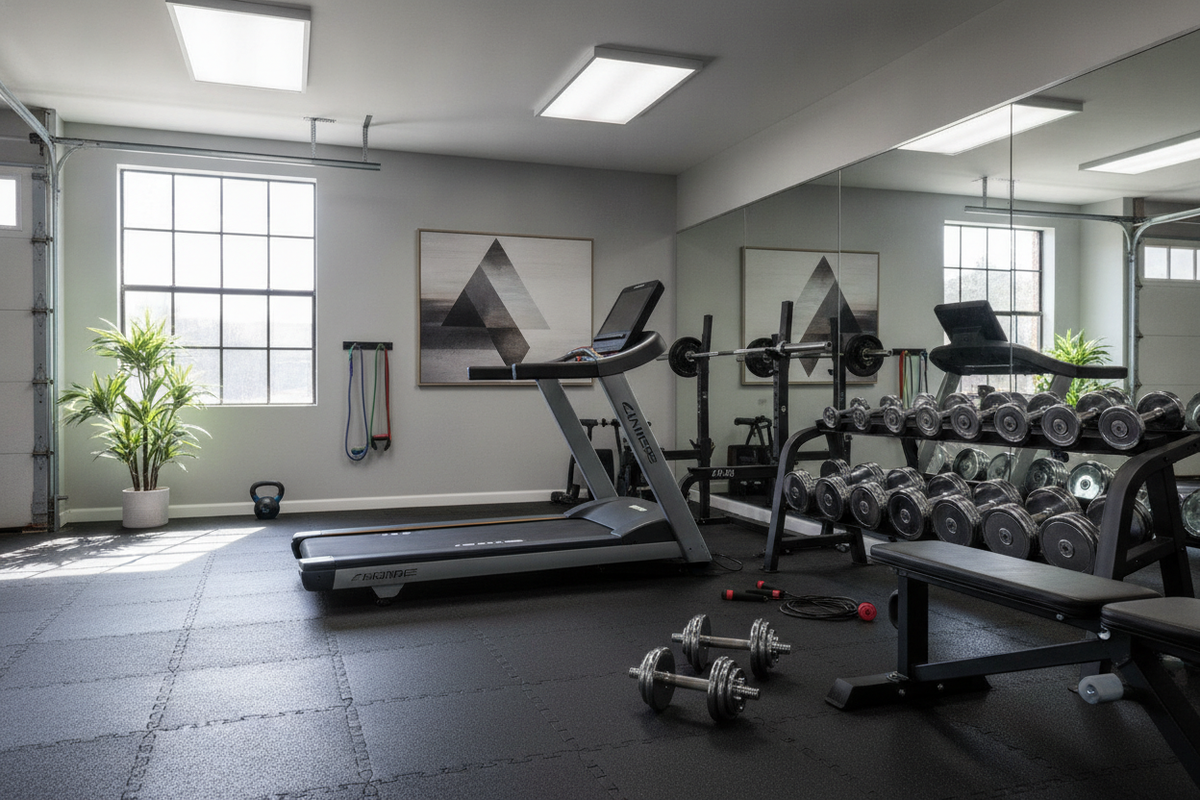
Designing an effective home gym setup requires matching your floor surfaces and equipment spacing to your chosen workout style. In a circuit environment, you need an open perimeter that allows rapid transitions between stations. If you incorporate skipping ropes, plyometrics, or kettlebells, you need seamless exercise mats that resist sliding across the room during explosive lateral drills.
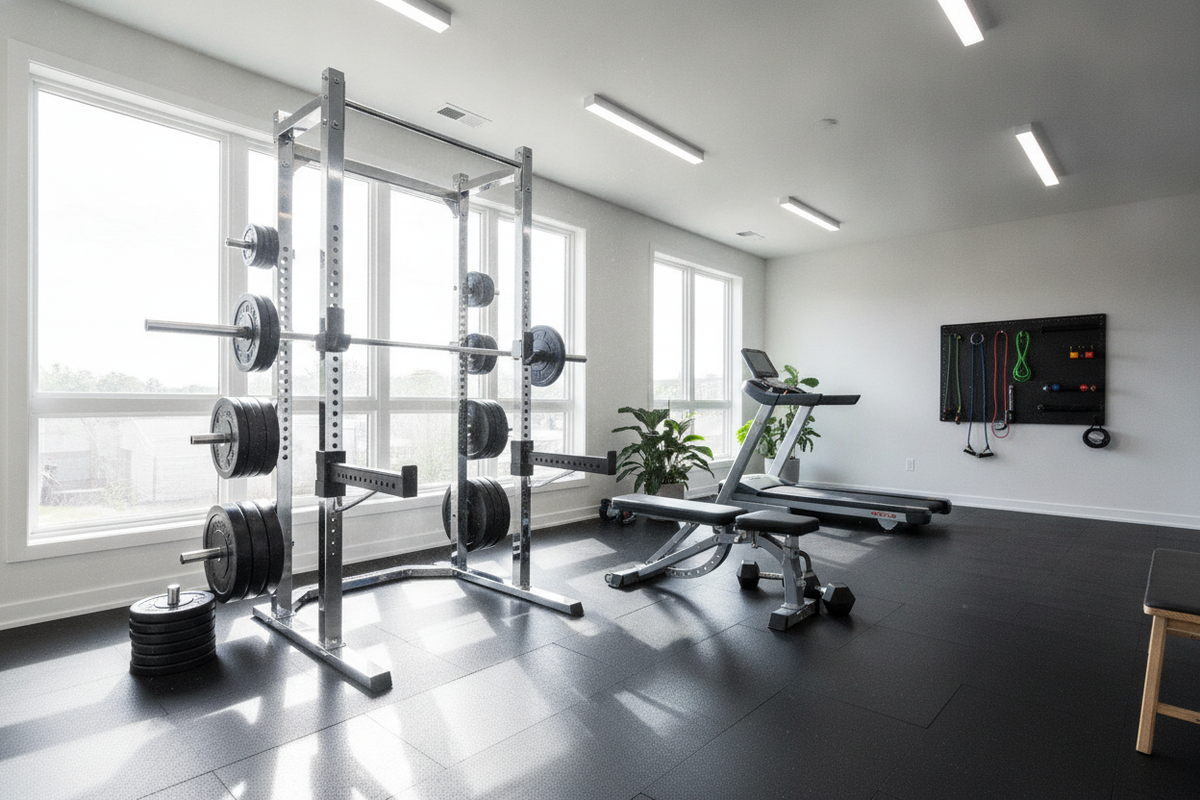
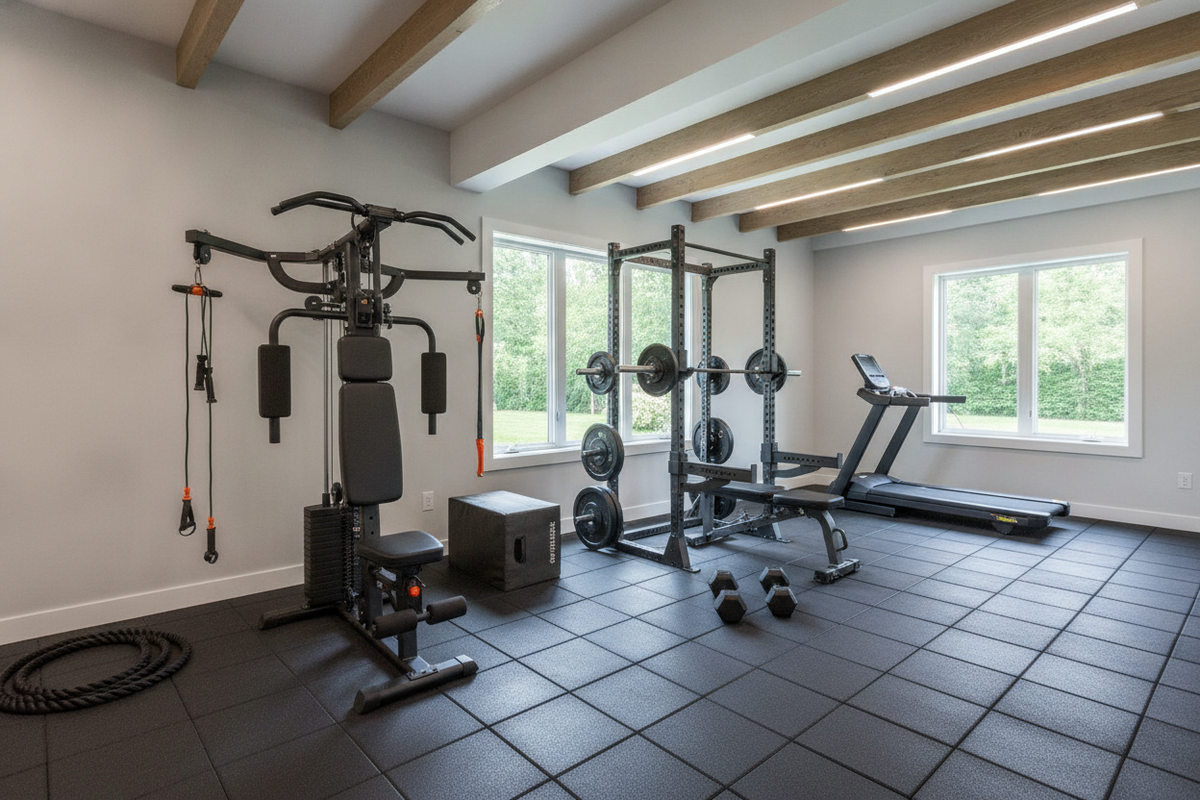
Conversely, heavy strength setups require serious floor protection beneath racks, benches, and platforms. Dropping heavy iron or setting down loaded barbells between sets can easily fracture concrete or ruin residential subfloors. Equipping your workout zone with high-density gym flooring ensures that both your subfloor and your weights remain undamaged through years of rigorous training. Those planning to install stationary equipment or cable units can explore a weight lifting machines collection to determine the exact footprint and underlayment needed for larger equipment.
Which Routine Requires More Home Gym Space and Floor Protection?
A dedicated strength program often requires denser floor protection for heavy equipment, while a circuit layout demands wider open floor space for multi-station drills. Heavy barbell exercises and plate-loaded movements exert tremendous point-load pressure on flooring, necessitating thick rubber protection to absorb kinetic energy and dampen vibration throughout your home.
Circuit routines, meanwhile, require generous equipment spacing so you can drop into bodyweight movements or swing kettlebells without bumping into nearby walls or benches. High-impact landings during plyometric circuits demand resilient gym flooring with sufficient shock absorption to protect your knees and ankles, whereas static lifting stations prioritize non-compressible footing to maintain stability during heavy squats.
Choosing the Right Routine for Your Fitness Journey
You do not have to view circuit training vs strength training as an all-or-nothing choice. Many home athletes achieve well-rounded physical fitness by alternating between the two modalities throughout the week. For instance, scheduling two days of dedicated weight lifting alongside two days of high-intensity circuit training builds a strong foundation of power while keeping endurance sharp.
If you want to read more about structuring weekly resistance splits, check out this practical weight lifting guide for insights on movement selection. In my own home gym space, laying down durable rubber mats gave me the freedom to move effortlessly from heavy barbell sets to energetic bodyweight circuits without ever worrying about damaged tiles or slippery floors.
Ultimately, evaluating circuit training vs strength training comes down to your personal schedule, physical preferences, and available space. Whether you prefer the relentless pace of a conditioning circuit or the focused intensity of heavy iron, outfitting your home gym setup with high-grade exercise mats and resilient gym flooring creates a reliable, safe environment for every workout.