Chin Ups Machine: Form and Setup Guide
Building upper body strength through vertical pulling can feel daunting if you cannot yet complete multiple repetitions with your own bodyweight. A chin ups machine bridges this gap by providing adjustable support, allowing lifters of any experience level to train pulling patterns with precision. Whether you encounter this station in a commercial fitness club or add an assisted pull up machine to your personal training room, understanding how the equipment operates ensures you reap the greatest strength benefits without straining your joints.
Understanding the Chin Ups Machine
An assisted tower relies on a counterbalanced platform that offsets a portion of your body mass. Rather than adding resistance like a standard weight cable, the chin ups machine uses a counterbalancing mechanism where selecting heavier plates makes the movement easier. Understanding this counter-intuitive setup is essential before stepping onto the platform.
How does a chin ups machine work?
A chin ups machine works by using a selectorized weight stack connected through pulleys to a movable foot bar or knee pad, counterbalancing your body mass as you pull upward. When you choose fifty pounds on the stack, the platform pushes upward with fifty pounds of force, meaning your working muscles only need to lift the remaining portion of your total weight. As your upper body strength develops over time, you reduce the pin setting so that your muscles take on a higher percentage of the work.
Many lifters confuse the chin-up with traditional pull ups. While both exercises rely heavily on the latissimus dorsi and surrounding back muscles, the primary difference lies in the grip orientation. A standard pull-up uses an overhand, pronated position where palms face away, shifting more work to the upper lats and teres major. In contrast, the classic machine chin up employs an underhand grip, also referred to as a supinated grip, with palms turned inward toward your face. This rotation increases recruitment of the biceps and alters the angle of elbow flexion, often making it more accessible for developing athletes while still building exceptional pulling power.
How to Set Up and Execute a Machine Chin Up
Proper execution on an assisted pull up machine begins before you step onto the station. Approaching the station with a methodical sequence keeps your joints safe and ensures consistent muscle engagement from the first repetition to the last.
- Set the counterbalance: Insert the pin firmly into the chosen weight stack. If you are unfamiliar with the unit, choose a moderate level of counterweight assistance to test your control before attempting heavier working sets.
- Grasp the handles: Reach up and take hold of the inner parallel or straight bars using an underhand grip, positioning your hands roughly shoulder-width apart.
- Mount the platform: Place one knee firmly onto the padded lever while holding your torso upright. Slowly transfer your weight and bring your second knee onto the knee pad, letting the platform sink downward until your arms are fully extended.
- Initiate the pull: Rather than yanking with your arms, begin by depressing and retracting your shoulder blades. Pull your elbows down toward your ribs while driving your chest toward the bar in a steady, controlled tempo.
- Reach full contraction: Continue pulling until your chin clears the height of the handles, keeping your core braced and avoiding excessive spinal arching.
- Lower with intention: Reverse the motion under control, taking two to three seconds to return to a full hang. Allow your arms to reach complete range of motion without relaxing your shoulders completely at the bottom.
- Dismount safely: When finished, step one foot onto the stationary foot peg, allow the platform to rise gradually until it rests at the top stop, and then step down carefully.
Planning a Productive Chin Up Machine Workout
Integrating this movement into your weekly routine creates a predictable path toward mastering unassisted pulling. A well-designed chin up machine workout treats vertical pulling with the same structural importance as squats or presses, balancing training volume against adequate recovery.
Can a chin up machine workout help build full bodyweight chin-ups?
Yes, a chin up machine workout can directly build the foundational pulling power and motor patterns required to perform unassisted bodyweight chin ups. By systematically reducing the counterweight each week, you condition your lats, biceps, and core stabilizers to handle progressively larger percentages of your own mass.
To program your sessions effectively, consider where pulling fits within your split. If you are organizing a comprehensive routine from scratch, our beginner gym machine workout guide outlines how to sequence multi-joint upper movements alongside your other core exercises. When structuring a dedicated chin up machine workout, select rep ranges between six and ten repetitions for strength adaptation, or eight to twelve repetitions for muscular development. Aim for three to four working sets after completing two light warm-up sets with higher counterweight.
Apply the principle of progressive overload across consecutive weeks. Instead of jumping to lower assistance too quickly, focus first on completing all target sets with strict form and a steady, controlled tempo. Once you hit the top end of your rep target across every set, reduce the pin by a single plate increment. Lifters frequently pair vertical pulling sessions with lower-body training days; if you are organizing an upper-lower split, you can explore our lower body strength machine collection to coordinate balanced full-body programming.
Common Mistakes on the Chin Ups Machine
Even with mechanical assistance, poor habits can limit your gains or cause discomfort in your shoulders and wrists. Watching out for these common errors will keep your training productive.
One frequent mistake during machine chin ups is using momentum off the bottom bounce. When you descend quickly, the counterbalanced lever springs upward, propelling your body through the initial portion of the lift without active muscle engagement. To correct this, pause momentarily at the bottom hang before initiating each pull through deliberate elbow flexion and lat engagement.
Another error involves cutting the range of motion short. Many lifters stop the descent with elbows bent at ninety degrees or fail to pull high enough for their chin to pass the grip bar. Partial reps reduce tension along the full length of the latissimus dorsi, limiting strength gains at end-range positions. Finally, avoid flaring your elbows wide outward when using a supinated grip; keep your elbows tracking forward in line with your wrists to protect joint alignment.
Floor Protection, Placement, and Stability for Heavy Towers
An assisted pull up machine is a substantial piece of equipment featuring a vertical footprint and a tall steel tower. Ensuring safe operation requires proper positioning and durable surface protection, whether installed in a commercial facility or incorporated into a home gym.
Where should I place a chin up machine in a home gym?
You should place a chin up machine on a completely level surface that provides generous overhead clearance above the top crossbar, ensuring your head does not contact the ceiling during full contraction. Allow at least one to two feet of space between the top of your head at peak height and any ceiling joists, light fixtures, or garage door tracks.
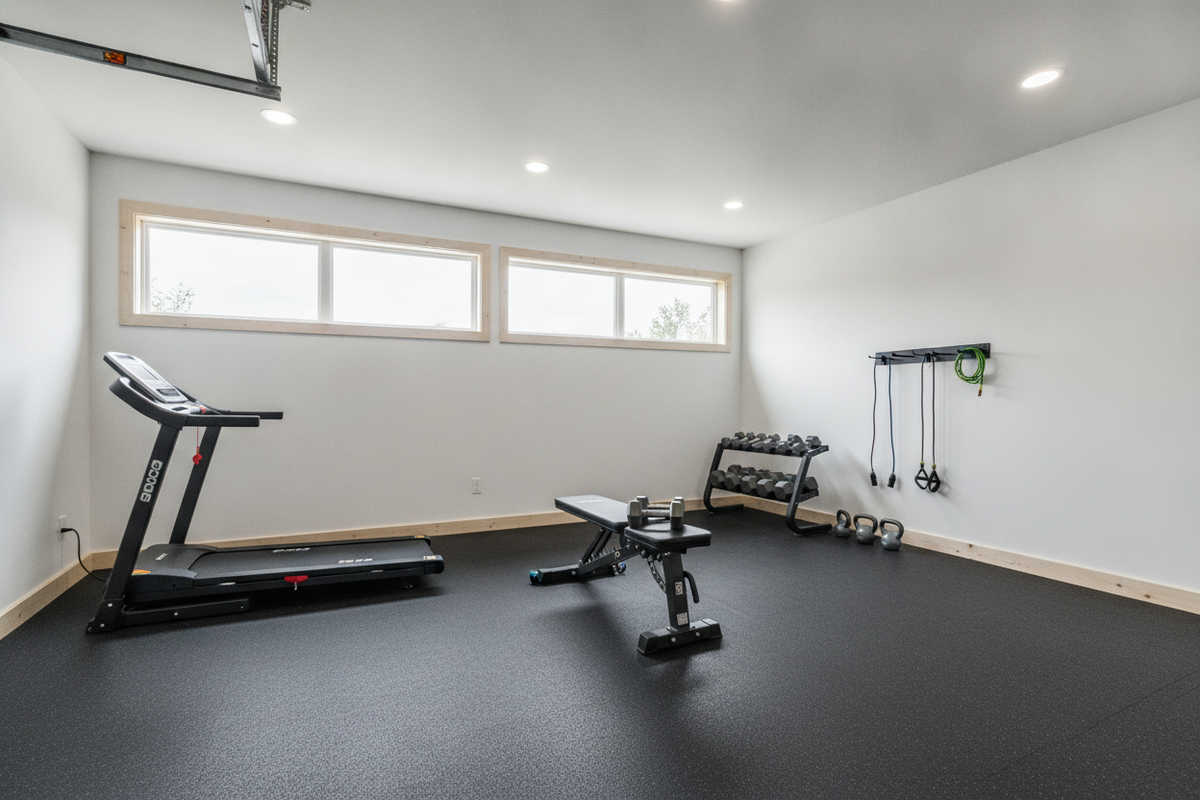
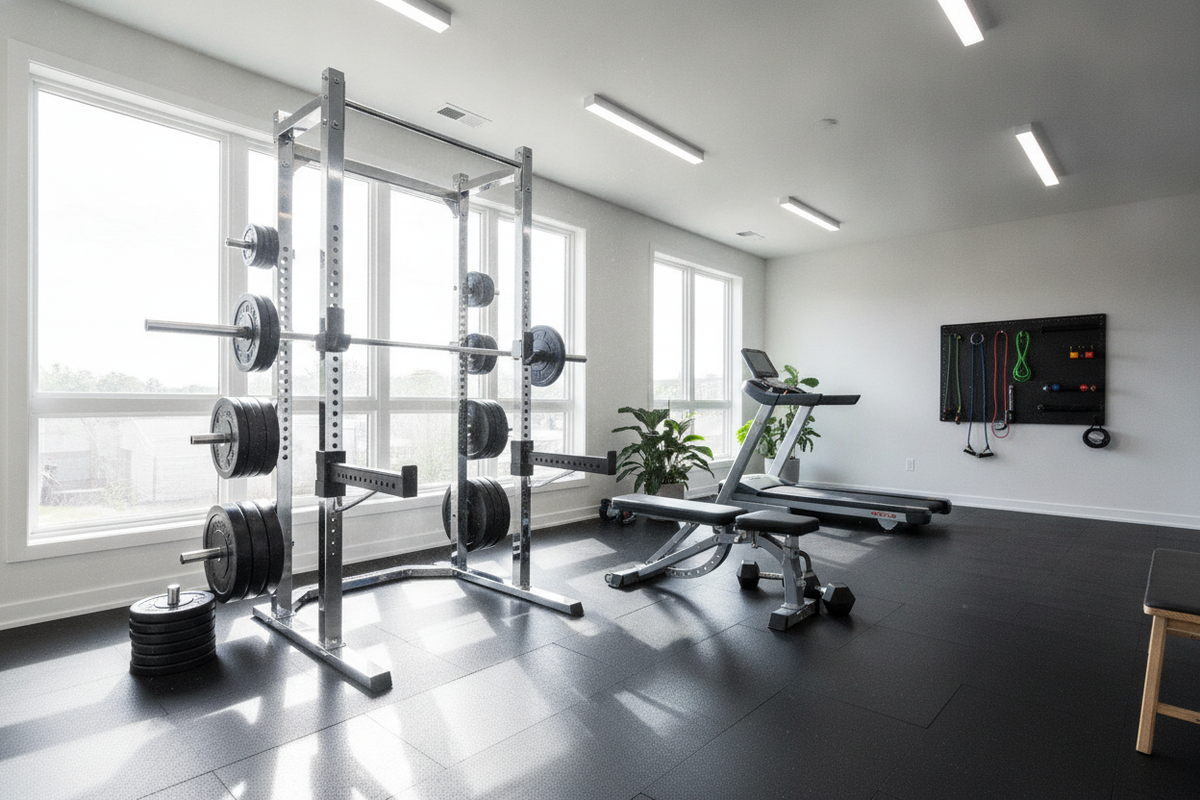
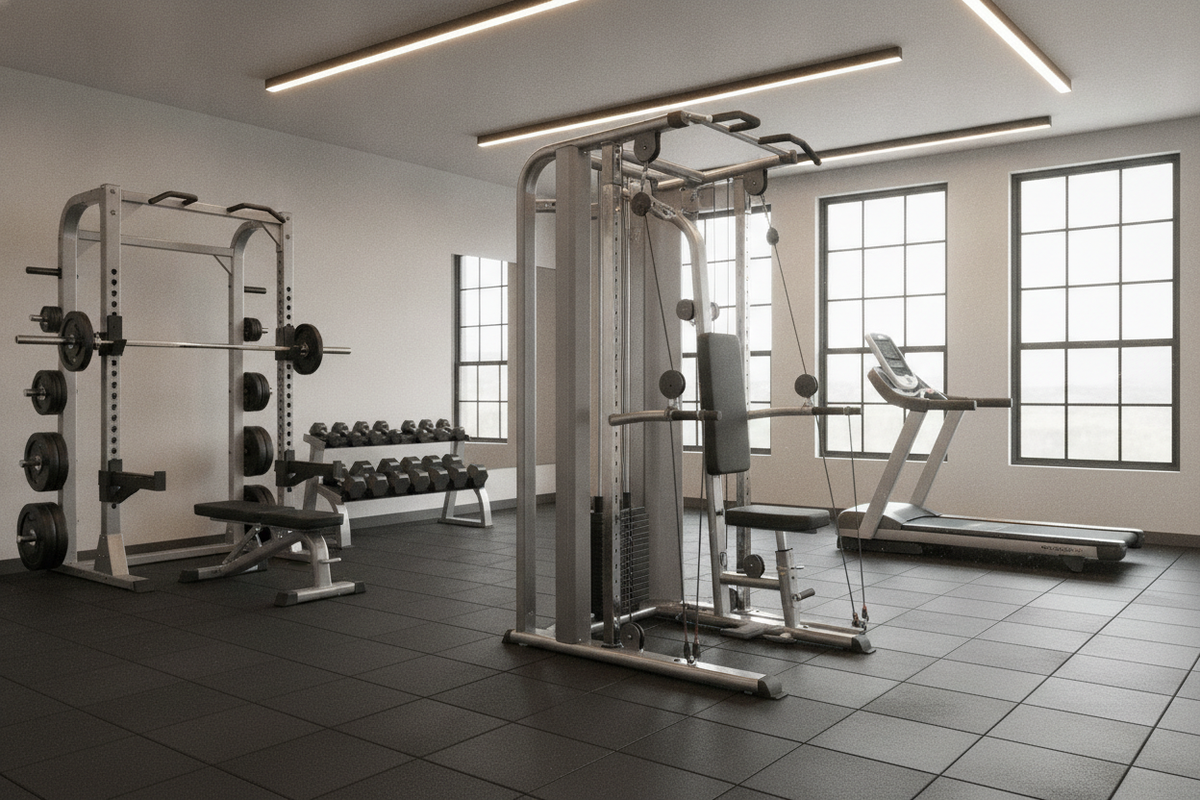
Beyond ceiling height, establishing your home gym setup requires thoughtful attention to floor protection and subfloor safety. Tower machines concentrate significant downward pressure onto small metal feet, creating high point-load forces that can crack concrete, indent hardwood, or damage underlying subflooring over years of use. Placing a dense large gym flooring mat underneath the frame cushions this concentrated pressure, distributes equipment weight, and dampens vibration generated by the sliding weight stack.
A heavy-duty gym floor mat also prevents the machine base from shifting or walking across slick garage or basement floors when athletes mount and dismount the station. Quality floor protection keeps your foundation pristine while keeping your equipment firmly anchored during demanding sets. With adequate clearance, solid flooring, and deliberate technique, the chin ups machine serves as one of the most reliable cornerstones in any long-term strength program.