How to Choose the Best Compact Power Cage for Your Home Gym Setup
Setting up a home gym has become more popular than ever, and one of the smartest investments you can make is a space-saving strength station. A compact power cage, also known as a compact power rack or compact weight rack, provides serious training capacity while fitting neatly into tight spaces. This guide explores what to look for in these multipurpose strength tools and how to select the right one for your fitness goals and available room.
Understanding the Compact Power Cage
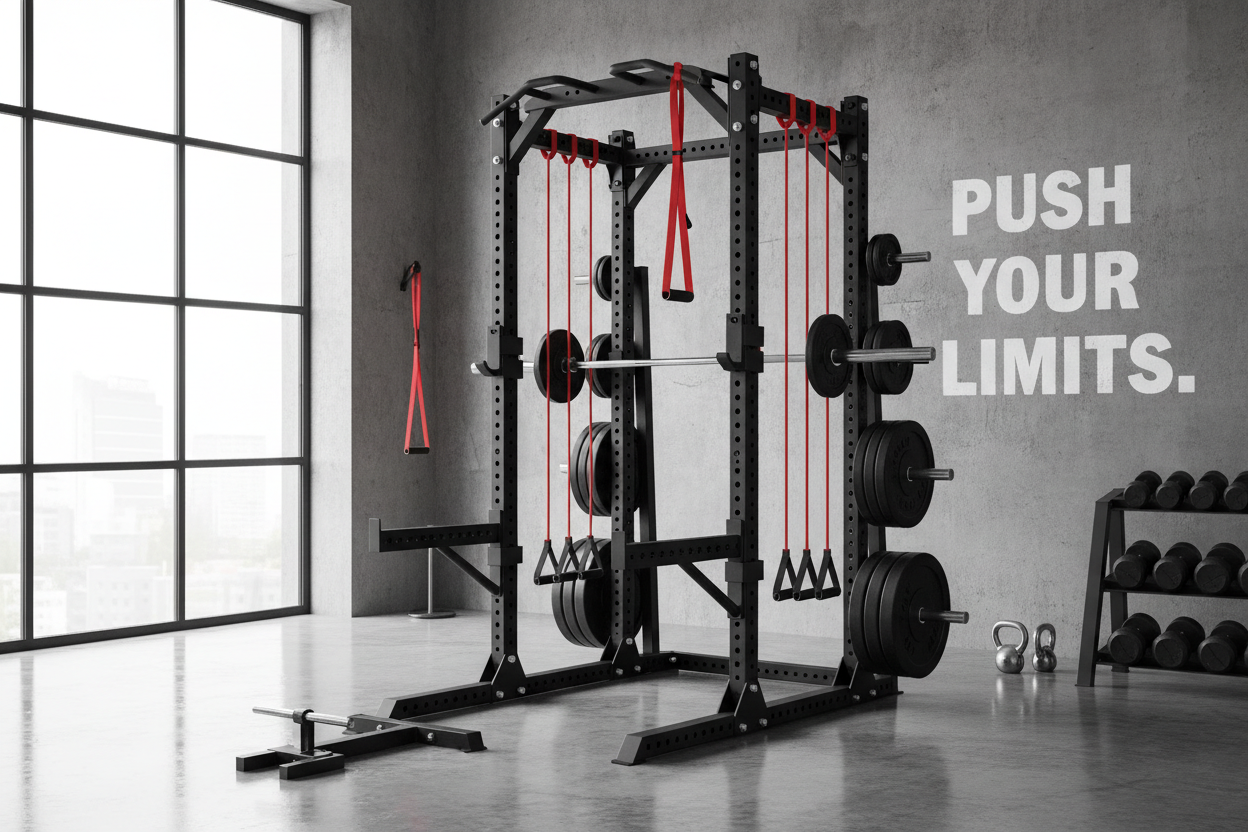
A compact power cage is essentially a smaller version of a full-sized power rack. It provides stability and safety during exercises such as squats, bench presses, and overhead movements. With a sturdy steel frame and adjustable supports, it allows you to train effectively without a permanent gym setup. Many models also include attachments for accessories like pull-up bars, dip stations, or cable extensions, adding to their versatility.
When space is limited, choosing a compact model ensures you can perform compound lifts safely without compromising your living area. This is why both beginner and experienced lifters find these solutions appealing—they deliver the same stability of commercial racks in a reduced footprint.
Comparing Compact Power Rack and Mini Squat Rack Designs
Although the terms are often used interchangeably, there are differences between a compact power rack and a mini squat rack. A compact power rack typically offers four upright posts for balanced support and enhanced safety. This structure provides multiple barbell height adjustments and can handle heavier loads. A mini squat rack, on the other hand, often has only two uprights and saves additional space, but it requires careful setup to maintain stability.
If you frequently train alone, a compact power cage is usually the safer choice because it includes built-in safety bars to catch the barbell in case of failure. However, if you focus on lighter workouts and have minimal room, the mini squat rack can still provide great value and convenience.
Choosing the Right Compact Weight Rack
The compact weight rack refers to the component or extension used to store your plates and barbells neatly. Some power racks come with integrated storage pegs, while others may require separate stands. Well-organized storage not only saves space but also keeps the training area safer. Make sure to choose a design that supports the type of weights you own—standard or Olympic-sized—and can handle your full collection without risk of tipping.
Key Features to Look For
-
Frame Construction: Look for heavy-duty steel with reinforced welds. A durable compact power cage should have a weight capacity that exceeds your lifting expectations.
-
Footprint: Measure your available area before buying. The ideal compact rack fits comfortably within your ceiling height and leaves enough clearance for exercises like pull-ups.
-
Attachments: Accessories such as J-hooks, safety arms, or dip handles increase versatility. Modular options allow you to upgrade later if your training style evolves.
-
Ease of Assembly: Compact racks are usually straightforward to assemble, but double-check whether tools are included and how much floor protection is recommended.
Including a Compact Bench Press Rack in Your Routine
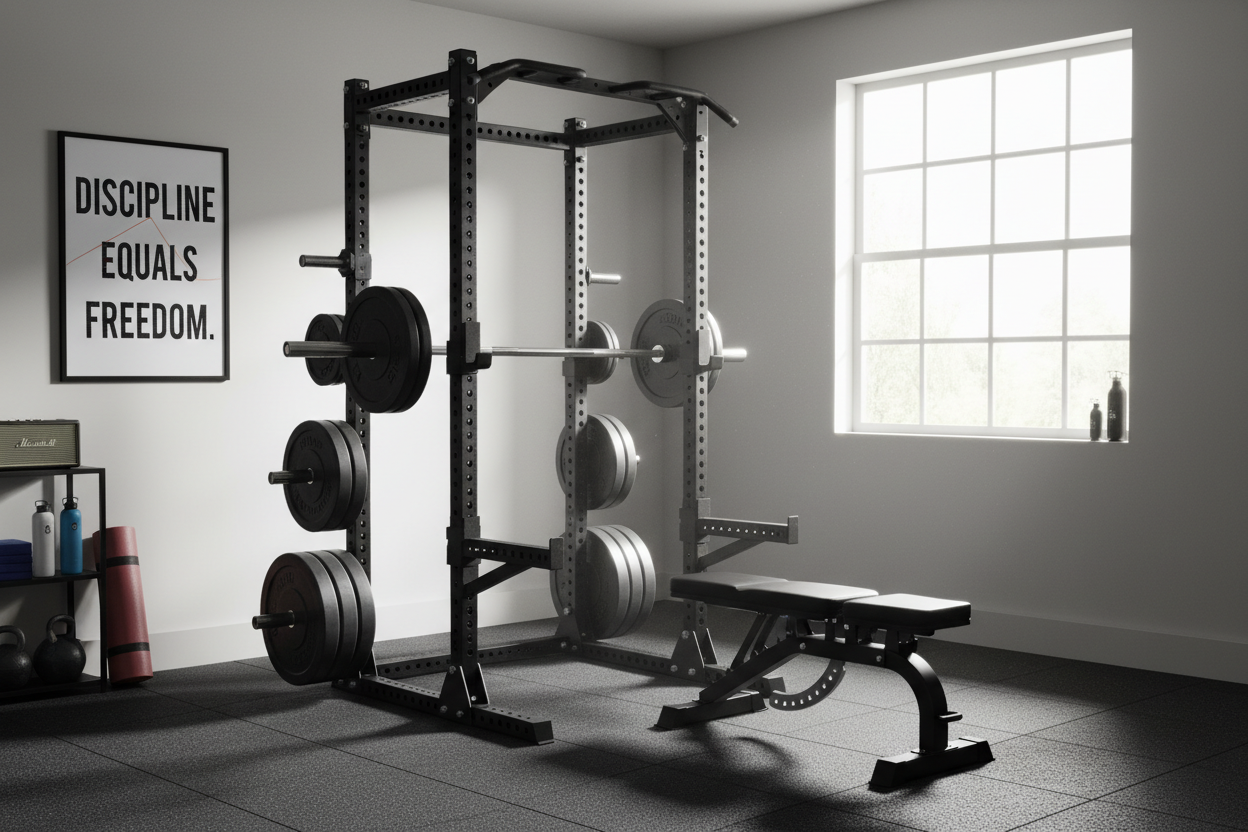
If your workouts include heavy pressing movements, consider adding a compact bench press rack to your platform. This specialized setup aligns perfectly under a power cage for stable and adjustable bench angles. Look for benches that lock securely into position and allow you to perform incline, flat, and decline presses without shifting. Combining a bench press rack with your compact cage creates a multifunctional training zone that supports both upper and lower body work in one area.
Personal Experience and Practical Setup
When I first moved into a small apartment, I worried that serious strength training would be impossible. After some research, I invested in a compact power rack with integrated weight storage and an adjustable bench. The entire setup fit neatly against one wall, allowing me to squat, press, and pull without interference. The convenience of training at any hour without crowding my living space made a noticeable difference in consistency and progress. This firsthand experience reinforced the value of prioritizing equipment that balances sturdiness, safety, and efficient use of space.
Even in compact environments, maintaining proper form and load management is essential. I found that using safety bars at the correct height and storing weights immediately after use kept the training zone safe and enjoyable.
Safety and Maintenance Considerations
Regular inspection is critical for the longevity of any steel rack. Check bolts and fasteners every few weeks to ensure tightness. Avoid placing the cage on uneven surfaces, as this causes wobbling and stress on the joints. Place a thick mat underneath to protect flooring and enhance stability. Keeping the frame clean and dry also prevents rust, particularly in humid climates or garages without temperature control.
For those who share equipment with family or housemates, setting clear usage guidelines minimizes wear and improves safety. For example, always re-rack weights properly and avoid dropping loaded barbells onto the safeties unnecessarily.
Final Thoughts
A compact power cage or mini squat rack represents a smart long-term solution for home gym training. By combining high functionality with a conservative footprint, these racks allow lifters to perform full-body routines efficiently. Choosing a model built from durable materials, designed for secure assembly, and adaptable through useful attachments ensures it will remain a cornerstone of your workouts for years.
Whether you build an entire home gym around it or simply want a reliable foundation for lifting safely at home, the compact power rack, combined with a compact bench press rack and a solid weight storage system, provides both performance and convenience for modern strength enthusiasts.