Stop Doing Endless Cardio: The Real Blueprint for Sculpting Defined Legs
Everyone wants to know the secret formula for lower body definition. You look in the mirror and wonder exactly what needs to change to see those muscular lines pop. The answer isn't buried in a complex algorithm or a magic pill. To get defined legs, you need a combination of resistance training to build the muscle and nutritional adjustments to reveal it. That is the entire equation. You cannot tone what isn't there, and you cannot see what is covered by a layer of body fat. If you are looking for nice toned legs, you have to embrace lifting heavy things and fueling your body correctly.
Setting Realistic Timelines: A Week vs. A Month
Let’s address the most common internet search immediately. If you are frantically searching for how to tone your legs in a week, you need to temper your expectations. Physiologically, muscle tissue does not grow significantly in seven days. However, you can change how your legs look in a week. By reducing sodium intake, drinking more water to flush out retention, and performing high-repetition workouts to increase blood flow (the "pump"), your legs can appear tighter and smoother. This is a temporary cosmetic fix, not a structural change.
The real magic happens a bit later. Learning how to tone your legs in a month is a much more viable goal. In four weeks of consistent training, you can build early-stage muscle tissue and drop enough body fat to see a visible difference. You won't look like a bodybuilder, but you will notice your jeans fitting differently and a firmer feel to your quadriceps and hamstrings. This four-week mark is usually where the neurological adaptations settle in, meaning your muscles start firing more efficiently, making you stronger and ready for heavier weights.
The Foundation: Compound Movements
If you want to know how to get really toned legs, you have to stop relying solely on the adductor machine or ankle weights. You need compound movements that recruit multiple muscle groups at once. These exercises burn more calories and trigger a greater hormonal response for muscle growth.
The absolute best exercise for fit legs is the squat, followed closely by the lunge and the deadlift. These aren't just leg exercises; they are full-body stabilizers. When you perform a goblet squat or a walking lunge, you are forcing your glutes, quads, and hamstrings to work in unison. This coordination is what creates that athletic, flowing look rather than a disjointed collection of muscles.
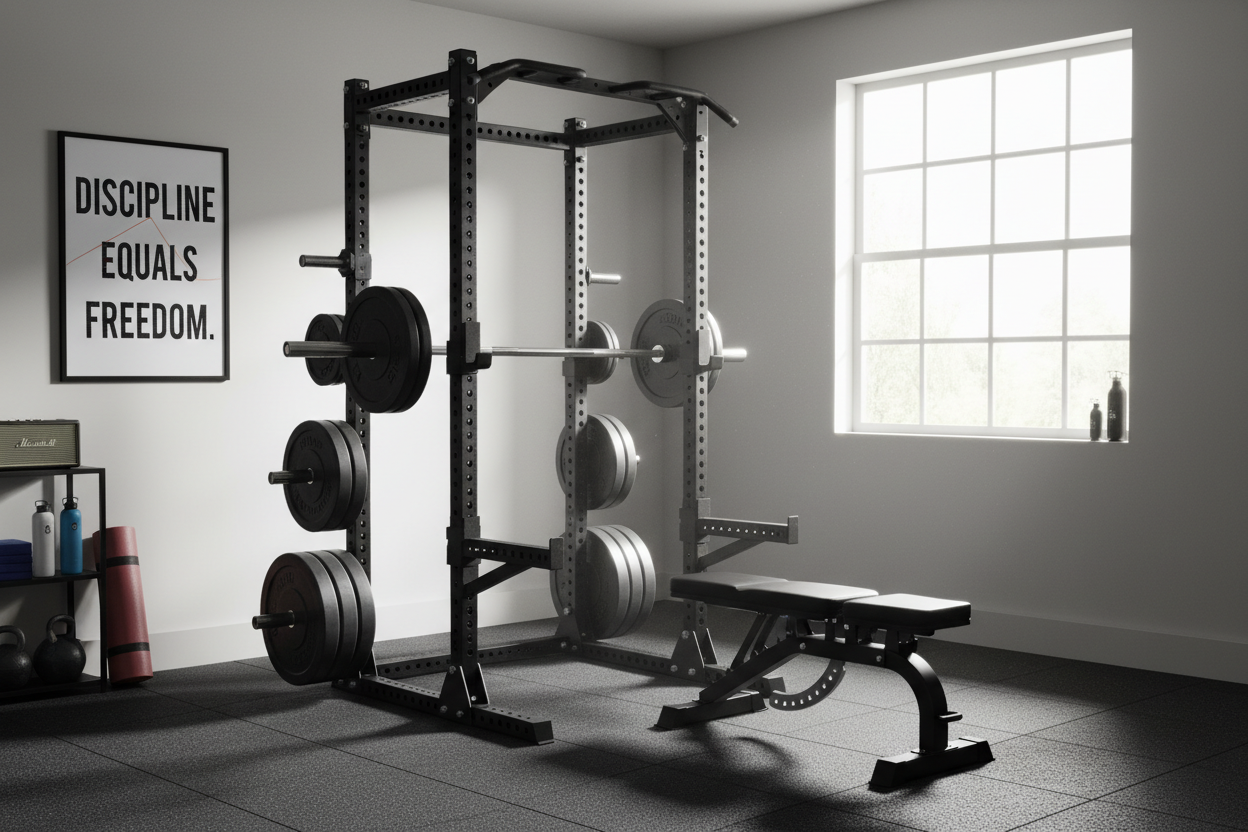
I remember when I first started training, I was terrified of the squat rack. I spent months doing high-rep kickbacks and running on the treadmill, thinking that was how to get nice toned legs without getting "bulky." I saw zero changes. My legs stayed the same size and softness. It wasn't until a trainer physically walked me over to the dumbbells and forced me to lunge with heavy weights that I saw my thighs change shape. The fear of bulk is a myth for 99% of the population; you simply don't have the testosterone to accidentally turn into the Hulk. You have to lift heavy to get firm.
Intensity and Volume for Super Definition
Once you have the movements down, the question becomes intensity. How to get super toned legs comes down to progressive overload. You cannot use the same 10-pound dumbbells for six months and expect your body to change. You must give your muscles a reason to adapt.
Try this approach for the next 30 days if you are figuring out how to tone legs in a month:
- Week 1: Focus on form. 3 sets of 12 reps for squats, lunges, and Romanian deadlifts.
- Week 2: Increase the weight slightly. You should struggle to finish the 12th rep.
- Week 3: Drop the reps to 10 but increase the weight again.
- Week 4: Increase the weight one more time, aiming for 8 reps with perfect form.
This steady increase in difficulty signals your body to fortify the muscle fibers, creating that hard, dense look associated with super toned legs. Cardio alone will not do this. Cardio shrinks you; weights sculpt you.
Ageless Strength: Thighs After 50
The rules change slightly as we get older, but not as much as you might think. Toning thighs after 50 is entirely possible, but the focus must shift toward recovery and protein intake. As we age, we naturally lose muscle mass—a process called sarcopenia. To combat this, older adults actually need more protein than younger adults to stimulate the same amount of muscle synthesis.
If you are over 50, do not shy away from weights. In fact, resistance training is crucial for bone density. However, you might benefit from slowing down the tempo. Instead of jumping lunges, do slow, controlled reverse lunges. Focus on the "eccentric" part of the movement (lowering the weight). This causes less joint stress while still providing enough stimulus for growth. Hydration and sleep become non-negotiable here; your muscles repair while you sleep, not while you train.
The Role of Body Fat and Nutrition
You can do a thousand squats a day, but if your body fat percentage remains high, you will just have strong muscles hidden under a soft layer. To reveal the work you are doing in the gym, you need to be in a slight caloric deficit. This doesn't mean starvation. It means eating nutrient-dense foods that fuel your workouts while keeping your total energy intake in check.
Focus on lean proteins like chicken, fish, tofu, or greek yogurt. These provide the amino acids necessary to repair the micro-tears created during your squat sessions. Pair this with complex carbohydrates like oats or sweet potatoes around your workout window to ensure you have the energy to push hard. If you are consistent with your diet, that is how to get nice toned legs that actually show visible definition.
Consistency Over Intensity
The biggest mistake people make is going too hard for one week and then burning out. Fitness is not a sprint. Whether you are looking for exercises for fit legs or trying to overhaul your entire physique, showing up three times a week for a year beats showing up seven times a week for a month.
Listen to your body. Some days you will feel strong enough to chase those super toned legs with heavy deadlifts. Other days, a long walk and some bodyweight mobility work is all you can manage. That is fine. The goal is to keep moving forward. By combining smart resistance training, adequate protein, and patience, you will build a lower body that is not just aesthetically pleasing, but functional and strong.
Frequently Asked Questions
Can walking help tone my legs?
Walking is excellent for fat loss and cardiovascular health, which helps reveal muscle definition. However, walking alone provides limited resistance. To actually change the shape of your legs and build muscle firmness, you must incorporate resistance exercises like squats or lunges alongside your walking routine.
How often should I train legs to see results?
For most people, training legs 2 to 3 times per week is the sweet spot. This frequency allows you to hit the muscles with enough volume to stimulate growth while providing adequate rest days for recovery. Training them every day can actually hinder progress due to overtraining.
Will heavy weights make my legs look bulky?
No, lifting heavy weights generally will not make you bulky. Building massive leg size requires a specific hormonal profile and an immense calorie surplus that most people do not have. Heavy weights will simply make your muscles denser and firmer, creating that "toned" look rather than a larger one.