Extra Long Yoga Mats: Sizing Frameworks, Postural Clearance, and Floor Staging
Why Standard Dimensions Limit Tall People on Extra Long Yoga Mats
For taller practitioners, stepping onto a standard studio mat often feels like trying to sleep in a bed that is noticeably too short. Conventional lengths were designed around average mid-century heights, leaving taller yogis constantly negotiating physical borders. When moving into expansive postures such as downward-facing dog, extended lunges, or warrior poses, hands or feet inevitably spill over the edges onto cold studio hardwood or dusty home floors.
This spatial restriction alters movement mechanics. Rather than focusing on breath and spinal alignment, a tall person often subconsciously truncates their stride or narrows their stance to stay within the boundaries. The issue becomes even more pronounced during supine rest postures such as savasana, where the head rests on the mat while heels rest on bare ground, or vice versa. Exploring our sizing guide for selecting exercise mats illustrates how physical dimensions dictate posture quality and spatial awareness across diverse training styles.
Selecting the Right Mat and Sizing Tiers for Full Clearance
Addressing boundary issues requires understanding dimensional tiers beyond entry-level options. When selecting the right mat, height is not the only metric; wingspan and stance width also determine how much surface area your body demands during a fluid flow. Extended length yoga mat options are built specifically to accommodate greater physical spans without requiring you to constantly shuffle between poses.
Generally, an extended mat should offer ample space past both your head and your toes when lying fully flat. For individuals who frequently encounter boundary issues, moving to an extended profile provides the freedom needed for dynamic transitions like jump-throughs or wide-stance lunges. Selecting mats for tall people is also about preserving alignment integrity. When a practitioner can step fully forward without hesitating about where their foot will land, movement becomes significantly more grounded. For a deeper breakdown of dimensional tiers, consult our practical guide on mats for taller people.
Material Composition: Natural Rubber, Polymer Blends, and Non Slip Textures
Extended dimensions mean little if the surface cannot hold position under tension. When a taller yogi exerts leverage across a wider base of support, shear forces increase. The surface must deliver reliable non slip resistance to prevent hands from creeping outward in inverted postures.
Material choice directly influences friction, tactile response, and maintenance requirements:
- Natural rubber: Derived from tree sap, natural rubber offers remarkable floor adherence and immediate open-cell tactile grip. It is an eco friendly choice that excels in high-perspiration environments like hot yoga, though it demands careful rinsing to keep micro-textures clear of oils.
- Closed-cell high-density polymers: These materials resist sweat absorption, making them exceptionally hygienic and durable over years of consistent practice. While they may require a brief period to break in optimal surface traction, their structural resilience prevents breakdown along high-pressure foot zones.
- Textured hybrid composites: Many modern mats pair a moisture-wicking top layer with a stabilizing base, balancing sweat management with structural firmness.
For practices that generate significant perspiration, pairing your mat with a moisture-absorbing towel provides an additional layer of stability, ensuring hands remain anchored regardless of ambient room temperature.
Subfloor Integration and Knee Cushioning Across Domestic Surfaces
A spacious workout mat must interact harmoniously with the floor beneath it. An elongated mat placed over domestic flooring faces distinct mechanical challenges depending on whether it rests on concrete, hardwood, or plush carpet.
On hard subfloors such as tile or laminate, adequate density is vital for joint comfort and knee protection during lunges, tabletop poses, and seated balances. If a mat is overly soft, joints simply press straight through to the hard subfloor beneath. Conversely, a resilient, high-density core distributes localized load across a broader plane. When practicing on carpet, thin mats tend to bunch, stretch, or shift under dynamic transitions. A firmer, substantial long exercise mat maintains its planarity, bridging soft carpet fibers to form a steady platform. Practitioners seeking balanced support across diverse home surfaces can explore our versatile exercise mat collection to match density with their flooring needs.
Portable Mats for Tall People Versus Expansive Home Practice Setups
Investing in extra space introduces a practical consideration: mat mobility versus dedicated home staging. Extra large yoga mats offer generous room for movement, but the added surface area naturally creates a larger, heavier roll for daily transit.
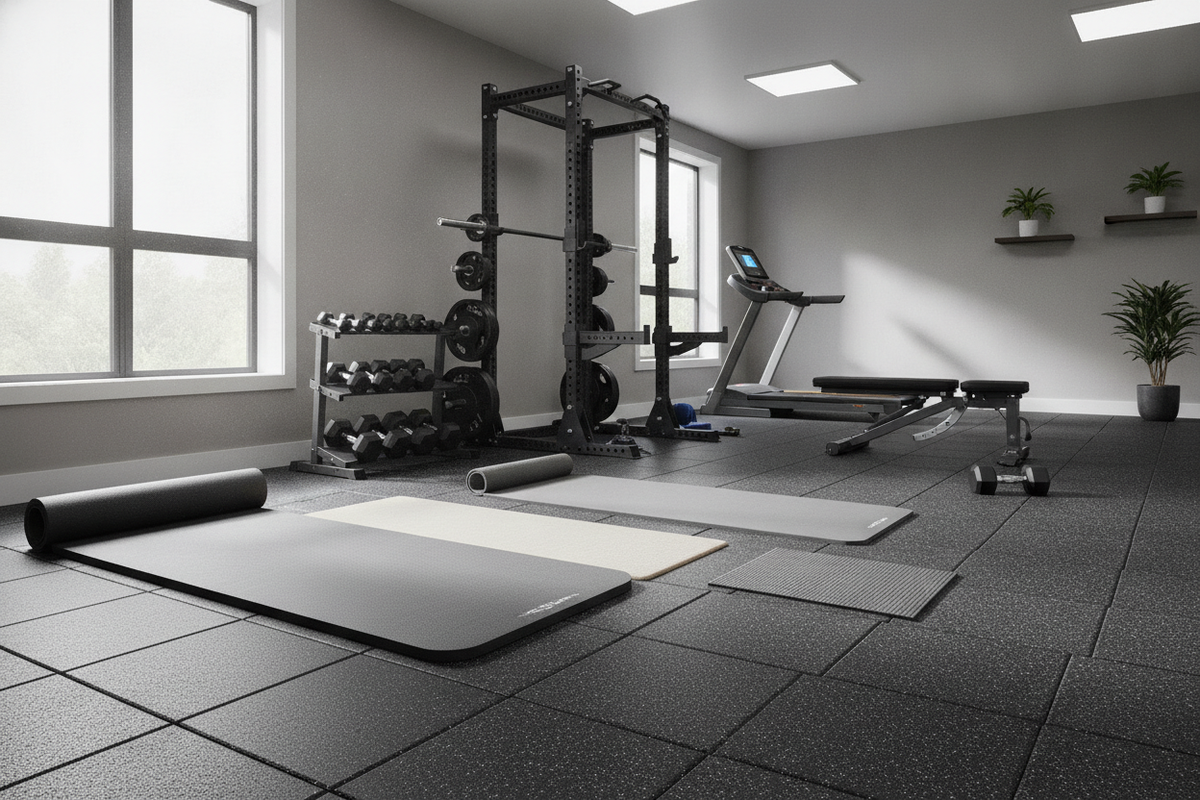
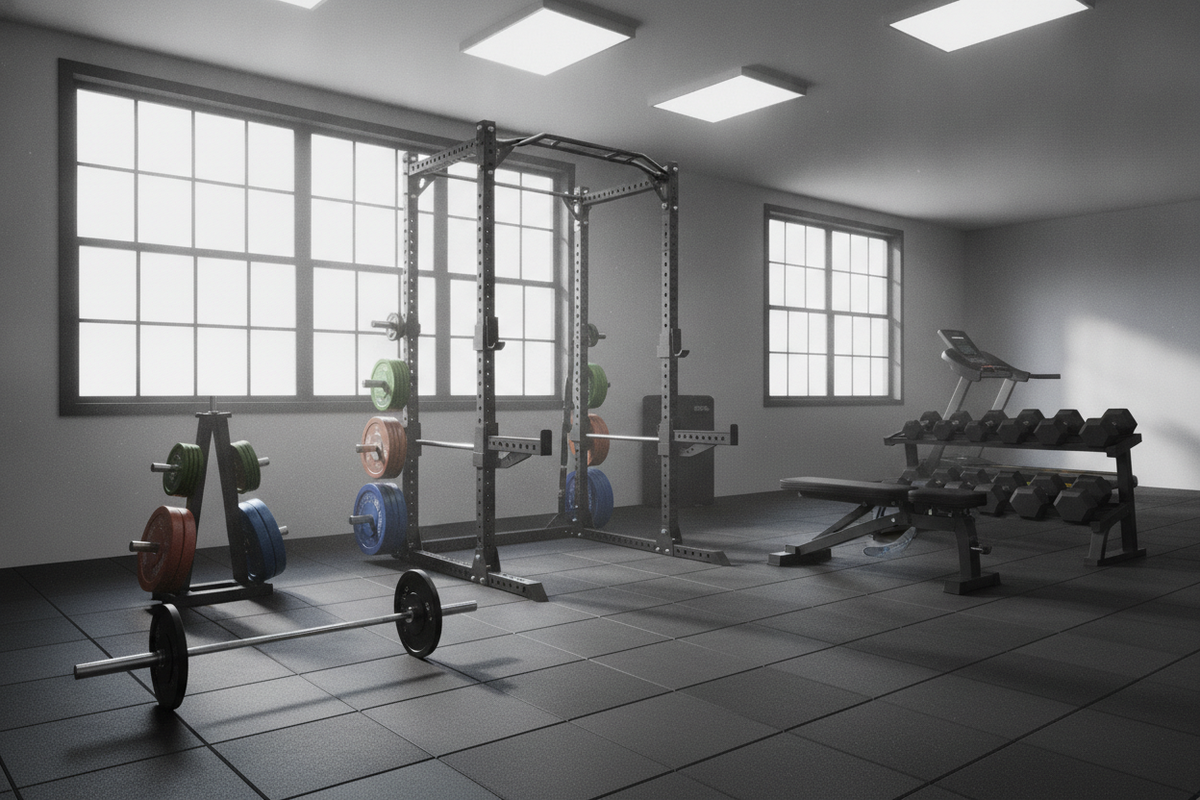
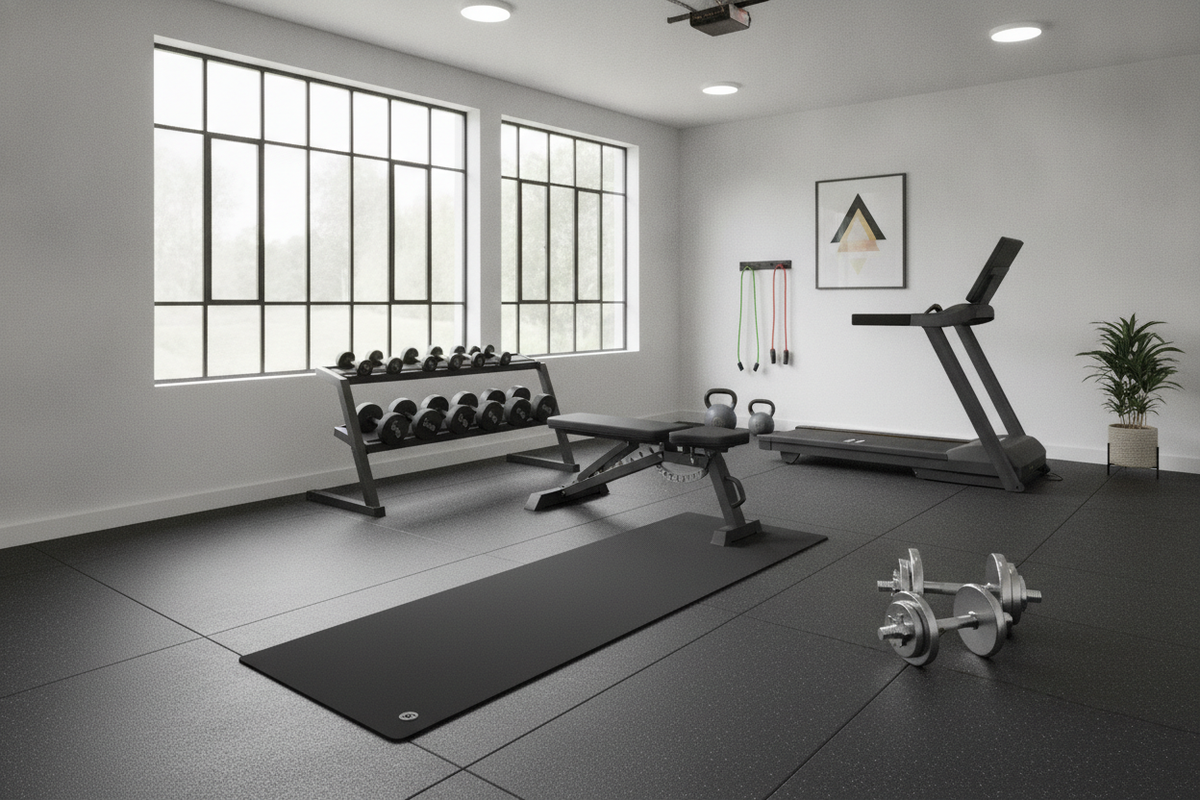
If you regularly commute to a studio, look for an extended length yoga mat engineered with lightweight materials or slightly streamlined profiles that roll neatly into standard carrying straps. However, if your flows take place almost entirely within a dedicated home gym or living area, mobility constraints matter far less. For home practice environments, choosing an oversized yoga mat for tall people—or transitioning to a semi-permanent spacious exercise and yoga mat—creates an unconstrained movement zone where you can step, stretch, and rotate off-axis without ever stepping onto bare subfloors.
Edge Care, Cleaning Routines, and Storage Protocols
Because an extended mat spans a greater floor footprint, edge preservation and structural care are critical to ensuring long-term durability. Improper rolling or rough storage can lead to curled ends, creating persistent tripping hazards and uneven surfaces.
To keep an extra long mat in prime condition, observe these standard care practices:
- Roll with the top side out: Rolling the textured practice surface facing outward helps ensure that when the mat is unrolled, the ends naturally curve downward toward the floor rather than curling upward.
- Avoid prolonged heat exposure: Store the mat away from direct sunlight, heating vents, or hot car trunks, which can cause natural polymers to dry out and degrade.
- Wipe down regularly: Use a gentle, mild soap solution or designated mat wash after vigorous sessions to remove body oils that compromise traction.
- Store horizontally or loosely bound: Avoid strapping an elongated mat so tightly that compression creases develop across the rolling diameter.
By selecting dimensions that respect your height, pairing density with your subfloor, and maintaining the surface properly, an extended mat transforms your practice into an open, unrestricted flow.