Does Hip Thrust Work Abs? Why Your Core Is Sore After Glute Day
I remember the first time I loaded three plates on each side for a heavy set of thrusts. The next morning, my glutes felt fine, but my upper abs felt like I’d been punched in a back alley. I actually wondered, does hip thrust work abs, or did I just discover a secret core hack? Spoiler: I hadn't. I was just moving like a folding chair and leaking tension everywhere.
- Hip thrusts are for glutes, not a secret ab workout.
- Sore abs usually mean you're 'crunching' the weight up at the top.
- Rib flare and back arching create fake tension in the stomach.
- Proper bracing is isometric (holding still), not dynamic (moving).
Why You're Asking This Question in the First Place
If you’re searching do hip thrust work abs, you’ve probably felt that weird, shallow burn in your midsection halfway through a set. It’s a common trap. You’re under a heavy barbell, trying to drive your hips to the ceiling, and suddenly your stomach feels like it's doing the heavy lifting. This isn't because the hip thrust is an undercover core builder; it's because your body is desperately trying to find stability where your glutes are failing.
In my experience, when the abs start screaming during a glute movement, it's a red flag. You're likely over-recruiting your rectus abdominis to compensate for a lack of terminal hip extension. You want the burn in your backside, not your frontside. If you're feeling it in your belly, you aren't training your core—you're just straining it.
The Biomechanics of the Abdominal Hip Thrust (And Why It's a Mistake)
Treating this as an abdominal hip thrust is a recipe for a back injury. In a proper thrust, your spine should stay neutral—moving like a seesaw from the pivot point of your shoulder blades. When people turn it into an ab hip thrust, they usually perform a 'crunch' at the top of the movement. They’re flexing their spine to get the bar higher because their hips have run out of range.
This isn't a hip thrust ab workout; it's just bad mechanics. By crunching your ribs toward your pelvis, you're shortening the distance the bar travels and robbing your glutes of that final, crucial squeeze. I see this all the time: lifters trying to ego-lift 405 lbs while their torso looks like a shrimp. It looks impressive on Instagram, but it does nothing for your posterior chain.
Rib Flare and Anterior Pelvic Tilt
This is the 'fake lockout.' If you can't reach full hip extension, your body cheats by flaring your ribs and arching your lower back. This puts your rectus abdominis on a massive stretch under load. You might think you're doing a hip thrust for abs, but you're actually just straining your anterior chain. To fix this, keep your chin tucked and your ribs pulled down toward your belt line.
How Your Core Should Actually Function During Heavy Thrusts
Your core's job here is anti-extension. Think of your torso as a rigid box. You want to lock the ribs down to the pelvis. This creates a 'hollow body' position that allows the glutes to tilt the pelvis posteriorly. If you lose that brace, the tension shifts from the glutes to the lower back and the superficial ab muscles trying to hold everything together.
When you're pushing a heavy barbell, your abs should be working hard to keep you from arching—not to help you lift the weight. It's an isometric hold, similar to a heavy plank. If you feel hip thrust abs soreness, your 'box' is breaking, and you're losing the power you should be generating from your hips.
Better Alternatives for Real Core Strength
If you want a six-pack, stop trying to find it at the bottom of a 400-pound barbell thrust. Focus on a dedicated flat ab workout plan that emphasizes actual spinal flexion or stability. You'll get way more out of a set of hanging leg raises or weighted sit-ups than you will from a botched glute movement.
If you're short on time after your main lifts, a 10 minute ab workout no equipment is a much better use of your energy. It lets you isolate the core without the risk of dropping a loaded bar on your pelvis because your form broke down under fatigue.
The Ultimate Fix: Setting Up for Pure Glute Engagement
Setup is everything. Most people use a standard weight bench that’s way too high—usually 17 or 18 inches. This forces you to 'climb' the bench, which causes that awkward torso crunching. Using a dedicated hip thrust bench, which is typically 12 to 14 inches high, lets you pivot at the right spot without your abs fighting for leverage.
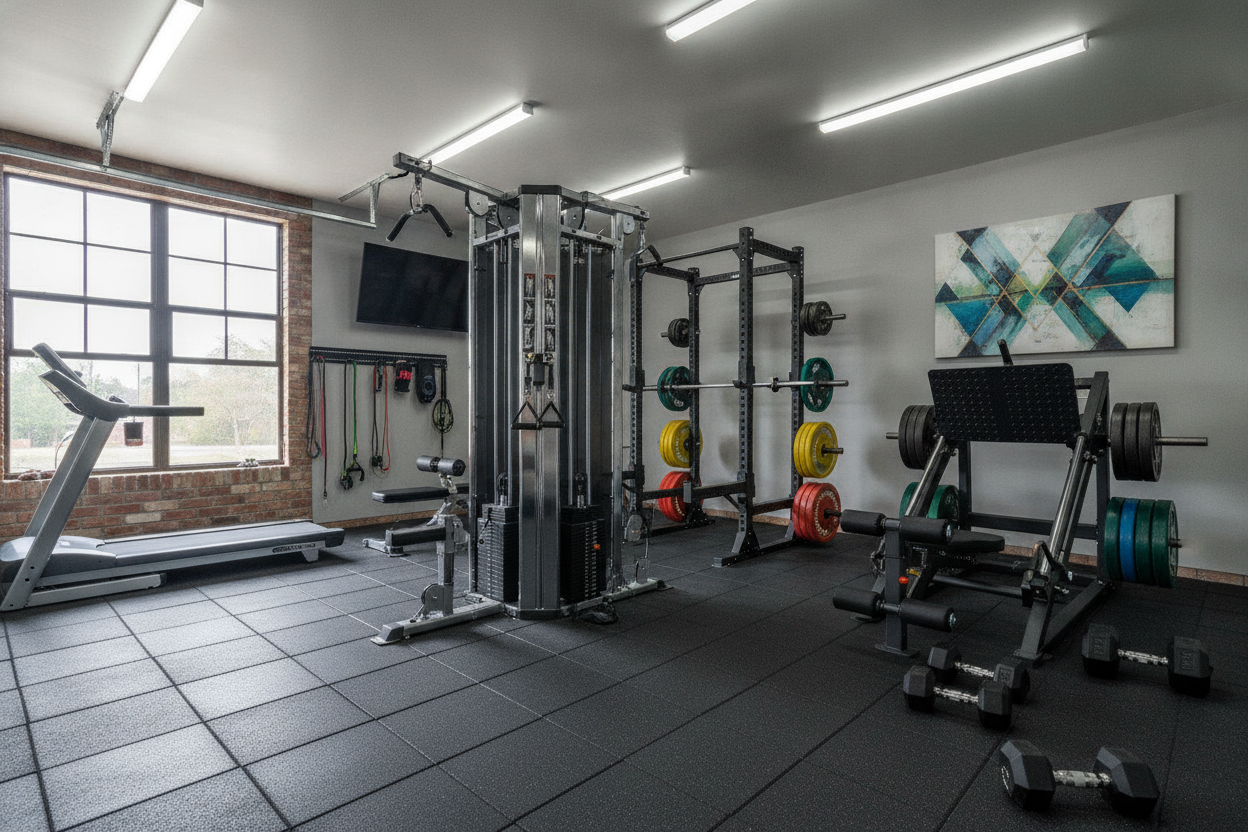
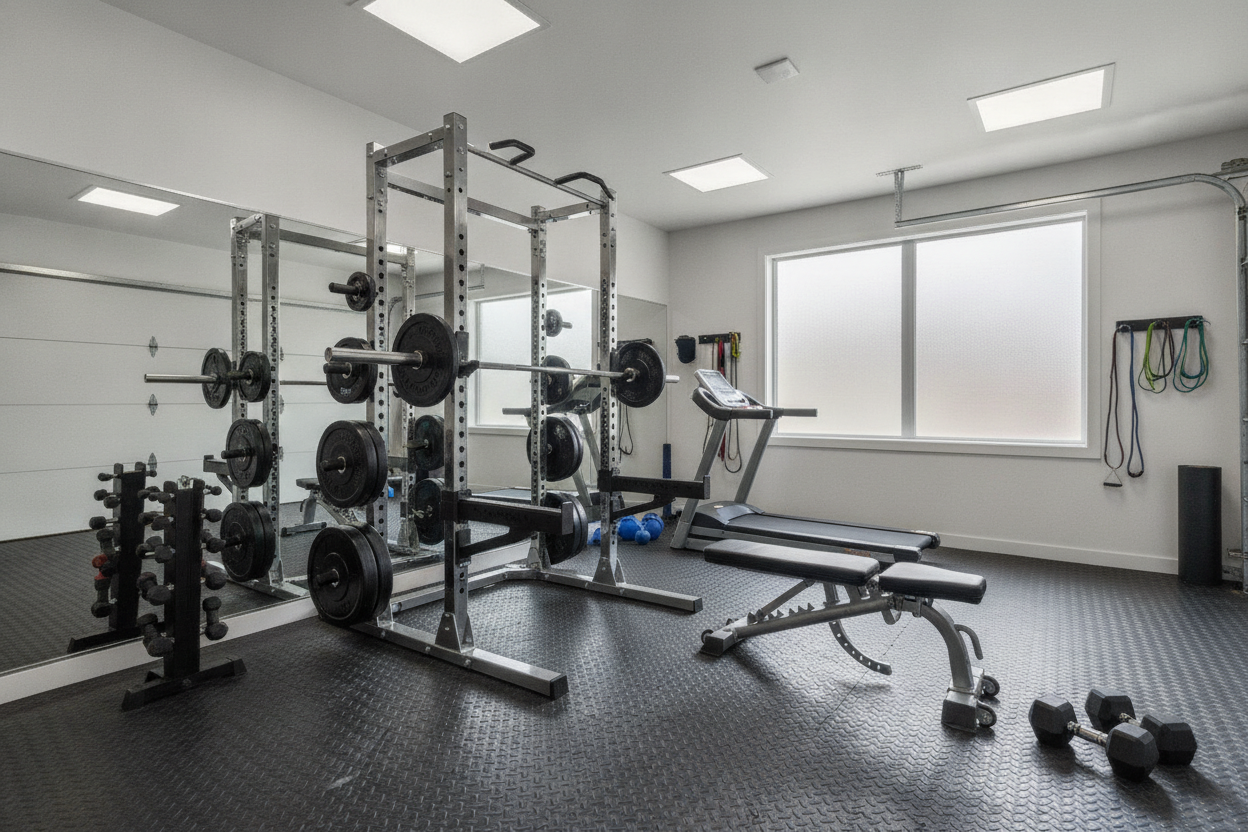
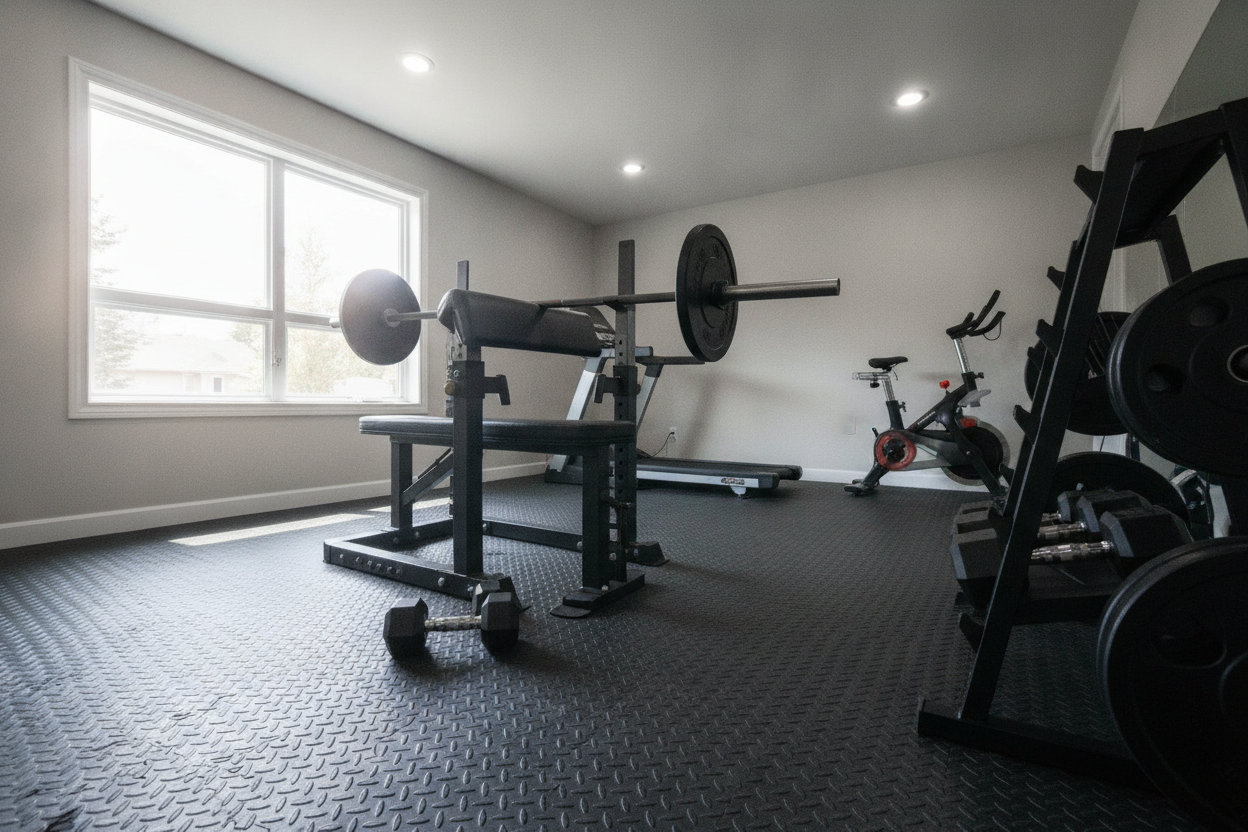
Also, check your floor. If your feet are sliding on a slick garage floor, you'll panic-brace your core to stay upright. Getting some thick gym flooring ensures your feet stay glued. When your base is stable, your core can relax into its role as a stabilizer, and your glutes can finally take over the heavy lifting.
My Personal Lesson in Ego Lifting
I spent six months wondering why my lower back was cranky and my abs were sore after leg day. I realized I was 'looking at the wall' instead of keeping my chin tucked. The hardest part of the fix? I had to drop the weight from 405 lbs to 225 lbs to actually hit the right muscles. It was a blow to the ego, but my glute growth finally exploded because I stopped leaking power through my midsection.
FAQ
Does hip thrust work abs?
Not as a primary muscle. They act as stabilizers. If they are the main muscle you feel, your form is likely broken.
Why do my abs hurt during hip thrusts?
You're likely rib-flaring or 'crunching' at the top of the rep. This happens when you try to get the bar higher than your hip mobility allows.
Should I squeeze my abs during the lift?
Yes. Brace like someone is about to kick you in the stomach. This keeps your spine neutral so your glutes can do 100 percent of the work.