Different Methods of Strength Training for Home Lifters
Setting up an effective home workout space starts with understanding the different methods of strength training available to you. Whether your ambition centers on building raw power, gaining muscular size, or enhancing everyday endurance, resistance training encompasses several training disciplines. Exploring different methods of strength training helps you select the right balance of gear, floor protection, and exercise styles for your living space. By taking time to evaluate different strength training methods, you can tailor your routine to fit your available square footage and personal goals.
Understanding the Different Methods of Strength Training
At its core, strength work relies on applying progressive mechanical tension against muscular contractions. However, the exact physiological adaptation depends on how that resistance is delivered. When lifters look at different methods of strength training, they encounter modalities ranging from heavy barbell work to sustained bodyweight drills. Selecting among different methods of strength training allows you to target specific performance outcomes while managing the physical demands placed on your joints and room layout.
Every strength modality creates distinct training stimuli. Some emphasize maximal tension for brief durations, while others prioritize sustained tension or rapid power production. Recognizing how these different weight training methods influence your training schedule ensures you choose exercises that complement your long-term fitness journey without creating unnecessary clutter in your workout area.
What Are the Main Different Methods of Strength Training?
The main different methods of strength training include maximal strength work, hypertrophy training, explosive power development, muscular endurance circuits, and bodyweight calisthenics. Each modality structures sets, repetitions, and rest intervals differently to produce targeted physical changes:
- Maximal Strength: Centered on lifting heavy loads for low repetitions, this style relies heavily on compound movements like squats, presses, and deadlifts. It demands full neuromuscular recruitment and sufficient rest between efforts.
- Hypertrophy Training: Designed primarily to stimulate muscle growth, this approach balances moderate-to-heavy resistance with moderate repetition ranges, keeping muscles under tension through controlled tempos.
- Calisthenics: Utilizing bodyweight exercises such as push-ups, dips, and pull-ups, this format builds functional relative strength and midline stability without requiring heavy iron plates.
- Circuit Training: Moving through a sequence of stations with brief rest periods develops both muscular stamina and work capacity, making it a staple among types of strength and conditioning training.
- Isometric Exercises: Holding static positions under load produces high muscular activation at specific joint angles without requiring dynamic movement.
Integrating these strength workout types gives you flexibility. For instance, pairing heavy lifts with bodyweight exercises provides a well-rounded regimen that targets both absolute force and relative movement control. For a deeper look at balancing conditioning with lifting, review our weight training methods guide to see how cardio and resistance work side by side.
Equipment Selection Across Different Weight Training Methods
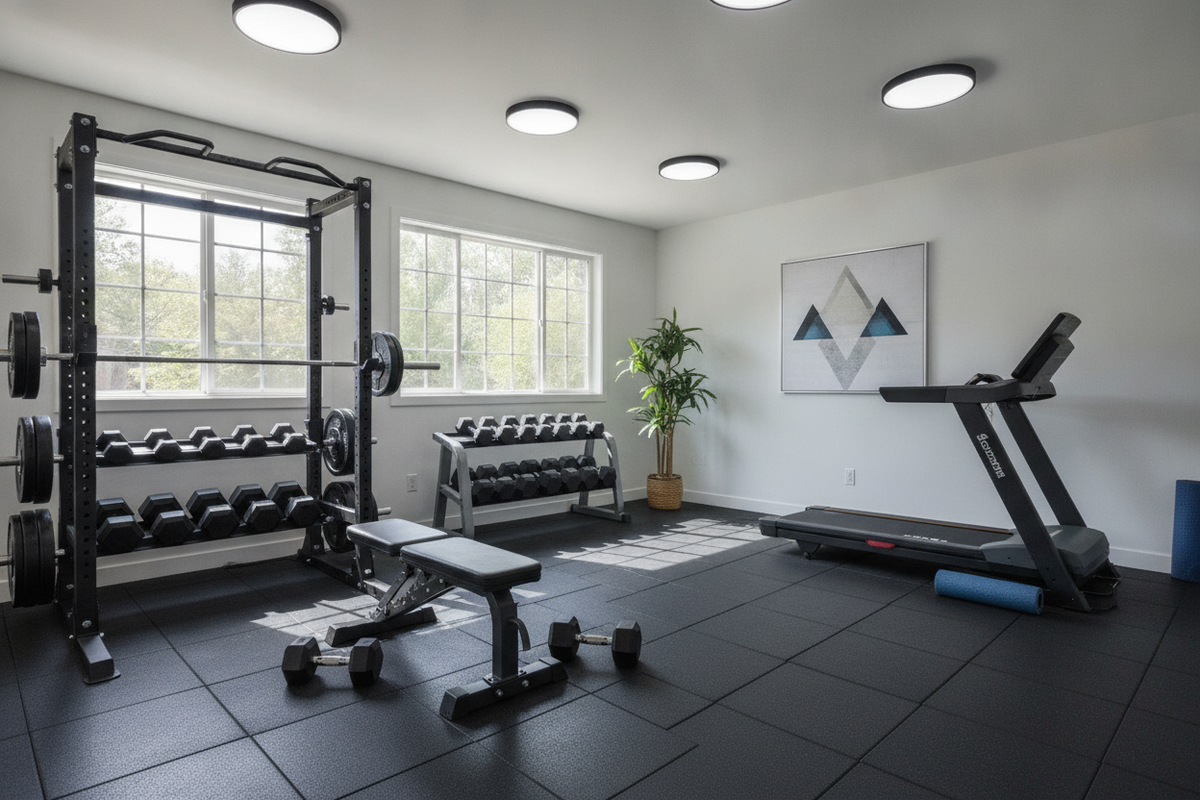
Each lifting discipline functions best with specific tools. Exploring different strength training methods reveals that while some routines require substantial hardware, others thrive on minimal tools. For maximal strength and muscle building, free weights remain foundational. Equipping your gym with barbells and dumbbells provides versatile loading options across presses, rows, and lower body hinges.
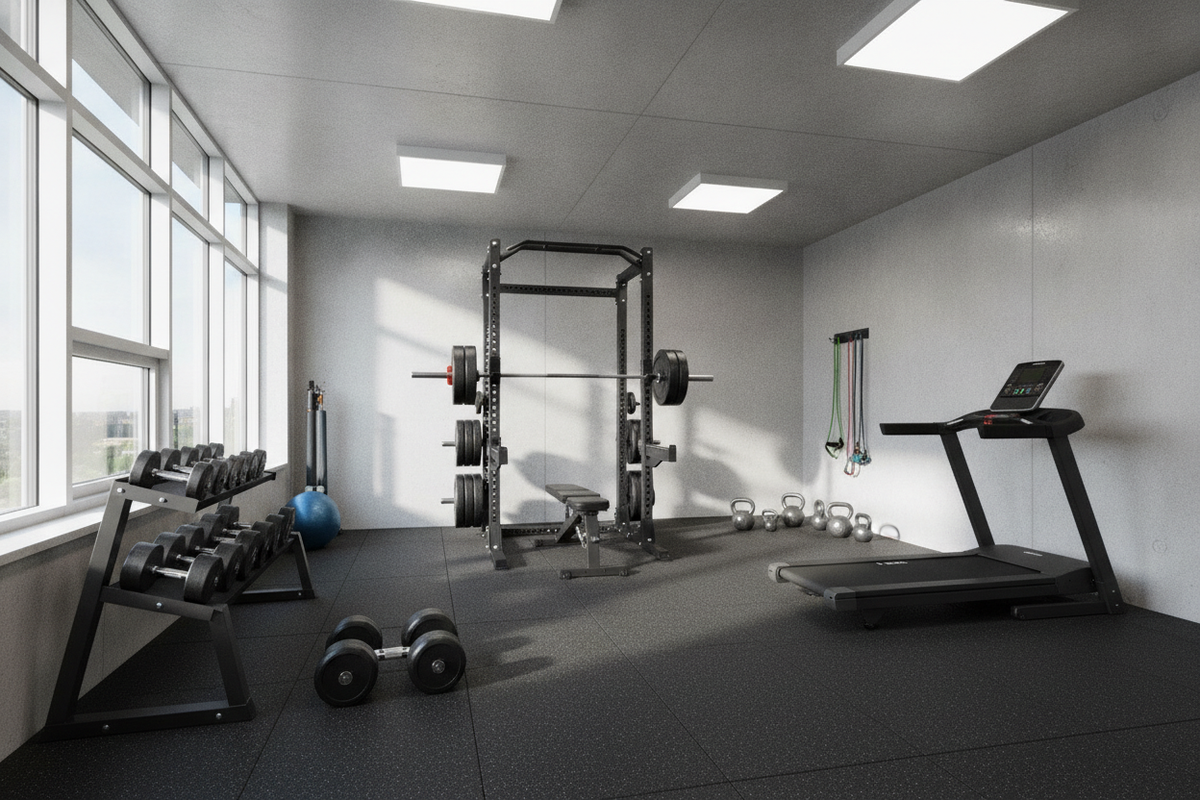
Meanwhile, kettlebell workouts offer dynamic loading suited for fluid swinging, cleaning, and overhead pressing movements. Adding resistance bands and compact accessories expands your options for warm-ups, shoulder stabilization, and isolation drills. If you are outfitting your space for variety, browsing a specialized strength training collection can help you choose compact tools that complement both free weights and bodyweight exercises.
Matching Dedicated Machinery to Targeted Lifting
While free weights offer boundless freedom of movement, dedicated selectorized stations and plate-loaded gear provide unmatched stability. Implementing fixed resistance training apparatuses enables lifters to isolate key muscle groups without managing balance across three planes of movement. This is especially advantageous for hypertrophy training and safe training to fatigue.
Adding a dedicated strength collection station, such as a compact leg press or extension unit, ensures targeted lower body development while preserving your lower back after heavy compound movements. Blending dedicated machinery with free weights creates a comprehensive environment capable of supporting different strength training methods under one roof.
How Do You Protect Your Home Floor During Different Weight Training Methods?
You protect your home floor during different weight training methods by selecting high-density protective surfacing that distributes heavy point loads and absorbs impact before it reaches domestic flooring. Regular residential flooring, whether tile, hardwood, or carpet, is vulnerable to scuffs, cracks, and structural wear from heavy iron equipment.
Understanding your primary strength training formats helps determine the level of subfloor protection required:
- Heavy Free Weights: Dropping or setting down heavy barbells and dumbbells creates concentrated shock. A dense foam mat or dedicated lifting platform spreads this force evenly over a broader area.
- Dynamic Kettlebell Workouts: Rotational movements require reliable grip and traction so your feet remain anchored during dynamic swings and lunges.
- Bodyweight and Calisthenics: Floor-based bodyweight exercises demand joint cushioning that stays flat without bunching or sliding across slick subfloors.
Installing a dedicated workout product like a large workout mat creates a secure, resilient foundation across your main lifting zone, keeping both your flooring and joints safeguarded through vigorous sessions.
Equipment Placement and Room Layout for Versatile Workouts
Organizing a functional home gym requires strategic equipment placement to accommodate different methods of strength training safely. When transitioning between compound movements, kettlebell workouts, and circuit training, you need clear pathways and designated activity zones to prevent accidents.
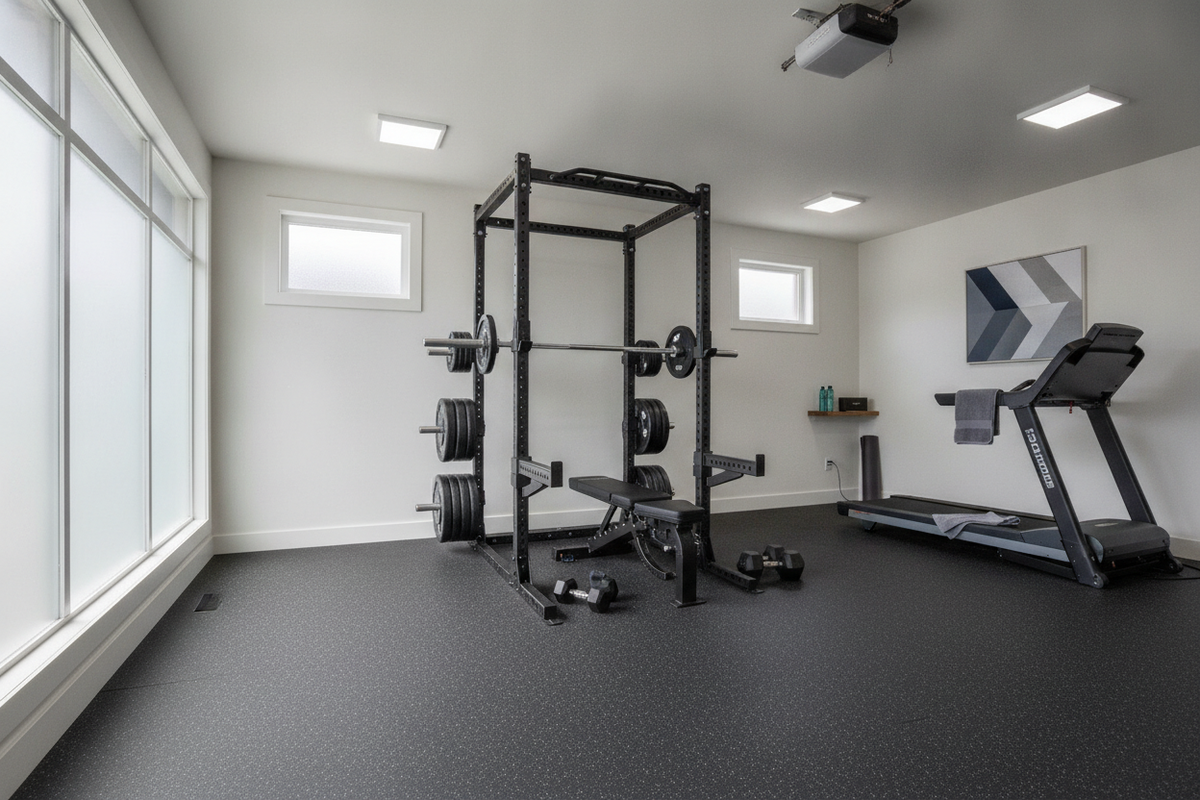
Position heavy static equipment, such as squat stands or a lower body strength machine, against load-bearing perimeter walls. This anchors your heavy hardware while opening up the center of the room. Lay down home gym flooring in the center to serve as an open staging area for barbells and dumbbells, calisthenics, and isometric exercises. For practical layout strategies when alternating between circuits and heavy lifts, explore our detailed strength training workout guide.
Floor Care and Mat Maintenance for Lifting Spaces
Maintaining clean home gym flooring preserves its surface texture, enhances footing stability, and extends the lifespan of your protective layers. Over time, chalk dust, sweat, and shoe debris can degrade the grip and traction of your dense foam mat or rubber surfaces.
Incorporate regular mat maintenance into your weekly schedule. Wipe down high-traffic areas with mild, non-abrasive soap and warm water, avoiding harsh solvents that can break down resilient polymers. Regular vacuuming prevents abrasive dirt particles from becoming pressed into the surface during heavy lifts. By keeping your large workout mat clean, you ensure safe footing across all strength workout types and protect your initial home gym investment for years of hard training.