Different Types of Lifting for Home Gyms
Understanding the Different Types of Lifting
Stepping into resistance training opens up a broad landscape of methods, disciplines, and training philosophies. Learning about the different types of lifting helps you choose routines that align with your personal goals, whether you want maximal absolute strength, muscle growth, explosive athletic power, or general daily vitality. Exploring these disciplines also guides how you plan your home gym floor plan, your equipment purchases, and your room layout.
Many fitness enthusiasts find that reading a comprehensive weight lifting training guide helps clarify how resistance work benefits the body across diverse training styles. The different types of lifting each place unique demands on your body and your flooring. From heavy barbell work to fluid kettlebell swings, the styles of weightlifting you choose dictate whether you need specialized racks, dense protective exercise mats, or open floor zones.
Different types of weight lifters often approach their workouts with distinct priorities. Some focus on setting a personal record on a single lift, while others train for cardiovascular conditioning or muscle definition. By evaluating the major kinds of weight lifting, you can tailor your workout schedule and your home equipment to support your favorite weight training forms.
Powerlifting for Maximal Raw Strength
Powerlifting is one of the most recognized types of weightlifting, centered on building maximum strength across three primary movements: the squat, bench press, and deadlift. In competitive settings and home setups alike, powerlifters aim to move the heaviest possible load for a single repetition. These three weight lift names form the backbone of many general strength programs.
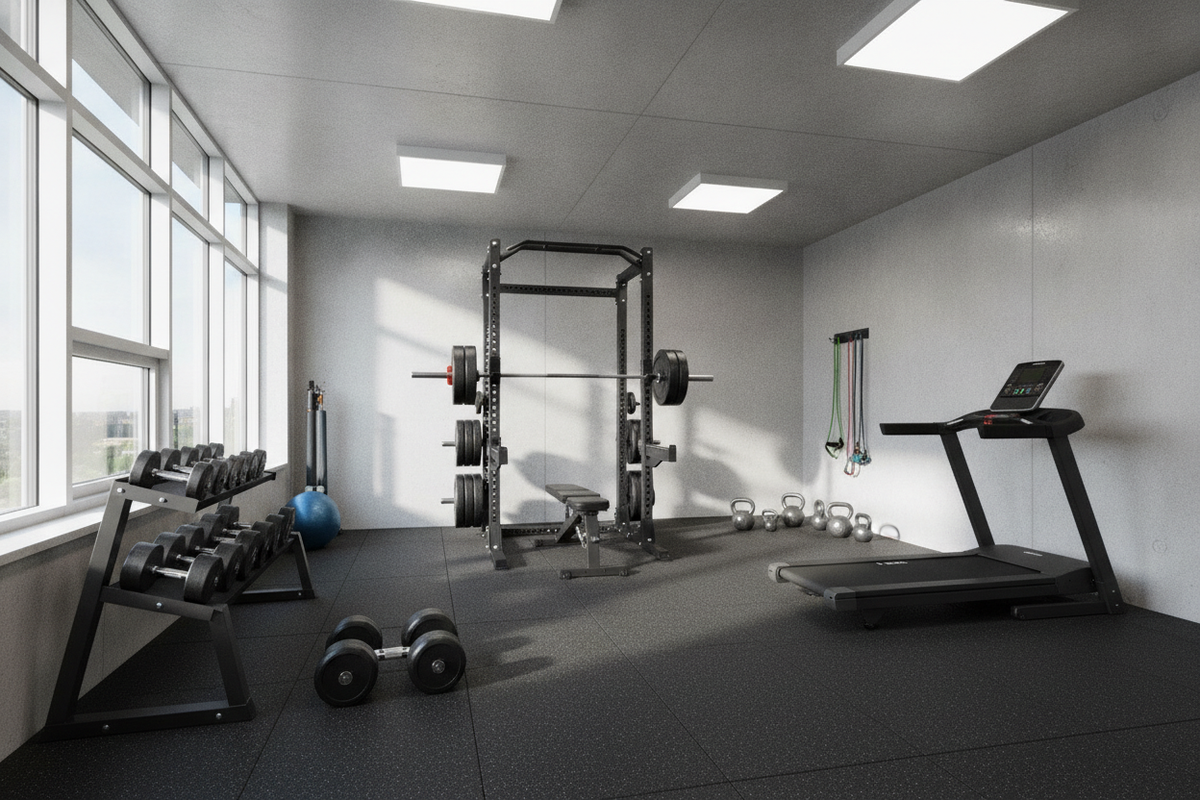
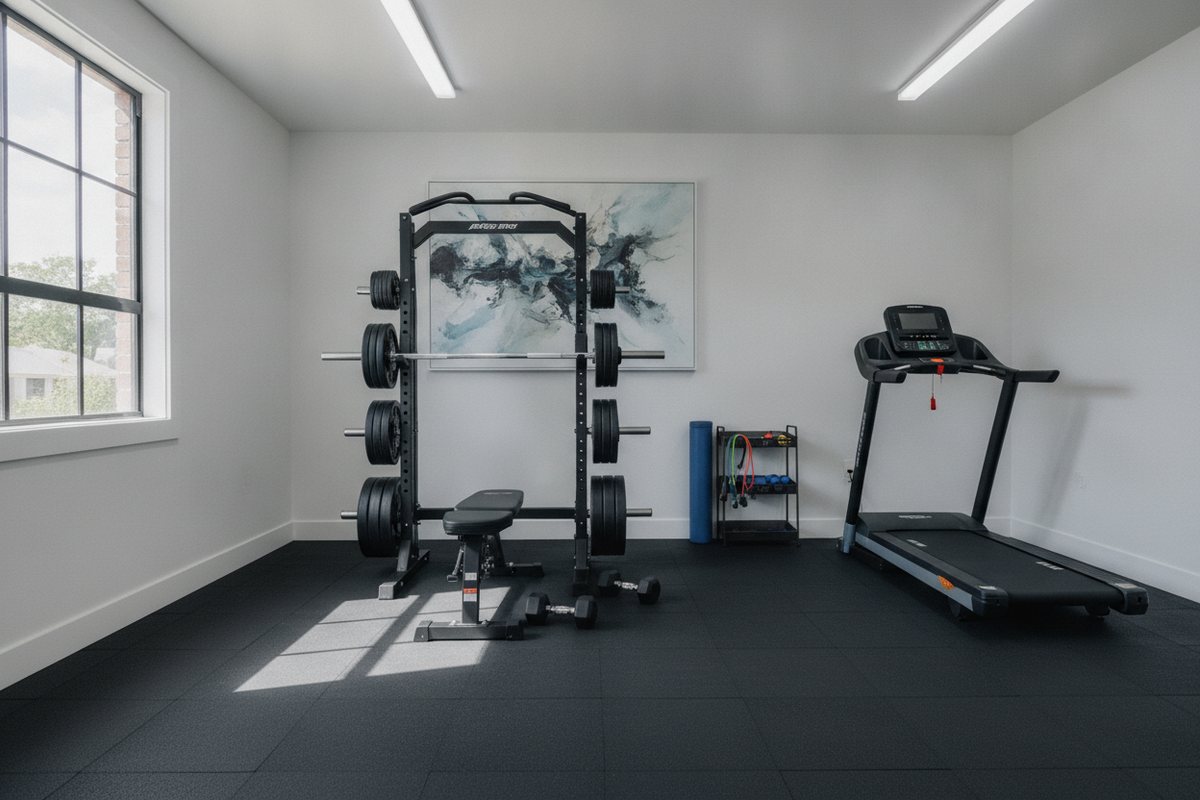
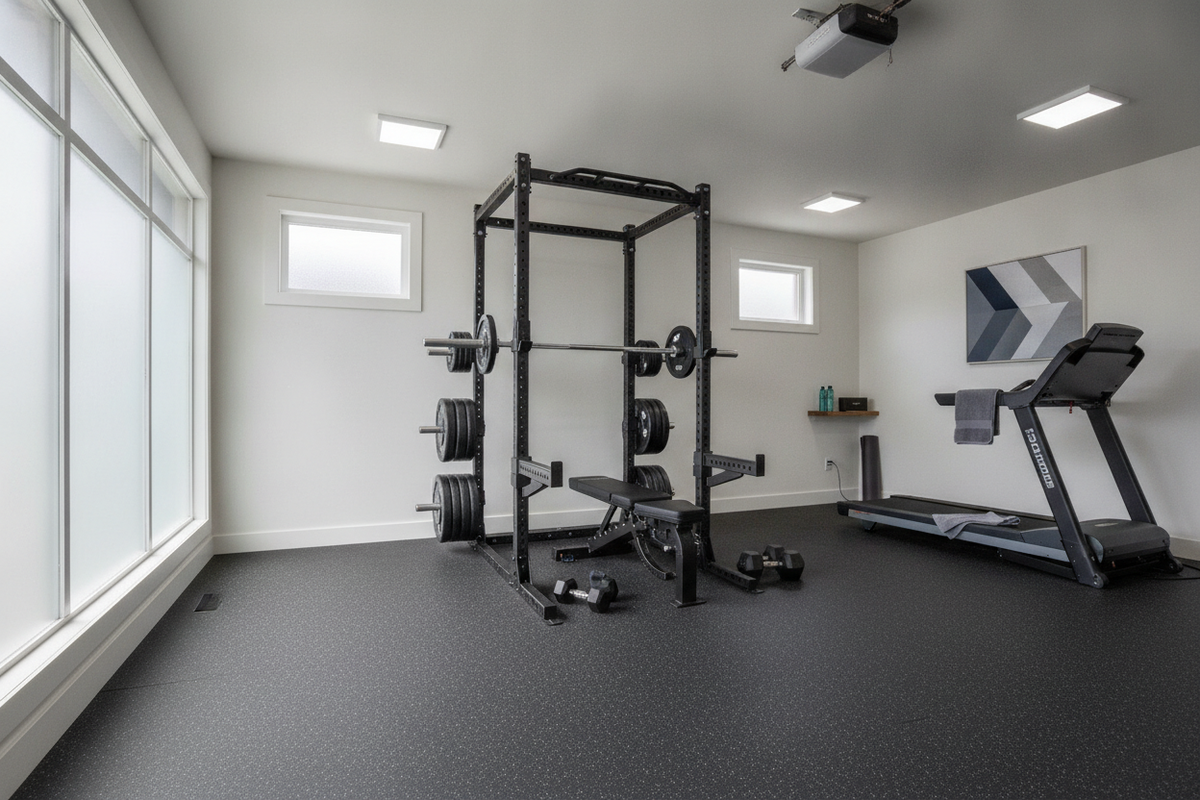
Training in this discipline involves low repetition ranges with substantial weight loads on a standard barbell. Because powerlifters push their limits on the squat and bench press, a sturdy power cage or squat stand is essential. Preparing your floor is equally crucial. Repeated heavy deadlifts exert high static force and ground shock when the bar settles. Placing high-density rubber mats under your rack and deadlift platform helps distribute weight across the subfloor and protects your foundational flooring from deep pressure marks.
Powerlifters also rely on specialized gear such as lifting belts, wrist wraps, and chalk, which you can find through dedicated training collection offerings. Understanding these types of weight lifts allows you to plan dedicated resting intervals, secure bar collars, and firm, non-slip gym flooring that keeps your stance solid during maximum efforts.
Olympic Weightlifting for Explosive Power
Olympic weightlifting is a distinct type of weightlifting sport that tests speed, mobility, and explosive coordination. Unlike slower, grind-style lifts, this sport centers on two dynamic competition movements: the snatch and the clean and jerk. These weight lift types require the lifter to accelerate a loaded barbell from the floor to overhead in continuous, rapid motions.
Because these movements require fast turnover and deep catches in full squat positions, lifters need bumper plates and barbells with rotating sleeves. Olympic weightlifting introduces unique considerations for a home setting. Missed attempts or completed overhead lifts frequently end with dropping the barbell from shoulder height or overhead onto the ground.
Standard residential flooring cannot withstand repetitive drops from Olympic lifts without dedicated protection. Setting up a dedicated lifting platform with layered subfloor wood and thick, shock-absorbing rubber mats helps dissipate impact energy. These dynamic kinds of lifting require ample ceiling height and clear peripheral space so you can complete explosive extensions without contacting walls, joists, or nearby storage racks.
Bodybuilding and Muscle Hypertrophy Training
Bodybuilding focuses on aesthetic muscle development, symmetry, and hypertrophy rather than moving a maximum single-rep load. Practitioners of this discipline utilize a broad array of different types of lifting weights, combining free weights, cables, and resistance machines to isolate individual muscle groups.
In a hypertrophy-focused program, lifters emphasize controlled tempos, moderate to higher repetition ranges, and targeted muscle contraction. Common exercises include dumbbell curls, lateral raises, incline bench presses, and leg extensions. Home lifters who prefer bodybuilding often invest in versatile selectorized equipment, exploring options like an all-in-one weight lifting collection to perform multiple isolation exercises within a compact footprint.
Because bodybuilding workouts incorporate diverse types of lifting in gym sessions—ranging from bench work to standing dumbbell supersets—the surrounding exercise mats experience continuous foot pivoting and point-load contact from adjustable benches. Choosing durable gym flooring prevents indentations from bench legs while providing comfortable, stable footing for standing arm and shoulder routines.
Functional and Kettlebell Training
Functional strength training bridges the gap between traditional resistance work and natural human movement patterns. This category includes kettlebell workouts, sandbag carries, medicine ball throws, and multi-planar lunges. Unlike static barbell lifts, functional training emphasizes balance, core stabilization, and rotational strength across varied planes of motion.
Kettlebell training is especially popular in home fitness because a modest set of weights can support swings, cleans, Turkish get-ups, and snatches. These types of lifting weights demand significant grip control and fluid hip power. Readers exploring holistic routines often review our lifting weights weight guide to see how functional circuits blend caloric burn with functional muscle tone.
Because functional training involves stepping, lunging, and lateral movements, your training area needs an expansive, seamless surface. Interlocking rubber mats or large rolled rubber flooring provide slip-resistant traction without raised seams that could cause tripping during quick direction changes. A clear zone also ensures you can swing kettlebells or drop sandbags without endangering nearby furniture or mirrors.
How to Choose Your Style and Protect Your Training Area
Choosing among the different types of weight lifting comes down to your personal targets, available space, and preferred workout cadence. Many lifters choose a hybrid approach, combining the compound movements of powerlifting with the targeted accessory volume of bodybuilding and the conditioning benefits of kettlebell training.
Structuring your weekly calendar helps maintain training consistency. Reviewing a practical lift weights training guide can assist you in finding an effective time of day to exercise based on your energy levels and home schedule.
Regardless of which weight lifting styles you adopt, prioritizing proper surface protection ensures a safe and durable workout environment. High-density rubber mats absorb vibration, dampen dropped-weight noise, and protect concrete or hardwood subfloors against cracking. By matching your equipment and flooring to the types of weight lifting techniques you practice most, you create a balanced home gym ready for long-term progression.