Diet Plan for Gaining Muscle Mass: Daily Home Guide
Committing to consistent strength training at home requires more than just moving iron. To make lasting progress, you need a realistic diet plan for gaining muscle mass that supplies steady energy and supports tissue recovery. When you train in a garage or spare room, balancing daily life, batch cooking, and heavy lifting can feel demanding. A structured nutrition routine removes guesswork from your kitchen so every session under the barbell translates into progress.
Core Principles of a Diet Plan for Gaining Muscle Mass
Building dense physical tissue depends on three foundational elements: a moderate caloric surplus, regular distribution of protein, and sufficient carbohydrate energy. Without adequate overall calorie intake, the body simply burns dietary fuel for immediate survival instead of directing resources toward muscle growth. You do not need confusing calculations to begin. Rather than extreme bulking phases, a thoughtful diet plan for gaining muscle mass emphasizes nutrient-dense whole foods that sustain your energy without leaving you sluggish.
Distributing your protein across several balanced meals ensures your system has a steady supply of building blocks throughout the day. Selecting versatile lean muscle nutrition advice will help you choose lean protein sources like chicken tenderloins, whole eggs, tofu, Greek yogurt, and canned tuna. Pairing these proteins with complex carbohydrates—such as oats, brown rice, sweet potatoes, and whole-grain breads—provides muscle glycogen to power rigorous workouts. Finally, healthy fats from nuts, olive oil, and avocados support regular hormone production and deliver concentrated energy.
Daily Meal Plan for Muscle Gain: From Morning to Night
Following a daily meal plan for muscle gain provides structure, helping you avoid missing meals during busy workdays. A practical daily rhythm divides nutrition into four or five predictable eating opportunities.
- Breakfast: Whole rolled oats cooked in milk or soy milk, topped with sliced bananas, a scoop of nut butter, and scrambled eggs on the side. This combination delivers early-morning complex carbohydrates, healthy fats, and fast-digesting proteins.
- Mid-Day Meal: Grilled chicken breast or baked tempeh served over a bed of quinoa or jasmine rice, paired with roasted broccoli and a drizzle of extra virgin olive oil. This classic combination supports steady afternoon stamina.
- Late Afternoon Lift Fuel: Greek yogurt paired with mixed berries and a small handful of raw almonds, or a slice of sourdough toast topped with sliced turkey and avocado.
- Evening Dinner: Lean ground beef or salmon accompanied by roasted sweet potato wedges and a generous serving of sautéed green beans or asparagus.
- Evening Snack: Cottage cheese with a spoonful of pumpkin seeds or a warm mug of milk with honey, providing slow-digesting nutrients through the night.
For more detailed meal construction, exploring a structured protein diet for muscle gain can provide further variations for rotating your seasonal foods.
Fueling Around Your Home Lifting Sessions
Nutrient timing around your workouts helps maximize training performance and kickstarts post-workout recovery. Aim to consume a balanced pre-workout meal roughly one to two hours before stepping onto your lifting platform. This meal should emphasize easy-to-digest carbohydrates and a moderate portion of protein with minimal heavy fats to prevent stomach discomfort during heavy squats or presses.
After finishing your last set, replenish your stores during your post-workout recovery window. A simple mix of fruit and whey or plant protein, followed by a hearty whole-food meal an hour later, supplies the necessary nutrients for your body to repair tissue and adapt to progressive overload.
Simple Diet to Gain Muscle: Staples for Your Pantry
Maintaining a simple diet to gain muscle does not require gourmet cooking skills. By stocking smart grocery staples and relying on straightforward batch cooking, you can ensure high-quality food is always within reach. If you want a complete schedule, review a seven-day meal plan guide to organize your weekly shopping list.
- Dry Goods: Rolled oats, jasmine rice, quinoa, whole-wheat pasta, canned black beans, and lentils.
- Refrigerated Staples: Large cartons of eggs, egg whites, Greek yogurt, cottage cheese, and block cheeses.
- Freezer Essentials: Frozen berries for shakes, frozen green vegetables, and bulk packages of chicken breast or white fish.
- Pantry Boosters: Natural peanut butter, raw almonds, extra virgin olive oil, and canned wild tuna.
Dedicate one or two afternoons each week to roast multiple baking trays of carbohydrates and proteins. Storing pre-portioned containers in your refrigerator keeps your gaining mass diet plan effortless even on hectic evenings.
Pairing Nutrition with Heavy Home Gym Training
A well-executed diet plan for gaining muscle mass only produces results when paired with progressive resistance training. Home lifters often rely on compound exercises like deadlifts, barbell rows, overhead presses, and squats to stimulate muscle growth across major movement patterns. However, heavy lifting inside a residential home introduces distinct environmental demands.
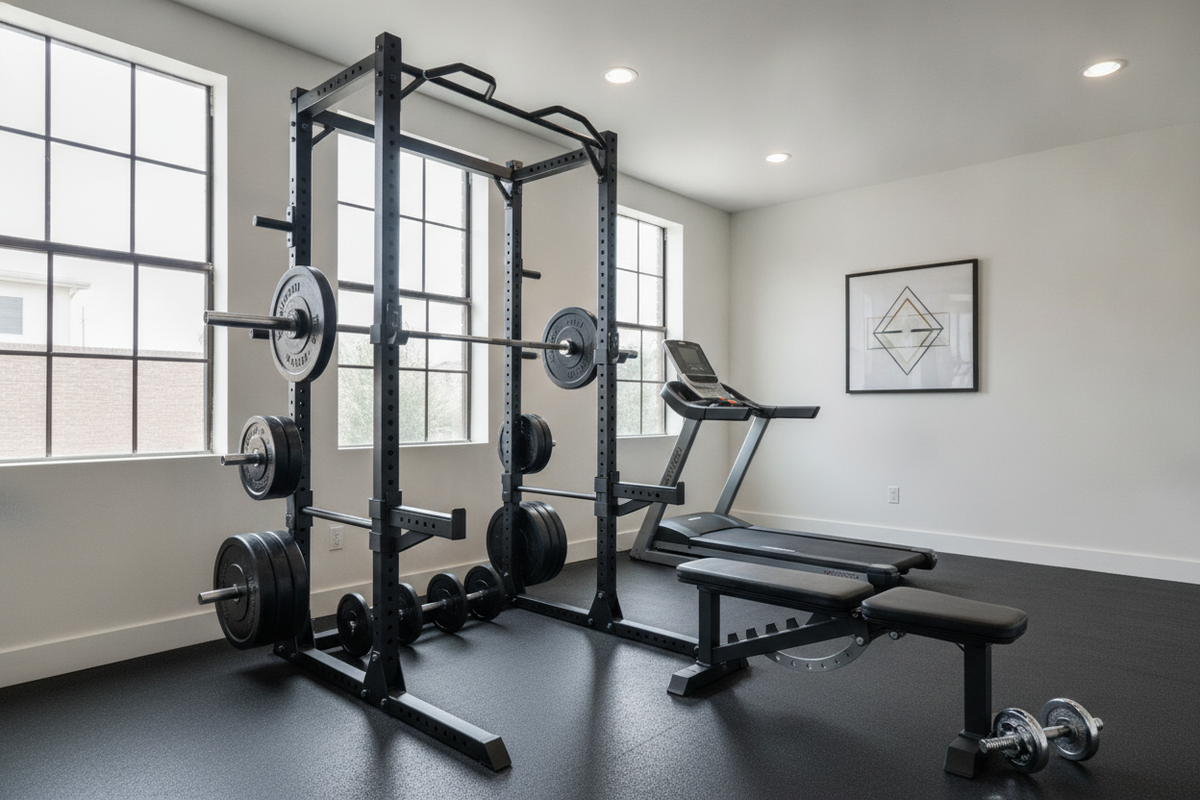
When you lift heavy weights on bare concrete, tile, or residential floorboards, dropped plates and heavy racks can cause severe subfloor damage. Furthermore, unstable footing undermines balance when performing taxing compound movements. Equipping your workout area with a dedicated shock-absorbing mat and a high-density exercise mat creates a firm, slip-resistant base that protects your flooring and reduces vibration. Thoughtful equipment placement on dense rubber flooring gives you the confidence to train hard without worrying about cracked tiles or noisy barbell impacts.
Common Muscle Diet Plan Pitfalls to Avoid
Many lifters start an ambitious muscle diet plan only to abandon it due to fatigue or digestive distress. One common mistake is increasing calorie intake too rapidly, relying on heavily processed snacks rather than wholesome ingredients. While calorie-dense junk foods make hitting surplus goals easy, they often cause lethargy and poor recovery.
Another frequent error is neglecting fluid intake. Muscle tissue contains substantial water, and even mild dehydration diminishes bar speed and endurance during training. Drink clean water steadily from morning until night, keeping a water bottle nearby during your lifting sessions. Lastly, avoid switching routines too quickly; meaningful muscle mass accumulation requires months of consistency in both the kitchen and your home training zone.
Frequently Asked Questions About Gaining Mass
What is a good meal plan to gain muscle?
A good meal plan to gain muscle emphasizes four to five balanced meals spaced evenly throughout the day, each containing quality lean protein, nutrient-rich complex carbohydrates, and moderate healthy fats.
What is the best meal plan to gain muscle if I train at home?
The best approach combines predictable grocery staples with easy batch cooking, ensuring you have steady energy before lifting sessions and reliable recovery meals immediately afterward.
How many meals should I eat per day on a gaining mass diet plan?
Eating four to five meals per day allows you to spread your calorie intake comfortably, preventing digestive heaviness while keeping muscle protein synthesis consistently stimulated.