Best Protein Diet for Muscle Gain: Whole-Food Frameworks, Meal Architecture, and Training Zone Setup
Designing the best protein diet for muscle gain requires more than simply consuming high-protein snacks at random hours. Successful muscle growth depends on structured nutritional habits, thoughtful food selection, and an understanding of how dietary fuel integrates with consistent resistance training. By establishing a balanced whole-food foundation, lifters can sustain recovery, rebuild muscle fibers, and maintain the daily energy needed for rigorous home workouts.
Foundations of a High-Protein Diet for Hypertrophy
When trainees seek the best protein diet to build muscle, the core principle centers on supplying the body with complete amino acid profiles. Protein supplies the foundational building blocks required to repair muscle tissue broken down during strength training. Without sufficient amino acid availability throughout the day, the body struggles to maintain positive muscle protein balance.
A successful approach prioritizes quality over sheer volume. Selecting the best protein source for muscle growth involves evaluating nutrient density, digestive ease, and overall food quality. When paired with progressive resistance training routines—such as structured upper and lower body splits detailed in our build muscle fast guide—a structured protein framework gives muscle tissue the resources necessary to adapt and grow over time.
Core Whole-Food Protein Categories for Muscle Building
Identifying the best protein food for building muscle begins with stocking your kitchen with diverse, nutrient-dense ingredients. Whole foods offer balanced micro- and macronutrient matrices that powders alone cannot replicate. Selecting varied sources across animal, dairy, and plant origins ensures lifters receive essential vitamins, minerals, and fatty acids alongside their primary protein.
Lean Meats and Poultry
For many lifters, poultry and lean meats represent the classic cornerstone of an effective hypertrophy regimen. When considering what protein should i eat to gain muscle, options such as skinless chicken breast, lean ground turkey, and trimmed cuts of beef provide high-density protein with minimal saturated fat.
- Chicken Breast and Turkey: Widely regarded as the best lean protein for building muscle due to low fat content, high protein density, and straightforward meal-prep versatility.
- Lean Beef and Bison: Excellent choices for lifters seeking the best source of protein for muscle gain, offering dietary iron, zinc, and B vitamins that support overall energy production.
- Pork Tenderloin: A lean alternative that provides varied flavor profiles while maintaining a favorable protein-to-fat ratio.
Seafood, Eggs, and Cultured Dairy
Broadening your weekly menu to include aquatic and dairy sources delivers high-quality protein alongside essential healthy fats. These foods make up some of the best high protein foods for muscle gain because they offer versatile preparation methods and distinct nutrient profiles.
- Wild Salmon and White Fish: Salmon supplies beneficial fatty acids alongside quality protein, while white fish varieties like cod and tilapia serve as lean, light alternatives for clean meal building.
- Whole Eggs and Egg Whites: Whole eggs offer complete nutrition, while blending them with liquid egg whites provides an easy way to elevate total protein without drastically increasing calories.
- Greek Yogurt and Cottage Cheese: These cultured dairy staples rank among the best protein food to gain muscle due to their slow-digesting casein content, making them practical options for evening snacks or quick midday meals.
Plant-Based Protein Synergies
Trainees following vegetarian or plant-forward protocols can easily build the best protein sources for muscle gain by combining complementary ingredients. Plant proteins provide beneficial dietary fiber, antioxidants, and complex carbohydrates that support long-term training stamina.
Pairing legumes such as lentils, black beans, and chickpeas with whole grains like quinoa or brown rice forms complete amino acid profiles. Additionally, minimally processed soy foods like firm tofu, tempeh, and edamame serve as exceptional standalone options when searching for the best protein source for building muscle within plant-centric plans.
Meal Architecture and Daily Protein Distribution
Building an effective routine goes beyond asking what protein should i take to build muscle; it also involves how you structure your daily meals. Spacing meals evenly across the day keeps amino acids circulating regularly to assist ongoing muscle recovery. A well-constructed best protein meal for muscle gain combines a primary protein anchor with complex carbohydrates and healthy fats.
For lifters performing demanding upper-body routines, such as those covered in our building lean muscle guide, pre-workout and post-workout nutrition helps replenish glycogen stores and initiate muscle repair efficiently.
Daily Plate Frameworks for Active Lifters
Rather than obsessing over complex calculations, establishing a visual plate model simplifies daily meal preparation. Trainees aiming for the best protein sources for bodybuilding often rely on balanced meal templates:
- The Protein Anchor: Dedicate approximately one-third to one-half of your plate to a primary protein source, such as grilled poultry, seared fish, tofu, or lean beef.
- Complex Carbohydrate Base: Fill another portion with slow-digesting starches like sweet potatoes, oats, brown rice, or quinoa to fuel heavy lifting sessions.
- Fibrous Vegetables: Include leafy greens, broccoli, asparagus, or bell peppers to support digestion and micronutrient absorption.
- Supportive Fats: Add moderate amounts of olive oil, avocado, or nuts to support overall cellular function.
Connecting Dietary Fuel to Home Training Environment
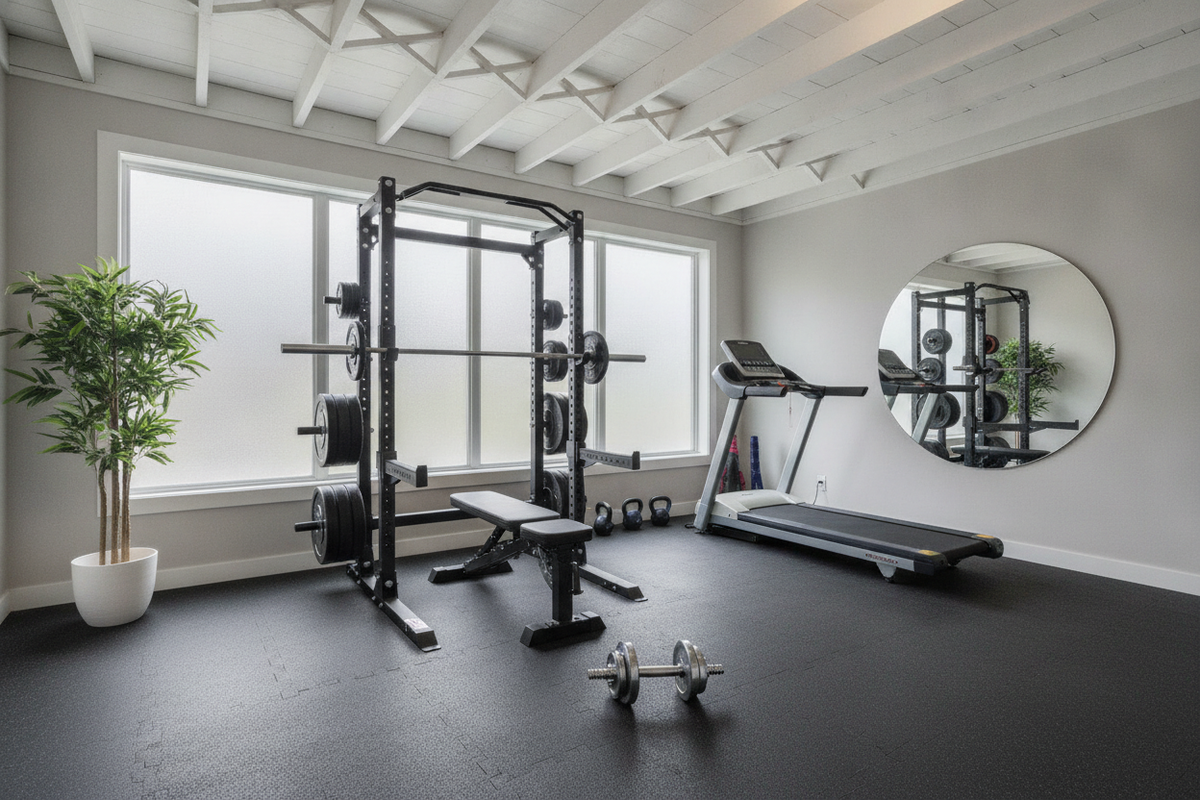
Even the best protein diet for muscle gain requires the stimulus of progressive strength training to trigger hypertrophy. Lifters who train in home gym environments must ensure their workout space is equipped to handle heavy barbell work, dumbbell circuits, and bodyweight conditioning safely and consistently.
Pairing comprehensive strength workouts—like the high-volume protocols highlighted in our build muscle high guide—with a stable lifting station creates the ideal physical setting to match your nutritional commitment.
Flooring Protection and Lifting Station Stability
Executing heavy deadlifts, bench presses, and kettlebell work places substantial stress on residential floors. Setting up high-density rubber gym mats and large exercise mats provides vital traction, dampens vibrations, and prevents subfloor damage during intense sessions. A clean, slip-resistant surface underfoot gives lifters the confidence to focus fully on form, progressive overload, and athletic consistency while their nutrition strategy powers recovery between workouts.