
Best Protein Powder for Female Muscle Gain: Protein Source Frameworks, Recovery Architecture, and Training Floor Setup
Understanding Protein Frameworks for Female Muscle Hypertrophy
Building lean, functional muscle tissue requires a structured combination of consistent resistance training and adequate dietary nutrition. While whole foods form the cornerstone of daily meals, identifying the best protein powder for female muscle gain serves as a practical strategy to help meet elevated recovery demands without adding friction to a busy routine. Dietary protein provides the amino acid building blocks essential for repairing and remodeling muscle fibers stressed during challenging lifting sessions.
When women begin dedicated resistance routines, balancing schedule constraints with consistent nutrient timing can be challenging. Supplemental protein is not a standalone solution; rather, it acts as a reliable, convenient tool to support the body alongside whole foods like lean meats, fish, tofu, eggs, and legumes. When combined with consistent training principles outlined in our muscle women building guide, a high-quality protein powder helps ensure your daily nutritional baseline consistently supports your athletic goals.
Evaluating Protein Powder Categories for Muscle Building
Choosing the best protein powder for women building muscle starts with understanding the different source profiles available. Each category offers distinct filtration methods, digestion rates, and amino acid densities.
Whey Protein Isolate vs. Whey Protein Concentrate
Dairy-derived whey remains one of the most widely used protein sources. When selecting the best whey protein powder for female muscle gain, lifters typically compare isolate and concentrate forms:
- Whey Protein Isolate: Undergoes extensive micro-filtration to strip away the vast majority of naturally occurring carbohydrates, fats, and lactose. This makes it an efficient option for lifters who prioritize high protein purity per scoop or who experience digestive sensitivity with standard dairy products.
- Whey Protein Concentrate: Retains a slightly higher balance of natural dairy lipids and beneficial fractions, often delivering a creamier texture at a more accessible price point, provided lactose tolerance is not an issue.
Micellar Casein
Casein is the slower-digesting counterpart to whey. It forms a gel-like consistency in the stomach, releasing amino acids gradually over several hours. This sustained release makes casein an appealing option for evening consumption or extended periods between meals to support ongoing muscle maintenance.
Plant-Based Protein Blends
For individuals following a vegan lifestyle or avoiding dairy entirely, multisource plant blends offer the best protein for women to build muscle without animal ingredients. Formulations combining pea, brown rice, pumpkin seed, and hemp protein complement each other's amino acid profiles, delivering a well-rounded spectrum that effectively supports recovery.
Egg White and Collagen Powders
Egg white protein provides a naturally dairy-free, complete animal protein source with zero fat and minimal carbohydrates. Collagen peptides, while popular for connective tissue support, lack the complete essential amino acid profile required to serve as a primary hypertrophy driver. When seeking the best protein for female muscle gain, prioritize complete protein sources or multisource blends over standalone collagen.
Key Selection Criteria: How to Choose the Right Protein Powder
Navigating ingredient panels requires looking beyond marketing claims to evaluate how well a formula aligns with your daily dietary habits and digestive tolerance.
- Macronutrient Proportions: For targeted muscle building, prioritize powders that offer a high proportion of protein relative to added sugars or heavy fillers, allowing you to control your carbohydrate and healthy fat intake independently.
- Digestive Comfort: Look for clean formulations that sit well in your stomach. Some lifters benefit from formulas that include digestive enzyme blends or minimal artificial sweeteners.
- Flavor and Mixability: The best routine is one you can maintain consistently. Neutral or lightly flavored powders offer versatility for blending into oatmeal, smoothies, or simple shaker bottles.
- Label Transparency: Opt for brands that clearly disclose their protein source breakdown rather than hiding key ingredients behind proprietary blends.
Integrating Protein Powders into Daily Training and Recovery Schedules
Distributing your protein intake evenly throughout the day helps optimize muscle protein synthesis. Rather than consuming the majority of your daily protein in a single large meal, dividing intake across several feeding windows creates a steady supply of structural support.
A convenient post-workout shake consumed within a reasonable window after training provides rapid replenishment, especially when paired with a source of complex carbohydrates. Mid-afternoon smoothies can bridge the gap between main meals, preventing energy dips and helping you hit daily protein targets. If your routine balances high-intensity conditioning alongside weight training, as detailed in our build muscle guide, keeping convenient protein options readily available ensures your recovery stays aligned with training volume.
Pairing Nutritional Support with Progressive Strength Training
Finding the best protein to gain muscle for women only yields meaningful results when paired with progressive overload. Muscle hypertrophy is a direct physiological adaptation to mechanical tension, requiring structured resistance training that challenges your muscles consistently over time.
Prioritize multi-joint compound movements such as squats, deadlifts, hip thrusts, presses, and rows to recruit large muscle groups efficiently. As explored in our comprehensive build muscle women guide, progressive lower-body training establishes a strong foundation for full-body strength. Whether you train in a commercial gym or follow a structured build muscle female guide at home, pairing systematic load progression with consistent protein supplementation forms the core framework for sustainable muscle development.
Home Gym Environment and Floor Staging for Consistent Lifting
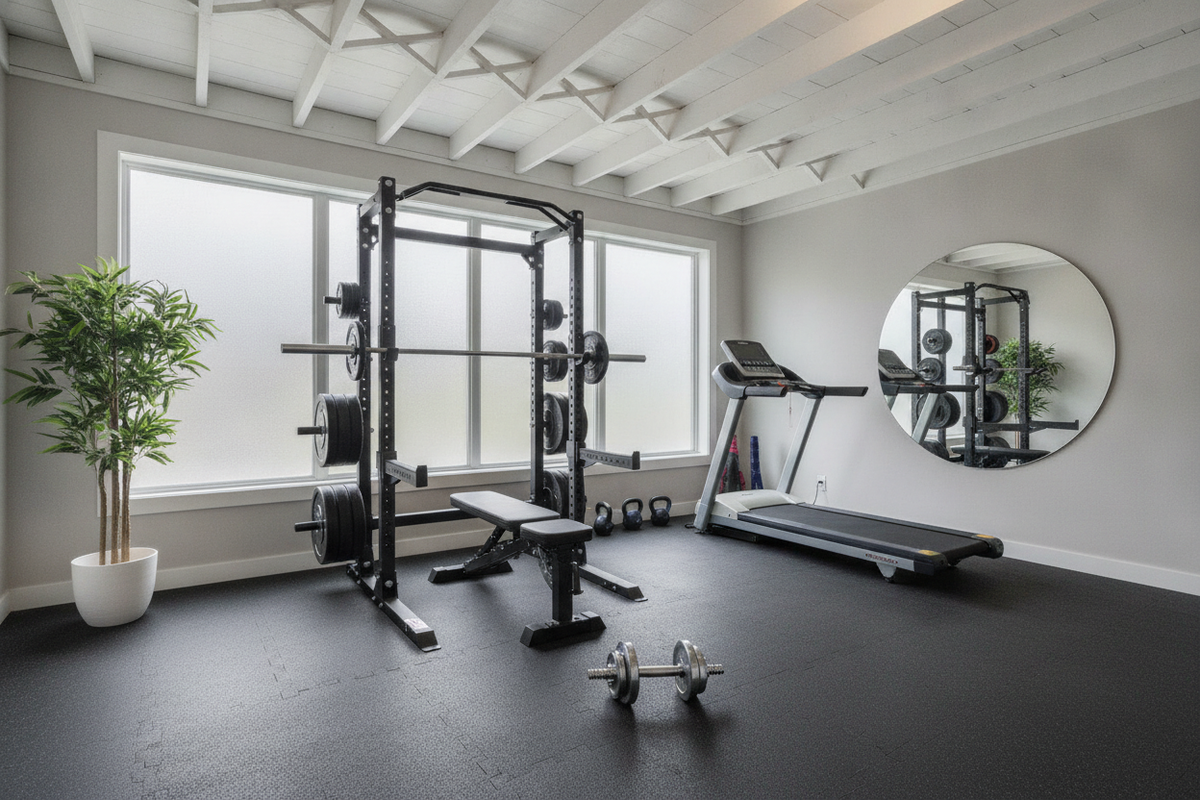
Consistency in training requires an environment that supports safe, focused movement. When lifting heavy dumbbells, kettlebells, or barbells at home, the physical setup of your training space is just as crucial as your post-workout nutrition.
High-Density Matting for Joint Stability
Performing heavy compound lifts on bare hardwood, slippery tile, or plush carpet can compromise balance and foot stability. Installing dedicated, high-density exercise mats creates a firm, non-slip foundation that provides essential traction underfoot during loaded squats, lunges, and overhead presses, while absorbing joint shock during dynamic warm-ups.
Subfloor Protection Against Impact
Setting down heavy weights repeatedly can cause costly damage to underlying subfloors. Heavy-duty rubber and high-density foam gym flooring protect your living space from dropped dumbbells, kettlebell impacts, and barbell contact, giving you the confidence to lift with full intensity.
Waterproof Surfaces and Easy Cleanup
Between post-workout shaker bottles, hydration flasks, and lifting chalk, home gym spaces experience frequent spills. Professional-grade, non-porous matting prevents moisture absorption, resisting odors and allowing quick wipe-downs so your training and recovery zone remains clean, safe, and ready for every session.
Frequently Asked Questions About Protein Powder and Female Muscle Gain
Can protein powder replace regular meals during a muscle-building phase?
Protein powder is intended as a dietary supplement rather than a complete meal replacement. While a scoop of protein provides concentrated amino acids, whole foods offer complex micronutrients, fiber, and healthy fats that are essential for overall health and sustained energy.
How should protein powder be mixed for practical daily use?
Using a standard shaker cup with a blending mechanism or combining ingredients in a kitchen blender allows you to adjust liquid ratios according to personal taste and texture preferences. Mixing powder with water provides a simple option on the go, whereas blending with milk, plant beverages, or whole fruits creates a more substantial snack between training sessions.
Does protein powder cause bulky weight gain without strength training?
Protein powder alone does not cause unwanted bulk. Muscle hypertrophy requires the progressive mechanical stimulus of resistance training combined with an appropriate nutritional plan. Consuming protein powder within your balanced daily caloric needs simply supports lean tissue maintenance and recovery.


