Meal Plan to Gain Muscle: 7-Day Food Architecture, Daily Prep Systems, and Home Training Fueling
Building muscular strength and size requires more than challenging sets in your training area; it demands a dependable, organized nutrition framework. A structured meal plan gain muscle strategy bridges the gap between the physical output delivered on your lifting mats and the recovery resources your body needs between sessions. By establishing a clear rhythm for daily meals, you remove the daily friction of dietary indecision and ensure steady fueling for every session.
Foundations of a High-Protein Muscle Growth Meal Plan
A functional high-protein meal plan for muscle gain relies on three core components: consistent protein distribution, complex carbohydrate intake, and quality dietary fats. Rather than viewing nutrition as restrictive, a growth-oriented framework focuses on abundance and deliberate food selection.
- Lean and Varied Proteins: Distributing protein across your daily eating windows supplies the essential building blocks necessary for muscle tissue repair. Poultry, lean beef, fish, eggs, tofu, tempeh, and dairy products provide diverse amino acid profiles.
- Complex Carbohydrates: Carbohydrates serve as the primary fuel source for high-intensity lifting. Whole grains, oats, sweet potatoes, and legumes replenish energy stores and support training stamina.
- Dietary Fats: Nut butters, seeds, avocados, and olive oil provide concentrated energy and support normal systemic function, helping you maintain energy across demanding training cycles.
- Hydration and Micronutrients: Consistent fluid intake combined with colorful vegetables and fruits ensures optimal metabolic processes and digestive comfort.
The 7-Day Muscle Building Weekly Meal Framework
Consistency is simpler when you follow a repeatable weekly meal plan to build muscle. When pairing your weekly nutrition framework with a structured lifting routine, consult our plan build muscle guide to establish an aligned training schedule. A balanced weekly rotation ensures you receive diverse micronutrients without complicating your grocery shopping.
Structuring Daily Meals: Breakfast, Lunch, Dinner, and Strategic Snacks
An effective simple meal plan to build muscle organizes daily intake into dependable windows that support sustained energy without causing sluggishness during workouts.
- Breakfast Foundation: Combine slow-digesting complex carbohydrates with complete proteins. A classic bowl of rolled oats prepared with milk or a plant-based alternative, topped with chia seeds, sliced bananas, and accompanied by whole eggs or egg whites, establishes stable energy levels for the morning.
- Midday Fuel: Lunch should balance lean protein, moderate starches, and fibrous vegetables. Grilled chicken breast or baked tofu alongside brown rice, roasted broccoli, and a drizzle of olive oil provides sustained midday satiety.
- Evening Recovery Plate: Dinner serves as a primary post-training repair meal. Pan-seared salmon or lean ground turkey paired with baked sweet potato wedges and steamed asparagus delivers vital fatty acids and minerals.
- Strategic Nutrition Snacks: Keep high-protein options accessible between main meals. Greek yogurt with mixed berries, cottage cheese with walnuts, or a whole-food protein smoothie keep amino acid levels steady throughout the afternoon.
Pre- and Post-Workout Fueling for High-Output Lifting
How you time your nutrition relative to your lifting sessions directly affects output under the bar. For demanding sessions that drain energy quickly, align your pre-workout meal timing with a focused lower-body strength schedule outlined in our build week program guide.
A pre-workout meal consumed comfortably ahead of training should emphasize easily digestible carbohydrates paired with a moderate serving of protein. Options like a banana with a light spread of almond butter, or a slice of sourdough bread with honey and whey protein, supply rapid energy without causing digestive heaviness.
Following your workout, prioritize a recovery meal that combines protein for tissue rebuilding with carbohydrates to restore depleted glycogen. A balanced combination of rice, lean meat, and vegetables within a reasonable window post-exercise helps kickstart the restorative process.
Batch Cooking and Kitchen Workflows for Consistent Hypertrophy
Executing a weekly diet plan for building muscle week after week comes down to kitchen efficiency. Adopting simple batch-prep systems eliminates the risk of missed meals during hectic days.
- Dedicate a Prep Window: Set aside a focused block of time once or twice each week to cook base staples in bulk.
- Batch-Cook Core Carbohydrates: Prepare large batches of quinoa, jasmine rice, or roasted sweet potatoes in advance and divide them into airtight storage containers.
- Pre-Cook Primary Proteins: Bake seasoned chicken breasts, slow-cook lean roasts, or roast seasoned chickpeas so they are ready to assemble into fresh meals in minutes.
- Prep Vegetables for Quick Cooking: Wash, chop, and store fibrous greens, bell peppers, and root vegetables so they can be quickly steamed, sautéed, or added raw to meal bowls.
Syncing Nutrition with Your Home Gym Environment and Floor Setup
Structured nutritional fuel and your dedicated training space work synergistically. When your body is properly nourished, you can generate higher force, maintain focus through demanding sets, and handle higher training density. Maintaining high training intensity across dynamic hybrid circuits requires both strategic caloric support and a stable training surface, as highlighted in our perfect build muscle guide.
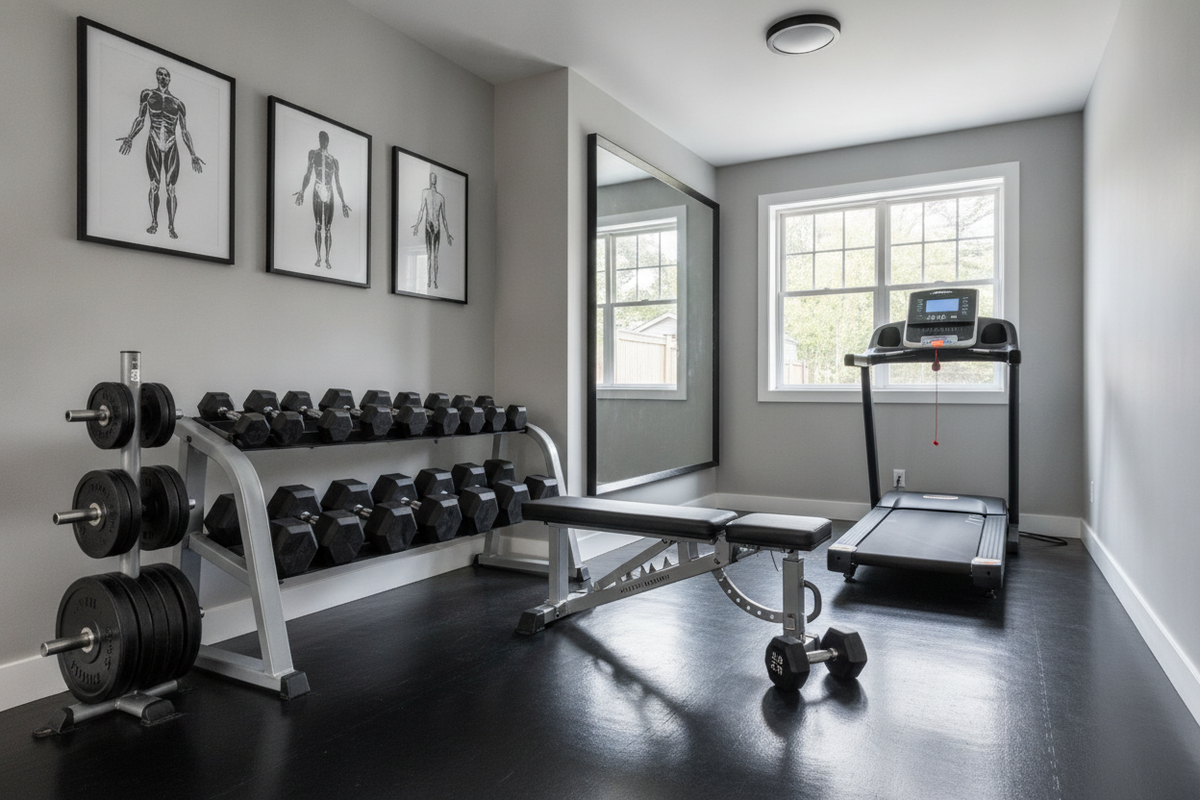
Lifting heavy dumbbells and barbells at home requires a secure, high-density exercise mat foundation beneath your feet. Solid gym flooring absorbs equipment impact, protects subfloors, and provides non-slip traction during heavy squats and presses. When strategic meal planning provides the internal fuel, a reliable home gym setup delivers the external platform needed to turn that energy into lasting physical progress.