Cardiovascular and Resistance Training at Home
Setting up an effective home routine often comes down to balancing cardiovascular and resistance training in the same limited workout zone. While both styles of conditioning deliver distinct physical advantages, trying to pursue them without a clear plan can leave you feeling drained, disorganized, or stalled. Cardiovascular and resistance training do not need to compete for your calendar; instead, thoughtful programming allows your aerobic endurance and load-bearing strength to support each other continuously.
Achieving this balance means understanding how energy systems interact during cardio and resistance sessions, how to manage muscle fatigue across your week, and how to stage your training environment so you can move smoothly between intervals and heavy lifts. Reviewing our practical blueprint for resistance strength training form offers a solid baseline for posture, loading habits, and foundational floor safety before you start layering on higher tempo drills.
Balancing Cardiovascular and Resistance Training at Home
When you program cardiovascular and resistance training together, the primary hurdle is managing cumulative muscle fatigue. Lifting heavy loads taxes your central nervous system and demands local muscular stamina, while prolonged cardiovascular exercise relies on steady aerobic pacing. When combined hastily, high-intensity intervals can compromise lifting technique, or heavy sets can leave you too exhausted to maintain steady aerobic capacity.
To make cardiovascular and resistance training sustainable, establish your primary objective for each training cycle. If progressive overload with free weights is your chief focus, you should prioritize lifting freshness before turning to aerobic capacity drills. If building stamina for running or cycling takes center stage, cardiovascular and strength training must be calibrated so that heavy lower-body loads do not exhaust you before your long sessions. Structuring cardio and resistance work thoughtfully ensures that neither modality blunts the progress of the other.
Which Comes First: Cardiovascular or Resistance Training?
Which comes first depends strictly on your main fitness target: perform resistance exercises first if your priority is building strength, and tackle cardiovascular exercise first if endurance is your core goal. When performing cardiovascular and resistance training back-to-back, whatever you do first benefits from fresher neuromuscular output and full energy stores.
Placing resistance exercises at the start of a session allows you to handle free weights, dumbbells, and barbells with clean mechanics and reduced risk of breakdown. If you exhaust your stabilizing musculature with extensive cardiovascular exercise first, holding posture during squats or presses becomes significantly harder. Conversely, a brief dynamic warm-up that elevates heart rate without generating deep muscle fatigue serves as the ideal bridge into demanding resistance work. Once your lifting sets are finished, finishing with steady-state aerobic conditioning or short high-intensity intervals gives you a comprehensive session without undermining lifting form.
Weekly Scheduling: Same-Day Circuits vs. Split Days
Structuring your weekly split requires deciding between hybrid same-day workouts and dedicated modality days. Many home trainees prefer alternating days, pairing cardiovascular and strength training on separate mornings or evenings to allow for clear mental separation and distinct rest intervals. For instance, you might dedicate Monday and Thursday to strength training workouts, while Tuesday and Friday are reserved for dedicated cardio and strength cross-training drills, leaving weekends for active recovery days.
Other athletes prefer the time efficiency of combining cardio and strength into single blocks. In those circumstances, resistance training cardio hybrids combine moderate loads with brisk pacing. If you follow home video classes, it helps to be discerning about intensity; reading our analysis on strength training videos versus cardio workouts highlights how some popular streaming sessions tilt heavily toward high-rep aerobic burn rather than true progressive tension. Planning structured recovery days between intense cardiovascular and resistance training blocks prevents joint impact from accumulating and keeps your weekly split productive over the long haul.
Movement Pairings for Resistance Training Cardio Workouts
Designing effective resistance training cardio sessions requires pairing exercises that do not clash for the same local muscular stamina. When you want to elevate heart rate while handling resistance exercises, alternating upper-body and lower-body bodyweight movements or pairing free weights with low-impact floor drills provides continuous circulation without overloading a single muscle group.
A well-balanced circuit training template might combine dumbbell goblet squats with mountain climbers, followed by an overhead press and a brief burst on a jump rope. For more comprehensive movement sequences, exploring our cardio and strength training workout guide reveals how to structure seamless exercise flow without overcrowding your floor plan. In practice, I find that keeping transitions under thirty seconds maintains aerobic elevation while giving hands and grips just enough downtime to reset securely before the next set of dumbbells or kettlebells.
Here is an outline of balanced pairings for cardiovascular and resistance training sessions:
- Lower Body and Core: Pair kettlebells for Romanian deadlifts with bodyweight movements like hollow holds or high planks to manage joint impact.
- Upper Body and Agility: Alternate dumbbell rows or floor presses with lateral skater hops to sustain resistance training cardio flow.
- Full-Body Conditioning: Combine moderate-load thrusters with controlled mountain climbers, allowing modest rest intervals to preserve lifting mechanics.
Always conclude hybrid cardiovascular and resistance training sessions with a deliberate cool-down. Gentle walking and light mobility work allow your heart rate to step down gradually and ease tension in tight muscle tissue.
Can You Do Cardiovascular and Strength Training on the Same Day?
Yes, you can do cardiovascular and strength training on the same day by either separating them into morning and evening windows or placing your priority exercise first in a consolidated workout. When combining cardio and resistance during the same calendar day, organizing distinct training blocks helps you execute both elements with focused intent.
If you choose back-to-back cardiovascular and resistance training, keep your resistance exercises focused on clean execution and preserve moderate pacing during the endurance portion. Doing so keeps the cardio and strength demands complementary rather than exhausting. For those with busy work schedules, dedicating thirty minutes to strength training workouts followed by fifteen minutes of steady cardiovascular exercise is an accessible template that preserves joint health and provides dependable cardiovascular and resistance training adaptations.
Flooring and Equipment Placement for Dual-Modality Workouts
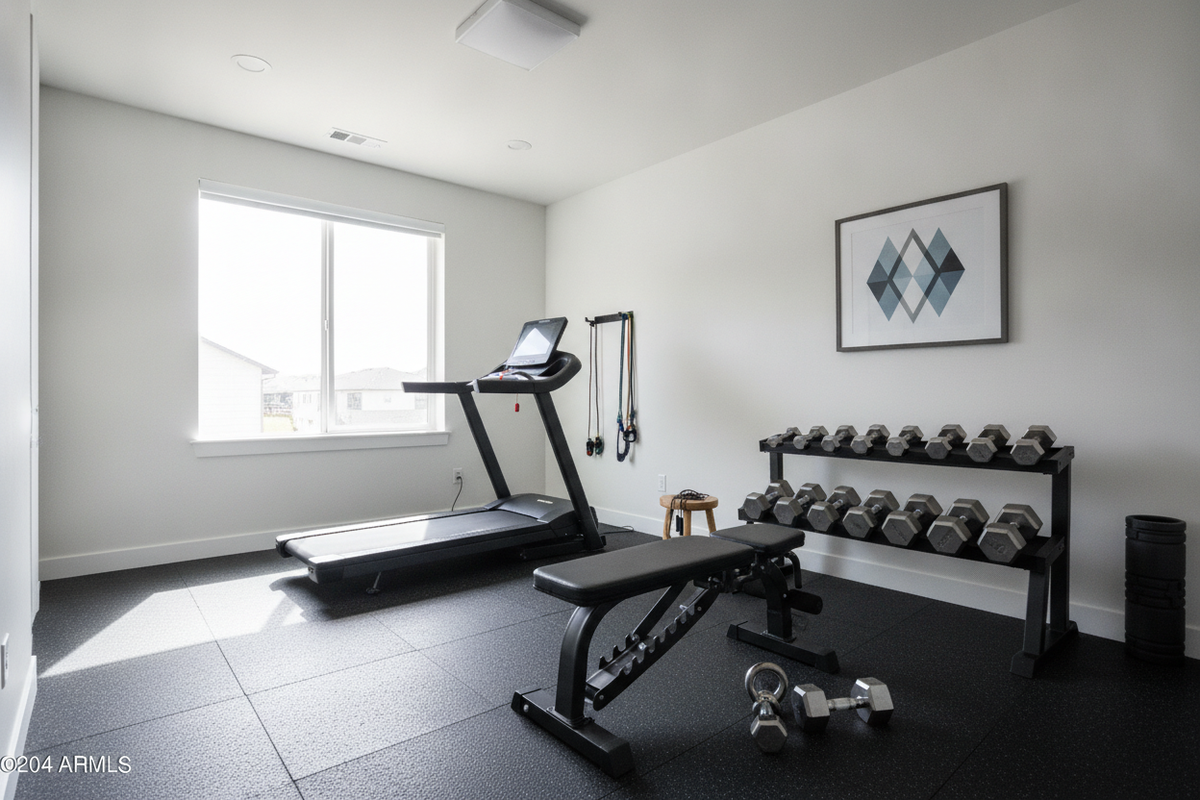
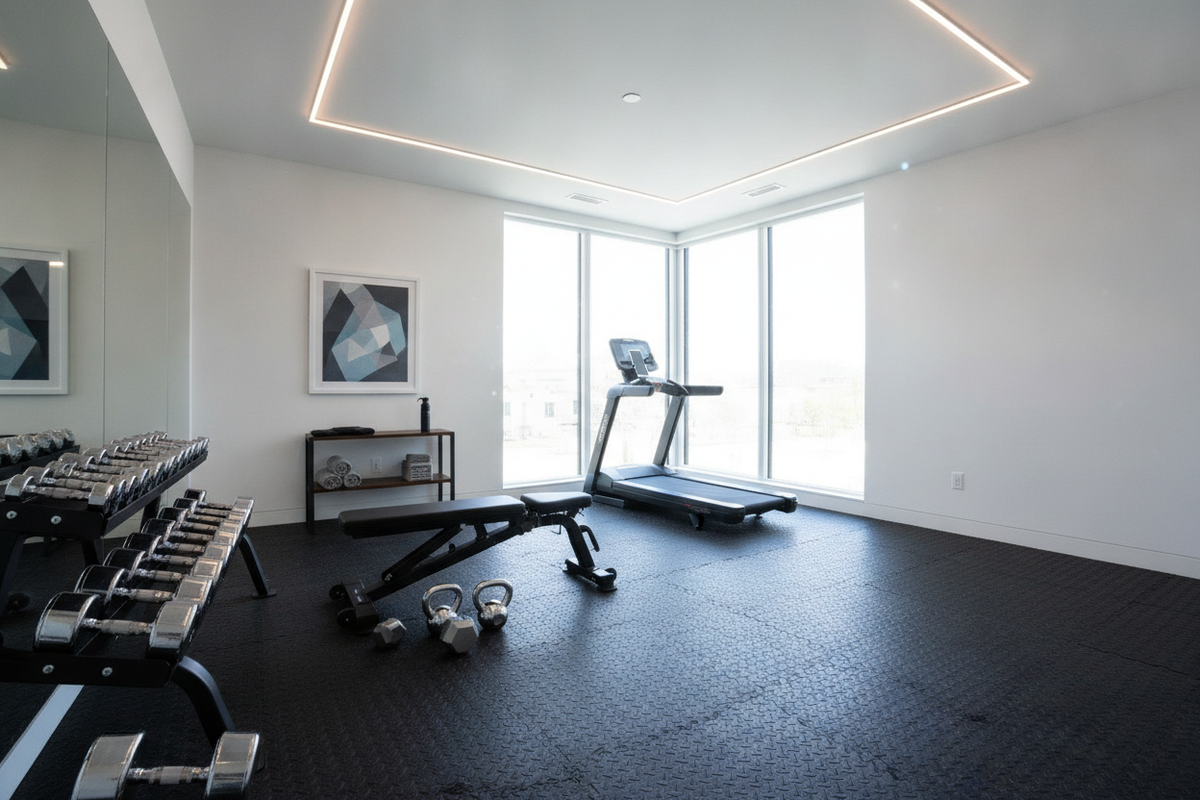
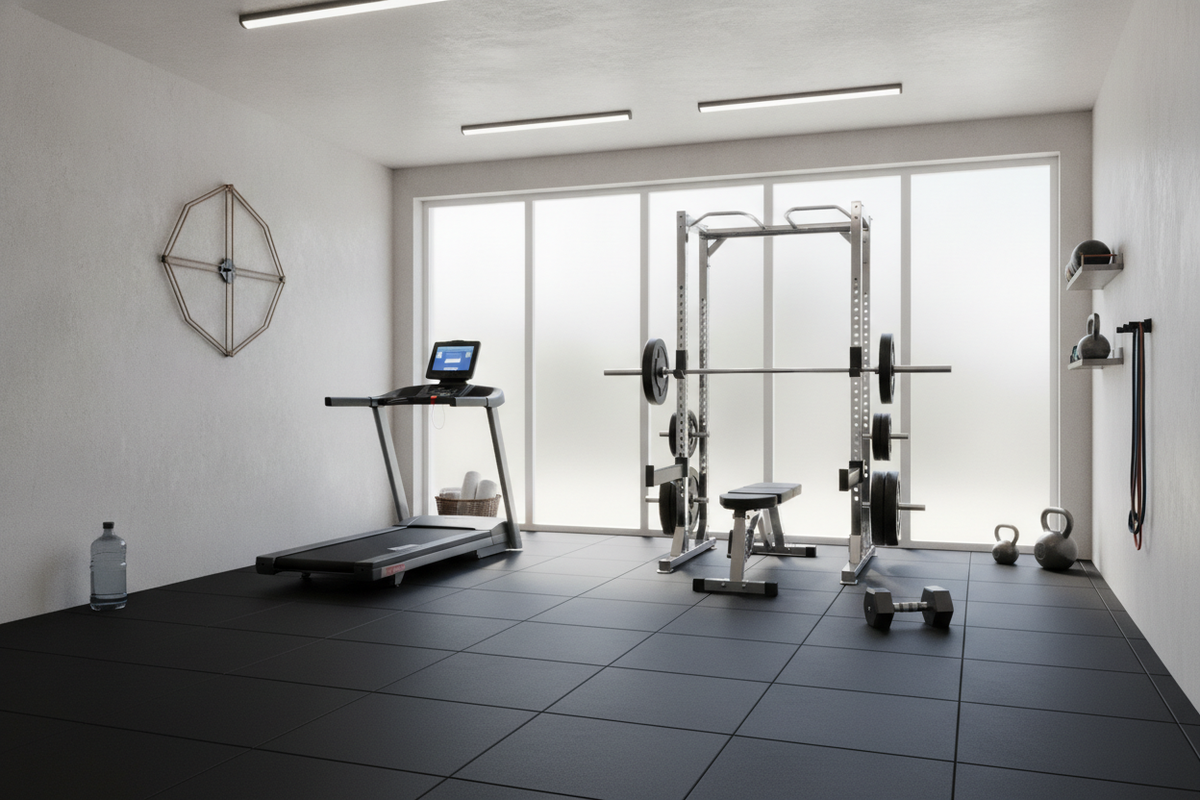
Managing cardiovascular and resistance training in a home setting places complex demands on your flooring. High-impact aerobic intervals require a reliable non-slip surface with shock absorption for repeated foot strikes, while heavy resistance exercises require dense, firm support that prevents sinkage under free weights. Standard household floors, such as hardwood, tile, or thin laminate, simply cannot withstand dropped dumbbells, repeated kettlebells swings, or rapid pivot maneuvers without subfloor protection.
Integrating a high-density rubber mat or specialized gym flooring creates an ideal dual-modality base. A durable high-density rubber mat shields delicate subfloors from point-load damage when weights are set down firmly, while providing the traction necessary for explosive lateral hops. If your space features permanent strength stations, reviewing our lower body strength collection will help you plan static machine footprints so they do not crowd open floor mats. Similarly, stocking your training space with versatile implements from our strength training collection lets you store gear neatly along walls, maintaining clear movement lanes for cardiovascular and resistance training transitions.
Sensible equipment placement keeps your dual-modality room organized and safe. Keep your high-density rubber mat centered where jumping, lunging, and dynamic bodyweight movements happen, while placing storage racks for dumbbells, kettlebells, and bands against perimeter walls. This equipment placement prevents stray weights from becoming tripping hazards during fast-paced resistance training cardio circuits, allowing you to move freely between cardio and strength intervals.
Routine Maintenance and Floor Care for High-Sweat Sessions
Because hybrid cardiovascular and resistance training workouts combine elevated metabolic output with heavy ground contact, moisture management is essential. High-intensity intervals generate considerable perspiration, which can pool on exercise mats and compromise the non-slip surface if the material lacks proper sweat resistance. Selecting closed-cell exercise mats or gym flooring engineered with reliable sweat resistance makes daily hygiene simple and prevents odors from sinking into the padding.
After completing high-sweat cardiovascular and resistance training, wipe down your exercise mats with a damp microfiber cloth and a mild, neutral soap solution. Avoid harsh household bleaches or abrasive scouring pads, as these can degrade the protective top coat and reduce surface grip. Periodically inspect the edges and interlocks of your gym flooring to ensure seams remain snug, preventing floor separation during aggressive lateral cuts. By establishing a quick post-workout cleaning habit and choosing durable exercise mats, you ensure your cardiovascular and resistance training space remains clean, stable, and ready for every workout.