Cardio Results Before and After: Real Changes
When starting a new aerobic fitness program, it is common to look for visual proof of what consistent effort can accomplish. Many online transformations showcase dramatic side-by-side images, yet assessing genuine cardio results before and after requires looking deeper than lighting or temporary waistline poses. Sustainable conditioning shapes breathing capacity, muscular stamina, resting energy, and total body composition over months rather than days. Understanding what actually happens to your body helps you set achievable milestones and avoid the frustration of unrealistic expectations.
Understanding Cardio Results Before and After
Documenting your physical conditioning over time involves tracking functional improvements alongside any visual adjustments. Aerobic conditioning strengthens the heart and lungs, allowing functional circulation to deliver oxygen more efficiently to working muscle tissues. In the earliest weeks, everyday activities such as climbing multiple flights of stairs or carrying heavy bags begin to feel noticeably lighter.
Over a sustained period, consistent aerobic exercise encourages cardiovascular adaptations that alter your daily endurance. Instead of experiencing rapid fatigue, your body learns to operate comfortably across varying heart rate zones. Long-term cardio results show up as better posture, firmer lower-body musculature, and enhanced recovery between demanding physical tasks. Rather than judging your progress solely by mirror selfies, evaluating stamina, resting heart comfort, and general vitality offers a far more dependable indicator of progress.
What Realistic Cardio Results Before and After Can You Expect Over Time?
Realistic progress unfolds in distinct stages, starting with noticeable gains in breathing control and stamina before marked external changes appear. In the first four to six weeks of establishing a home cardio routine, neuromuscular adaptations dominate; movements like running in place or cycling feel smoother and require less conscious effort. By weeks eight through twelve, consistent calorie expenditure and metabolic adaptations begin producing visible changes in body composition, including a firmer midsection and improved leg tone.
Cardio Weight Loss Before and After: Shape vs Scale
Aerobic training is often used as a direct path to managing scale weight, but the numbers on a bathroom scale rarely tell the entire story. During any fat loss journey, cardio weight loss involves complex shifts in water balance, glycogen storage, and active muscle recovery. Beginning a new conditioning regimen frequently triggers mild water retention in working muscles to support tissue repair, which can temporarily mask fat loss on the scale.
Focusing on body composition rather than total mass provides a clearer perspective. While high intensity interval training and steady state cardio promote regular calorie expenditure, preserving lean tissue ensures your metabolic rate remains resilient. To better understand how conditioning interacts with resistance work, explore our guide on weight training versus cardio. When muscle retention is supported through proper nutrition and balanced exertion, your body leans out evenly, changing how your clothes fit even when scale weight fluctuates very little.
Does Cardio Cause Weight Loss or Just Water Loss Initially?
Initial weight drops during the first week or two of cardio are often driven by fluid loss and depleted glycogen reserves rather than pure fat reduction. As your sweat rate increases during rigorous training, rapid daily scale decreases reflect hydration changes. True fat loss emerges gradually as sustained calorie expenditure creates an energy deficit over several continuous weeks of training.
When to Do Cardio for Fat Loss and Weight Management
Choosing when to schedule your conditioning sessions depends heavily on personal lifestyle and training adherence. Some individuals prefer morning workouts in a fasted state, believing it accelerates fat burning, while others perform better in the afternoon when core body temperature peaks and muscular coordination is at its highest. Ultimately, scheduling your training at a time you can sustain consistently produces far better fat reduction outcomes than following rigid, inconvenient rules.
For those managing a busy week, planning your sessions around work and family commitments prevents skipped days. If you find your routine regularly disrupted by fatigue or competing priorities, our analysis of cardio and lifting schedules provides practical strategies to structure your weekly split effectively. Steady state cardio can easily be completed in the morning or on active recovery days, while more demanding interval sessions benefit from the extra energy provided by regular meals.
When to Do Cardio for Fat Loss If You Also Lift Weights?
If your goal is fat reduction while preserving lean mass, perform your weight training first and place your cardio session afterward or on alternate days. Lifting weights requires high levels of neuromuscular energy; exhausting your muscles with intense aerobic work beforehand can diminish lifting performance and compromise form. Low to moderate steady state cardio after a resistance workout allows you to burn additional energy without degrading lifting mechanics.
Balancing Cardio and Weight Training Without Overtraining
Integrating conditioning with resistance workouts creates a well-rounded physique, but excessive aerobic volume can lead to chronic fatigue and joint strain. When planning your weekly training, combining steady state cardio with targeted intervals ensures variety without pushing the central nervous system into exhaustion. For structured indoor workout inspiration, check our intense home HIIT cardio routine.
Managing repetitive joint impact is essential for keeping your training consistent over months and years. Exercises like jump rope drills, burpees, and running in place repeatedly load the ankles, knees, and hips. Balancing higher-impact movements with low-impact options such as an exercise bike or brisk walking allows connective tissues to recover. Monitoring your recovery signals—such as lingering joint stiffness, poor sleep, or sluggish workouts—helps you modulate your weekly volume before minor aches interrupt your training schedule.
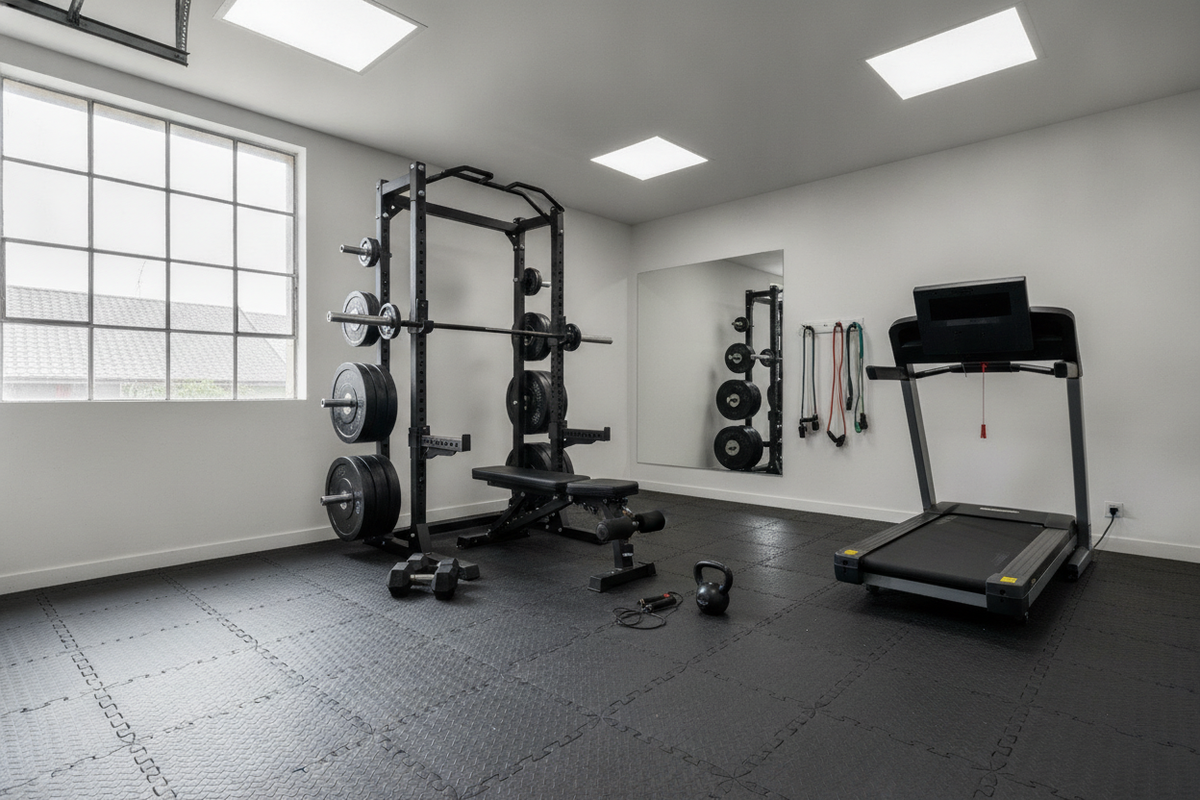
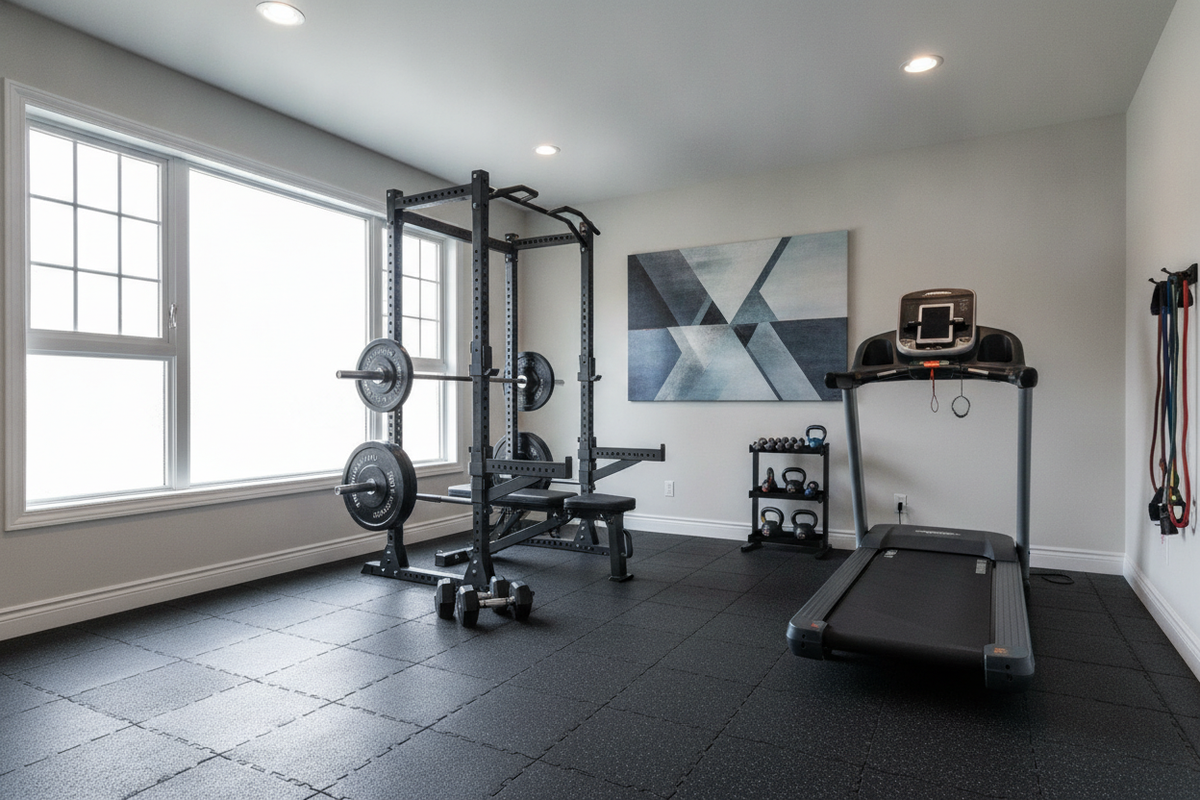
Home Gym Floor Setup for High-Impact Aerobic Training
Performing repetitive cardiovascular exercise inside a home requires deliberate attention to the training surface beneath your feet. Concrete garage slabs, hard tile, and unyielding hardwood floors reflect impact forces straight back into your ankles, shins, and knees. Over time, training on bare domestic floors can lead to unnecessary discomfort and shorten workout duration.
Investing in non slip gym flooring provides essential shock absorption that cushions landings during fast-paced drills. A high-density thick exercise mat absorbs kinetic energy when skipping rope or performing plyometrics, protecting sensitive joints from excessive wear. Furthermore, utilizing a large workout mat creates dependable traction under sweaty conditions, preventing slips during lateral bounds, mountain climbers, or skater hops.
Surface protection also preserves the home itself. Heavy foot strikes, dropped equipment, or the continuous vibrations of an exercise bike can scuff, scratch, or crack delicate home flooring. Proper subfloor protection dampens sound transmission to adjoining rooms and preserves your home foundation. By establishing a stable, shock-absorbing base, you create a safe and comfortable training space that supports long-term consistency and visible, lasting progress.