Is Cardio Better for Fat Loss Than Weight Training?
When planning a home fitness routine, one common debate centers on a familiar question: is cardio better for fat loss, or does lifting weights offer a more sustainable path to your goals? Anyone setting up a routine in a space with limited square footage often wonders whether to invest time in skipping rope, cycling, and running intervals, or to dedicate those workout sessions to barbells, kettlebells, and adjustable dumbbells. The reality is that determining the best approach depends on how each method influences total energy expenditure, supports lean muscle mass, and fits into your weekly schedule.
Understanding whether aerobic training holds an advantage over resistance exercise requires looking closely at how our bodies burn energy during and after physical activity. Many people start by asking whether they should emphasize cardio or weights for body fat loss. While steady aerobic exercise elevates immediate heart rate, heavy lifting prompts different physiological demands that influence physical conditioning over time. For a deeper breakdown of how conditioning interacts with energy use, explore our cardio versus fat burn guide.
Is Cardio Better for Fat Loss? The Short Answer
In the immediate term, aerobic exercise tends to produce a higher rate of calorie burn during exercise compared to a standard lifting session of the same duration. If you spend forty-five minutes on cardio machines or jogging outside, your body relies on continuous oxygen delivery to power movement. This elevated demand creates substantial energy expenditure during the workout itself. However, that alone does not make cardio universally superior for changing your physique.
While aerobic training excels at burning calories on the spot, it provides minimal stimulus for maintaining muscular tissue under a caloric deficit. When individuals restrict energy intake and rely solely on endurance exercise, the scale may drop, but some of that reduction can come from lost lean muscle mass. Losing muscle tissue can gradually reduce your resting metabolic rate. For this reason, deciding between weights or cardio to lose fat usually leads experienced fitness enthusiasts toward an integrated strategy rather than an exclusive choice.
Cardio vs Strength Training for Fat Loss: Core Differences
When evaluating cardio vs strength training for fat loss, it helps to examine how each discipline challenges the body. Aerobic exercise strengthens the heart and lungs, improves stamina, and burns energy efficiently while you move. Activities like rowing, running, and stationary biking keep your heart rate elevated over sustained periods, which helps create the caloric deficit needed to reduce overall body fat.
In contrast, resistance training places tension on muscle fibers using external loads. This mechanical tension tells your body to preserve or build muscular tissue even when energy intake is reduced. The debate between cardio vs strength training for fat loss also involves post-workout recovery. After an intense lifting session that emphasizes compound exercises such as squats, presses, and rows, your body expends energy repairing and adapting muscle tissue. This extended recovery process supports your ongoing metabolic rate well after you leave your home gym floor.
Joint impact is another consideration in the cardio vs strength training for fat loss discussion. High-impact aerobic drills, such as continuous road running or repeated jumping, can place significant wear on ankles, knees, and hips. Controlled resistance training allows you to work through stable ranges of motion, building physical strength without repetitive joint pounding. Balancing both modalities allows you to build stamina while keeping joint stress manageable.
Does Building Muscle Help Burn Fat When Resting?
Building and preserving muscular tissue supports your baseline metabolic rate, allowing your body to expend more energy even during periods of rest. Muscle tissue is metabolically active, requiring fuel simply to maintain itself. If an individual relies purely on intense cardiovascular sessions to drop weight, the body may break down muscle alongside fat stores, which can slow down daily baseline expenditure.
This relationship explains why fitness coaches encourage looking beyond simple scale changes. By pairing aerobic exercise with dedicated resistance training, you protect your lean muscle mass, ensuring that weight lost comes primarily from body fat stores. This muscular preservation creates a firmer, more athletic appearance and supports long-term weight maintenance. To learn more about organizing your lifting splits, read our guide to lifting weights and losing weight.
Should I Do Cardio Before or After Lifting for Fat Loss?
If your goal is to reduce body fat while keeping muscular strength intact, performing resistance training before cardiovascular work is generally the most effective sequence. Lifting free weights demands peak coordination, mental focus, and muscular power. If you exhaust your stabilizing muscles during a vigorous aerobic session first, your form during squats, deadlifts, or overhead presses may deteriorate, raising the likelihood of strain or injury.
Tackling your resistance exercises first allows you to lift with high intent and solid technique. Once your main sets are complete, you can shift to low- or moderate-intensity cardio machines or bodyweight intervals to increase your total calorie burn during exercise. This order preserves the muscle-sparing benefits of heavy lifting while still capturing the conditioning perks of cardio.
Building a Balanced Home Routine for Fat Loss
Rather than treating lifting weights vs cardio for weight loss as a zero-sum contest, most people find greater success with a hybrid workout routine. Structuring your training week to include both styles helps you capture cardiovascular benefits without compromising muscular recovery.
- Monday: Full-body resistance training centered on compound exercises.
- Tuesday: Moderate-intensity aerobic exercise on a stationary bike, rower, or outdoor route.
- Wednesday: Active recovery, mobility work, and light stretching.
- Thursday: Upper-body strength training with focused core work.
- Friday: Lower-body resistance training followed by a short conditioning finisher.
- Saturday: Low-impact cardio session or brisk outdoor walk.
- Sunday: Full rest day to allow muscle tissue and the nervous system to recuperate.
Using a balanced schedule eliminates the false dilemma of lifting weights vs cardio for weight loss. You benefit from the elevated energy expenditure of aerobic conditioning while keeping your resting metabolic rate healthy with progressive resistance work. Including deliberate recovery days ensures you can maintain consistency week after week without burning out.
For additional details on setting up lifting zones that accommodate varied workouts, check out our home gym floor and lifting guide. If your training plan includes dedicated lower-body strength movements, explore our lower body strength collection for versatile equipment options.
How Do I Set Up a Home Gym Floor for Both Cardio and Weights?
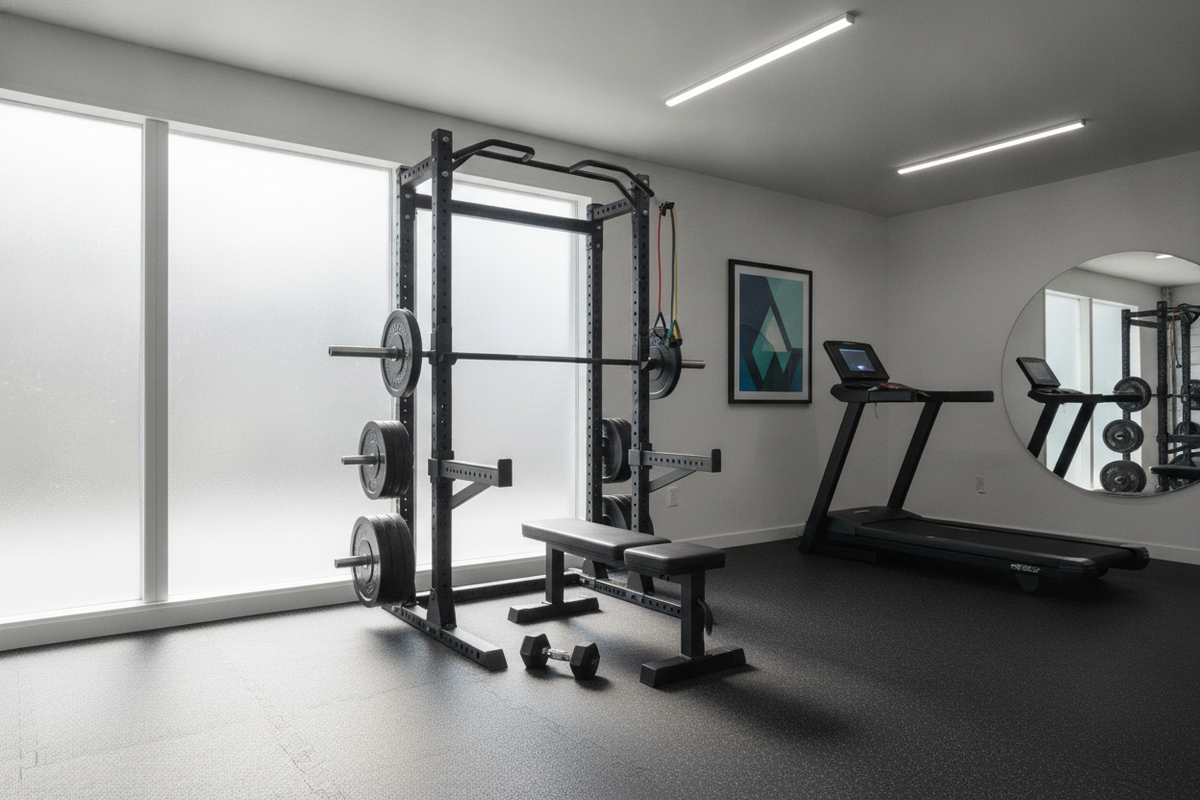
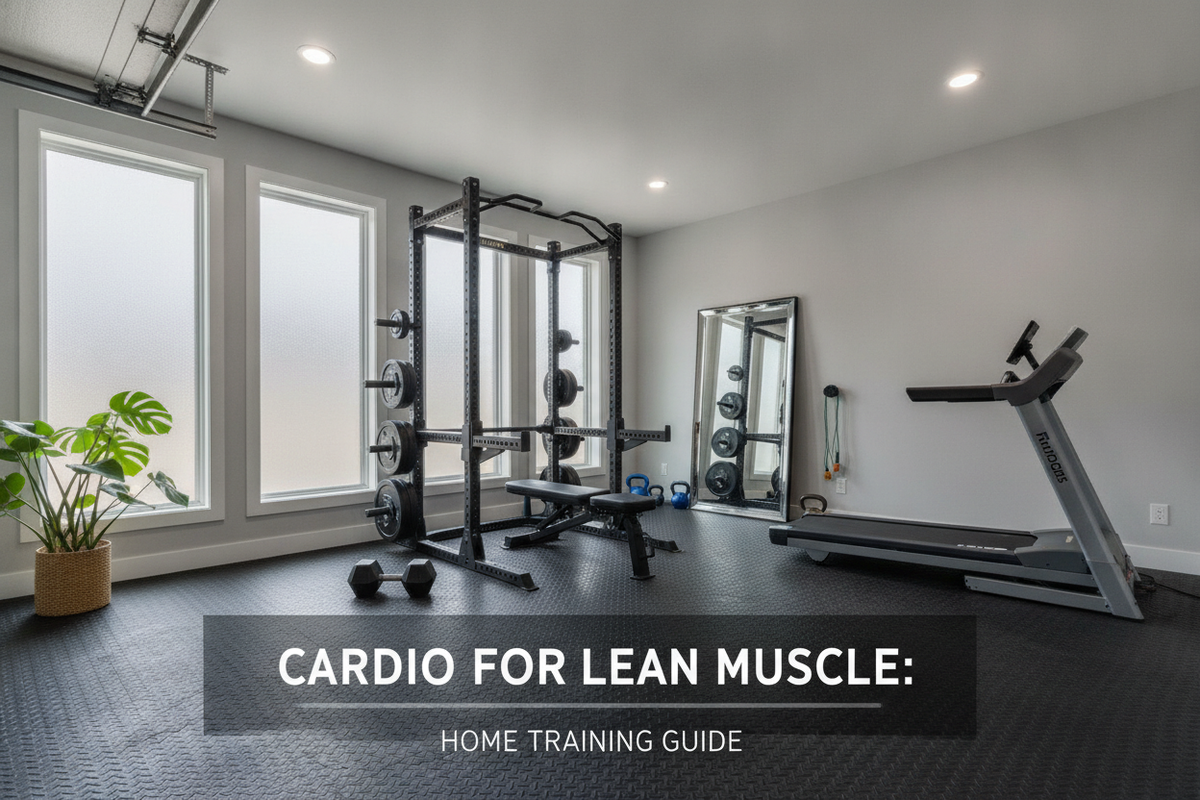
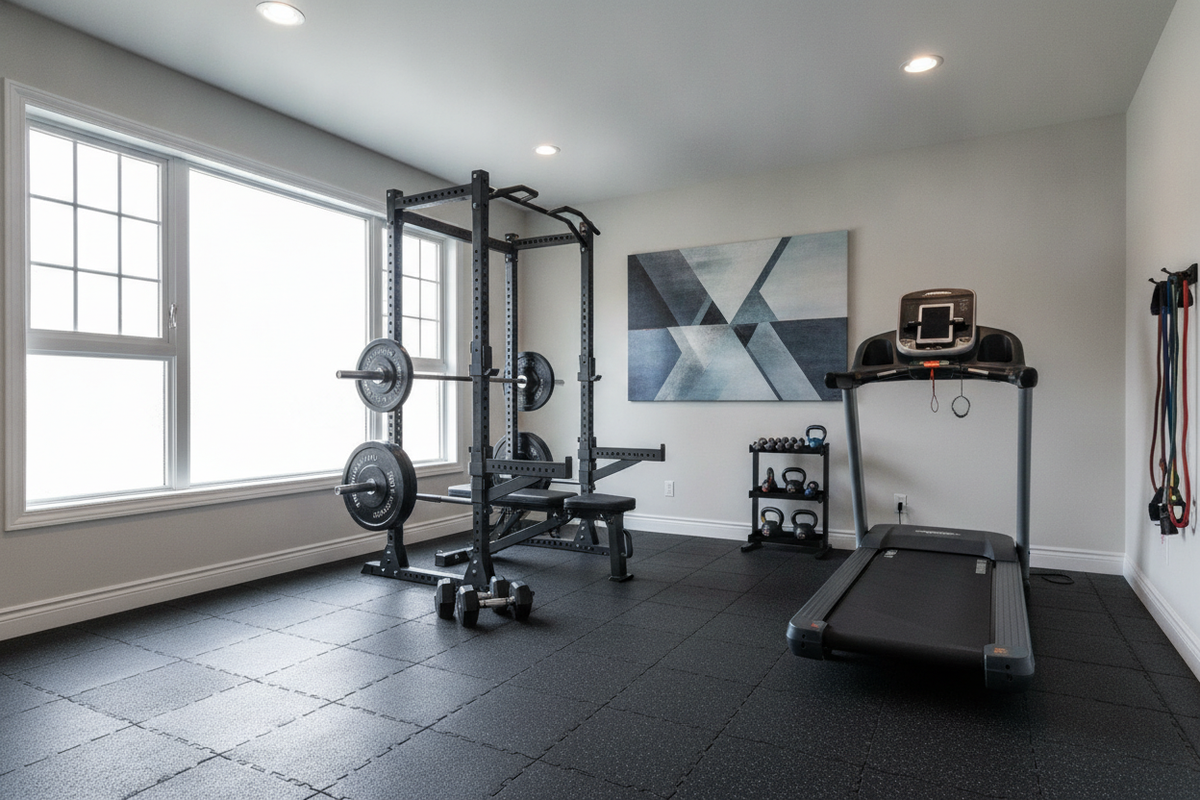
To safely perform both dynamic aerobic workouts and heavy strength training in the same space, you need durable flooring that delivers both firm support and dependable shock absorption. A versatile home workout space requires a surface that remains stable during agility drills while providing adequate subfloor protection against heavy dumbbell drops and kettlebell taps.
Installing a high-density exercise mat or rolling out interlocking rubber gym flooring creates an ideal workout foundation. For cardiovascular drills—such as jumping jacks, burpees, and step aerobics—proper shock absorption softens foot strikes and eases impact on your lower joints. When you switch to barbell squats or dumbbell presses, you need a dense, non-yielding base that will not shift or compress under load.
Key elements to consider when outfitting your workout floor include:
- Density and Firmness: Soft foam mats feel plush, but they compress under heavy loads, which compromises balance during standing lifts. Dense rubber remains firm and stable.
- Subfloor Protection: Hardwood, tile, and concrete can crack or scratch from accidental dumbbell drops without a resilient barrier.
- Traction: Non-slip, textured rubber gym flooring keeps feet securely planted during sweat-heavy aerobic training.
- Vibration and Noise Reduction: Heavy rubber helps dampen acoustic vibration from cardio machines and plate contact.
Flooring Protection, Layout, and Mat Maintenance
Careful room layout keeps your home workout space organized and safe. Position your strength equipment placement along structural walls or over reinforced floor areas, leaving an open central space for dynamic conditioning drills, jumping rope, or mat-based core exercises. Keep cardio machines away from free-weight zones to ensure you have clear paths for lunges and Olympic lifts.
Choosing durable gym floor mats helps maintain your room over years of hard training. Dense rubber protects your underlying surfaces from structural gouges and heavy static equipment indentations. To keep your workout area clutter-free, browse our strength training collection for racks and storage solutions that keep free weights off the main training surface.
Proper mat maintenance is simple but essential. Clean your high-density exercise mat regularly using a damp mop and a mild, pH-neutral soap solution. Avoid oil-based or petroleum-based chemical cleaners, which can leave a slick residue or degrade rubber materials over time. Keeping durable gym floor mats clean and dry ensures solid foot traction whether you are pushing through a conditioning circuit or bracing for a heavy lift.
Finding the Right Balance for Your Goals
Ultimately, asking whether is cardio better for fat loss misses the value of combining both training styles. Steady cardio workouts supply efficient daily calorie burn and cardiovascular stamina, while resistance training preserves lean muscle mass and reinforces joint resilience. Rather than choosing strictly between cardio or weights for body fat loss, building a balanced routine that incorporates both methods will give you the most reliable, sustainable physical transformation.