6 Foods to Avoid for Building Muscle: Nutrition Pitfalls, Smart Swaps, and Training Synergy
Consistent resistance training stimulates hypertrophy, but the food choices made throughout the day supply the building blocks required for muscle repair and sustained performance. Lifters often focus on tracking overall protein intake while overlooking dietary patterns that introduce lethargy, digestive discomfort, and suboptimal recovery. Identifying specific foods to avoid for building muscle allows athletes to protect workout intensity and maintain consistent progress.
Understanding How Suboptimal Nutrition Stalls Hypertrophy
Muscle tissue remodeling depends on sustained mechanical tension during training sessions, followed by appropriate recovery between bouts. Highly processed foods, unbalanced fats, and refined sugars can create sluggishness, blunt appetite for nutrient-dense staples, and lead to energy fluctuations during demanding compound lifts. When energy dips prematurely, workout volume and training quality inevitably drop, slowing long-term progress for those learning what not to eat when building muscle.
6 Dietary Culprits That Impair Muscle Growth and Recovery
Strategic eating does not require eliminating entire macronutrient categories, but being mindful of specific foods to avoid to gain muscle helps optimize daily energy and training consistency.
1. Deep-Fried and Heavy Greasy Meals Before Workouts
Meals dominated by deep-fried fats take considerable time to digest, drawing blood flow toward the digestive tract rather than skeletal muscles. Consuming greasy foods shortly before a lifting session often leads to heaviness, bloating, and reduced stamina during challenging sets.
2. Refined Sugars and Low-Fiber Sweets
Pastries, candy, and sugary snack items cause sharp surges in blood sugar followed by rapid drops. Relying on simple refined sugars for training energy can leave lifters feeling drained midway through a routine. These empty options are frequently listed among foods that kill muscle growth momentum by displacing vitamin-rich complex carbohydrates.
3. Alcohol and Dehydrating Beverages
Alcoholic drinks disrupt sleep quality and interfere with muscular hydration. Quality sleep provides the primary window for tissue repair and hormonal balance. Because alcohol impedes restful recovery, it ranks among the worst foods for muscle recovery across various training disciplines.
4. Ultra-Processed 'Diet' Snacks with Filler Additives
Many pre-packaged fitness bars and snacks rely heavily on artificial sweeteners, sugar alcohols, and thickeners. In high amounts, these additives can provoke gastrointestinal distress during dynamic barbell movements and offer negligible micronutrient density compared to whole-food alternatives.
5. Excessive Sugary Beverages and Liquid Empty Calories
While establishing a calorie surplus is common during mass-gain phases, consuming large volumes of sugary sodas and heavily sweetened drinks provides little nutritional value. When considering foods to avoid when bulking, excessive liquid sugars encourage rapid fat gain without delivering the amino acids or complex starches needed for structural development.
6. High-Sodium Pre-Packaged Ready Meals
Heavily processed frozen dinners and instant noodle bowls often contain excessive sodium alongside low-grade fats and minimal lean protein. Over-reliance on convenience meals can cause fluid retention, sluggish digestion, and unbalanced electrolyte intake, making them prime examples of what not to eat to build muscle.
Smart Food Swaps to Fuel Hypertrophy and Recovery
Replacing disruptive foods with nutrient-dense alternatives sustains physical performance without sacrificing convenience. Consider these direct swaps when building your weekly meal plan:
- Instead of deep-fried sides: Choose roasted sweet potatoes, boiled red potatoes, or steamed jasmine rice seasoned with herbs.
- Instead of refined candy: Opt for fresh bananas, berries, or dried figs paired with a modest portion of raw nuts.
- Instead of sugary soda: Drink cold water, coconut water, or unsweetened herbal teas to maintain proper hydration.
- Instead of processed snack bars: Choose whole rolled oats mixed with whey protein, natural nut butter, and chia seeds.
- Instead of high-sodium frozen entrees: Prepare batch-cooked lean ground turkey, chicken breast, or tofu with quinoa and mixed greens.
Integrating these practical adjustments reinforces energy availability, as outlined in our comprehensive build that growth guide for lower body training.
Structuring Your Nutrition Around Home Gym Lifting Sessions
Aligning nutrient timing with your training schedule ensures that energy peaks when you step up to the weights. A structured pre-workout meal combining moderate protein with easily digestible complex carbohydrates roughly two hours before training provides stable fuel for demanding movements.
Following an intense session on the gym floor, a balanced meal containing complete proteins and starchy carbohydrates helps replenish glycogen stores and kickstarts the recovery process. Proper post-workout nutrition supports tissue rebuilding after upper body routines detailed in our that muscle growth guide, as well as focused lower body sessions covered in the build muscle growth guide.
Pairing Whole-Food Fueling with Dedicated Training Spaces
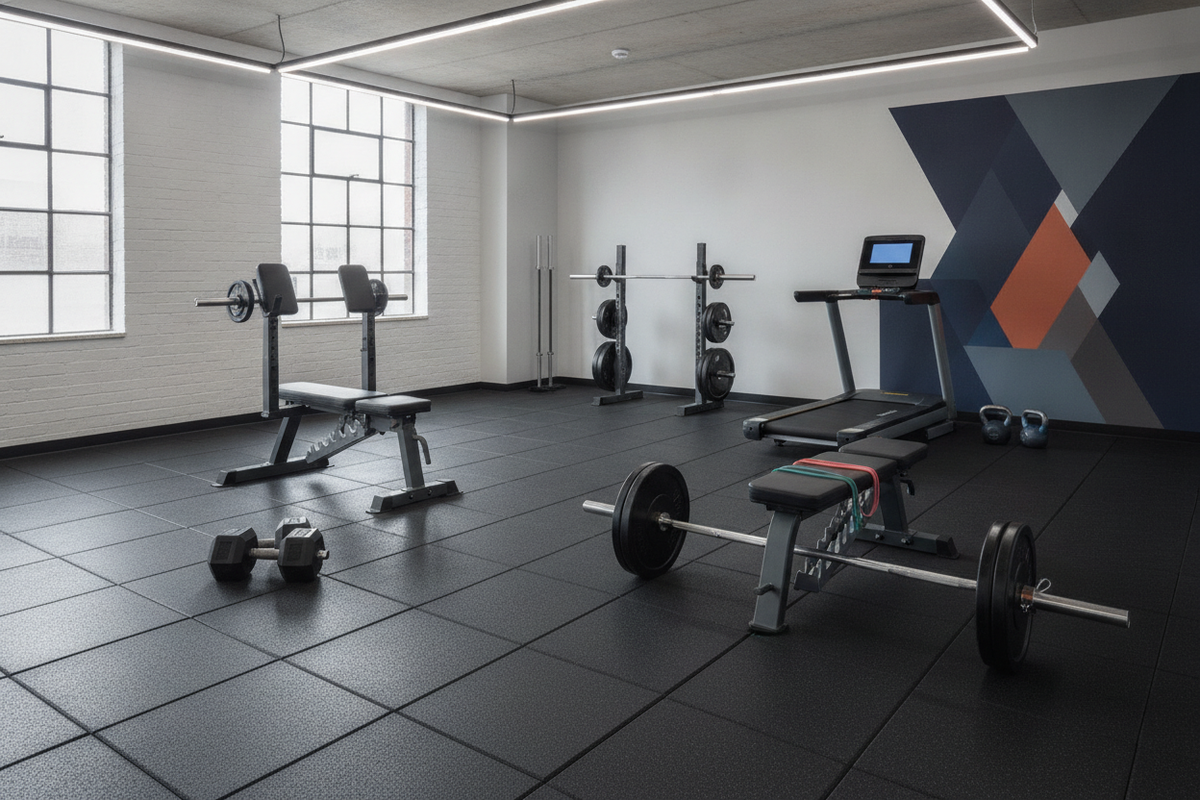
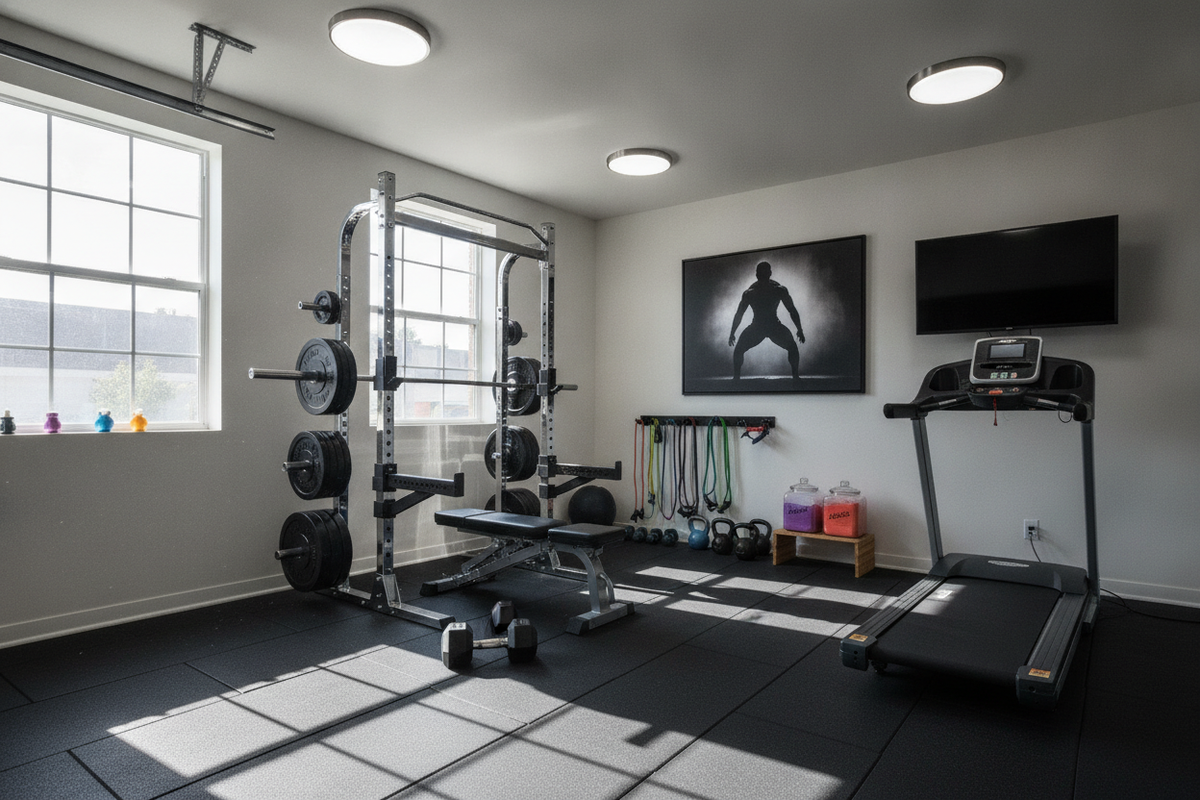
Nutritional discipline works hand-in-hand with a safe, supportive physical training environment. Heavy deadlifts, squats, and dynamic intervals place substantial demands on joints, footwear, and flooring surfaces. High-density rubber gym flooring provides stable traction, protects subfloors from heavy weight drops, and dampens vibration during high-output sessions.
Creating an organized home gym layout with reliable matting encourages consistent training execution. Combining proper floor cushioning with balanced nutrition gives lifters the confidence to push through challenging sets, similar to the protocols shared in our build muscle guide.
Actionable Hypertrophy Nutrition Checklist
To keep daily dietary choices aligned with your muscle-building objectives, use this practical checklist:
- Prioritize whole, single-ingredient protein sources across all main meals.
- Base daily carbohydrate intake around oats, rice, potatoes, and whole grains rather than refined sweets.
- Maintain consistent daily water intake to support muscular fullness and digestion.
- Limit alcohol intake to preserve restorative sleep cycles and morning energy.
- Set up your home gym space with dense protective flooring for secure, grounded lifting.
For more insights on structuring resistance routines and selecting productive training modalities, review our building muscle guide to maximize your overall home gym setup.