Chest Workout That Engages Every Muscle for Maximum Growth
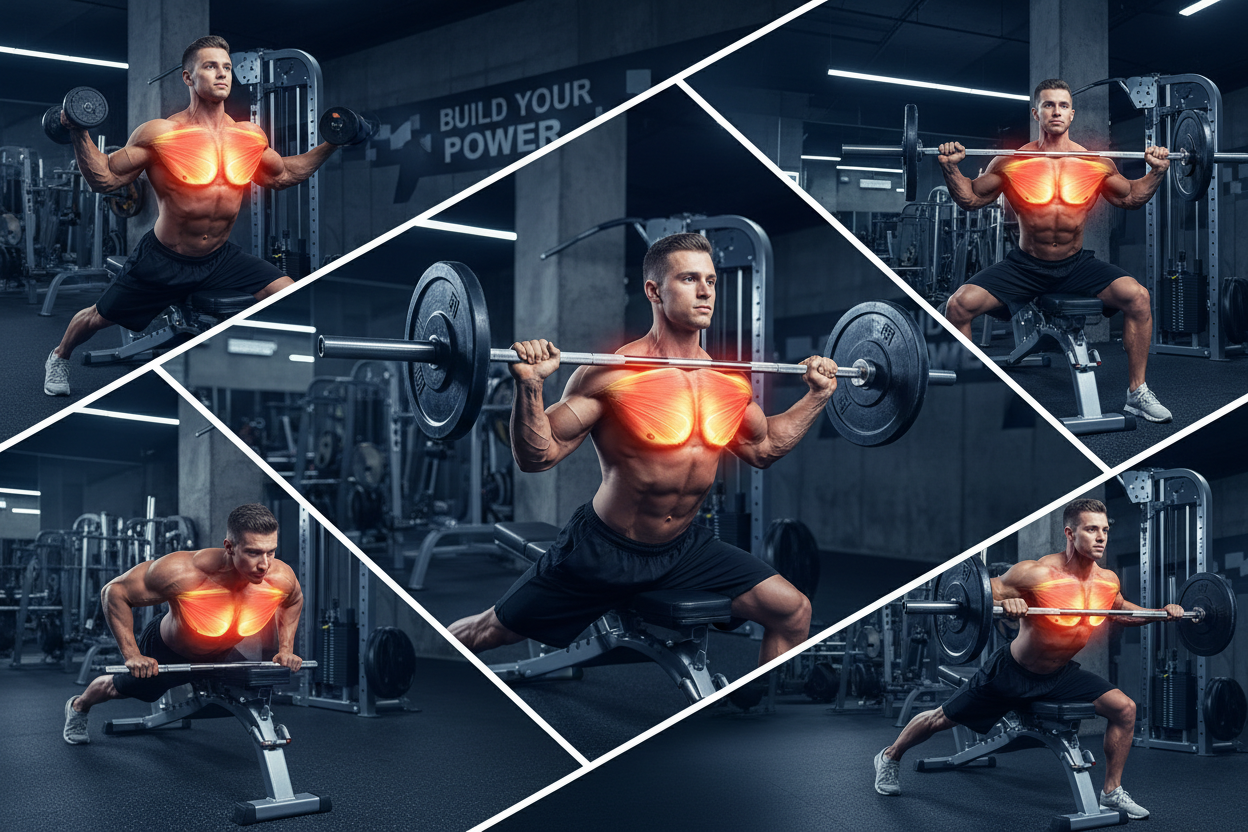
Building a strong and well-defined chest requires more than repeating a single exercise every week. The chest muscles are composed primarily of the pectoralis major, pectoralis minor, and supporting muscle groups, each playing an essential role in strength and aesthetics. To truly achieve balanced development, you need to select exercises that target different angles and fibers, ensuring every muscle is hit effectively.
Understanding the Chest Muscles Worked
The pectoralis major is the biggest player in chest development, spanning from the clavicle down to the sternum. It consists of two regions: the clavicular head (upper chest) and the sternal head (mid and lower chest). The pectoralis minor lies beneath the major, assisting with scapular movement and stability. Additionally, supporting muscles, such as the anterior deltoids and triceps, assist during pressing movements, making chest training a compound effort.
Crafting a Chest Workout That Hits Every Muscle
To make sure each chest muscle is activated, variety is key. Incorporating exercises at different bench angles—flat, incline, and decline—ensures engagement across upper, middle, and lower chest fibers. Combining press movements with isolation exercises allows for both strength and hypertrophy.
Incline Barbell Press
This exercise primarily targets the upper portion of the pectoralis major. Setting the bench at a 30–45 degree angle shifts emphasis from the mid-chest to the clavicular region, resulting in fuller upper chest development.
Flat Barbell Bench Press
The classic chest exercise hits the central portion of the pectoralis major. It is also one of the best for developing raw strength, as it allows heavy loading while engaging multiple muscle groups.
Decline Dumbbell Press
This variation emphasizes the lower portion of the chest. The decline angle changes the direction of resistance, making the lower fibers work more intensely.
Cable Fly (High to Low and Low to High)
Using cables for fly movements allows consistent tension throughout the motion. Performing high-to-low flies targets the lower chest, while low-to-high angles stimulate the upper chest.
Dips for Chest
By leaning slightly forward during dips, you shift emphasis away from the triceps and toward the lower chest. This functional movement also improves shoulder stability.
The Importance of Isolation for All Chest Muscles
While compound lifts are essential, isolation exercises can help refine definition and symmetry. Dumbbell flys, pec deck movements, and isometric squeezes can enhance muscle mind connection, leading to more targeted growth in lagging areas.
Programming Tips for Balanced Development
For optimal results, train chest 1–2 times per week, allowing adequate recovery between sessions. Organize workouts so that heavy presses are performed first when energy levels are highest, and isolation work is done towards the end to fully fatigue the muscles.
Sample Full Chest Routine
- Incline Barbell Press – 4 sets of 6–8 reps
- Flat Dumbbell Press – 3 sets of 8–10 reps
- Decline Dumbbell Press – 3 sets of 8–10 reps
- High-to-Low Cable Fly – 3 sets of 12 reps
- Low-to-High Cable Fly – 3 sets of 12 reps
- Dips (Chest Focus) – 3 sets to failure
My Personal Experience with Comprehensive Chest Training
When I first started working out, my chest training consisted almost entirely of the flat bench press. While it built some strength, my upper chest lagged, and overall shape was lacking. Incorporating incline presses, fly variations, and dips not only boosted my strength but gave my chest a fuller look. I noticed that being mindful of muscle activation during each rep made a noticeable difference in how the muscles responded over time.
Recovery and Nutrition Considerations
Muscle growth occurs when you allow tissues to recover after challenging workouts. Prioritize quality sleep, maintain a protein-rich diet, and incorporate active recovery techniques. Hydration also plays a role in performance and repair, so ensure water intake is consistent.
Final Thoughts
A chest workout that hits every muscle is not about doing the most exercises possible—it’s about strategically combining movements that work the chest from multiple angles. Consistency, proper form, and gradual progression will ultimately lead to a strong, balanced, and defined chest.