Chest Abduction & Adduction Exercises for Strength and Balance
Developing a well-rounded chest involves more than just the traditional bench press. To truly improve muscular symmetry, strength, and functional movement, incorporating both chest abduction exercises and chest adduction exercises is key. These two movement patterns help target different aspects of chest performance and support overall shoulder health.
Understanding Chest Abduction Exercises
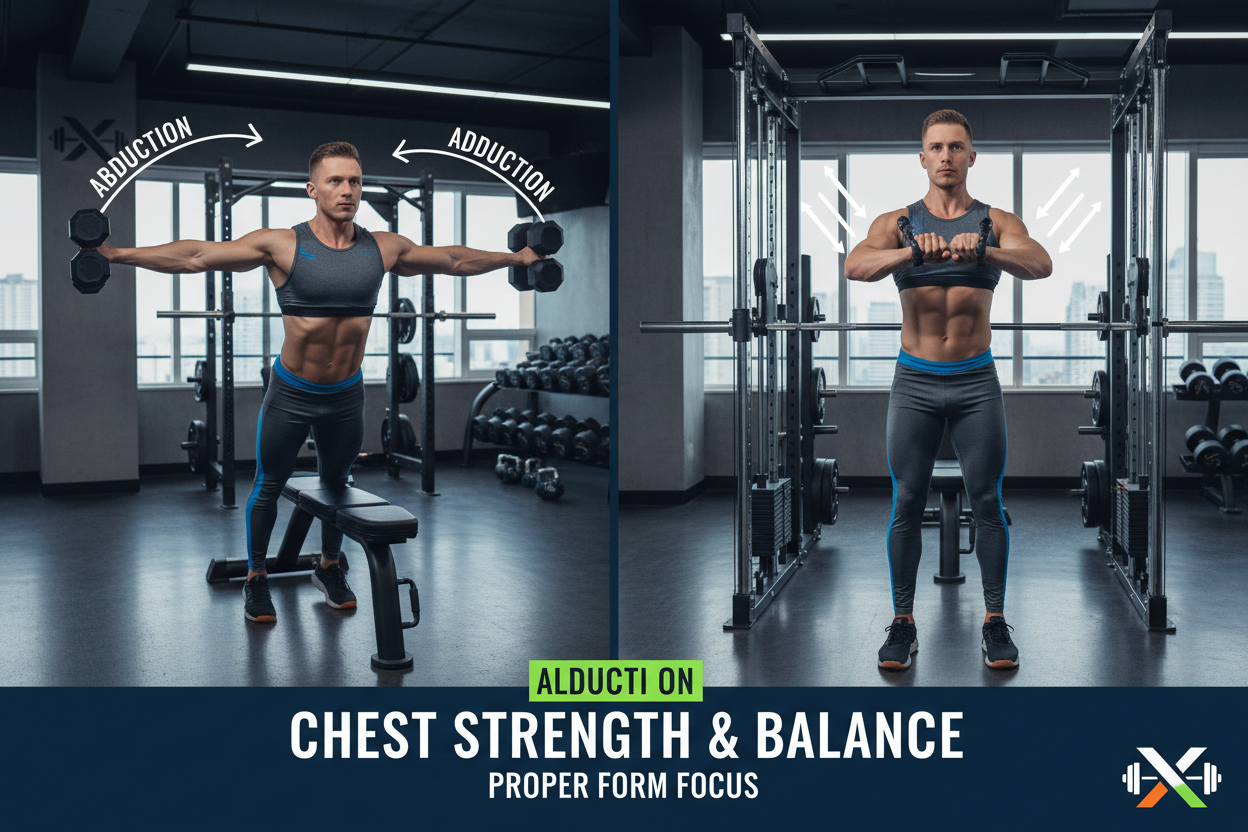
Chest abduction exercises involve moving the arms away from the body's midline, focusing on stabilizing and activating muscles around the chest, shoulders, and upper back. These movements are less common in typical workout routines but play an important role in preventing muscular imbalances. Examples include cable fly variations performed outward, reverse pec deck movements, and certain bodyweight drills that emphasize lateral arm movement.
When performing chest abduction exercises, it’s crucial to maintain controlled motion and engage the core for stability. This supports proper shoulder alignment and reduces the risk of strain or injury. Individuals with rounded shoulders or postural concerns can benefit significantly, as these exercises strengthen opposing muscle groups that keep the shoulder joint balanced.
Exploring Chest Adduction Exercises
Chest adduction exercises are perhaps more familiar to most fitness enthusiasts. These involve bringing the arms toward the body’s midline, directly engaging the pectoral muscles. Bench presses, push-ups, and cable crossovers are classic examples. The primary goal is to enhance the thickness and power of the chest while improving pushing strength in daily activities and sports.
For best results, chest adduction exercises should be performed through a full range of motion, ensuring the chest muscles are fully stretched and contracted. Proper breathing—exhaling during exertion—helps maximize performance and control. Using resistance bands or cables can add constant tension, improving muscle activation throughout the movement.
Balancing Abduction and Adduction Workouts
Many trainees focus heavily on adduction motions without realizing that neglecting abduction can create strength imbalances. Over time, this can contribute to shoulder instability or poor posture. Incorporating both patterns ensures the anterior and posterior aspects of the chest and shoulder girdle are equally trained.
A balanced program might start with an abduction exercise to warm up supportive muscles, followed by heavier adduction lifts to target the chest directly. This sequencing can enhance performance while reducing injury risk.
Sample Workout Plan
- Cable reverse fly (chest abduction) – 3 sets of 12 reps
- Incline dumbbell press (chest adduction) – 4 sets of 8-10 reps
- Standing cable abduction – 3 sets of 15 reps
- Cable crossover (adduction) – 3 sets of 12-15 reps
Tips for Proper Form
Keep shoulders retracted during both abduction and adduction exercises. This position minimizes strain and ensures maximum chest engagement. Avoid excessive weight in abduction movements, focusing instead on smooth, controlled motions. In adduction work, use progressive overload to gradually challenge the muscles while maintaining form.
My Personal Experience
When I first started resistance training, I only focused on chest adduction exercises like push-ups and bench presses. However, I noticed that despite gains in strength, my posture wasn’t improving, and my shoulders felt tight. Introducing chest abduction exercises—particularly cable reverse flys—improved my shoulder mobility and brought more stability to lifts. The change was noticeable not just in the gym but also in everyday activities, from carrying groceries to playing recreational sports.
Muscle Health and Injury Prevention
Abduction exercises strengthen muscles that stabilize the shoulder joint, while adduction ones build the core power of the chest. Together, they work to reduce the likelihood of overuse injuries common in sports and fitness. They also enhance coordination between different muscle groups, making movements smoother and more efficient.
Choosing the Right Resistance
Beginners can start with light resistance bands for both exercise types to learn proper mechanics before progressing to free weights or cable machines. Advanced trainees may incorporate supersets—performing abduction followed immediately by adduction—to keep the chest engaged and improve muscular endurance.
Conclusion
Chest abduction exercises and chest adduction exercises complement each other, creating balanced strength, improved posture, and better overall performance. A thoughtful combination of these movements in your workout routine will enhance not only the size and power of your chest but also its functional resilience. The key lies in consistent practice, careful form, and gradual progression.