
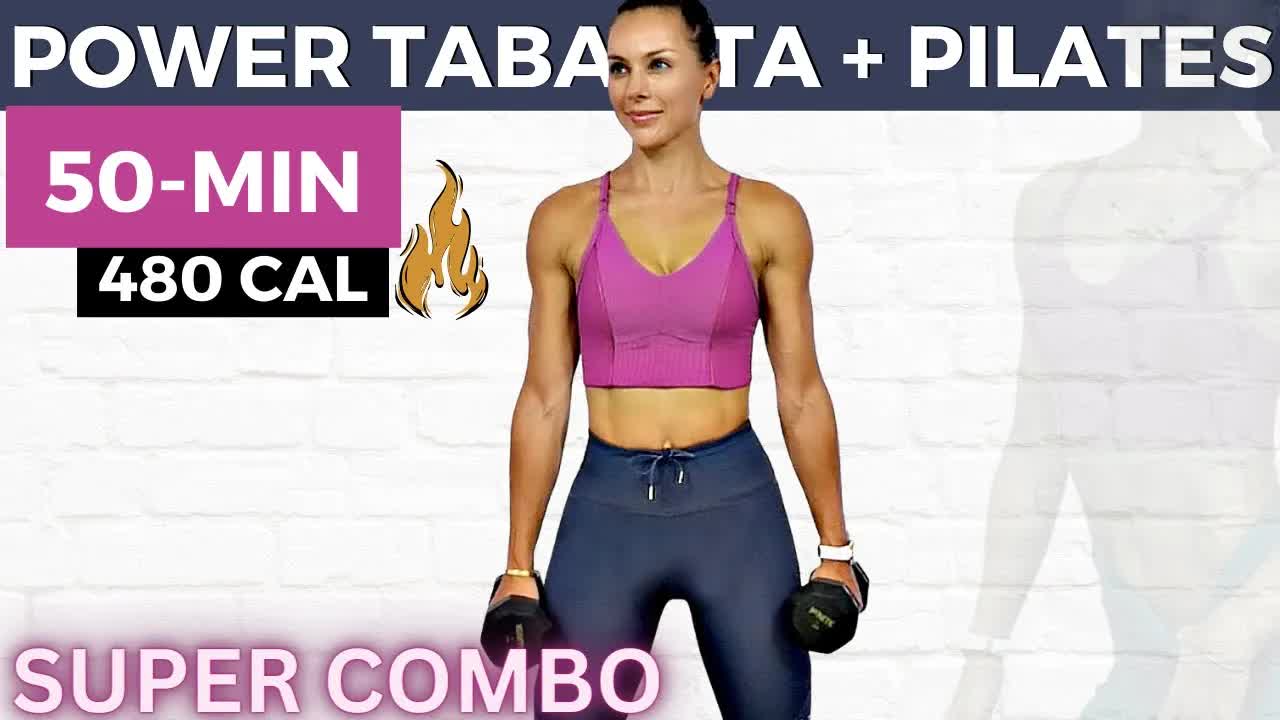
How to Structure a Tabata Pilates Workout for Home Fitness
What Is a Tabata Pilates Workout?
Finding an efficient training method that accommodates a busy schedule often leads home exercisers toward interval training. A tabata pilates workout blends the precise posture, stability, and muscular engagement of traditional mat work with the rigorous timing structure of high-intensity interval training. In classic tabata training, work happens in crisp intervals of twenty seconds of maximum effort followed by 10 seconds of rest, repeated for eight cycles to complete a single block lasting four minutes.
When applied to mat exercises, this method bridges the gap between steady toning and intense conditioning. While traditional mat sessions focus on slow, deliberate alignment, adding high-cadence intervals elevates the heart rate, challenges stamina, and engages multiple muscle groups across the entire body. Whether reviewing instructional training videos or exploring routines in the workout hub, understanding how to balance pace and control is key to getting the most out of every interval.
How Tabata Pilates Differs from Other HIIT Workouts
A conventional hiit workout often leans heavily on explosive plyometrics such as box jumps, squat jumps, or rapid sprint bursts similar to outdoor jogging. Other hiit workouts can sometimes compromise joint positioning in pursuit of raw speed. By contrast, a tabata pilates session emphasizes core stability, pelvic alignment, and muscular tension while operating under strict rest periods.
In a standard tabata workout, the goal is often pure cardiovascular exertion. Bringing mat conditioning into that framework requires participants to stabilize the spine and hips before increasing movement speed. Rather than flailing through repetitions, you maintain postural control through each twenty-second effort. You receive the energetic cadence typical of interval work without sacrificing the foundational mechanics that make classic mat conditioning reliable for overall fitness and cardiovascular health.
How to Build Strength with Tabata Mat Intervals
Integrating structured intervals into mat conditioning helps home athletes burn calories and build strength without necessarily needing heavy free weights or bulky machinery. The constant alternation between exertion and short rest challenges both muscular endurance and aerobic capacity.
A well-planned session targets three distinct movement categories:
- Core Stability: Moves like the hundred, bicycle crunches, and hollow-body holds keep the abdominal wall under continuous tension during high-cadence work intervals.
- Upper Body Support: Controlled push ups, tricep dips, and active plank variations recruit the chest, shoulders, and back while demanding trunk stability.
- Dynamic Lower Body: Glute bridges, side leg lifts, curtsy lunges, and controlled mountain climbers activate the glutes and thighs.
For those who enjoy combining interval structures with varied movement patterns, routines like a 30 minute kickboxing and weights workout show how interval timing can adapt to dynamic athletic conditioning.
Lower Body and Core Tabata Pilates Sequence
To experience how high-cadence timing pairs with mat alignment, consider this balanced circuit. Perform each movement for twenty seconds, followed by 10 seconds of rest, completing eight total intervals per round.
1. Forearm Plank with Knee Taps
Begin in a secure forearm plank, keeping the shoulders over the elbows and the spine neutral. Alternately tap each knee toward the mat without letting the hips sag or rotate. This movement reinforces the deep core muscles while maintaining continuous shoulder stability.
2. Pulsing Glute Bridge
Lie on your back with knees bent and feet flat on the floor. Raise the hips until thighs and torso align. Pulse upward in small, controlled increments at the top of the range. This targeted effort challenges the glutes and hamstrings before the brief rest interval begins.
3. Mountain Climbers with Controlled Tempo
Set up in a high plank posture. Drive one knee toward the chest, return smoothly, and switch sides. Focus on keeping the hips level and wrists stable. This exercise raises the tempo, helps burn calories, and trains shoulder endurance.
4. Side-Lying Leg Lifts
Lie on your side with hips stacked. Lift the top leg smoothly and lower it with control, engaging the outer hip and oblique line. Switch sides on alternate intervals to ensure balanced lower body recruitment across the tabata round.
If you prefer non-stop interval variations without repetitive movements, following a 30 minute no repeat tabata hiit workout can provide practical ideas for sequencing diverse movement patterns into a seamless session.
Floor Matting and Home Gym Setup Considerations
Because interval mat routines demand quick transitions between standing stances, kneeling positions, and floor work, surface support matters significantly. A standard, paper-thin yoga mat often shifts during rapid footwork, while hard gym floors can put uncomfortable pressure on the wrists, knees, and spine during extended plank holds.
Using a dense, wide surface such as a 6x10ft exercise mat gym flooring provides adequate space to step, lunge, and pivot without sliding. Ample floor coverage also allows seamless shifts from floor exercises to upright movements without constantly adjusting individual mats. For dedicated training zones, broad options like a 6x10ft yoga mat gym flooring protect joints from hard subfloors while maintaining the non-slip grip needed for sweaty, high-intensity intervals.
Common Questions About Tabata and Pilates Training
Which is better, Tabata or Pilates?
Neither style is inherently superior; each serves distinct training goals. Traditional mat conditioning excels at posture, muscle control, and joint alignment, whereas interval training emphasizes cardiovascular pacing and explosive work capacity. Blending both formats provides a balanced approach that supports muscular definition alongside elevated conditioning.
Is Tabata good for losing weight?
High-effort intervals help burn calories efficiently within short timeframes. When paired with controlled resistance movements, a structured tabata workout can be a helpful component of an active lifestyle. Long-term progress depends on overall daily activity, recovery, and consistent nutrition rather than any single routine.
Who should approach Tabata with caution?
The fast-paced nature of twenty-second work bursts paired with brief 10 seconds of rest creates notable physical demands. Individuals returning from joint injuries, pregnant exercisers, or those new to physical activity should build basic movement mechanics and endurance before attempting full-tempo intervals. Slowing down repetition speed while honoring the timer interval allows beginners to build strength safely.
Tips to Maintain Form During High Intensity Intervals
As fatigue sets in during the later minutes of a routine, technique is often the first element to deteriorate. Keep these practical pointers in mind:
- Prioritize Breath Rhythm: Inhale through the nose on the preparation phase and exhale firmly through the mouth during exertion to maintain intra-abdominal support.
- Never Cut the Rest: Use every full second of the brief 10 seconds of rest to reset posture and steady your breathing before the next effort begins.
- Moderate Speed for Quality: Move as quickly as possible only while maintaining flawless spinal alignment; slow down whenever form begins to waver.
- Check Your Joint Alignment: Ensure knees track over toes during squats and wrists align under shoulders during push ups and plank holds.
By treating each twenty-second effort as a demonstration of both intensity and control, you can enjoy all the conditioning benefits of high-tempo intervals while preserving the precision that defines excellent mat work.


Leave a comment
This site is protected by hCaptcha and the hCaptcha Privacy Policy and Terms of Service apply.