Your Stiff Joints Need This Workout for Absolute Beginners
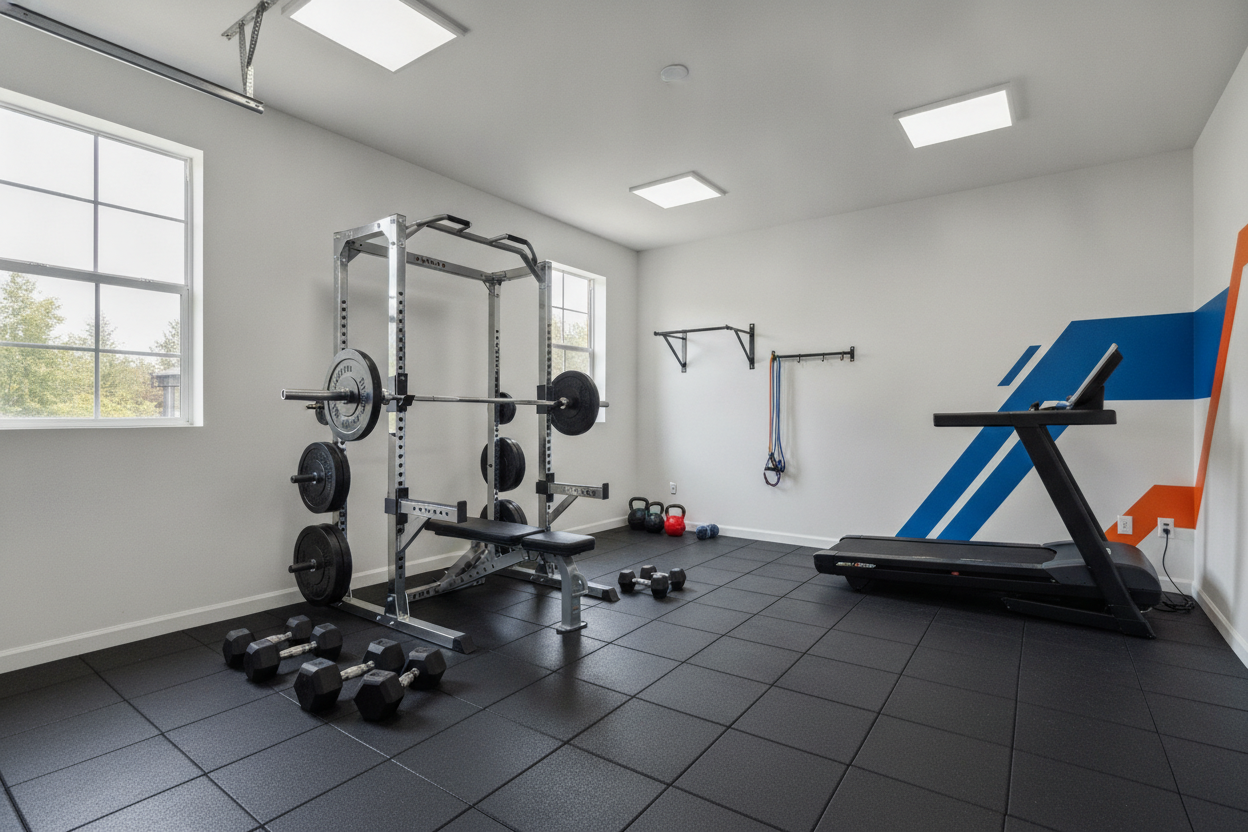
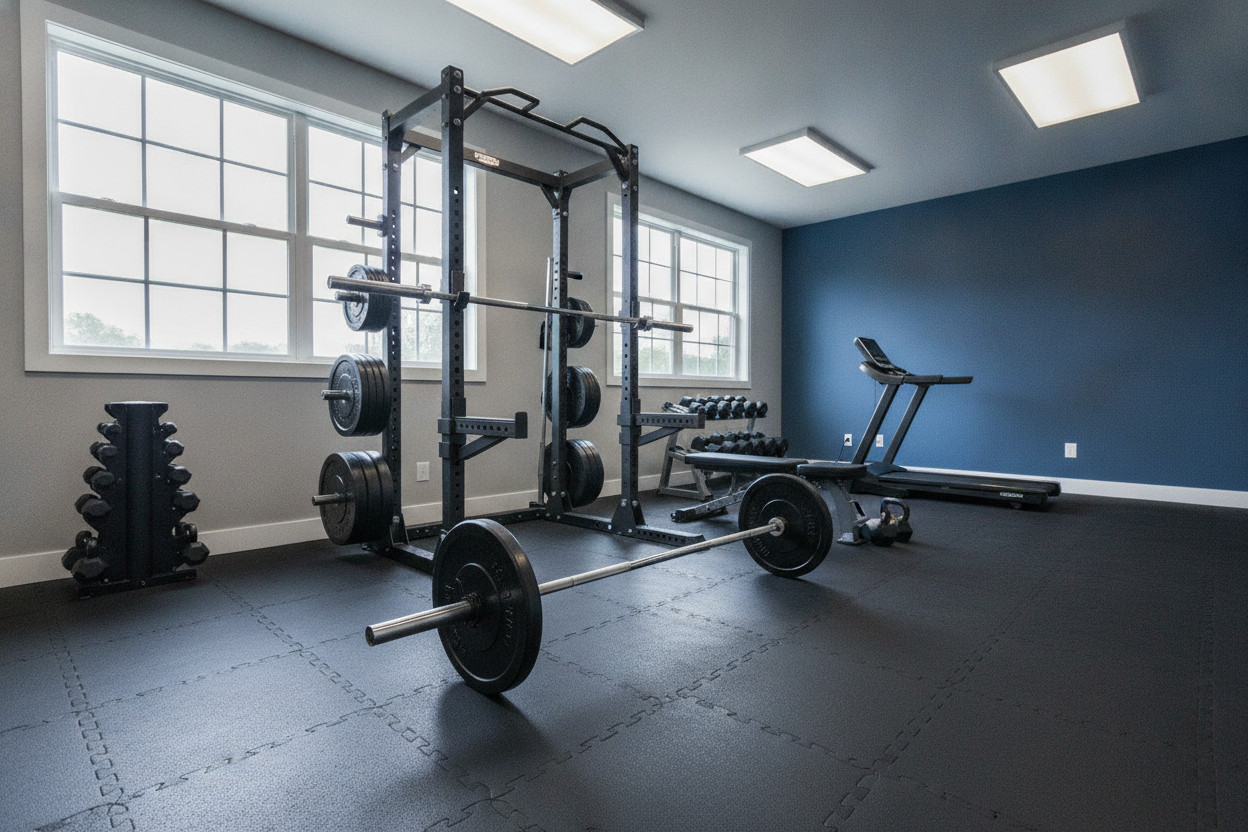
I spent last weekend helping a buddy move a 300-lb squat rack into his garage. He is a beast now, but five years ago, he could not touch his toes without groaning or feeling his lower back seize up. Most people think they need to start their fitness comeback with a 5k run or a high-intensity boot camp, but for someone who has been sedentary for years, that is a fast track to the chiropractor. If you have been living on the couch, a workout for absolute beginners should not be about 'the grind.' It should be about greasing the grooves of your joints and teaching your nervous system that movement is not a threat.
You do not need a gym membership or a rack of expensive dumbbells to start; you just need to stop treating your body like a piece of furniture. We are talking about building a structural foundation here, not chasing a six-pack on day one. If you can move through a full range of motion without pain, you have already won half the battle.
Quick Takeaways
- Prioritize joint lubrication and basic mobility over calorie burn or sweating.
- Zero expensive gear required—just a soft, stable surface for floor work.
- Master four core movements to build a functional foundation for life.
- Consistency is the only metric that matters in the first 30 days.
Why Your First Training Session Should Not Look Like 'Working Out'
Traditional fitness advice usually fails sedentary people because it ignores the 'creak factor.' When you haven't moved meaningfully in years, your synovial fluid—the stuff that lubes your joints—is basically sludge. Jumping into a high-intensity class is like redlining a car engine that hasn't had an oil change since the Obama administration. You will probably break something.
Instead of focusing on how many calories you can burn in an hour, focus on how well your hips and shoulders move. I have seen countless people quit after one week because they were so sore they couldn't sit on the toilet. Contrast that with a workout routine at home for beginners that focuses on restorative movement. This workout routine for absolute beginners is about waking up dormant stabilizers and reducing systemic inflammation, not punishing yourself for a decade of inactivity.
The Gear Reality Check: Claiming Your Living Room Space
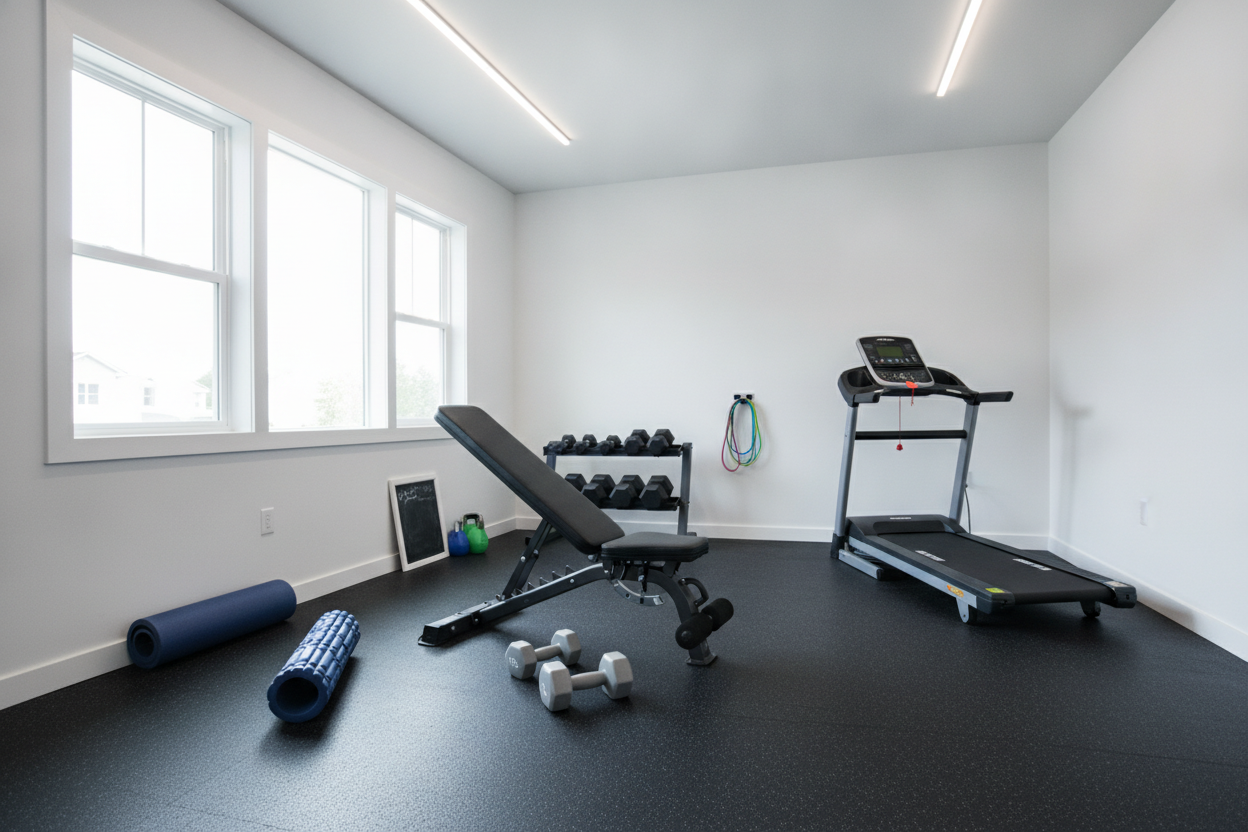
You do not need a $2,000 treadmill or adjustable dumbbells that go up to 80 lbs. In fact, those things usually just become expensive laundry racks if you haven't built the habit of moving first. The only 'equipment' I insist on is a dedicated space where you won't slide around or bruise your tailbone. Hardwood floors are the enemy of the sedentary trainee.
I usually tell people to clear a 6x8 ft space and lay down a large exercise mat. Having a thick, high-density surface (look for something at least 7mm thick) makes a massive difference for your knees and wrists during floor drills. It also psychologically defines your 'training zone.' Once you step on that mat, you are no longer in the living room; you are in the gym. It is about creating a friction-less environment where you have zero excuses to skip the session.
The 4-Move Extreme Beginner Workout
This is an extreme beginner workout. There is no jumping, no heavy loading, and no complex choreography. We are focusing on the four pillars of human movement: glute activation, core stability, upper body pushing, and the ability to get off the ground. If you find these too easy, you are likely rushing the tempo. Slow down and feel the muscle tension.
- Supported Glute Bridges: Lie on your back, feet flat. Lift your hips until your body is a straight line. Squeeze your glutes like you are trying to crush a walnut. This fixes 'gluteal amnesia' from sitting all day.
- Dead Bug Holds: Lie on your back, arms up, knees at 90 degrees. Press your lower back into the mat so there is no gap. This is the ultimate spine-saver.
- Incline Wall Push-offs: Stand three feet from a wall. Lean in and push back. It builds chest and shoulder strength without the 100% bodyweight load of a standard push-up.
- Floor-to-Stand Drill: Get on the floor. Get back up. Use a chair for balance if you must. This is the most important functional skill you can possess as you age.
If you are unsure about your form, you can find visual breakdowns of these foundational patterns in our workout hub. Don't worry about being perfect; just worry about being controlled.
How to Actually Run This Workout Routine for Absolute Beginners
You do not need a heart rate monitor or a complicated app to track this. Use the 'talk test.' If you are breathing so hard that you cannot speak a full sentence, you are pushing too fast for a workout routine for absolute beginners. We are aiming for a Rate of Perceived Exertion (RPE) of about a 4 out of 10. You should feel warm, not exhausted.
Perform 2 sets of 8 to 10 repetitions for each movement. Do this three days a week—Monday, Wednesday, and Friday is the classic split for a reason. It gives your nervous system 48 hours to recover. Once this 15-minute routine starts to feel like a warm-up rather than a workout, you are ready to graduate to a more demanding 45-minute workout routine. But for now, stay in your lane and master the basics.
What to Do When the Floor Finally Feels Too Easy
You will know it is time to move on when the morning stiffness in your lower back disappears and you can do 15 wall push-ups without your arms shaking. That is the signal that your connective tissues have adapted. From here, you can start adding resistance—maybe a light set of bands or a single 15-lb kettlebell. The goal was never to stay on the floor forever; the goal was to make sure you could get off it with ease.
Personal Experience: The 'Hero' Mistake
A few years ago, I tried to help a family member get back into shape. I was arrogant and gave them a 'basic' bodyweight circuit that included lunges and standard push-ups. By the second set, their knees were clicking and they looked miserable. They didn't work out again for six months. I realized I had skipped the foundation. We restarted with just floor work and wall push-offs. It wasn't 'hardcore,' but it was sustainable. They are still training today because we checked our egos at the door.
FAQ
Do I need to wear gym shoes for this?
Actually, I prefer you do this barefoot or in socks. It helps you feel the floor and improves balance. If you are on a quality mat, you won't need the extra cushioning of a sneaker.
What if my knees hurt during the glute bridges?
Bring your feet closer to your butt or don't lift your hips as high. Range of motion is secondary to moving without pain. As your mobility improves, the height will come naturally.
How long until I see results?
You will 'feel' results in your joints and energy levels within two weeks. Physical changes in the mirror take longer, but the goal here is function first, aesthetics second.