Your 1RM Obsession Is Ruining Your Long-Term Strength and Health
It was a Tuesday morning in February, about 5:15 AM. The thermometer in my garage read a balmy 38 degrees, and I was staring at 495 pounds on the bar. I didn't need that deadlift PR for a competition. I didn't have a coach or a crowd. I just had a spreadsheet and a stubborn ego that told me if I didn't add five pounds every week, I was failing. I pulled, I rounded, and I felt a 'zip' in my lower back that sounded like a dry branch snapping. That was the moment my pursuit of strength and health hit a brick wall.
Quick Takeaways
- Stop testing your strength every week; start building it through sub-maximal volume.
- Your joints have a finite 'budget' of heavy reps—don't spend it all in your 30s.
- Prioritizing the posterior chain is the single best insurance policy against chronic back pain.
- High-quality gear should support natural biomechanics, not mask poor form.
The Day My Lower Back Finally Said 'Enough'
That snap wasn't just a physical injury; it was a wake-up call. For years, I’d treated my garage gym like a proving ground instead of a training center. I was obsessed with the one-rep max (1RM). If I wasn't shaking under a heavy triple, I felt like I was wasting my time. But lying on my cold gym floor, unable to reach my phone to call my wife, I realized that moving the most weight doesn't mean your body is actually functioning properly.
The recovery took months. It wasn't just the physical therapy; it was the mental shift of realizing that a 500-pound deadlift is useless if you can't tie your shoes without a sharp pain in your hip. I had built a massive engine on a rusted chassis. I had the raw power to move the weight, but I lacked the structural integrity to survive it. Most home gym owners fall into this trap. We get the rack, we get the plates, and we think the goal is just to make the numbers go up indefinitely. We forget that the gym is supposed to make our lives outside the garage better, not harder.
Why We Confuse Ego Lifting With True Health Strength
The fitness industry is partially to blame. We see influencers peaking for meets and think that 'maxing out' is the only way to train. But there is a massive difference between competitive powerlifting and building true health strength. One is about performance at any cost; the other is about creating a resilient, pain-free body that lasts until you're 90.
True health strength is the ability to maintain high levels of force production without chronic inflammation or joint degradation. When you obsess over your 1RM, you’re constantly redlining your central nervous system. You're not building muscle as much as you are practicing the 'skill' of lifting heavy. If your goal is longevity, you need to stop feeding your ego on a spreadsheet. I’ve seen guys with 600-pound squats who can’t walk a mile without their knees swelling up. That isn't strength; that’s a slow-motion car crash. Real strength allows you to play with your kids, work in the yard, and stay active without a handful of ibuprofen.
Swapping Garbage Volume for Intentional Movement
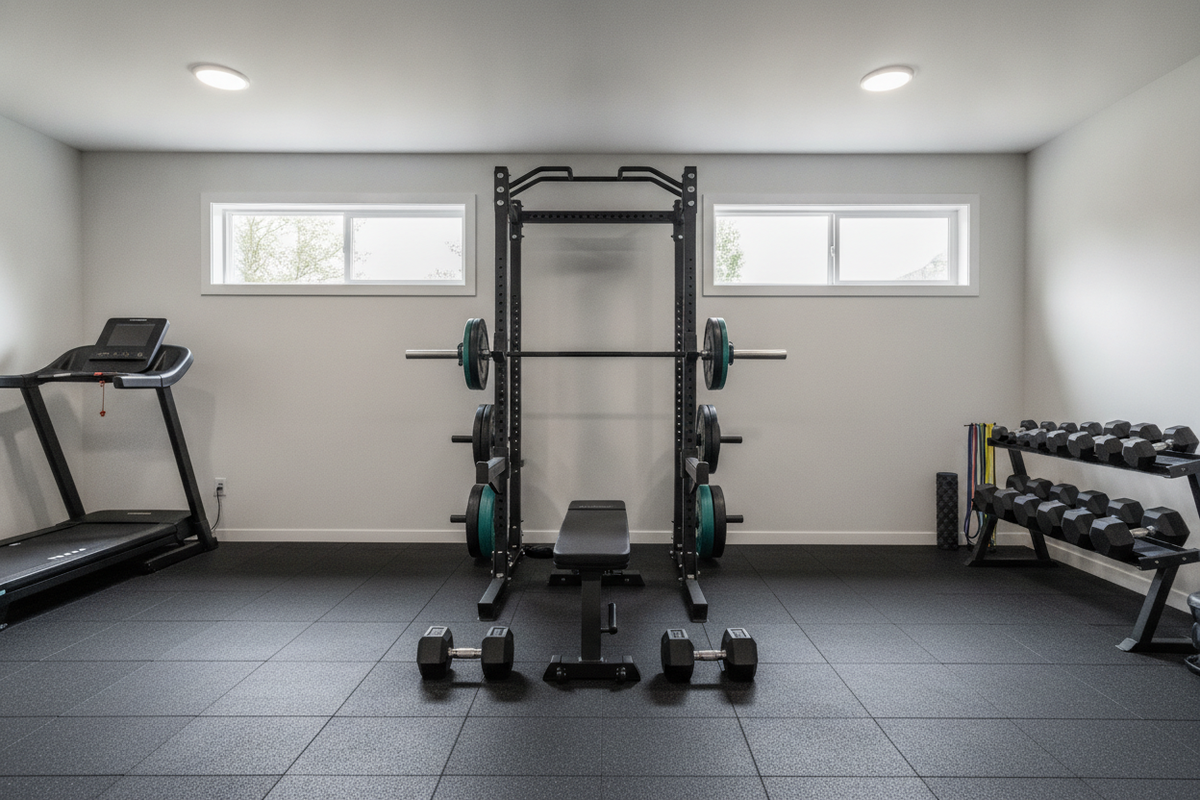
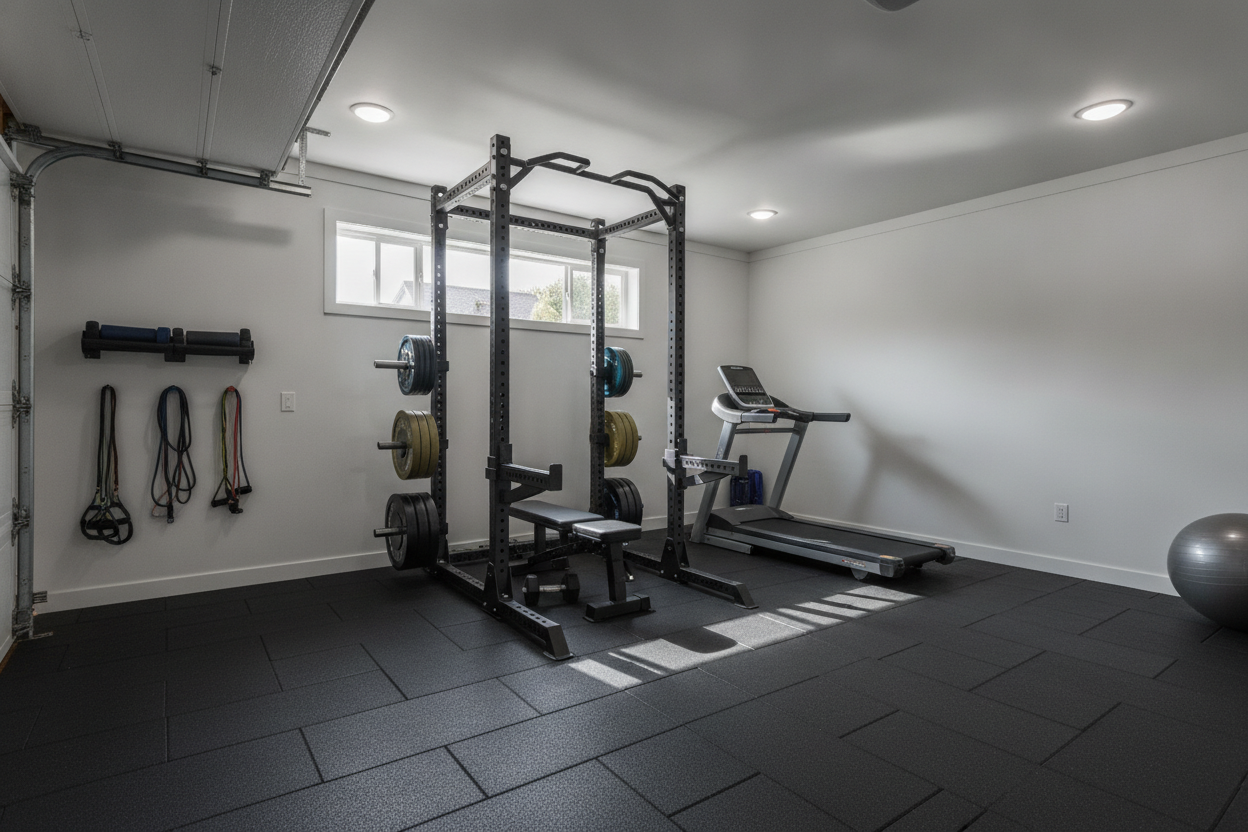
After my injury, I stripped my program to the studs. I realized I was doing 'junk reps'—exercises that added fatigue without any real benefit. I also realized my cheap, entry-level equipment was holding me back. If your rack wobbles when you re-rack a squat, your brain subconsciously holds back to protect you. Investing in high-quality strength equipment like a 3x3 11-gauge steel rack changed the game for me. It wasn't about the weight capacity; it was about the stability. When the equipment is rock-solid, you can focus entirely on your biomechanics.
Intentional movement means every rep has a purpose. I stopped doing six different variations of bicep curls and started focusing on movements that actually improved my structural integrity. I traded the 'shaky' isolation machines for compound movements performed with a slow, controlled eccentric phase. This builds tendon strength and muscle density without the massive systemic fatigue of a 1RM attempt. If you can't control the weight for a three-second negative, it’s too heavy. Period.
Stop Ignoring Your Posterior Chain
The biggest mistake I made during my 'ego phase' was ignoring the back of my body. If you can't see it in the mirror, it’s easy to forget. But your hamstrings, glutes, and erectors are the engine for longevity. Weak glutes are the primary reason home gym lifters end up with chronic lower back pain. When your glutes don't fire, your lumbar spine takes the brunt of the load during every squat and deadlift.
Spending time understanding your glutes for strength and health was the single biggest turning point in my recovery. I started incorporating heavy kettlebell swings, glute-ham raises, and Romanian deadlifts with a focus on the stretch rather than the weight. These movements build a 'buffer' around your spine. Think of your posterior chain as the shock absorbers on a truck. If they're blown out, every bump in the road—or every heavy lift—is going to rattle the frame until something breaks.
Rebuilding the Upper Body Without Wrecking Your Shoulders
The flat barbell bench press is the king of ego lifts, and it’s also a leading cause of rotator cuff tears in the garage gym community. For years, I chased a 405-bench, only to end up with shoulders that clicked every time I reached for a coffee mug. I had to learn that building chest muscles for strength, health, and posture didn't require a straight bar and a flat bench.
I shifted to neutral-grip bars and dumbbell presses. The neutral grip tucks the elbows and takes the strain off the acromion process. I also started prioritizing pulling movements at a 2:1 ratio to my pushing. For every set of chest work, I do two sets of rows or face pulls. This pulls the shoulders back, fixes that 'caveman' posture we get from sitting at desks, and creates a stable platform for heavy loads. You might not brag about your face-pull numbers at the bar, but your shoulders will thank you when you’re 60.
The Few Tools That Actually Support This Shift
You don't need a million gadgets to pivot from ego-lifting to longevity, but you do need the right ones. I stopped buying every new attachment I saw on Instagram and focused on essential strength training accessories that actually aided recovery and joint health. A high-quality lifting belt isn't a crutch; it's a tool for teaching your core how to create internal pressure. Resistance bands became my best friend for joint distraction and warming up the synovial fluid before I ever touched a plate.
I also invested in a set of fractional plates. When you’re training for longevity, jumps of 10 pounds are too much. Being able to add 1.25 pounds to the bar allows for 'micro-loading,' which keeps the progress steady without overwhelming your recovery capacity. It’s about the long game. The goal is to be the strongest guy in the nursing home, not the strongest guy in the orthopedic surgeon's waiting room.
FAQ
How often should I test my 1RM?
Honestly? Almost never. Unless you are a competitive powerlifter, a 1RM test is all risk and very little reward. Use an 'estimated 1RM' based on your heavy sets of five. It’s safer and just as accurate for tracking progress.
Can I still get big without lifting super heavy?
Absolutely. Hypertrophy is driven by mechanical tension and metabolic stress. You can get plenty of both in the 8-12 rep range. Your joints will feel better, and you'll actually spend more time training because you won't be constantly sidelined by 'niggles.'
What is the most important piece of gear for joint health?
A high-quality barbell with good sleeves. If the sleeves don't spin freely, that rotational force is transferred directly into your wrists, elbows, and shoulders. Don't skimp on the one thing you touch during every single rep.