Understanding the Muscles in the Female Chest for Strength, Health, and Posture
The muscles in the female chest play a pivotal role in both physical strength and overall posture. While they are often associated with aesthetic appearance, their primary functions go beyond visual concerns, impacting daily movement, breathing efficiency, and upper body power. A deeper understanding of these muscles can help women care for their bodies more effectively, strengthen them in targeted ways, and prevent common issues such as shoulder strain or poor posture.
Key Muscles in the Female Chest
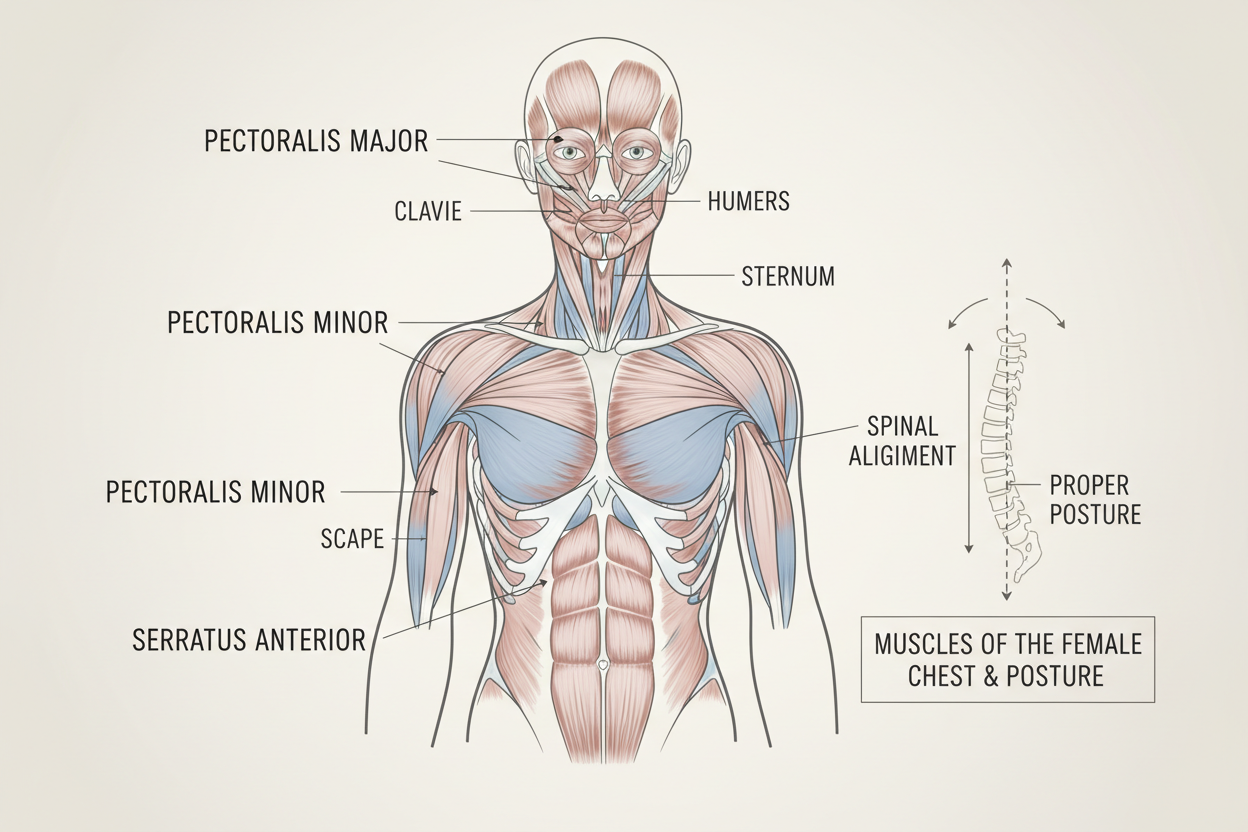
When discussing the muscles in the chest female anatomy, it is important to consider both the superficial and deeper layers. The most prominent muscle is the pectoralis major, a large, fan-shaped muscle extending across the upper chest. Beneath it lies the pectoralis minor, a smaller yet vital muscle that assists with movements of the shoulder blade.
Other contributing muscles include the serratus anterior, located along the sides of the chest wall, and intercostal muscles between the ribs, which support breathing. Together, these structures form a complex network that interfaces with the shoulders, spine, and arms, making the muscles in female chest crucial for a wide range of daily and athletic movements.
Functions Beyond Aesthetics
Muscles in chest female anatomy perform important roles. The pectoralis major aids in pushing movements, such as lifting objects or pressing weights. It also supports activities like swimming or certain yoga postures. The pectoralis minor and serratus anterior stabilize shoulder movement, which prevents injury during repetitive or heavy-load activities.
Additionally, strong chest muscles contribute to better posture. Many women experience forward shoulder rolling due to desk work or prolonged phone use. Strengthening chest-supporting muscles alongside the upper back can help maintain a balanced posture and reduce tension headaches or neck discomfort.
Evidence-Based Training Approaches
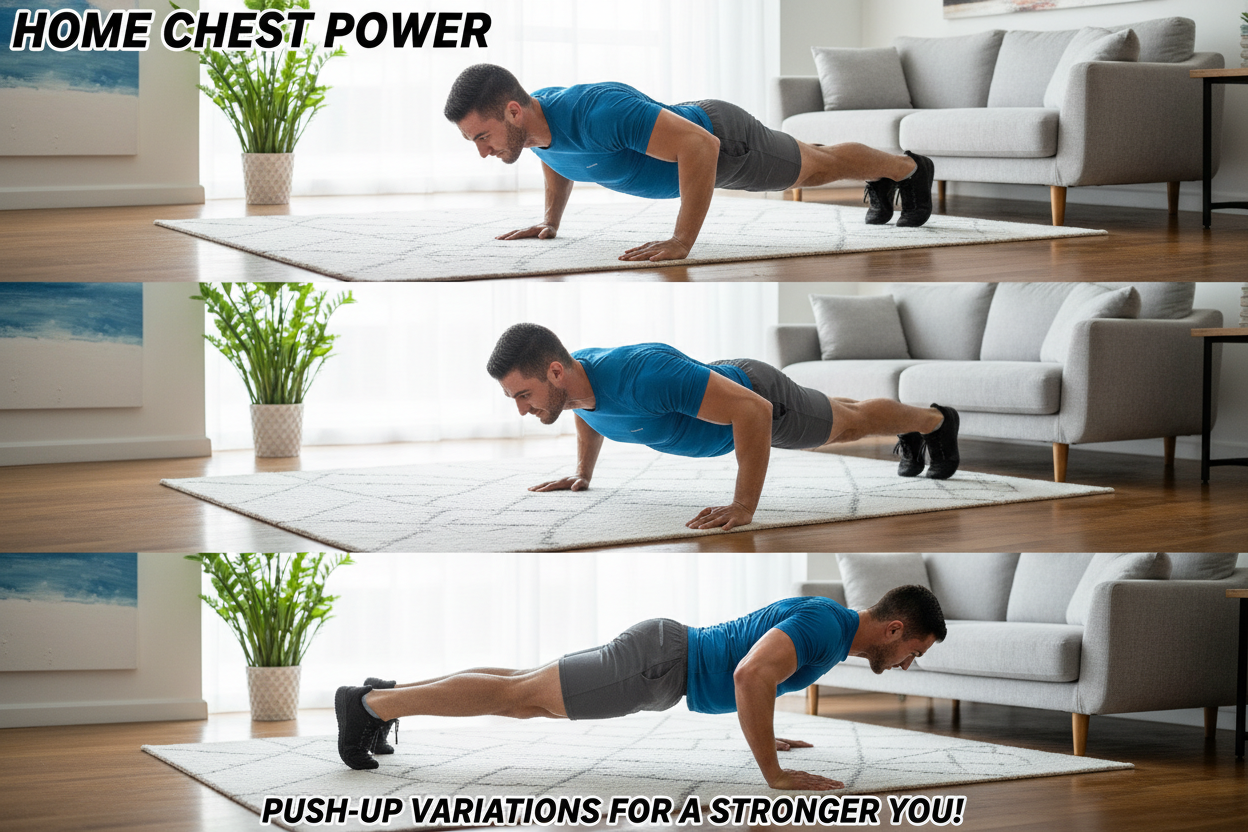
Research in exercise science emphasizes balanced resistance training for these muscles. Compound exercises such as push-ups, bench presses, and chest flys engage multiple regions of the chest. Bodyweight drills, resistance bands, and free weights allow progressive improvement without overloading the joints.
According to studies focusing on female physiology, moderate to high repetition ranges with controlled form can yield functional strength and endurance benefits. Rest intervals, recovery techniques, and proper nutrition all play parts in ensuring that chest muscle development supports rather than strains overall health.
Posture and Rehabilitation
For women recovering from injury or surgery, gentle activation of muscles in female chest anatomy can speed rehabilitation. Physical therapists often introduce low-impact movements, such as isometric holds or wall presses, to reestablish stability before advancing to more dynamic exercises. This evidence-based progression minimizes the risk of re-injury and supports gradual muscle adaptation.
Personal Experience and Wellness Insights
In my own training journey, focusing on the muscles in chest female anatomy changed how I approached upper-body workouts. Initially, I underestimated their role in core posture and shoulder health. Adding routine push-ups and lightweight fly variations improved not only my strength but also my confidence in daily tasks such as carrying groceries or playing sports. These practical benefits reinforced the value of well-structured training and regular muscle care.
Maintaining Muscle Health Long-Term
Long-term maintenance involves integrating variety into training programs. Rotational movements, resistance band work, and flexibility drills ensure the muscles in female chest remain adaptable. Stretching after strength sessions helps maintain optimal length-tension relationships, reducing stiffness and keeping joint mobility intact.
Recovery habits, like adequate sleep and hydration, allow muscle tissues to repair efficiently. For women engaging in consistent chest-focused workouts, scheduling rest days and incorporating mobility exercises supports balanced development between chest, back, and shoulders.
Final Thoughts on Muscles in Female Chest Care
The muscles in the chest female anatomy do far more than shape physical appearance; they are critical to upper-body function, posture, and injury prevention. By applying evidence-based training, paying attention to recovery, and remaining consistent in practice, women can maintain healthy, strong chest muscles over the long term. A mindful approach recognizes that strength and health are deeply interconnected, and that investing in this area brings benefits across daily life and athletic performance.