Are the Best Glute Exercises Gym Machines Offer Actually Useless?
I remember standing in line at my local commercial gym, waiting for the one and only hip thrust machine. There were three people ahead of me, all scrolling through their phones while hogging the only piece of equipment specifically designed for the posterior chain. It was a joke. I realized right then that I was paying $60 a month for the privilege of waiting to use a machine that I could easily replicate—and improve upon—in my own garage. The truth is, the best glute exercises gym setups promote are often the least efficient ways to actually grow your backside.
Quick Takeaways
- Commercial glute machines often limit your range of motion and stabilization requirements.
- Free weights like barbells and dumbbells offer superior muscle recruitment and mechanical tension.
- A dedicated floor space with a high-quality mat is more valuable than a $3,000 selectorized machine.
- Consistency and heavy loading beat variety and 'the burn' every single time.
The Commercial Machine Illusion
Commercial gyms love big, shiny machines. They look impressive on a tour and they’re easy for beginners to use without much coaching. But when you’re looking for the most effective stimulus, those standing kickback stations and seated abduction machines are often fluff. They provide a great 'pump' because they isolate a very specific, often small, portion of the muscle, but they lack the systemic load needed for real hypertrophy. I’ve spent months testing these machines against raw iron, and the results are always the same: the machine makes you feel tired, but the barbell makes you grow.
The problem with a dedicated hip thrust machine is the fixed path. It forces your body into a specific arc that might not match your femur length or hip anatomy. When you use a free barbell, your body finds its natural path of power. You’re also forced to stabilize the weight, which brings the core and stabilizers into play. If you're serious about your best gym glute exercises, you need to stop relying on a machine to do the balancing for you. I’ve seen more progress in six weeks of heavy barbell work than in six months of cable kickbacks.
The Free Weight Alternatives That Actually Work
If you want to build a serious posterior, you need to master the big three: the hip thrust, the Romanian deadlift (RDL), and the Bulgarian split squat. These movements allow for infinite progression. You can’t 'max out' a barbell like you can a selectorized stack at the gym. For the hip thrust, all you need is a sturdy bench and a barbell. To keep things stable, I always recommend a large exercise mat for home gym use. Having a gripped, non-slip surface is non-negotiable when you start loading 300+ pounds and driving your heels into the floor. If your feet slip, your set is wasted.
The RDL is perhaps the most underrated of the best gym glute exercises. By focusing on the hip hinge and keeping the tension on the glutes and hamstrings, you create massive mechanical tension. Unlike a leg curl machine that keeps you seated, the RDL requires your entire posterior chain to work in unison. I prefer using a bar with decent knurling—something like a 28.5mm multi-purpose bar—so my grip doesn't give out before my glutes do. If you're training at home, you don't need a leg press; you need a heavy set of dumbbells for deficit lunges. The deep stretch at the bottom of a lunge provides a growth stimulus that no seated machine can replicate.
Structuring Your Weekly Volume (Minus the Cables)
You don't need a cable crossover to get '360-degree' glute development. Most people overcomplicate their best workout routine for glutes by adding too many isolation movements. Focus on two heavy sessions a week. One day should be centered around a horizontal push (like the hip thrust) and the other around a vertical hinge (like the deadlift). This ensures you’re hitting the muscle from different angles of peak tension. You can see how this fits into a broader program by checking out our guide on the best total gym workout routine to ensure you aren't overtraining.
Volume is key, but intensity is the driver. Aim for 10-15 sets of direct glute work per week. If you're doing more than that, you're likely not training heavy enough. I see people in commercial gyms doing 30 sets of high-rep cable work and wondering why they aren't seeing changes. Swap those high-rep 'burners' for 3 sets of 8-10 reps on a heavy movement. Use a notebook or an app to track your weights. If you aren't adding a few pounds or an extra rep every two weeks, you aren't following the best workout routine for glutes; you're just exercising.
A Sample No-Machine Routine You Can Run Today
Here is a best glute workout routine that I personally use when I want to strip things back to the basics. No cables, no fancy cams, just high-tension movements. You’ll want a solid foundation for this, so I suggest performing these on a 6x8ft exercise mat to protect your floor and provide enough space for lunges and wide-stance work. This mat size is the sweet spot for most home gyms—it gives you enough room to move without taking over the entire garage.
- Barbell Hip Thrusts: 4 sets of 8 reps. (3-minute rest). Focus on a 2-second hold at the top.
- Romanian Deadlifts: 3 sets of 10 reps. (2-minute rest). Keep the bar close to your shins.
- Bulgarian Split Squats: 3 sets of 12 reps per leg. (90-second rest). Lean your torso forward to bias the glutes.
- B-Stance Dumbbell RDLs: 2 sets of 15 reps per leg. (60-second rest). This acts as your 'finisher.'
The beauty of this best glute workout routine is its simplicity. You can do this in a 10x10 space with a rack and some plates. The focus here is on the eccentric (lowering) phase of the lift. Don't just drop the weight; control it. That’s where the micro-tears happen that lead to growth. I've found that using a slightly wider stance on the hip thrusts helps engage the glute medius more effectively without needing a dedicated abduction machine.
Where Most Home Gym Lifters Go Wrong
The biggest mistake I see when people move from a commercial club to a home gym is 'intensity drop.' Without the social pressure of other lifters or the ease of a machine, people tend to sandbag their workouts. They switch from heavy leg presses to bodyweight squats and wonder why their progress stalls. Your glutes are incredibly strong muscles; they require significant load to change. You have to be willing to get uncomfortable under a heavy bar. Balancing this with the best exercises for full body workout ensures you don't become imbalanced, but your glute days must remain heavy.
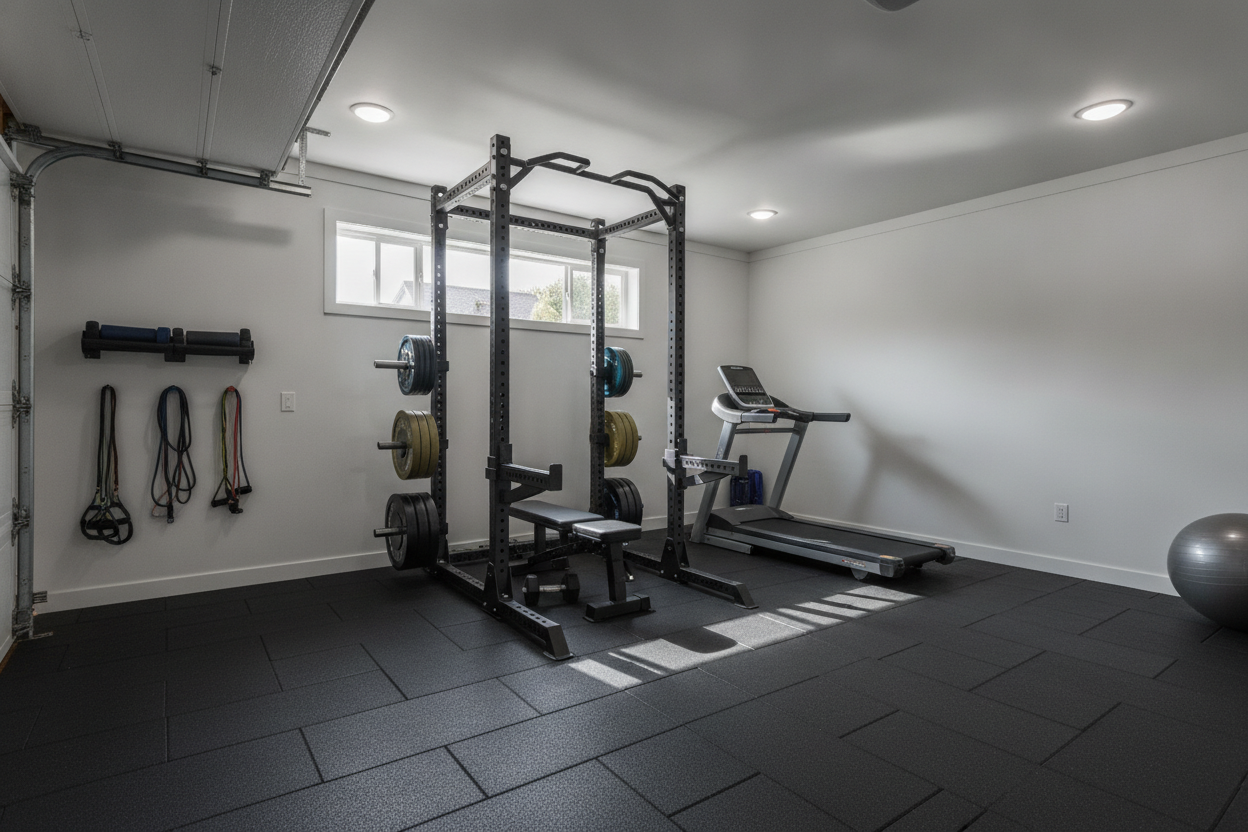
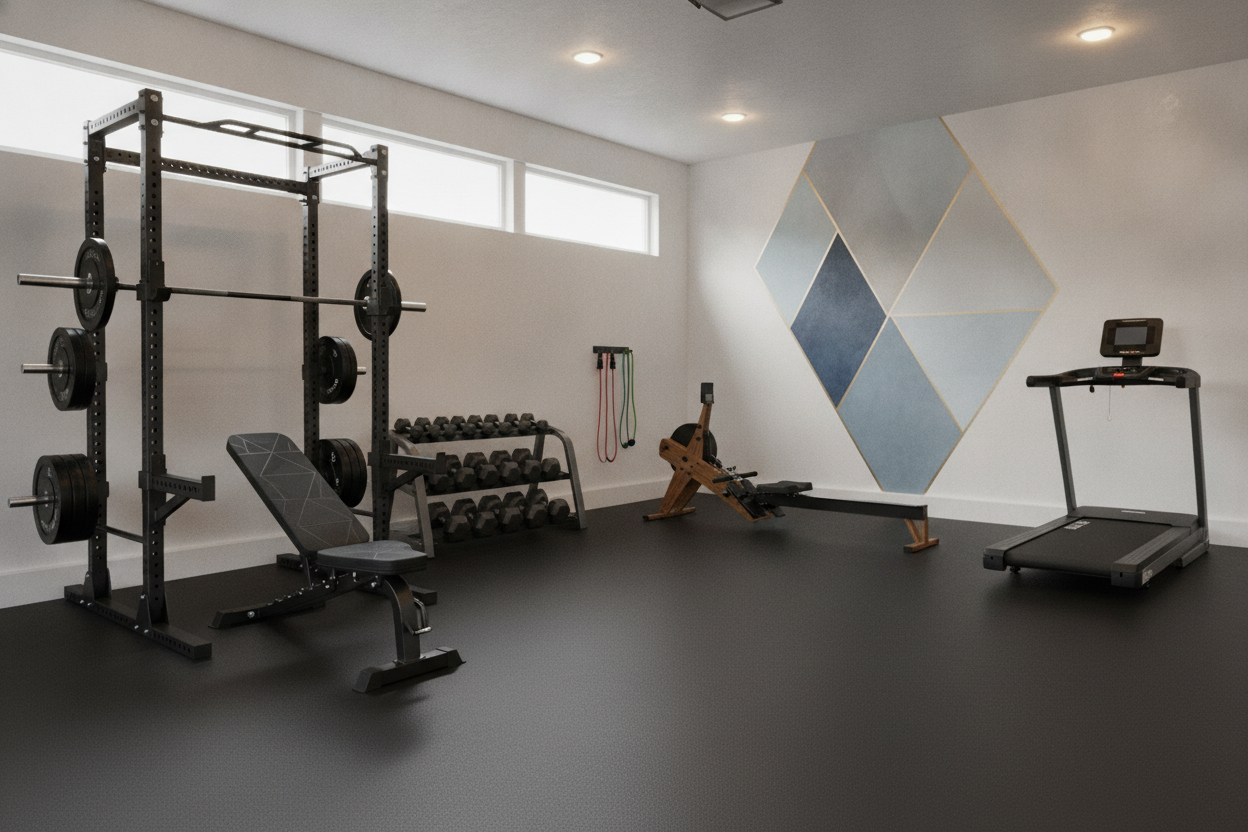
Another pitfall is poor setup. If your bench is sliding across the floor every time you try to thrust, you won't be able to exert maximum force. Invest in your flooring and your bench before you buy any 'glute-specific' gadgets. A solid power rack and a flat bench are the only 'machines' you truly need. I’ve owned those 'as seen on TV' glute builders, and most of them ended up as expensive clothes racks within three months. Stick to the iron, stay heavy, and stop looking for shortcuts in the machine circuit.
Personal Experience: The 'Booty Builder' Blunder
A few years ago, I fell for the hype and bought a specialized home hip thrust unit. It had resistance bands and a padded seat. It looked great in the photos. But the first time I tried to load it with real weight, the frame flexed, and the bands felt 'mushy' compared to the crisp tension of a barbell. I actually regressed in strength because I stopped doing the hard work of stabilizing a free weight. I ended up selling it on Marketplace for half what I paid and went back to my barbell and a simple bench. It was a lesson learned: the simplest tools are almost always the most effective.
FAQ
Do I need a specialized machine for glute kickbacks?
No. You can replicate the movement with a simple ankle weight or by using a light resistance band looped around a power rack post. The stimulus is virtually identical, and you save thousands of dollars in equipment costs.
Are squats enough to grow glutes?
For some, yes. But for most, squats are very quad-dominant. If you want maximum glute growth, you need to include movements where the glutes are the primary mover, like hip thrusts or RDLs, rather than just a secondary stabilizer.
How often should I train glutes?
Two to three times a week is the sweet spot for most lifters. This allows for enough volume to trigger growth while still giving the central nervous system time to recover from the heavy loading required.