Why Your Workout for Weight Gain Fails in a Home Gym
I remember the first time I tried to bulk in my garage. I was following a pro bodybuilder’s 6-day split, trying to hit every muscle from every angle with a pair of rusty 25-lb dumbbells and a wobbly bench. I was doing 15 sets of lateral raises and wondering why I still looked like a distance runner. Most people fail their workout for weight gain because they try to mimic the high-volume fluff they see on social media, which just doesn't work when you don't have a commercial facility at your disposal.
Quick Takeaways
- Compound movements (squats, presses, pulls) are the only way to force growth at home.
- Ditch the isolation machines; you don't have the space or the need for them.
- Consistency with a heavy barbell beats 'muscle confusion' every single time.
- You cannot out-train a caloric deficit—eat more than you think you need.
The Commercial Gym Bulking Trap
Most 'bulking' routines you find online are designed for people who spend two hours a day in a massive facility. They assume you have access to rows of weight lifting machines for every specific muscle head. If you’re training in a garage or a spare room, trying to isolate the long head of your triceps for 20 minutes is a total waste of your limited time and recovery capacity.
In a home gym, you are the architect of your own progress. You don't need a warehouse full of chrome equipment to trigger hypertrophy. In fact, those machines often act as a crutch, allowing you to avoid the hard work of stabilizing a heavy barbell. Stop trying to copy the 'bro-split' and start focusing on the movements that actually move the needle on the scale.
What Actually Makes a Workout Plan for Weight Gain Effective?
To grow, your body needs a reason to change. That reason is mechanical tension. A solid workout plan for weight gain focuses on multi-joint compound movements that allow you to move the most weight possible. When you squat 315 lbs, your entire central nervous system reacts. Your body is forced to pack on mass to survive that stress.
This isn't just about 'getting a pump.' It's about systemic growth. By focusing on a workout routine for weight gain that centers on the 'Big Four'—squat, bench, deadlift, and overhead press—you trigger a hormonal response that isolation exercises can't touch. If you aren't adding weight to the bar every week or two, you aren't running an effective exercise plan for weight gain; you're just exercising.
You Have to Eat (But Put Down the Junk)
No gain weight exercise routine will work if you are chronically under-eating. You need a caloric surplus to build tissue. However, don't use this as an excuse to live on pizza and donuts. A 'dirty bulk' usually results in a soft midsection and sluggish workouts. Aim for a 300-500 calorie surplus with plenty of protein. If you aren't gaining about 0.5 to 1 pound a week, you need to eat more—it's that simple.
The Bare-Bones Mass Building Setup
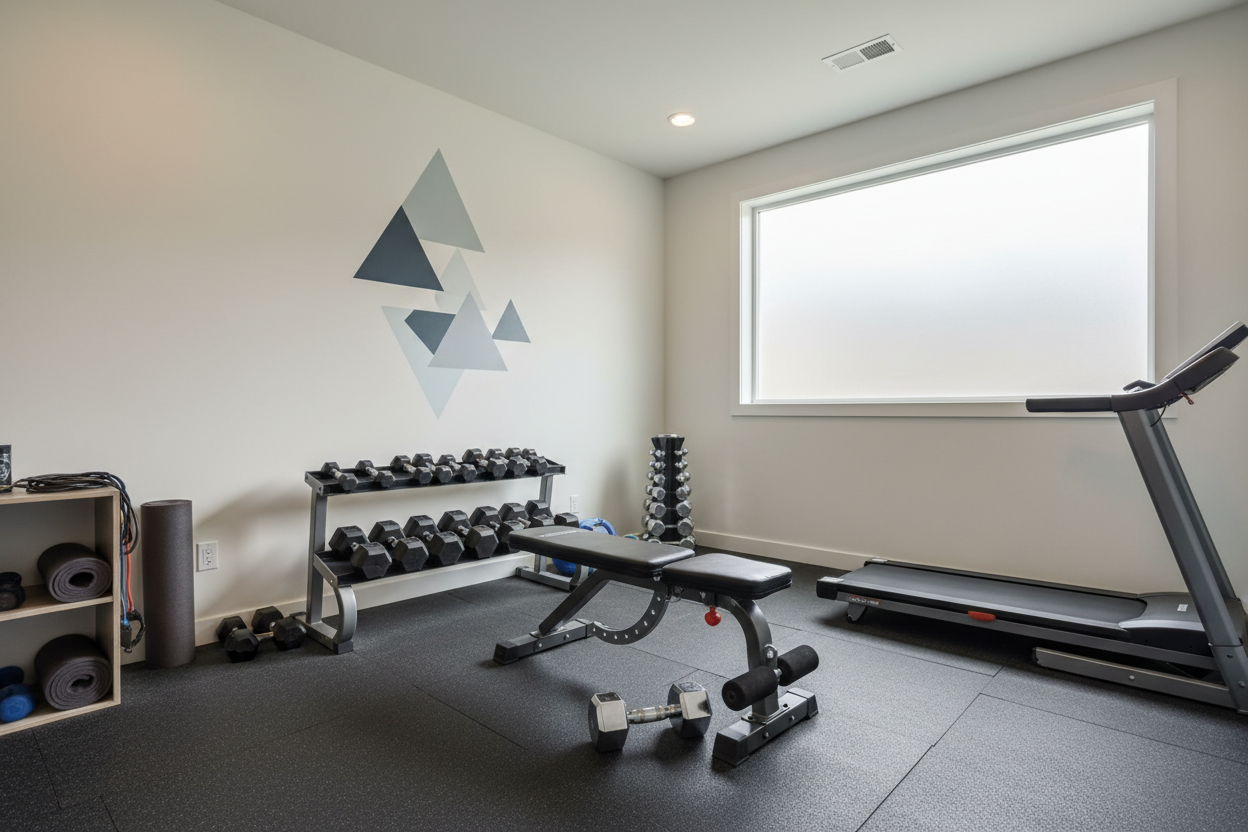
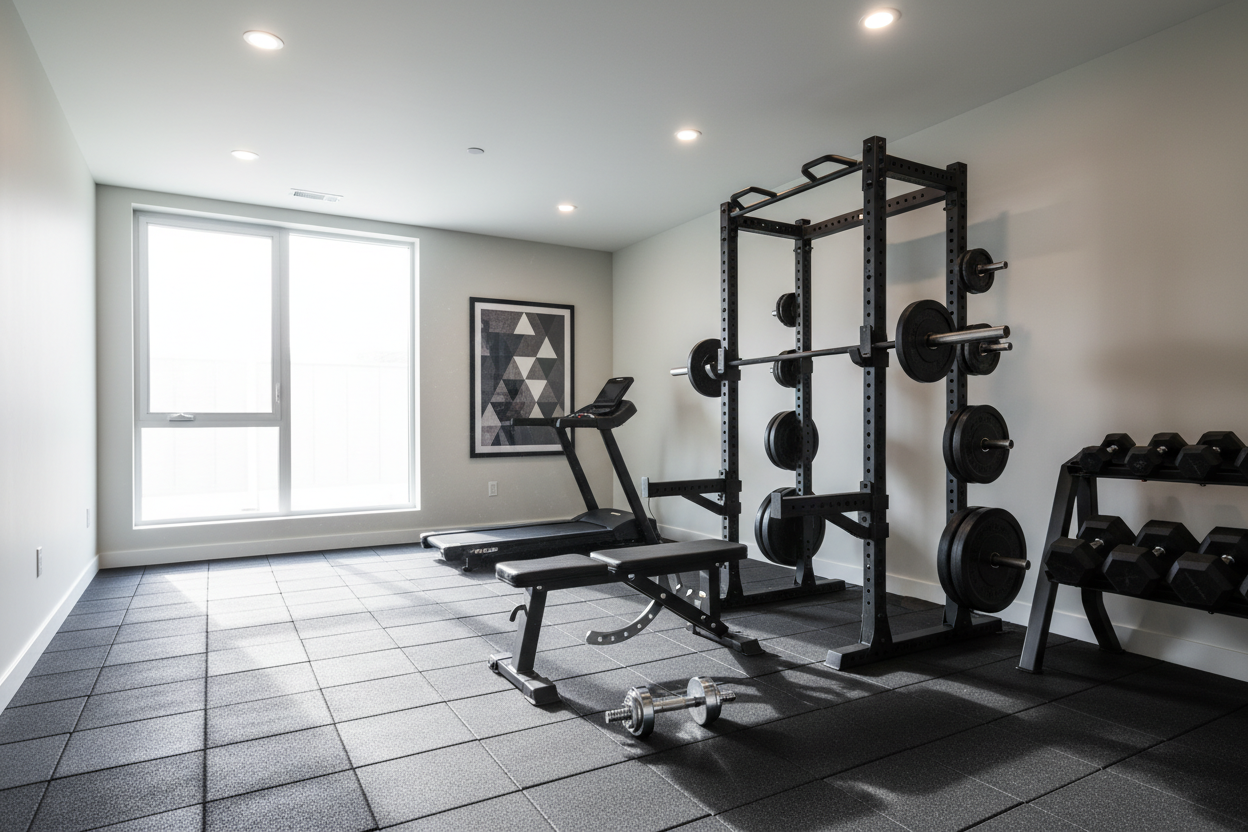
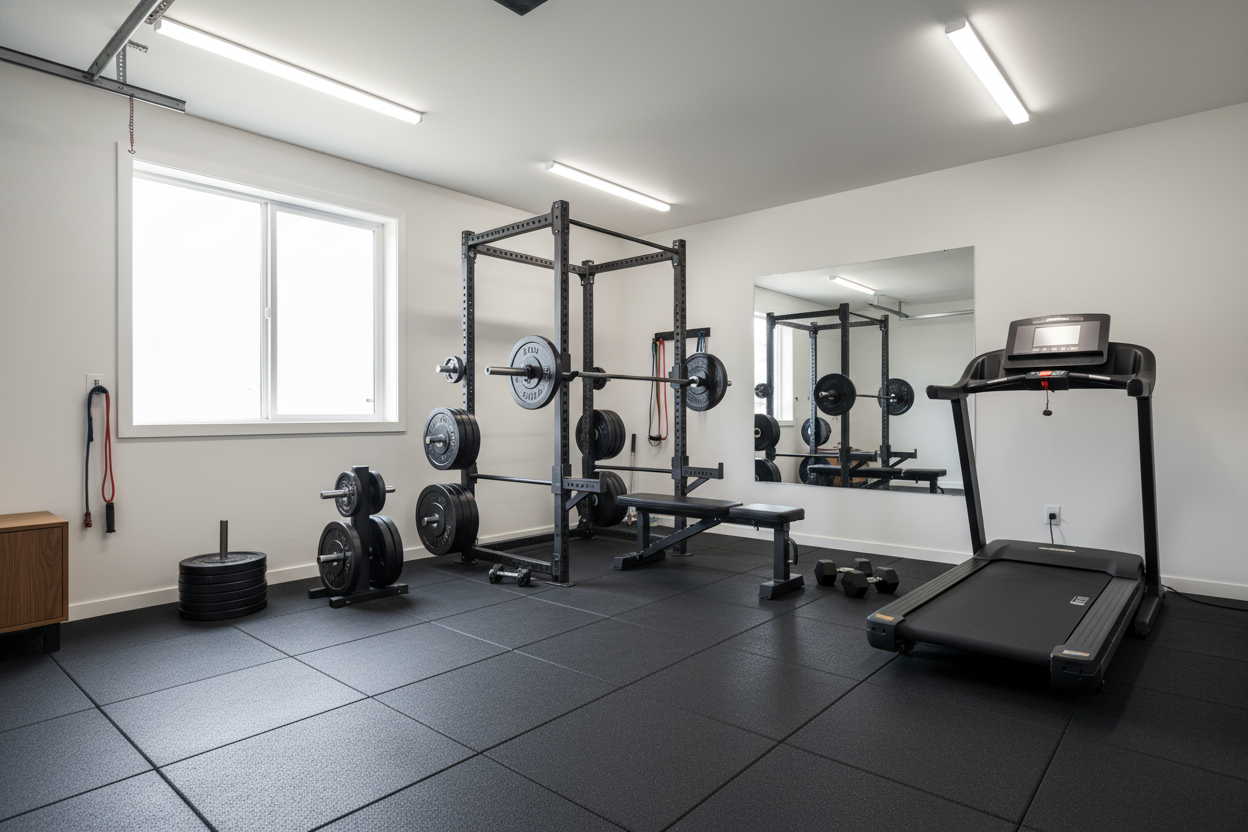
You don't need fancy gadgets, but you do need a setup that allows you to fail safely. I’ve seen too many guys try to max out their bench press without spotter arms, and it’s a recipe for a hospital visit. For any serious exercise program to gain weight at home, a power rack is non-negotiable.
I usually recommend the Gxmmat X6 Power Rack Weight Bench Package as the foundational footprint for a home setup. It gives you a stable environment for heavy squats and presses without taking up the space of a full commercial gym. It’s the bare minimum you need to safely push your limits on the routines to gain weight that actually matter.
The 3-Day Full Body Exercise Routine for Gaining Weight
For a natural lifter training at home, frequency is king. Instead of hitting chest once a week, hit your whole body three times. This workout routine to gain weight is simple, brutal, and effective. Monday: Squat, Bench Press, Barbell Row. Wednesday: Deadlift, Overhead Press, Pull-ups. Friday: Squat, Bench Press, Barbell Row. Keep it to 3 sets of 5-8 reps for the big lifts.
This exercise routine for gaining weight works because it hits the largest muscle groups frequently. You aren't doing 12 different weight gain routines; you're doing one routine perfectly. By the time you reach Friday, your body has had 48 hours to recover and is ready to be stressed again. This high-frequency approach is the fastest way to build a base of thick, dense muscle.
How to Progress When the Bar Gets Heavy
Progression is boring, and that's why people quit. They want a new fitness plan to gain weight every three weeks because they saw a new TikTok trend. Don't fall for it. Stick to the same exercise routines to gain weight for at least 12 weeks. If you hit your reps, add 5 lbs to the bar next time. If you stall, drop the weight by 10% and build back up.
I once wasted an entire year 'confusing' my muscles by switching programs every month. My strength stayed flat and my weight didn't budge. It wasn't until I committed to one heavy barbell program that I actually saw my chest and back widen. For a deeper dive into the specific loading strategies I use, check out The Only Exercise Plan to Gain Weight I Trust for a Home Gym.
FAQ
How many days a week should I train to gain weight?
Three days is the sweet spot for most home lifters. It provides enough stimulus to grow while allowing for maximum recovery. Remember, you grow while you sleep, not while you're lifting.
Can I do cardio while trying to gain mass?
Yes, but keep it low-impact. A 20-minute walk is fine. If you start running marathons, you're just burning the calories your body needs to build muscle.
What if I don't have a barbell?
You can use heavy dumbbells, but you will eventually hit a ceiling. A barbell is much easier to load progressively, which is the cornerstone of any long-term workout routine for weight gain.