Forget Squats: Try This Heavy Back and Shoulder Workout for Women Instead
I spent three years convinced that if I didn't spend at least four days a week doing some variation of a hip thrust or a squat, my progress would stall. My home gym was basically a shrine to lower body training, while my rack and dumbbells gathered dust. Then I looked in the mirror and realized I was bottom-heavy and lacked any of the athletic 'pop' I actually wanted. I ditched the daily leg grind for a dedicated, heavy back and shoulder workout for women, and my physique changed more in three months than it had in the previous three years.
- Heavy compound movements build the 'V-taper' that makes your waist look smaller.
- Stop using 5-lb dumbbells; you need to challenge the muscle to see definition.
- Chest-supported movements are better for isolating the back without lower back fatigue.
- Lifting straps are a tool, not a crutch, for heavy pulling days.
Why I Stopped Obsessing Over Glute Days
The fitness industry has a weird obsession with telling women they only need to train legs. If you follow most 'influencer' programs, you'll end up with massive quads and a totally neglected upper body. I realized that by building my lats and capping my delts, I could create the illusion of a narrower waist. It’s basic geometry.
When you commit to a shoulder and back workout for females, you're building the frame that supports everything else. A wider upper back balances out your hips and gives you that athletic, 'X' shaped silhouette that squats alone can't provide. I stopped trying to shrink my waist and started trying to grow my shoulders. The results were immediate.
The 4 Movements That Actually Changed My Proportions
Most back and shoulder workout woman-focused routines are filled with 'toning' exercises that don't do anything. You don't need 20 reps of air-resistance lateral raises. You need to move weight. I simplified my routine to four heavy hitters. Focusing on these allowed me to move past the fluff. I found that consolidating my efforts into a specific arm shoulder and back workout allowed me to hit much higher intensities than I ever did during 'full body' days.
Strict Seated Dumbbell Press
This is the foundation of my shoulder and back workout for females. Sit on a bench with the backrest at a 90-degree angle. By sitting, you remove the ability to 'cheat' with your legs. I use 35-lb dumbbells for these, and the focus is on a controlled eccentric (the way down) and an explosive press. This builds the front and lateral delts like nothing else.
Chest-Supported Dumbbell Rows
I used to do standing bent-over rows, but my lower back always gave out before my lats did. By laying face-down on an incline bench, you isolate the mid-back and lats completely. This allows you to pull significantly heavier weight. I’m currently pulling 50s for sets of 10, and the pump in my rhomboids is insane compared to the old way.
Heavy Rear Delt Swings
Forget those dainty reverse flyes with 2-lb weights. Grab a pair of 20s or 25s and perform partial 'swings' from a bent-over position. You aren't looking for a full range of motion here; you're looking to overload the posterior delt. This is the secret to getting that '3D' look from the side. It’s a back and shoulder workout for woman-specific hack that most people miss.
The Heavy Back and Shoulder Workout for Women
This isn't a circuit. This is a strength session. Rest at least 90 to 120 seconds between sets so you can actually lift heavy again. If you aren't struggling on the last two reps, the weight is too light. Here is the breakdown:
- Seated Dumbbell Press: 4 sets of 8 reps
- Chest-Supported Rows: 4 sets of 10 reps
- Heavy Rear Delt Swings: 3 sets of 20 reps (partials)
- Lat Pulldowns or Pull-Up Negatives: 3 sets to failure
If you want more structured routines like this, I keep my full rotation updated over at the Workout Hub. The key is progressive overload—add 2.5 or 5 lbs to these lifts every two weeks.
A Quick Note on Home Gym Setup and Grip Strength
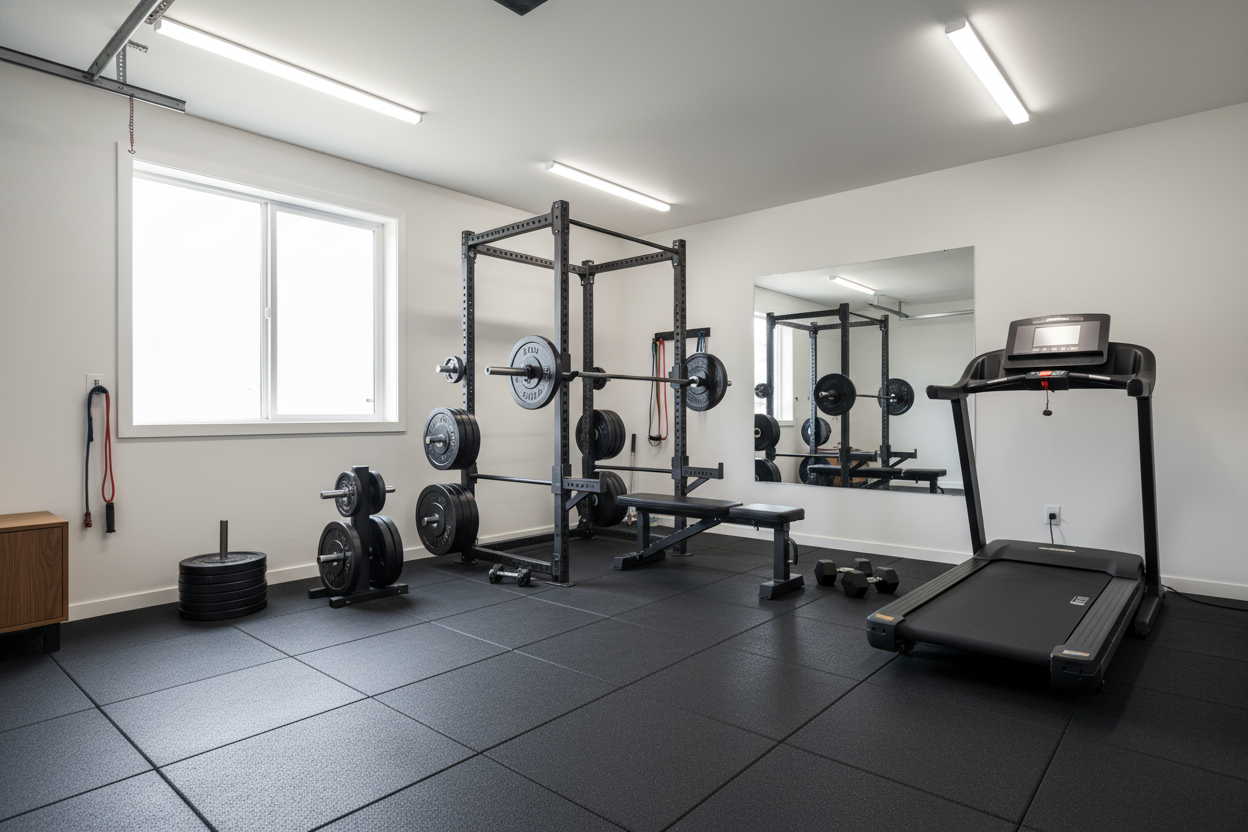
As you get stronger, your grip will likely fail before your back does. Don't be a hero. Use lifting straps for your rows. It’s better to get the stimulus in your lats than to end a set early because your hands are tired. Also, if you're training in a garage or spare room, please invest in real gym flooring for home workout spaces. I once dropped a 45-lb hex dumbbell on a bare plywood subfloor and the sound (and the dent) was enough to make me regret my life choices.
Personal Experience: The 'Small Shirt' Realization
My biggest mistake was thinking that training upper body would make me look 'bulky.' I spent years avoiding heavy presses. One day, I realized I couldn't actually fill out the shoulders of my favorite denim jacket. It looked saggy. After six months of this women's back and shoulder workout, my clothes actually fit better. My waist looked smaller because my shoulders finally had some structure. I’m stronger, I move better, and I haven't touched a hip thrust machine in months.
FAQ
Will this workout make my neck look thick?
No. Unless you are specifically smashing heavy barbell shrugs and taking performance enhancers, your traps won't suddenly explode. You'll just get defined shoulders.
How heavy should I start?
Start with a weight you can move for 12 reps with perfect form. Once that feels easy, jump up 5 lbs and drop the reps to 8. Build back up to 12 from there.
Can I do this at home with just dumbbells?
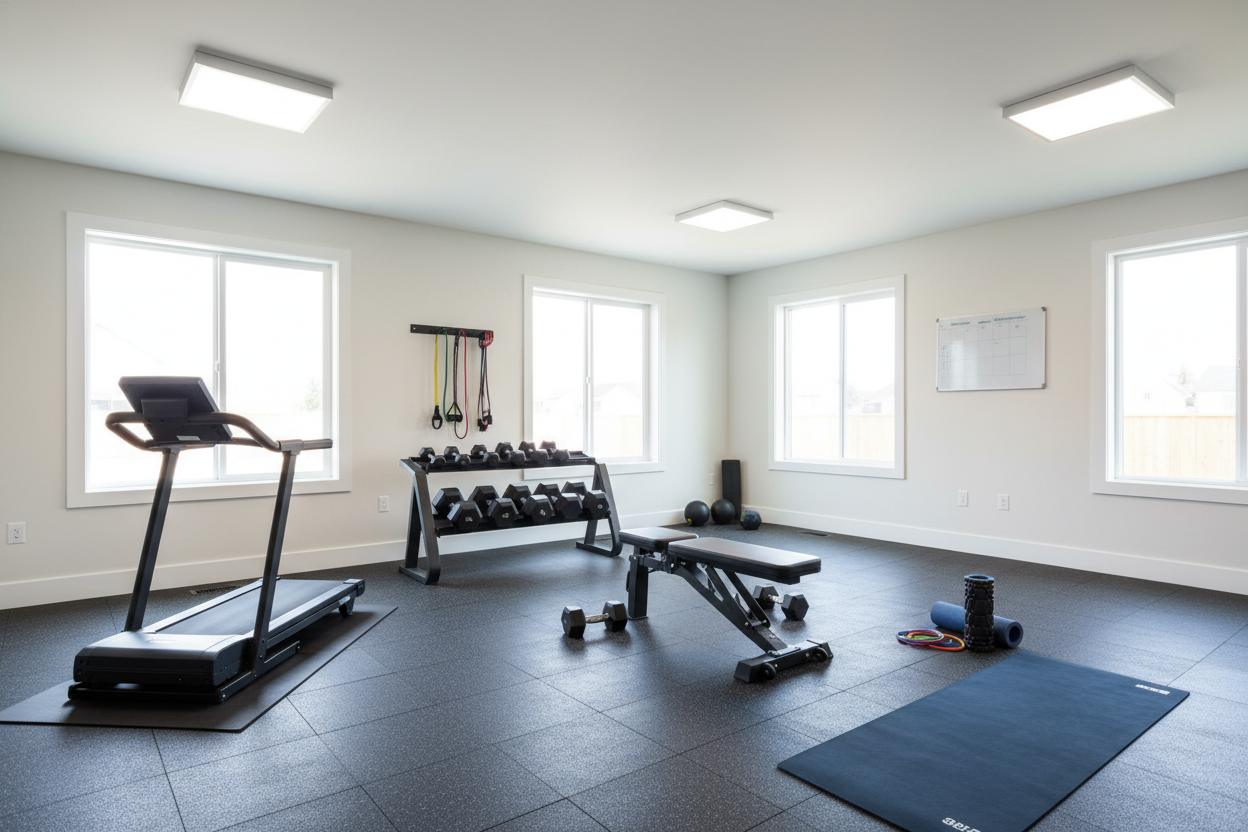
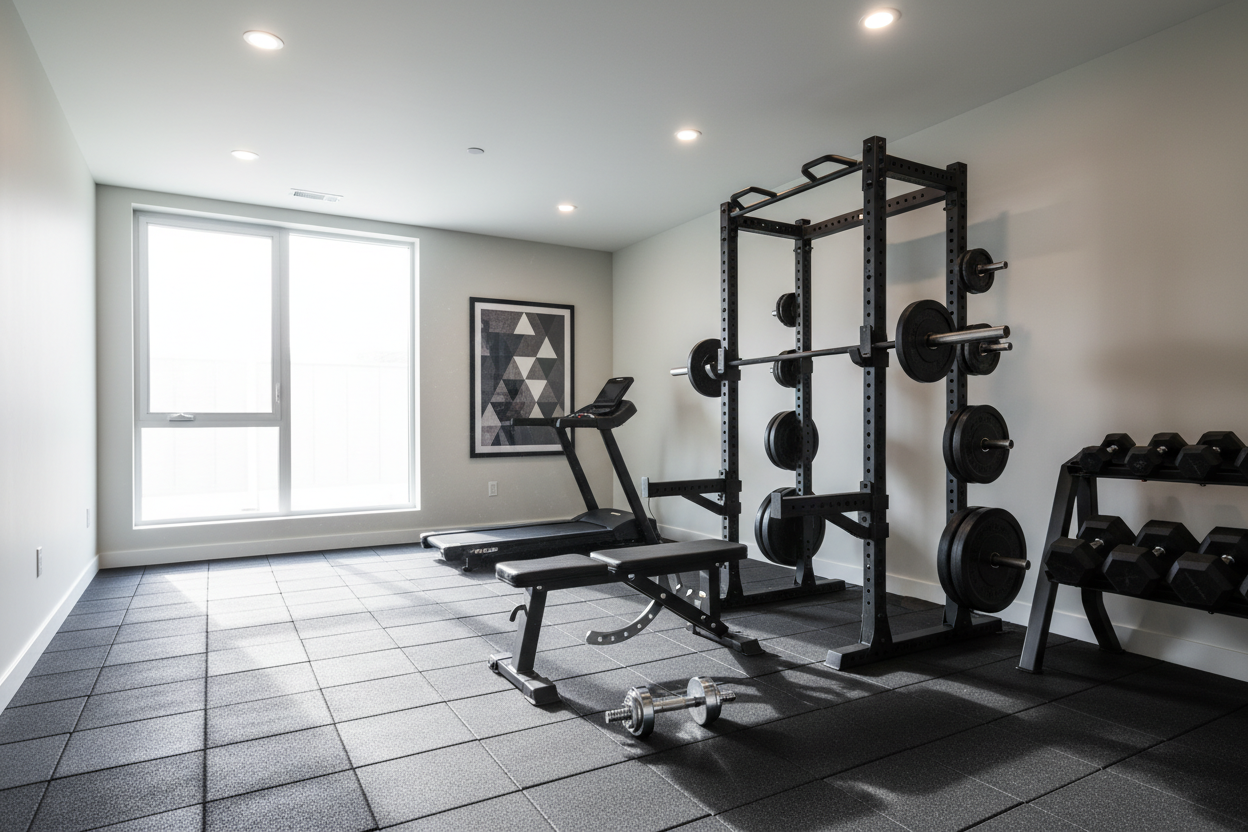
Absolutely. That is the beauty of this routine. As long as you have a bench and a decent range of weights, you can build a pro-level upper body in your garage.