Why the Most Challenging Exercises Don't Look Cool on Instagram
I’ve spent way too many late nights scrolling through social media, watching people perform what I call 'fitness circus tricks.' You’ve seen them: guys doing handstands on kettlebell handles or influencers performing squats while balancing on a stability ball. It looks impressive for a three-second clip, but if we’re being honest, it’s mostly just a parlor trick. Real, challenging exercises don't require a tightrope or a unicycle; they require the willingness to suffer through the basics until your lungs burn and your legs shake.
The truth is that the hardest workout in the world isn't usually the one with the most equipment. It’s the one where you take a foundational movement and strip away every possible shortcut. I’ve tested everything from high-end pneumatic resistance machines to rusted-out plates in a garage, and nothing beats the raw difficulty of a simple movement done with perfect, agonizing control.
Quick Takeaways
- Complexity is often a mask for a lack of intensity.
- Manipulating tempo and range of motion creates more 'hard exercises' than adding fancy gear.
- Single-leg work is the ultimate equalizer for strength imbalances.
- The hardest workout ever isn't found on a screen; it's found at the limits of your own grit.
Stop Confusing 'Complicated' With 'Hard'
We’ve been conditioned to think that if an exercise is hard to balance, it’s a hard work out. That’s a lie. Balancing on a Bosu ball isn't a strength challenge; it’s a neurological puzzle. If your goal is to build actual muscle and resilience, you need to reach muscular failure, not balance failure. The most difficult exercises are often the most boring ones on paper.
Think about the hardest workouts you’ve ever done. They probably didn't involve twenty different movements. They likely involved two or three basic lifts taken to a dark place. I’ve seen elite athletes crushed by nothing more than a heavy barbell and a clock. When you stop worrying about looking cool and start focusing on tension, the entire game changes.
The 4 Brutal Basics That Will Actually Break You
You don't need a 5,000-square-foot facility to find the toughest exercise. You just need a few square feet of floor space and the realization that 'hard' is a choice you make with your effort. These four movements are my go-to when I want to remind myself that I’m not as fit as I think I am.
1. Deficit Bulgarian Split Squats
If you want to find the hardest exercise in the world for the lower body, look no further than the deficit Bulgarian split squat. By elevating your front foot on a small plate or block, you increase the range of motion beyond what your body is used to. This forces the glutes and quads to work in a deep, vulnerable stretch.
It is pure, unadulterated agony. There is no momentum to save you here. Every rep feels like a mile. I’ve seen guys who can squat 400 pounds crumble under the weight of two 50-pound dumbbells when they have to sink into that extra two inches of depth. It’s the toughest exercise because it exposes every bit of tightness and weakness you’ve been hiding.
2. The 3-Second Paused Goblet Squat
Most people use the 'bounce' at the bottom of a squat to get back up. The 3-second paused goblet squat takes that away. By sitting in the 'hole' for a full three-count, you dissipate all the elastic energy in your muscles. You’re left with nothing but brute strength to move the load.
This turns a relatively light weight into one of the most difficult exercises in your arsenal. It forces your core to stay braced and your upper back to fight the weight from pulling you forward. It’s a very hard workout because it demands total concentration. If you lose focus for a second, you’re stuck on the floor.
3. The Heavy, Unbroken Farmer's Carry
There is nothing more primal than picking up something heavy and walking with it until your hands want to quit. Whether you are using specialized handles or just grabbing the heaviest pair of dumbbells when looking for workout exercises at the gym, the farmer's carry is a full-body tax. It hits your traps, your forearms, and your soul.
The 'unbroken' part is what makes this a truly hard exercise. Set a distance—say, 100 yards—and don't let those weights touch the ground. By the halfway mark, your grip will be screaming. By the end, your lungs will be searching for air. It’s the simplest way to program extremely hard workouts without needing a single machine.
Setting Up Your Pain Cave (Without Ruining Your Floor)
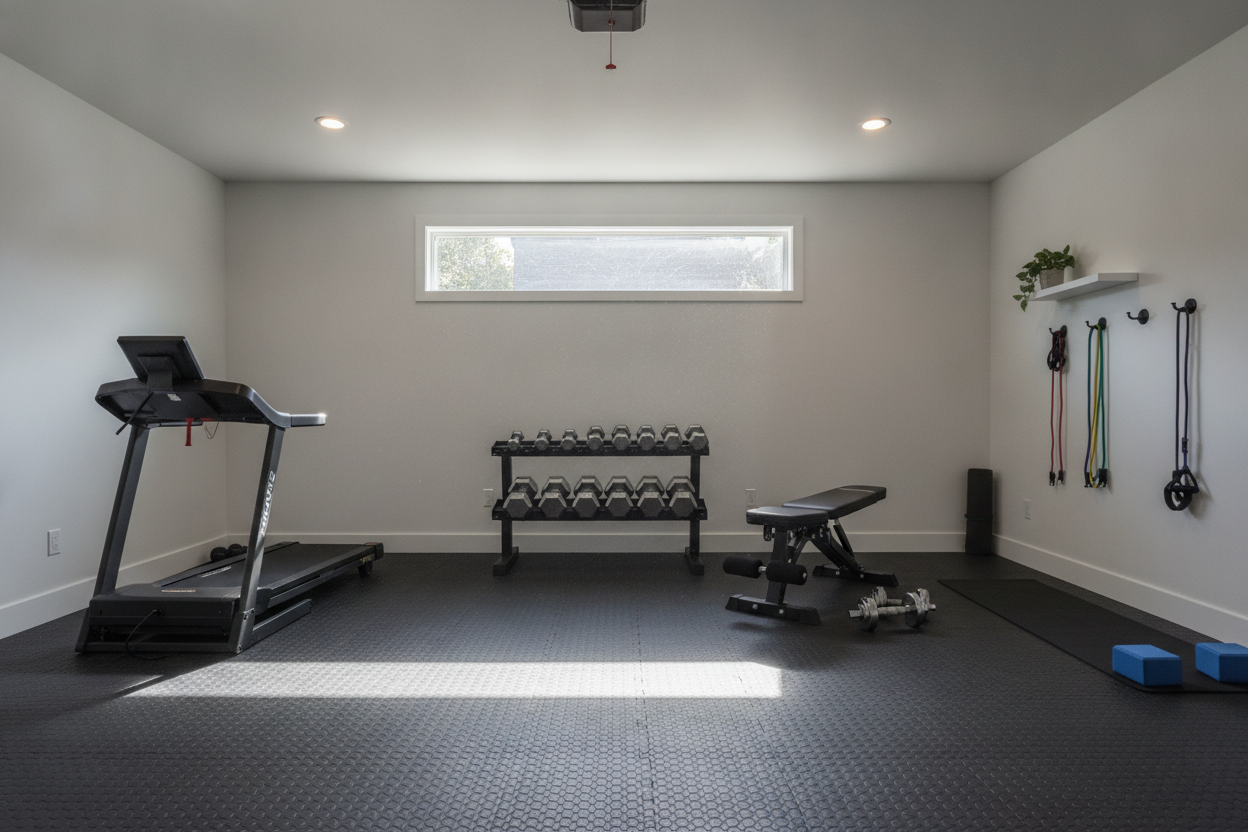
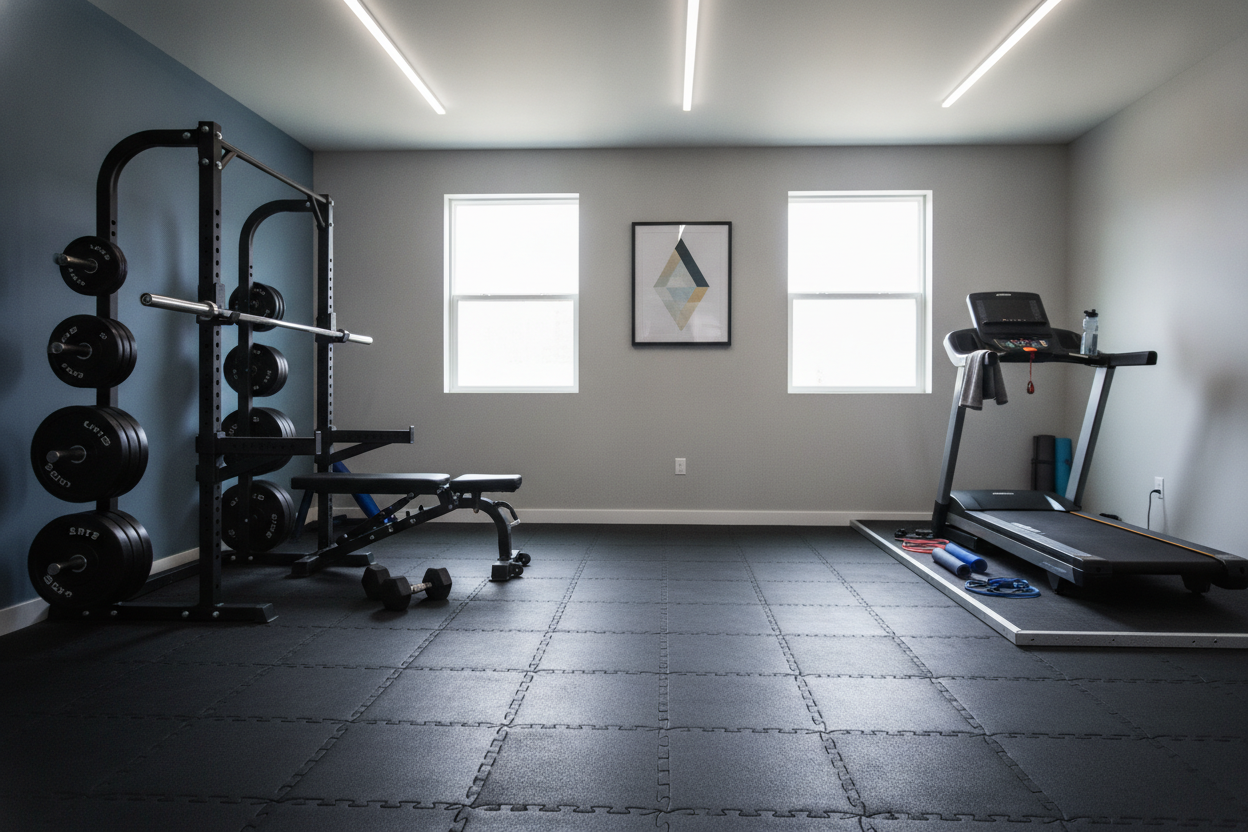
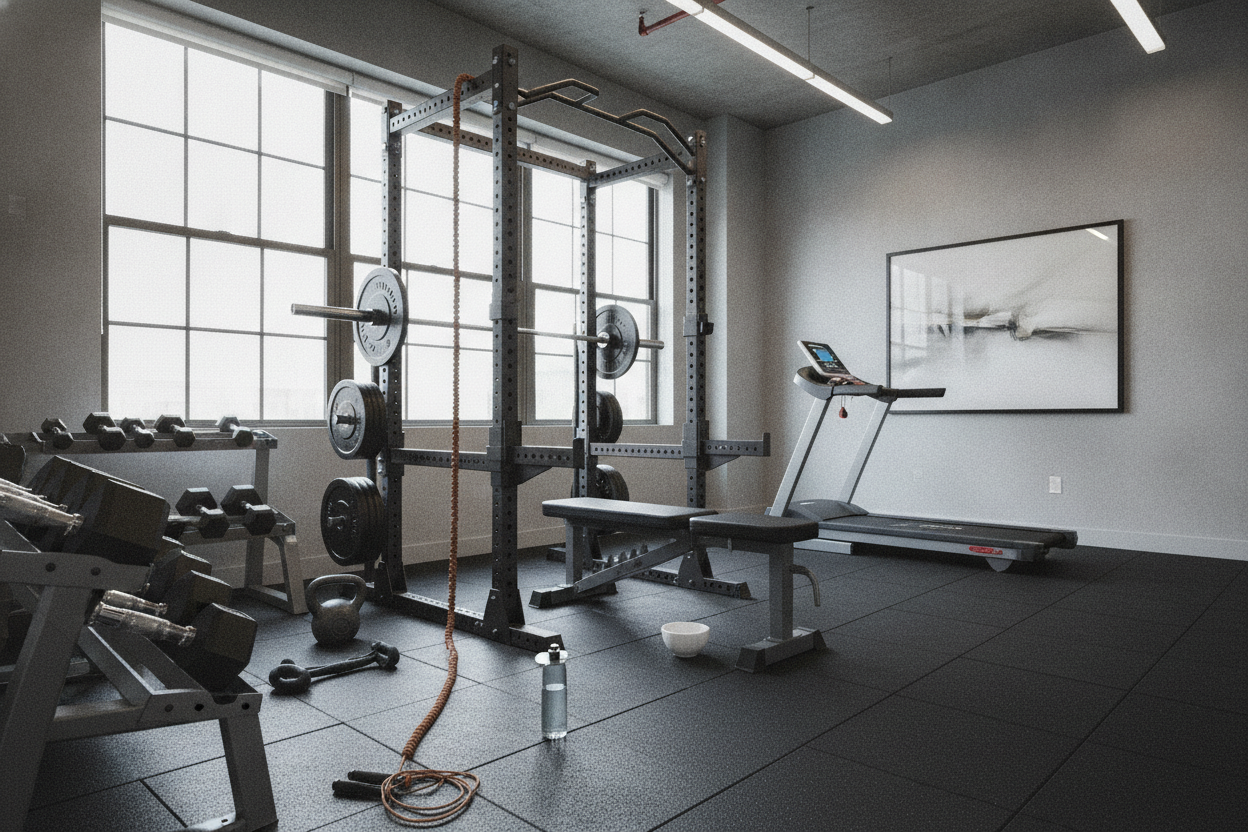
If you're going to tackle these really hard exercises at home, you have to be smart about your setup. Dropping a pair of 80-pound dumbbells during a failed set of split squats is a great way to lose your security deposit or crack a foundation. You need a dedicated space that can handle the abuse of a hard gym workout.
I always recommend investing in a large exercise mat for home gym use. You want something thick enough to dampen the sound and protect the subfloor, but firm enough that you don't feel like you're standing on a marshmallow. A good mat provides the traction you need for heavy carries and the cushion you need when you inevitably collapse after a set of paused squats. Don't skimp here; your joints and your floor will thank you.
The Mental Toll of Actually Training Hard
The hardest workout ever isn't just a physical hurdle; it's a mental one. There is a specific kind of dread that washes over you when you know you have a session of heavy carries or high-rep lunges ahead. That 'pre-workout anxiety' is actually a sign that you’re doing something right. It means your body knows it’s about to be challenged.
I’ve found that why going to the gym is the hardest part of your workout often comes down to this psychological friction. We naturally want to avoid discomfort. But the magic happens when you step into that discomfort anyway. The toughest workout programs aren't the ones with the most science behind them—they’re the ones that force you to show up when you’d rather be anywhere else.
Personal Experience: The 20-Rep Trap
A few years ago, I got bored and decided to try a '20-rep breathing squat' program. On paper, it looked easy—just one set of 20 reps. In reality, it was the hardest workout routine I’ve ever attempted. By rep 12, my vision was blurring. By rep 18, I was bargaining with a higher power. I didn't look 'cool' or 'aesthetic.' I looked like a man who had made a terrible mistake. But that six-week block built more leg drive and mental toughness than three years of 'fancy' training ever did. Stick to the basics, even when they suck.
FAQ
What is the hardest exercise in the world?
While subjective, many consider the 'weighted pistol squat' or the 'deficit Bulgarian split squat' to be the toughest because they combine extreme balance, range of motion, and raw strength in a single-leg movement.
Why are basic exercises often harder than machines?
Machines stabilize the weight for you. Basic movements (like a barbell squat or farmer's carry) force your stabilizer muscles and core to do the work, making them significantly more difficult and effective.
How do I know if my workout is hard enough?
If you can hold a casual conversation during your working sets, you aren't doing a very hard workout. Real intensity usually results in a complete inability to focus on anything other than the next rep.