Workout Exercises at the Gym: What to Do on Drop-In Days
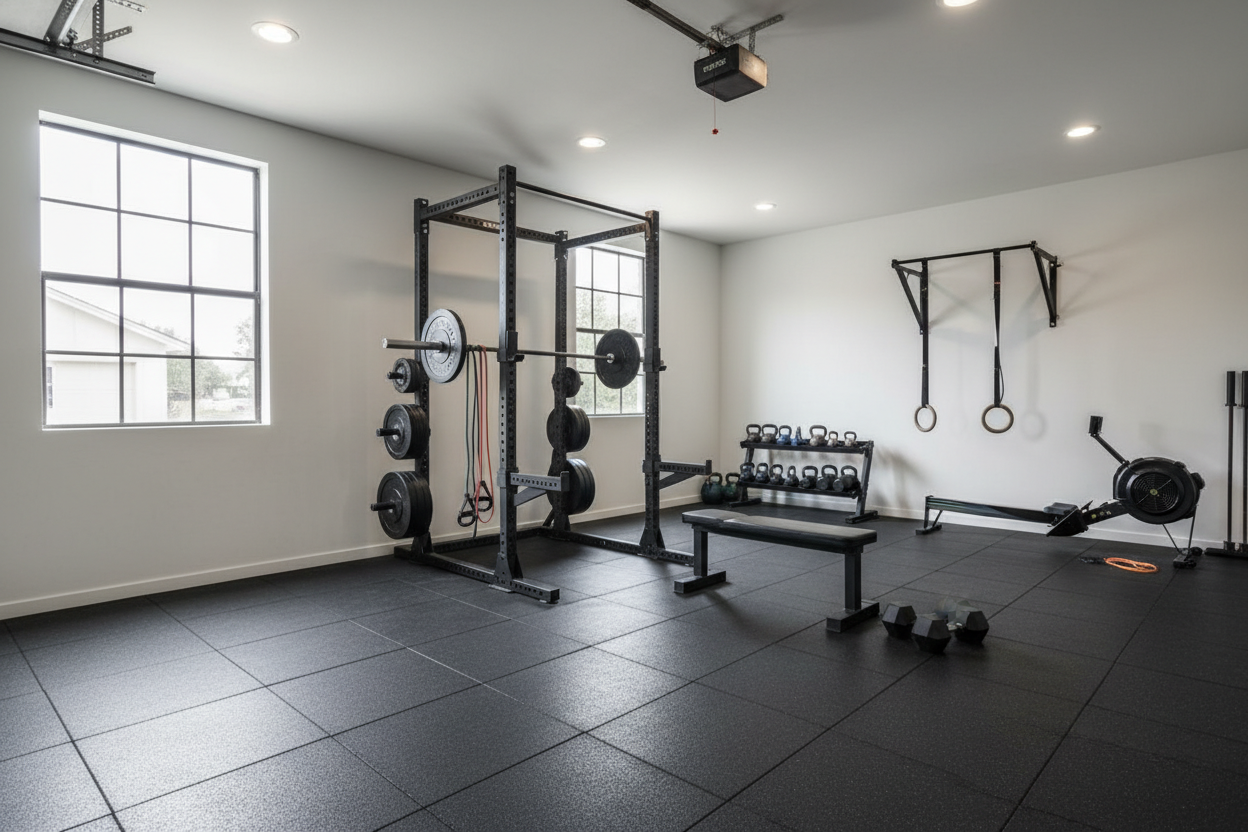
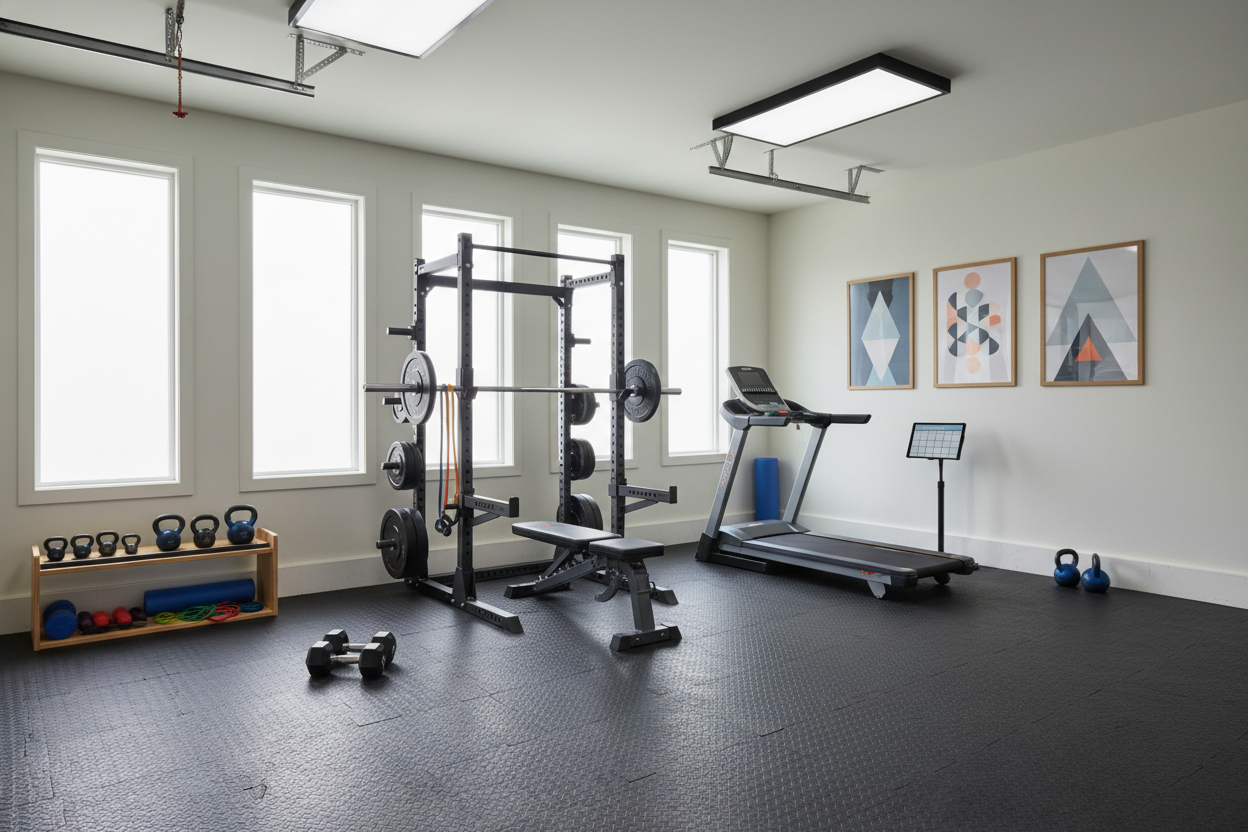
You know the scenario. You are traveling for work, stuck in a hotel, or a buddy just handed you a guest pass to their massive commercial fitness facility. You have spent years and thousands of dollars building a pristine garage sanctuary equipped with a power rack, a heavy barbell, and hundreds of pounds of bumper plates. Suddenly, you are staring at rows of shiny machines and wondering how to adapt your routine. Figuring out the best workout exercises at the gym can feel surprisingly disorienting when you are used to training alone in your driveway.
The temptation is to march straight to the squat rack and do your normal heavy five-by-five program. But honestly, that is a massive missed opportunity. If you are paying a drop-in fee or burning a guest pass, your approach to workout gym training needs a serious pivot. You should be milking that facility for every specialized piece of equipment you could never fit, or afford, in your garage.
Quick Takeaways
- Skip the barbell movements you already do at home and focus entirely on specialized machines.
- Target muscle groups that are notoriously hard to isolate with free weights, like hamstrings and lats.
- Use heavy cable stacks for constant tension exercises to trigger new hypertrophy stimulus.
- Treat commercial gym drop-in days as accessory or pump sessions rather than heavy max-out days.
Why Your Workouts in the Gym Should Look Different
Let me be blunt: waiting twenty minutes for a sweaty teenager to finish curling in the squat rack so you can do your standard barbell back squats is a waste of your drop-in pass. You already have a perfectly good barbell setup at home, where you can grunt, drop weights, and blast your own music. When planning your workouts in the gym, your primary goal should be novelty and isolation.
As a trainer who consults on home gym builds, I constantly see clients try to replicate their garage routines while traveling. It never quite feels right. The barbells have different knurling, the benches are slippery, and the plates are calibrated differently. Instead of fighting the environment, lean into it. Commercial facilities spend hundreds of thousands of dollars on biomechanically engineered selectorized machines. These machines take stabilizing muscles out of the equation, allowing you to push prime movers to absolute failure safely.
Your garage is built for raw strength and compound mechanics. The commercial floor is built for high-volume hypertrophy and muscle isolation. By shifting your mindset, you turn a frustrating travel day into a highly productive training session that fills the gaps in your home routine.
Top Workout Exercises at the Gym to Prioritize
When you walk through those sliding glass doors, you need a game plan. The sheer volume of equipment can cause analysis paralysis. The smartest workout exercises gym goers take for granted are the exact movements home athletes need to exploit.
I tell my clients to categorize their drop-in sessions by equipment type rather than muscle group. We are hunting for machines that provide a unique stimulus—specifically things that offer constant tension, strict isolation, and spinal relief. Here is exactly what you should be looking for.
Heavy Cable and Constant Tension Movements
Most home gyms lack a true, commercial-grade dual cable cross machine. Even if you have a pulley system attached to your rack, it rarely matches the smooth, 200-pound weight stacks and 180-degree adjustability of a standalone functional trainer. Cables provide constant tension throughout the entire range of motion, something dumbbells simply cannot do due to gravity.
I always prioritize heavy lat pulldowns using various specialized attachments, like a wide D-handle or a MAG grip. Pull-ups in the garage are fantastic, but locking your knees under a pad and pulling 150 pounds to your chest allows for a deep, isolated lat stretch without grip fatigue ruining the set. Next, hit the cable crossovers. Set the pulleys high for chest flyes or low for constant-tension lateral raises. Pushing sets of 15 to 20 reps on these cable stations will flood the muscles with blood, creating a pump that is tough to replicate with free weights.
Dedicated Leg Isolation Machines
If there is one area where home gyms truly suffer, it is lower body isolation. You can do thousands of Romanian deadlifts and Bulgarian split squats, but nothing isolates the quads and hamstrings quite like dedicated selectorized machines. These are my absolute favorite gym exercise ideas to implement when I get access to a commercial floor.
Start with the lying leg curl. Pinning your hips down and curling 100 pounds for strict sets of 12 completely torches the hamstrings without taxing your lower back. Follow that up with seated leg extensions. I like to do drop sets here, starting at 150 pounds and stripping the pin up by 20 pounds until my quads are completely fried. Finally, load up a 45-degree linear leg press. While I love a heavy barbell squat, loading 500-plus pounds onto a sled and pressing to failure without worrying about your spine collapsing is an incredible stimulus for pure leg mass.
Chest and Back Supported Rows
Garage athletes spend a lot of time bent over. Barbell rows, heavy deadlifts, and kettlebell swings all demand massive lower back stabilization. When you visit a commercial facility, it is time to give your erectors a vacation while still hammering your upper back.
Look for a chest-supported T-bar row or a plate-loaded low row machine. By resting your sternum against a pad, you completely remove the lower back from the equation. I tested a specific plate-loaded high row machine last month during a hotel stay, loading up three 45-pound plates per side. The ability to pull heavy weight to absolute failure without my form breaking down was incredibly refreshing. The only downside to these machines is that they can sometimes feel restrictive if you have a very wide or very narrow wingspan, so take a lighter warm-up set to adjust the seat height before going heavy.
Structuring Workouts for at the Gym
So, how do you actually program this? You do not want to derail your primary training block just because you have a day pass. The trick is to treat these workouts for at the gym as dedicated hypertrophy or accessory days that complement your heavy lifting at home.
If you currently run a classic two-day alternating home gym setup, a commercial gym drop-in day can serve as an incredible active recovery or isolation day between your heavy A and B sessions. Let us say Day A is heavy squat and bench, and Day B is heavy deadlift and overhead press. Your drop-in day becomes Day C: the machine pump.
A sample template might look like this: Start with four sets of 12 on the seated leg curl, superset with leg extensions. Move on to three sets of 10 to 15 on a chest-supported row. Follow up with four sets of cable crossovers, and finish with a triceps pushdown and cable biceps curl superset. Keep the rest periods short—around 60 to 90 seconds. You are not trying to set one-rep maxes here. You are chasing high volume, metabolic stress, and muscle damage in areas your barbell routine struggles to reach.
Translating Ideas for Gym Workouts Back Home
Every time you step into a commercial facility, treat it like a test drive. The ideas for gym workouts you experiment with can directly inform your next garage upgrade. Did you find that cable lateral raises completely blew up your delts? It might be time to invest in a wall-mounted pulley system for your rack. Did the chest-supported row feel amazing on your lower back? An adjustable bench and some heavy dumbbells can mimic that setup at home.
Ultimately, building a hybrid routine is about recognizing the strengths and limitations of your environment. Your home setup is an unbeatable fortress for strength, consistency, and convenience. But stepping out of that fortress occasionally to utilize specialized machines will only make you a more well-rounded, resilient athlete. Next time you get that guest pass, skip the squat rack, hit the machines, and enjoy the pump.
Frequently Asked Questions
Should I do cardio during a gym drop-in day?
If you do not own a treadmill, rower, or stationary bike at home, utilizing commercial cardio equipment is an excellent idea. I recommend finishing your machine-based lifting session with 15 to 20 minutes on a stair climber, as it is a highly effective, low-impact machine rarely found in garage setups.
How heavy should I lift on commercial machines?
Focus on the 10 to 20 rep range. Since your goal is hypertrophy and muscle isolation rather than raw neurological strength, use a weight that challenges you by the last two reps while maintaining strict, controlled form.
Can I completely replace my free weight routine with machines?
While machines are excellent for isolating muscles and reducing joint stress, free weights are superior for building core stability, balance, and functional strength. A mix of both yields the best long-term results.