Stop Touring Shiny Gyms for Beginners (Look for This Instead)
I have spent the last decade walking into facilities that smell like industrial-grade lavender and feature lighting that belongs in a nightclub. I’ve been that person—the one who signs a 12-month contract because the locker rooms have marble countertops and the sales rep offered me a free branded shaker bottle. It is a trap. I have personally loaded, tested, dropped, and sweated on equipment in every environment from $200-a-month boutique clubs to rusty basement dungeons, and I can tell you that the polish is usually a mask for a lack of utility.
When you are scouting gyms for beginners, you aren't looking for a spa. You are looking for a workspace. If the facility cares more about the thread count of their towels than the maintenance of their cable pulleys, you are going to regret that membership before the first month is up. Finding a good gym for beginners is about finding a place that removes the friction between you and your workout.
Quick Takeaways
- Ignore the amenities: You are there to train, not to sit in a steam room you’ll eventually realize is a petri dish.
- The 5:30 PM Test: Always tour during peak hours to see if the equipment you actually need is available.
- Layout matters: A logical flow between machines and free weights prevents the 'lost' feeling most novices hate.
- Barbell clubs > Big Boxes: Don't let the noise scare you; serious gyms often have the most supportive communities.
The 'Shiny Object' Trap of Modern Fitness Centers
The fitness industry is world-class at selling you a version of yourself that doesn't exist yet. They want you to imagine yourself sipping a post-workout smoothie in a plush lounge. That is how they justify a $150 monthly fee for what is essentially the best beginner gym on paper but a desert in practice. These amenities—the juice bars, the saunas, the towel service—are distractions. They are designed to make you feel like you’ve accomplished something just by checking in.
In my experience, the more 'lifestyle' features a gym has, the worse the actual weight room tends to be. I’ve seen million-dollar facilities that have twenty different types of elliptical machines but only one squat rack. For someone looking at best gyms for beginners, this is a disaster. You end up paying for a sauna you use twice a year while you're constantly fighting for the only 20-lb pair of dumbbells in the building. That breeds resentment, and resentment is the fastest way to kill a new habit.
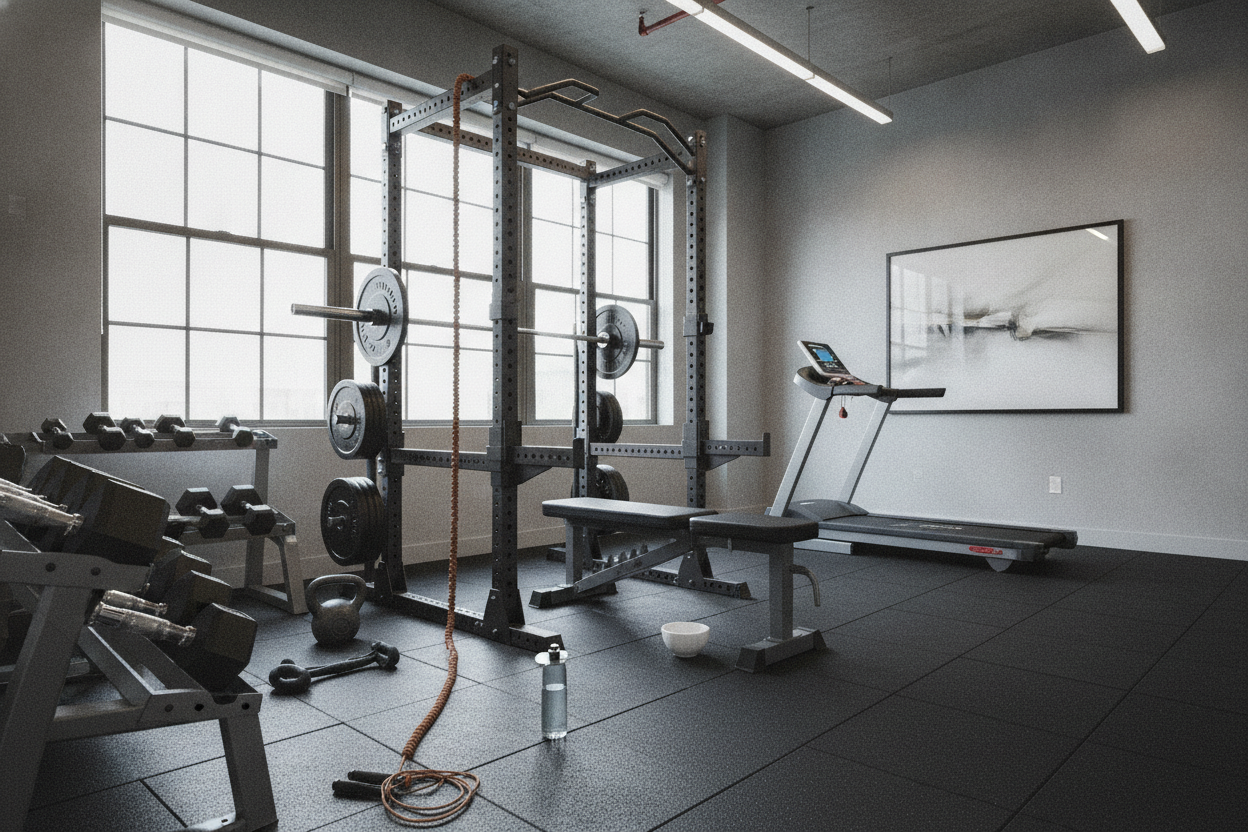
Focus on the 'good gyms for beginners' that invest their budget into the floor. Look for high-quality rubber matting, well-maintained cables, and plates that aren't chipped to pieces. If the sales guy spends more time showing you the locker room than the squat racks, turn around and walk out. You want a place that prioritizes the work, not the aesthetic.
What Actually Makes a Facility Worth Your Money?
A functional layout is the difference between a productive session and wandering around aimlessly for forty minutes. When I evaluate beginner gyms, I look for 'zones.' There should be a clear area for stretching, a logical progression of machines, and a dedicated free-weight section. If the kettlebells are hidden in a corner and the pull-up bar is blocked by a pile of yoga mats, the management doesn't understand how people actually train.
The ratio of machines to free weights is your biggest tell. Many best gyms to join for beginners pack the floor with circuit machines because they are easy to explain. But as you progress, you’ll want access to dumbbells and barbells. If there is only one bench press for 500 members, you’re going to spend your workout standing around. You need a facility that allows you to find space for a good gym exercise for beginners without feeling like you are tripping over someone else's gym bag.
Check the specs of the equipment too. Are the dumbbells stored in order? Is the knurling on the barbells so worn down it feels like smooth PVC pipe? These details matter. A best gym to join for beginners should have increments that make sense—like 2.5-lb plates or dumbbells that go up in 2.5-lb jumps early on. If the jump from 10 lbs to 15 lbs feels like a mountain, you’re at the wrong place. You want equipment that supports incremental progress, not just the heavy hitters.
The 5:30 PM Monday 'Vibe Check'
Never sign a contract based on a Tuesday morning tour when the gym is empty. To find a truly beginner friendly gym, you have to see it at its absolute worst. That is usually Monday at 5:30 PM. This is the 'Vibe Check.' If the gym is a chaotic, overcrowded nightmare where every piece of equipment has a line three people deep, you will quit within a month. No one has the mental energy to fight for a cable machine after an eight-hour workday.
While you're there during peak hours, watch the people. Is there a culture of 'working in' (sharing equipment)? Do people put their weights back? A best beginner gyms list should be ranked by etiquette. If the floor is covered in abandoned plates and the staff is scrolling on their phones while the trash cans overflow, that lack of discipline will affect your motivation. You want an environment that feels organized even when it's busy.
Also, pay attention to the noise. Is the music so loud you can’t hear your own thoughts? Is there a constant sound of metal clanging that feels aggressive rather than productive? Some 'hardcore' gyms are actually quieter and more focused than the 'family-friendly' boxes where kids are running through the turf area. You need a place where you can focus on your form without feeling like you're in the middle of a riot.
Commercial Box vs. Local Barbell Club
Most people assume the big-name commercial chains are the best gyms for beginners because they have the most marketing. They assume the local 'Barbell Club' or 'Warehouse Gym' is only for elite powerlifters. In my experience, the opposite is often true. Big boxes are often staffed by people who are paid minimum wage to not care. In contrast, local gyms are usually owned by people who live and breathe fitness.
At a local club, you might see people lifting heavy, but you’ll also find a community that actually knows your name. These places often have better equipment—real Ohio bars, calibrated plates, and racks that don't wobble when you touch them. This quality makes a massive difference when you're trying to learn an exercise routine in gym for beginners. You want a rack that feels stable, not a piece of cheap bolt-together steel that shakes when you re-rack 95 pounds.
Don't let the 'intimidating' look of a warehouse gym stop you. Those are often the places where someone will actually stop to show you how to adjust a bench properly instead of letting you struggle. A gym membership for beginners is an investment in your education. You’ll learn more in three months at a 'serious' gym than in three years at a place that specializes in 'no-judgment' pizza Fridays.
Do You Even Need to Leave the House?
Here is the cold truth: the best gym is the one you actually use. For many, the commute to the gym is the biggest barrier. If you're looking for a gym membership for beginners, ask yourself if you’ve exhausted the options at home first. You can do a staggering amount of work in a 6x8 foot space if you set it up correctly. Friction is the enemy of consistency, and nothing has less friction than your own living room.
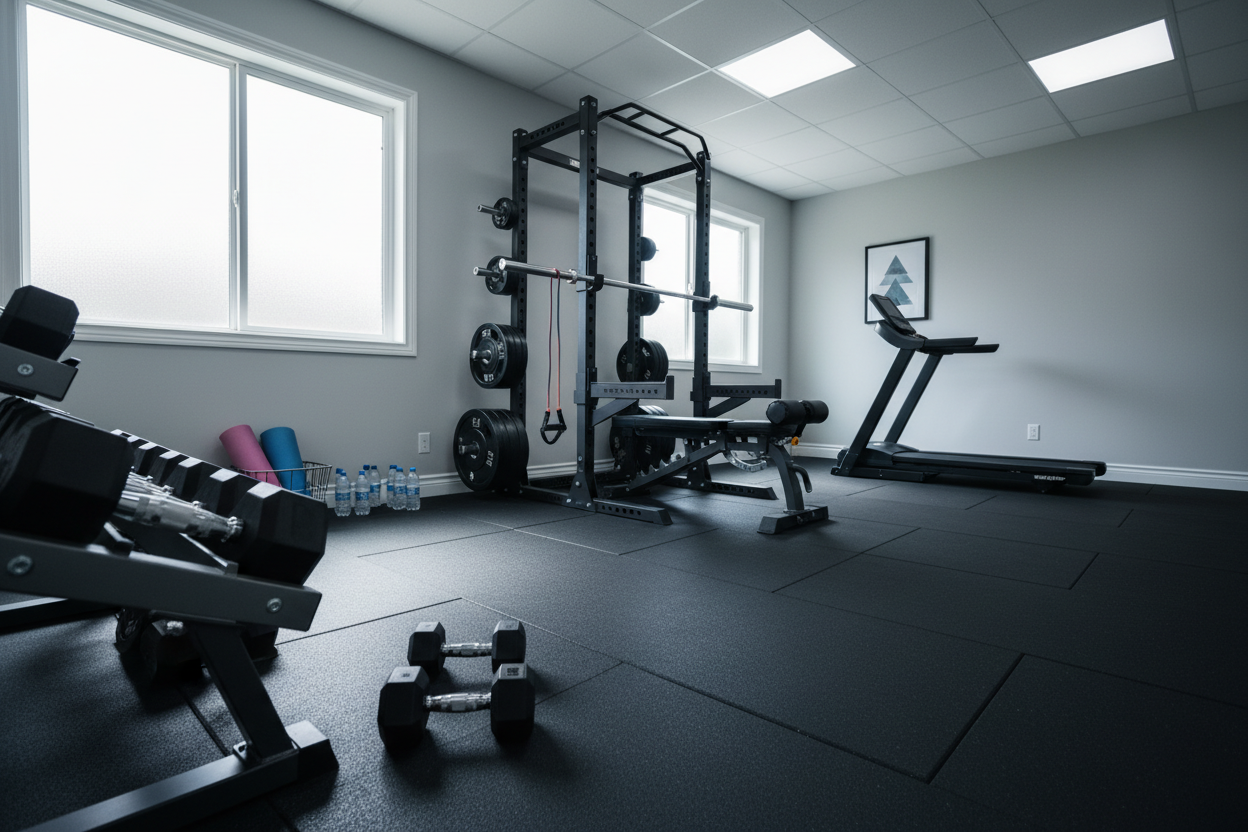
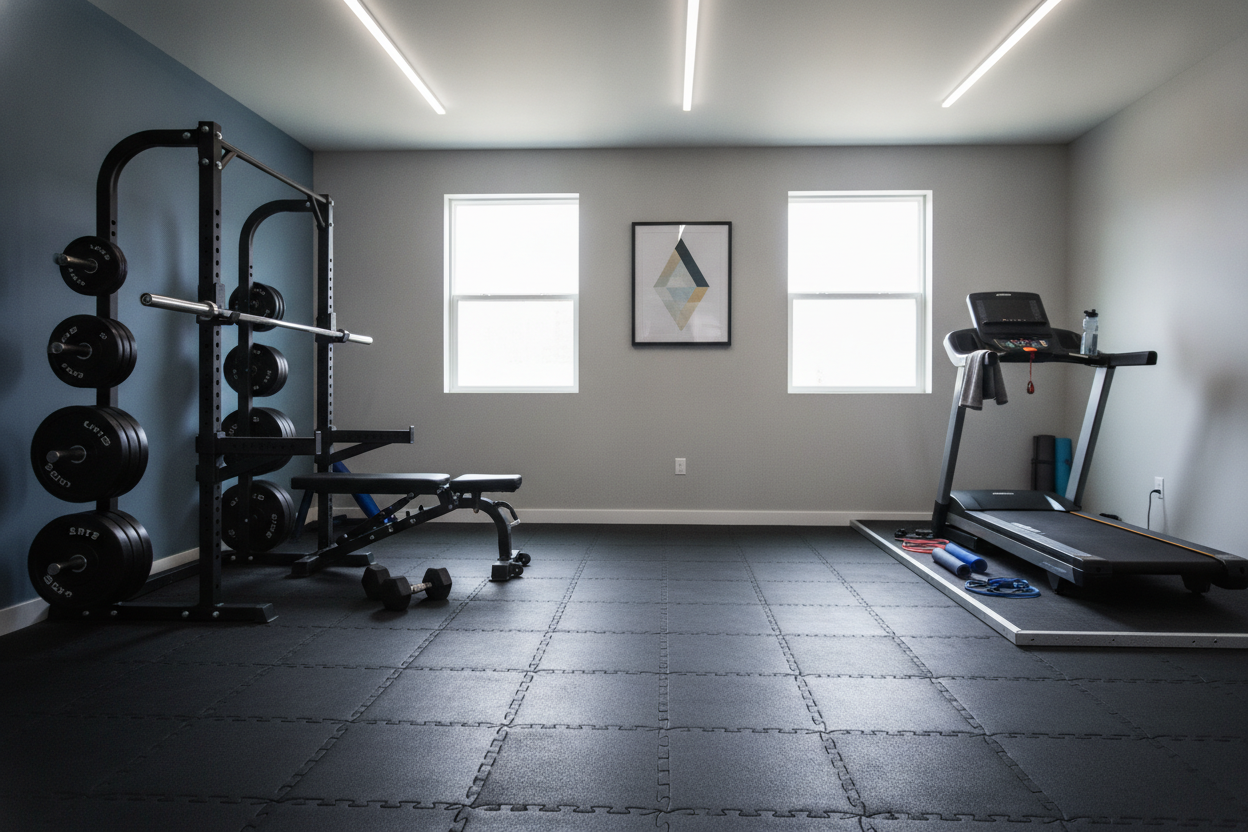
Instead of dropping $600 on an annual membership you might use ten times, consider investing that into your own space. Clearing out a corner and laying down a large exercise mat for home gym use is often a smarter first move. It gives you a dedicated 'zone' where you can learn the basics without the social anxiety of a public floor. You don't need a 300-lb Olympic set on day one; you need a place where you can move without hitting the coffee table.
Building a home setup allows you to control the environment. You choose the music, the temperature, and you never have to wait for a squat rack. If you find that you've outgrown your home space after six months, then go look for a commercial facility. By then, you’ll know exactly what equipment you like and what you don't, making your search for the right gym far more effective.
Personal Experience: The Luxury Trap
I once joined a 'Tier 1' luxury gym in downtown Chicago. It had a rooftop pool, a cafe that made incredible protein pancakes, and the locker rooms felt like a five-star hotel. I paid $185 a month. Within three weeks, I hated it. Why? Because they had exactly two power racks for 2,000 members. I spent 80% of my time standing around waiting for a spot to lift. I was paying for the 'privilege' of not being able to work out. I eventually quit and joined a gritty basement gym with no AC but twelve racks. My progress exploded. Don't pay for the paint on the walls; pay for the steel on the floor.
FAQ
What is the best gym for beginners?
The best gym is whichever one is within a 15-minute drive of your house and has at least three squat racks. If it's too far away, you won't go. If it doesn't have the right equipment, you'll get bored or frustrated.
Which gym is best for beginners on a budget?
Look for local 'non-chain' gyms or community centers. They often have 'weight room only' memberships that skip the classes and pools to keep costs low. Avoid 'low-cost' chains that make it impossible to cancel your contract.
Should I get a trainer when I join?
Only if the trainer actually lifts. Watch them work with other clients. If they are just standing there looking at their watch while the client does bicep curls, save your money. You want someone who focuses on compound movements and form.